


Categories
Early Signs of Infant Botulism Every Parent Should Know
Aug 03, 2026
What is Infant Botulism? (Meaning)
Infant botulism meaning: it is a rare but serious illness caused by Clostridium botulinum bacteria, which produce a powerful toxin that affects the nervous system. Unlike food-borne botulism in adults, infant botulism happens when the bacteria colonise the baby's immature intestine, produce toxins inside the body, and slowly cause muscle weakness. It typically affects babies under 12 months, with most cases seen between 2 and 6 months of age.How Does Infant Botulism Happen?
Babies pick up Clostridium botulinum spores from the environment. Their immature gut, unlike an older child's or adult's, allows the spores to germinate, grow, and release toxins. Common sources of exposure include:- Honey: The most well-known source. Even a small amount fed to a baby under 12 months can cause botulism.
- Dust and soil: Spores can be inhaled from contaminated environments.
- Home-canned foods: Improperly preserved foods can contain the bacteria.
- Corn syrup or other honey substitutes: Rarely, these have been implicated.
Early Infant Botulism Symptoms Every Parent Should Know
The early signs often develop over several days:- Constipation: Usually the first sign. A baby who was feeding and passing stool normally suddenly stops for several days.
- Weak feeding: The baby feeds less enthusiastically, tyres quickly at the breast or bottle, and takes less milk than usual.
- Weak cry: The cry becomes softer or hoarser.
- Poor head control: The baby seems floppy, and the head lolls more than usual.
- Drooping eyelids: One or both eyelids may droop noticeably.
- Loss of facial expression: The face appears less animated than normal.
- Drooling or difficulty swallowing: Related to weakened throat muscles.
- Reduced spontaneous movement: The baby moves less and looks lethargic.
- Difficulty breathing: In more advanced cases, breathing becomes shallow and requires urgent attention.
How Infant Botulism is Diagnosed
Diagnosis is made through a combination of:- Clinical examination showing the pattern of muscle weakness
- Detailed feeding and dietary history (any honey exposure)
- Stool test to detect the toxin or the bacteria
- Electromyography (EMG) in some cases
- Blood tests to rule out other conditions
Treatment of Infant Botulism
Infant botulism requires hospitalisation, usually in a neonatal or pediatric intensive care unit. Treatment typically includes:- Human botulism immune globulin (BabyBIG), the specific antitoxin that neutralises the toxin
- Supportive care including feeding tube nutrition if the baby cannot feed safely
- Respiratory support (sometimes mechanical ventilation) in severe cases
- Careful monitoring of muscle strength, breathing, and heart rate
Prevention Tips
- Never give honey (or foods containing honey) to babies under 12 months
- Avoid corn syrup and unpasteurised sweeteners for young infants
- Choose only commercially prepared baby foods until at least 12 months
- Ensure home-canned foods are properly processed if used in the household
- Reduce exposure to dusty or contaminated environments where possible
When to Seek Immediate Medical Attention
Contact with a child specialist promptly if your baby shows any signs of unexplained constipation combined with weak feeding, floppiness, drooping eyelids, or a weak cry. Do not wait for symptoms to worsen. Early diagnosis and treatment significantly improve outcomes and reduce the risk of complications.Conclusion
Infant botulism is rare, but it is serious and requires prompt recognition. Being aware of the early infant botulism symptoms, avoiding honey and other risky foods in the first year, and seeking urgent evaluation at the first suspicious signs gives your baby the best chance of full recovery. Rainbow Children's Hospital offers advanced pediatric care including a Level III NICU for babies with complex conditions like infant botulism.Medical Disclaimer
This content is for general informational purposes only and is not a substitute for professional medical advice, diagnosis, or treatment. Always consult a qualified healthcare professional regarding your specific health concerns.Frequently asked questions
Can breastfed babies get infant botulism?
Why is honey banned for babies under 1 year?
Is infant botulism contagious?
How long does recovery from infant botulism take?
Can adults get botulism from honey?
Related BlogView More
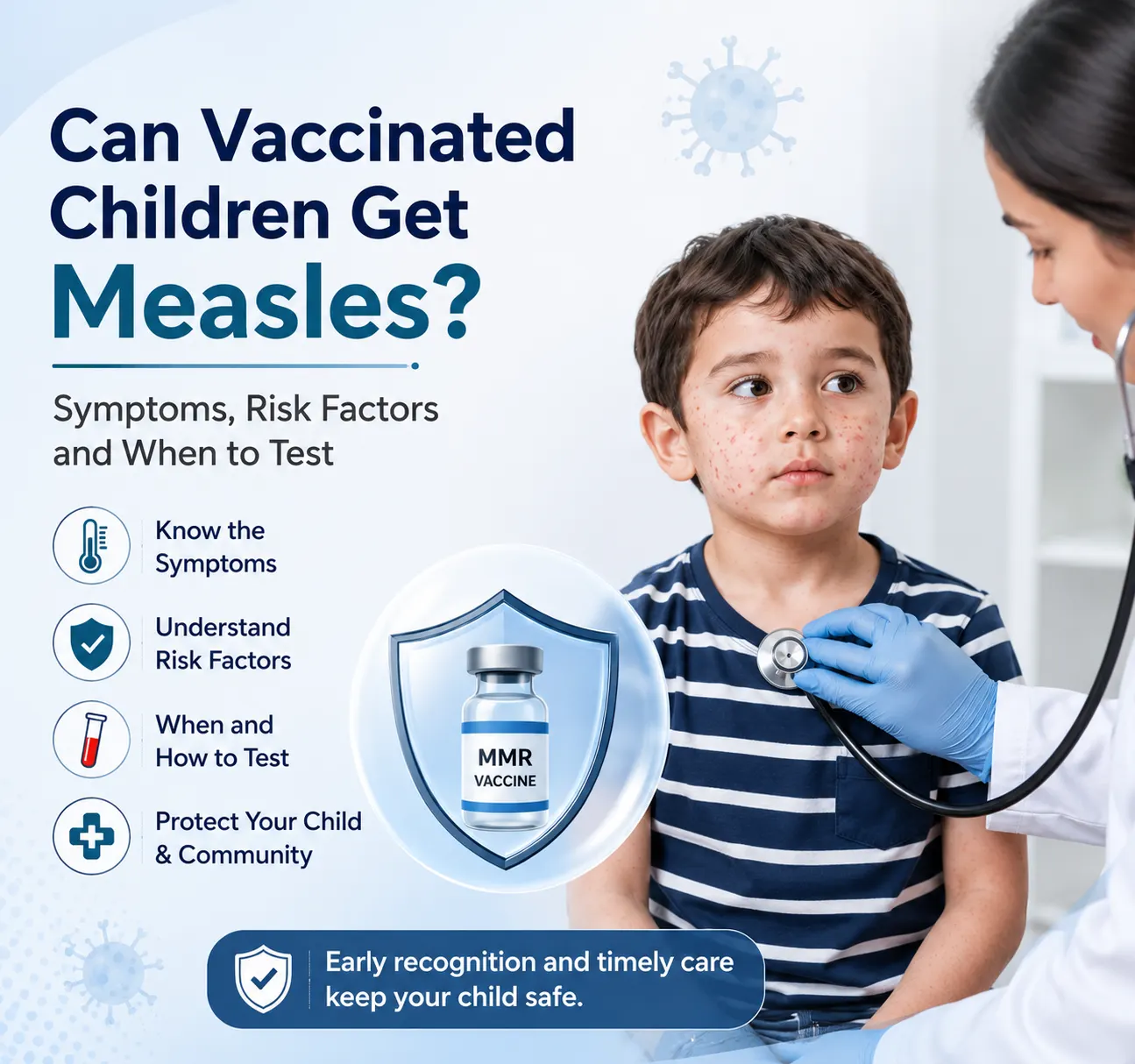
Can Vaccinated Children Get Measles? Symptoms, Risk Factors and When to Test
The MMR vaccine is one of the most effective vaccines available, protecting children from measles, mumps, and rubella. Yet a common question worries parents: can a child who has been vaccinated still catch measles? The answer is yes, but rarely, and understanding why helps par
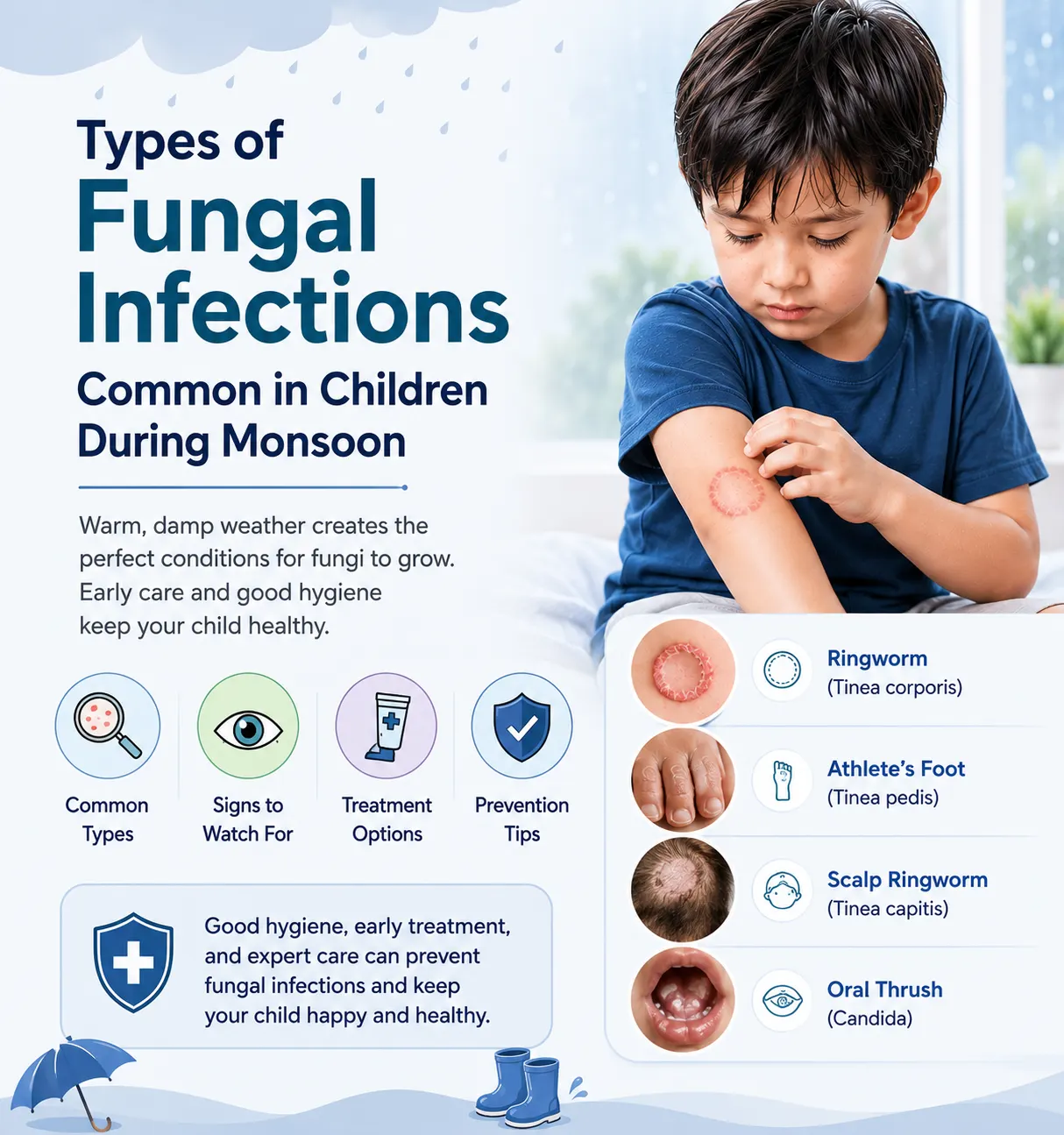
Types of Fungal Infections Common in Children During Monsoon
The monsoon brings welcome relief from the heat, but it also creates ideal conditions for fungal infections to thrive. Warm, damp weather combined with children's habit of playing outdoors and staying in wet clothes makes fungal infections in children a common concern ea
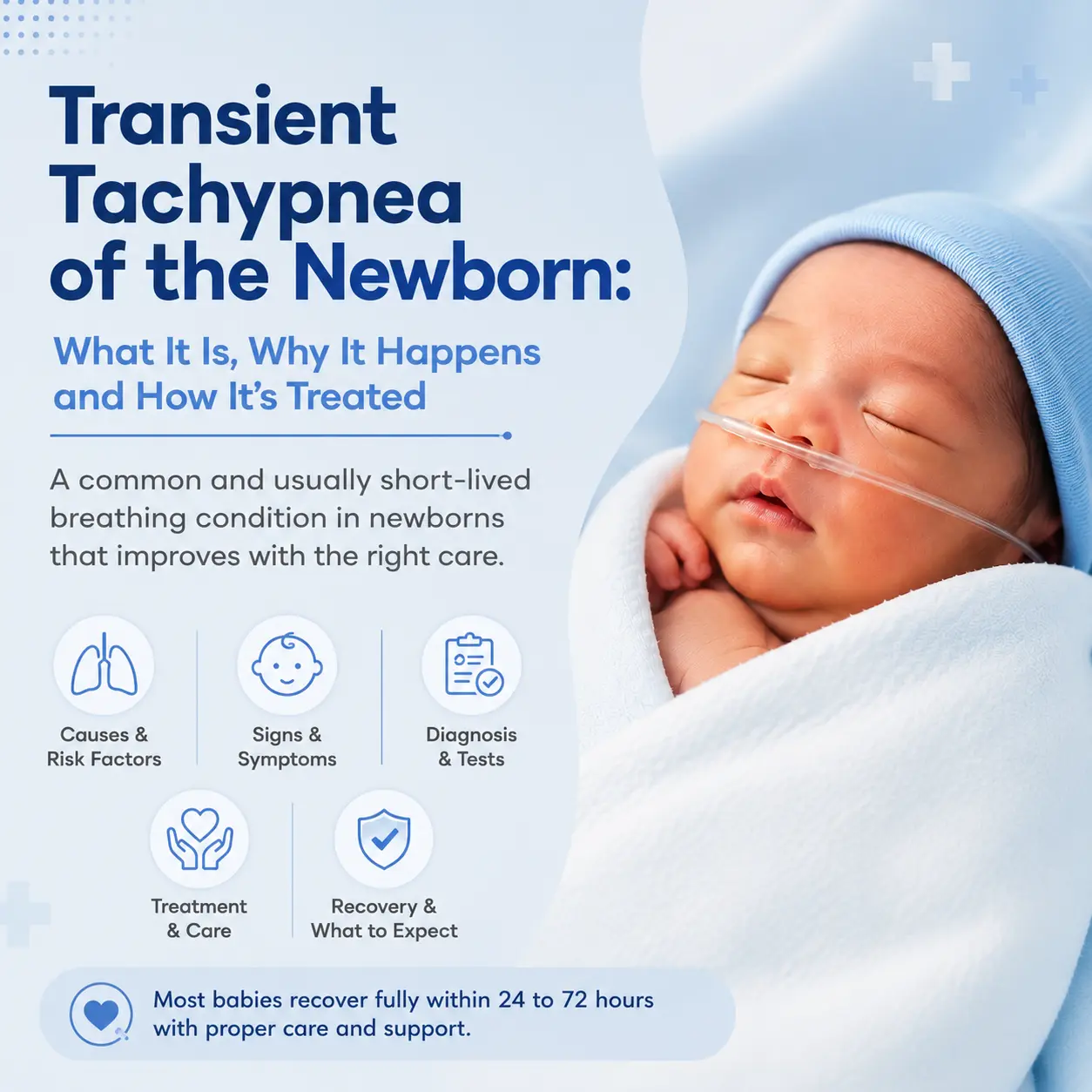
Transient Tachypnea of the Newborn: What It Is, Why It Happens and How It's Treated
Many newborns arrive breathing easily from their very first breath. But some babies show signs of rapid breathing in the hours after birth, and one of the most common causes is transient tachypnea of the newborn (TTN). It sounds worrying, but in most cases, it is a short-lived
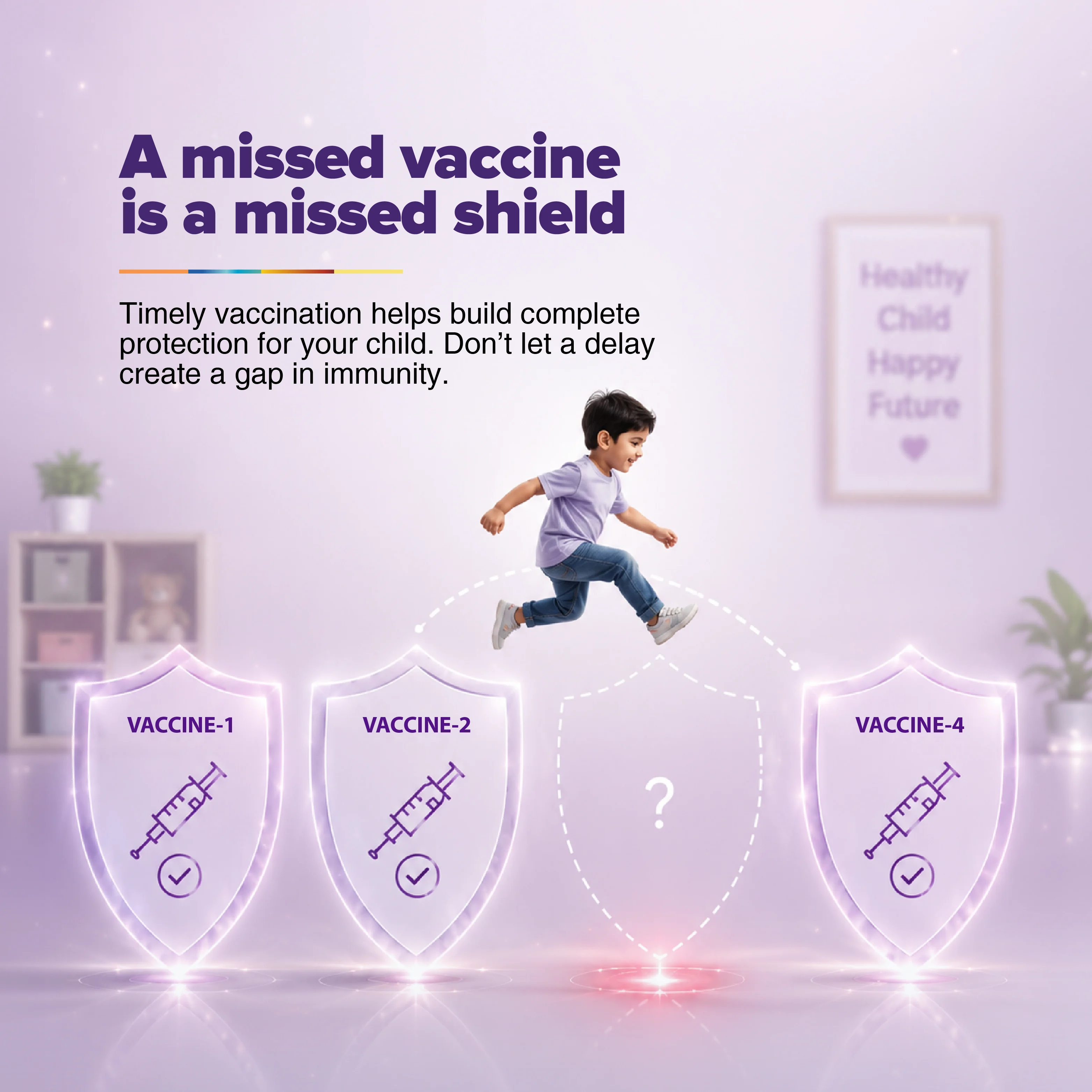
The Role of Scheduled Vaccination in Preventing Serious Diseases
Importance of Scheduled Vaccinations As parents, keeping children healthy and protected is always a top priority. While good nutrition, hygiene, and regular health check-ups play an important role in overall well-being, scheduled vaccination remains on