



Laparoscopic Surgeries

Seamless support from diagnosis to post treatment care
Laparoscopic Surgeries
Laparoscopy
Laparoscopy is a minimally invasive procedure, which examines the internal organs of the abdomen and it is known as diagnostic laparoscopy. In this procedure, only small incisions are required, and it's low-risk.
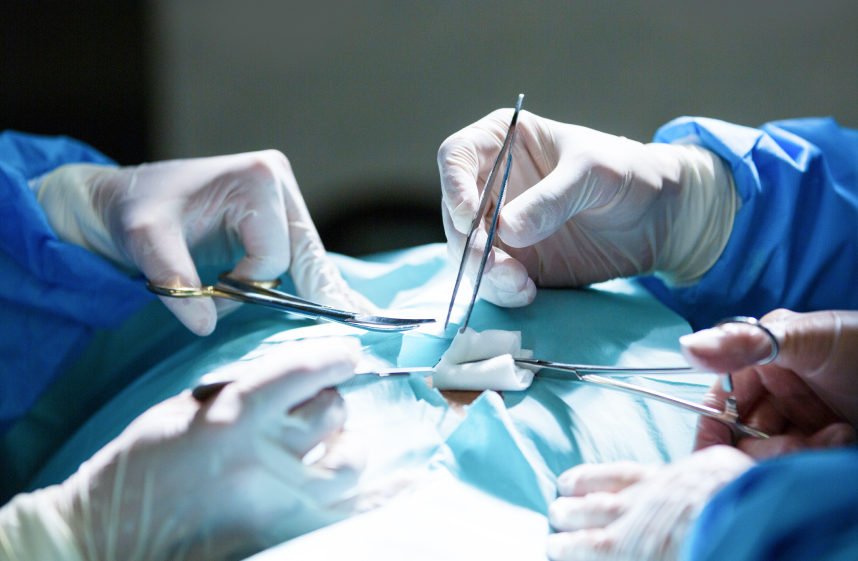
The abdominal organs are viewed with the help of a laparoscope during laparoscopy. Laparoscopic instruments are long, thin tubes with a bright light and a high-definition camera at their ends. Incisions are made in the abdominal wall to insert the instruments. Video images are sent to a monitor as the camera moves along.
With laparoscopic surgery, your doctor can see inside your body in real-time without opening it up. The procedure can also enable your doctor to take a biopsy sample.
Surgical expertise at BirthRight Hospitals is minimally invasive and laparoscopic. As a leader in laparoscopic procedures, our surgeons adopt the latest technologies so patients have a comfortable, painless, and precise experience. The doctors at BirthRight Hospitals' with their multidisciplinary approach determine the cause of the conditions and devise suitable
methods ensuring the safety of the patients.
What is the purpose of Laparoscopy?
To identify and treat pelvic or abdominal pathology, laparoscopic procedures are often performed. The procedure is usually used when non-invasive methods fail to diagnose a condition.
During a laparoscopy, very rarely one may experience risks, such as experiencing bleeding, infection, and damage to your organs. You should keep an eye out for signs of infection after your procedure. Call your doctor immediately if you experience:
-
Fevers
-
Abdominal ache
-
Chills
-
Redness, Swelling, Bleeding, Or Drainage where incisions were made
-
Nausea
-
Vomiting
-
Persistent Cough
-
Shortness Of Breath
-
Inability To Urinate
-
Light-Headedness
While laparoscopy is relatively safe, it comes with a small chance of organ damage. The puncture of an organ may lead to the release of blood and other fluids. The damage needs to be repaired by another surgery.
The following risks are less common:
-
Anesthesia-related complications.
-
An infection of the abdominal wall.
-
Your pelvis, legs, or lungs can be affected by a blood clot.
Occasionally, your surgeon may believe that a minimally invasive technique is not worth the risks associated with laparoscopy. Prior abdominal procedures are more likely to cause this problem since adhesions can form between abdominal structures when a patient has had previous abdominal surgery. It takes much longer and is more likely to cause organ injury when performing laparoscopy with adhesions.
What is the procedure for laparoscopy?
Usually, laparoscopic procedures are performed as day- care procedure(It means your surgery will take place the same day, so you can leave the same day) or inpatient procedure..
For this type of surgery, general anesthesia is likely to be administered. In other words, you won't feel any pain during the procedure and can sleep through it. A vein in your arm is inserted with an intravenous line to achieve general anesthesia. In addition to administering fluids and giving medications via the IV, your anesthesiologist can provide hydration.
A laparoscopic procedure involves a surgeon making a small incision below your belly button and inserting a small tube called a cannula. With the help of the cannula, carbon dioxide gas is inflated in your abdomen. That allows your physician to better examine your abdomen.
An incision is made through which the laparoscope is inserted once the abdomen has been inflated. Your organs can be viewed in real-time on the screen, thanks to the camera attached to the laparoscope.
According to your surgeon, the number and size of incisions will depend on the specific disease being confirmed or ruled out. A typical procedure involves between one and four incisions, each between 0.5 cms -1cms long. Other instruments are then inserted through these incision.
The instruments are removed following the procedure. Following that, an incision is usually tapped up or occasionally stitched . If necessary, bandages may be applied.

Find a Doctor
Expertise you can trust, Meet our esteemed doctors who bring exceptional knowledge, compassion, and innovation to provide top-notch care for your health and well-being.
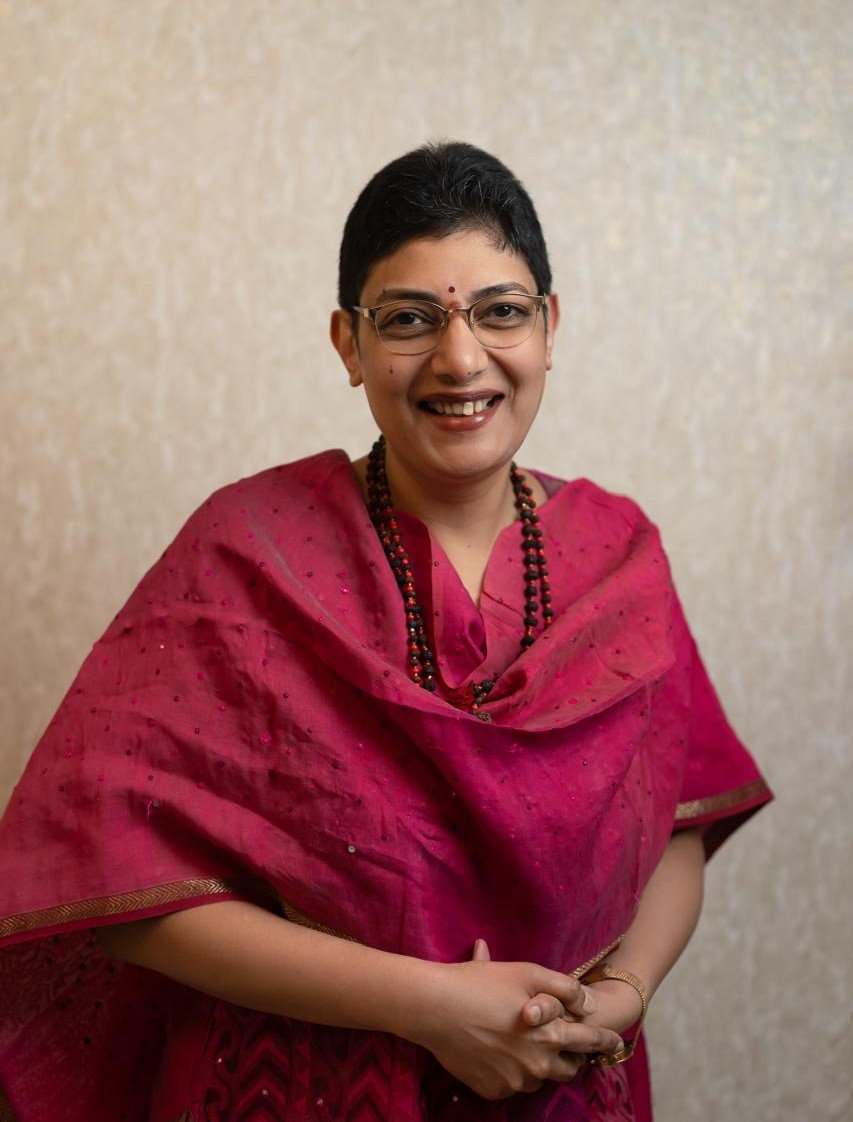
Dr. Padmaja Yelisetty
Senior Consultant – Obstetrics & Gynecology
30 Years English,Hindi,Tamil,Telugu,Urdu Himayatnagar

Dr. Jayasree Sundar
Director - Obstetrics and Gynecology
30 Years Bengali,English,Hindi,Malayalam,Tamil Malviya Nagar, Panchsheel Park - Rosewalk
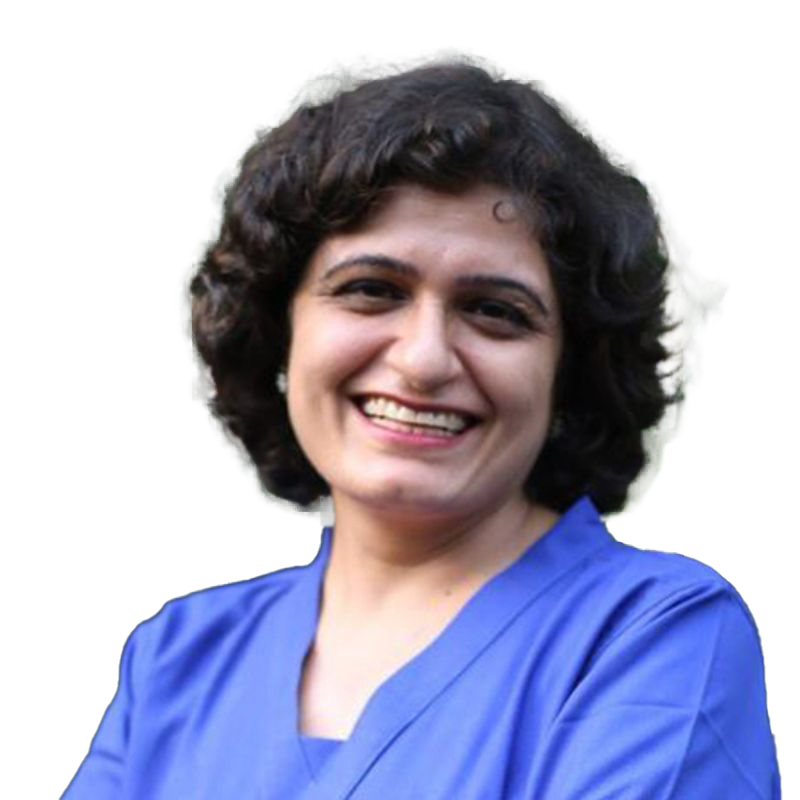
Dr. Payal Chaudhary
Senior Consultant - Obstetrics & Gynecology
24 Years English,Hindi Malviya Nagar, Panchsheel Park - Rosewalk
Dr. Himabindu Annamaraju
Consultant Obstetrician, Gynecologist & Laparoscopic Surgeon, Specialist in High Risk Pregnancy
22 Years English,Hindi,Telugu Financial District
Dr. Praveena Shenoi
Clinical Director Obstetrics and Gynaecology
30 Years English,Hindi,Kannada Marathahalli
Dr. Shruthi Reddy Poddutoor
Consultant Obstetrician, Gynecologist & Laparoscopic Surgeon
English,Telugu Banjara Hills

Dr. Manasa Badveli
Consultant Obstetrician, Gynaecologist & Laparoscopic Surgeon and Robotic Surgeon
15 Years English,Telugu Financial District
Dr. Niraj Krishnamurthy Yanamandra
Senior Consultant Obstetrician & Gynaecologist, Laparoscopy & Hysteroscopy Surgeon
English,Hindi,Telugu Hydernagar, Banjara Hills
Dr. Sahitya Bammidi
Consultant Obstetrician & Gynaecologist, Laparoscopic & Aesthetic Surgeon, Robotic Surgeon
16 Years English,Telugu Financial District
Dr. Sura Pushpalatha
Consultant - Obstetrics and Gynecology
35 Years English,Tamil,Telugu Sholinganallur
Dr. Nivedita Sivakumar
Consultant- Obstetrics and Gynaecology
16 Years English,Tamil Sholinganallur
Dr. Lakshmi Devi Appasani
Senior Consultant Obstetrician, Gynaecologist and Laparoscopic Surgeon
English,Telugu Kondapur OP
Dr. Varalakshmi Nandyala
Senior Consultant - Obstetrics and Gynecology
English,Telugu Kondapur OP
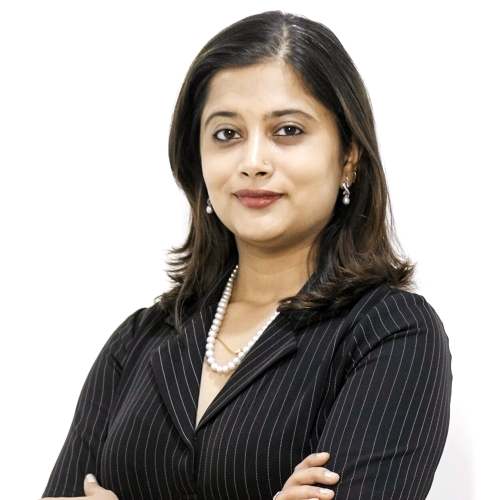
Dr. Udita Mukherjee
Consultant – Obstetrician, Gynaecologist & Laparoscopic Surgeon
12 Years Bengali,English,Hindi,Malayalam,Telugu Financial District

Dr. Sasikala Kola
Consultant Obstetrician & Gynecologist
English,Hindi,Telugu Banjara Hills
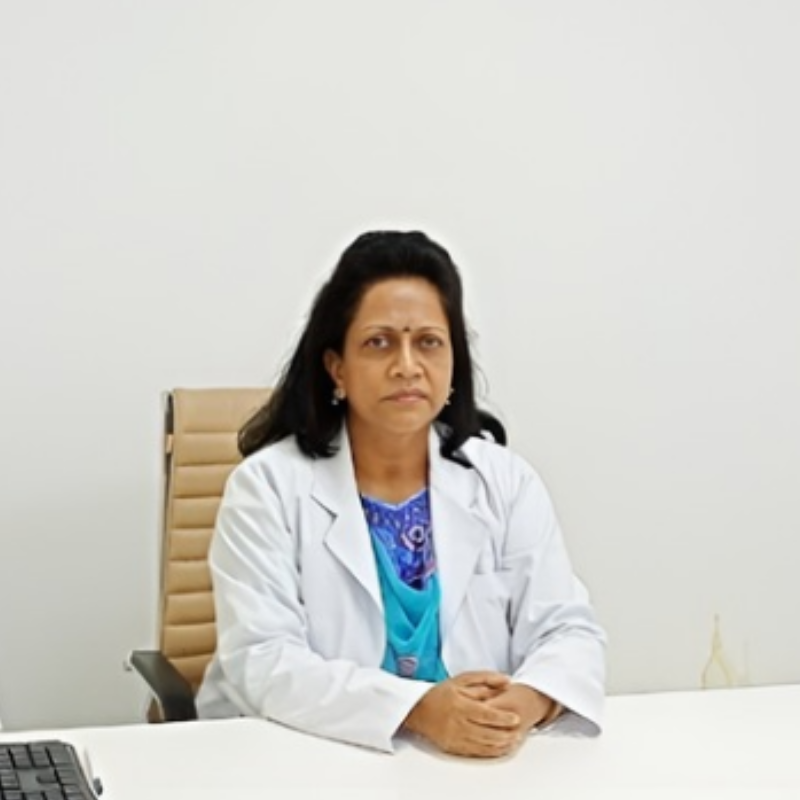
Dr. Amita Jain
Senior Consultant - General and Laparoscopic Surgery
English,Hindi Malviya Nagar, Panchsheel Park - Rosewalk
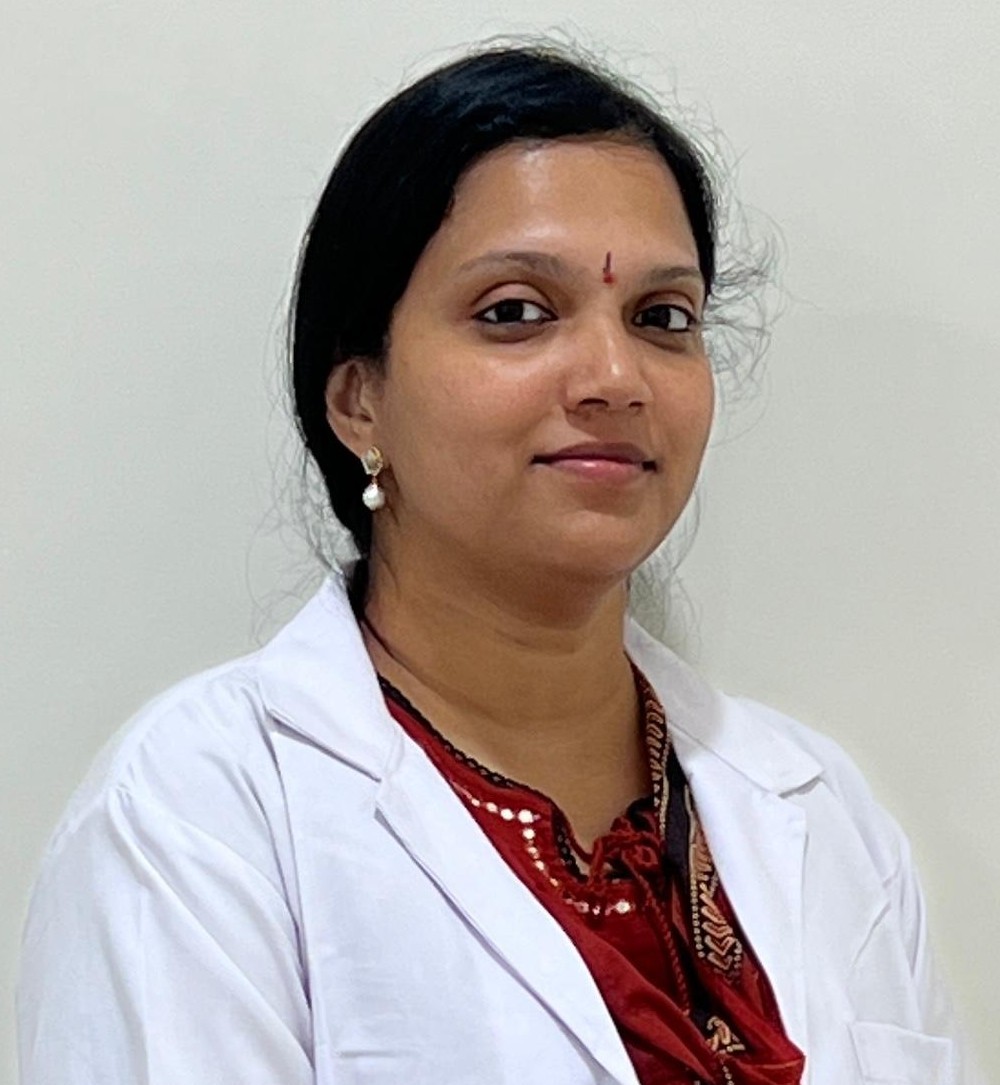
Dr. Kandula Shilpa Alekhya
Consultant - Obstetrics and Gynecologist
11 Years English,Hindi,Kannada,Telugu Rajahmundry
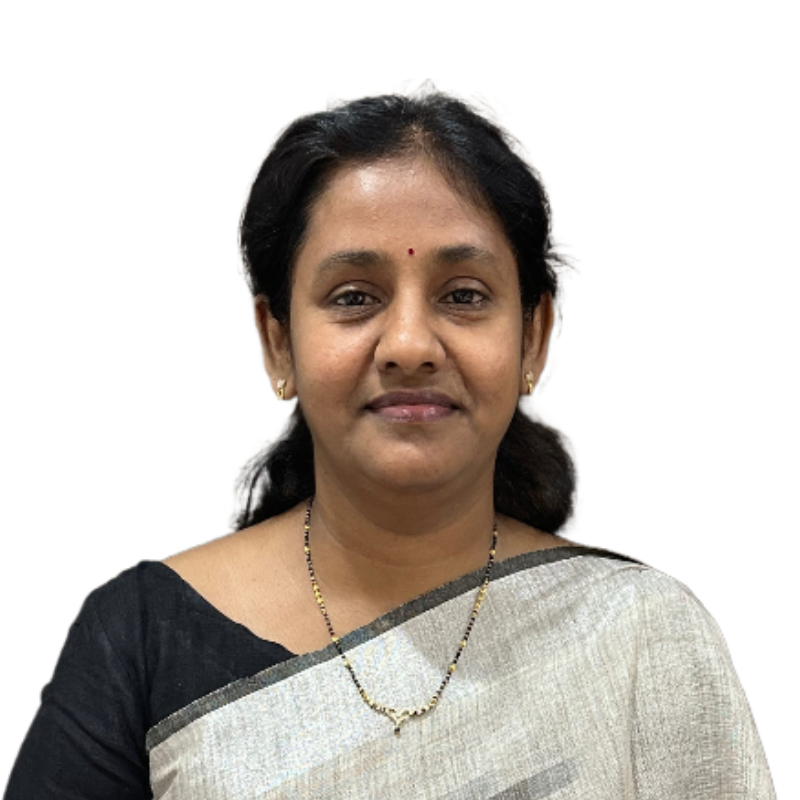
Dr. Mallipeddi Vijaya
Consultant
18 Years English,Hindi,Telugu Currency Nagar, Governorpet
Dr. Akhila Gogineni
Senior Consultant - Obstetrics and Gynecology
18 Years English,Telugu Kondapur OP

Dr. Anju Kumari
Consultant - Obstetrics & Gynecology
12 Years English,Hindi Malviya Nagar
Dr. Annie Pranutha P
Consultant Obstetrics and Gynecology
9 Years English,Hindi,Telugu Banjara Hills, Attapur Clinic
Dr. Aruna Thangapandy
Consultant - Obstetrics & Gynecology
23+ Years English,Hindi,Kannada,Tamil Marathahalli
Dr. Atluri Pallavi
Consultant
15 Years English,Hindi,Telugu Currency Nagar, Governorpet
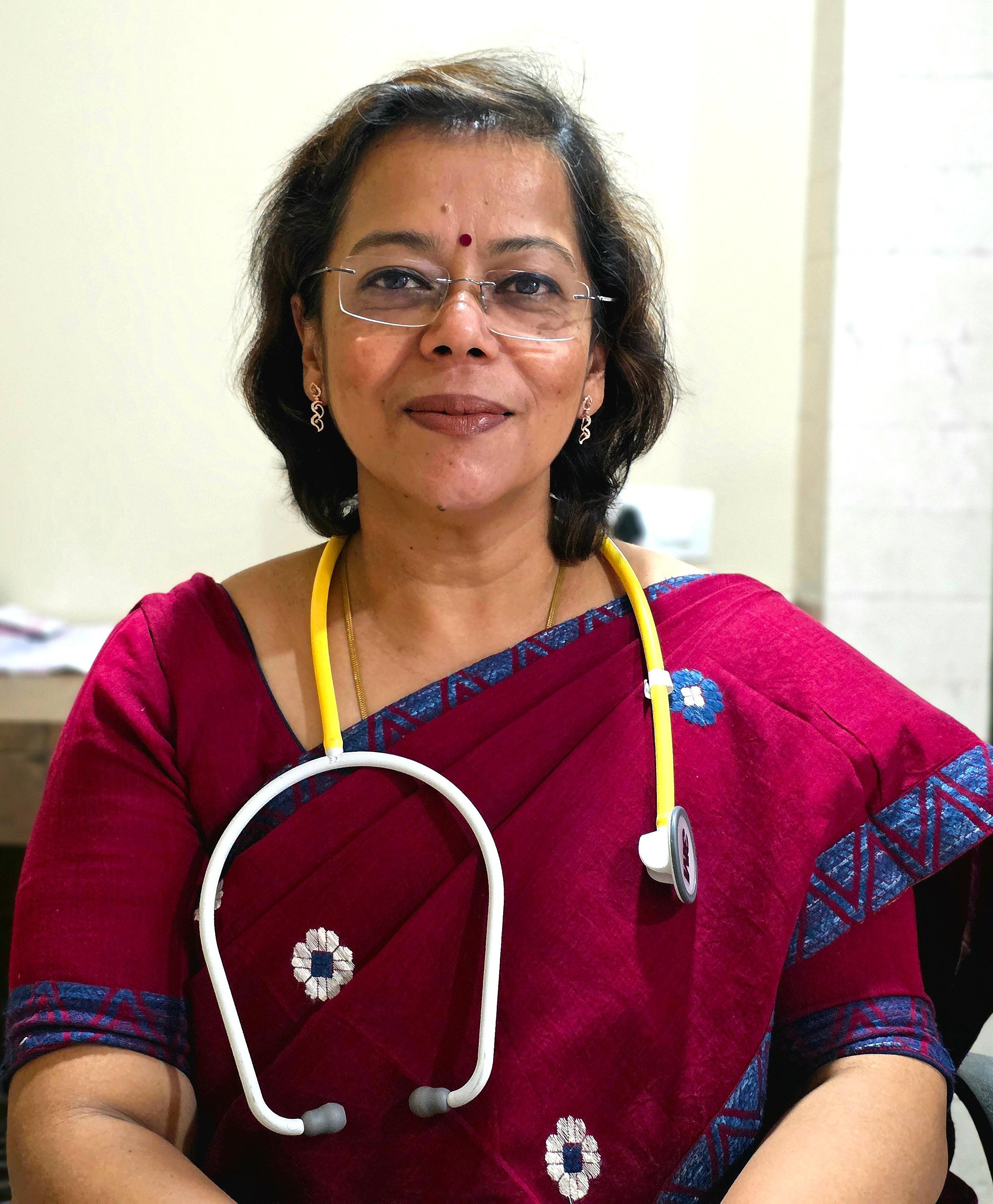
Dr. Anudhriti Dutta
Consultant - Obstetrics, Gynecology & Laparoscopic surgeon
19 Years Assamese,English,Hindi Guwahati
Dr. Ashitha A V
Consultant - Obstetrics & Gynecology
11 Years English,Hindi,Kannada Marathahalli

Dr. Atigadda Vijaya
Consultant - Obstetrics & Gynecology
Hindi,Telugu Banjara Hills, Himayatnagar, Attapur Clinic
Dr. B. Rao Bahadur
Consultant – Obstetrician & Gynecologist, Laparoscopic ,& Hysteroscopic Surgeon
English,Hindi,Konkani,Marathi,Telugu Banjara Hills
Dr. Bhargavi Reddy K
Consultant - Obstetrics and Gynecology
10 Years English,Hindi,Telugu Banjara Hills, Attapur Clinic
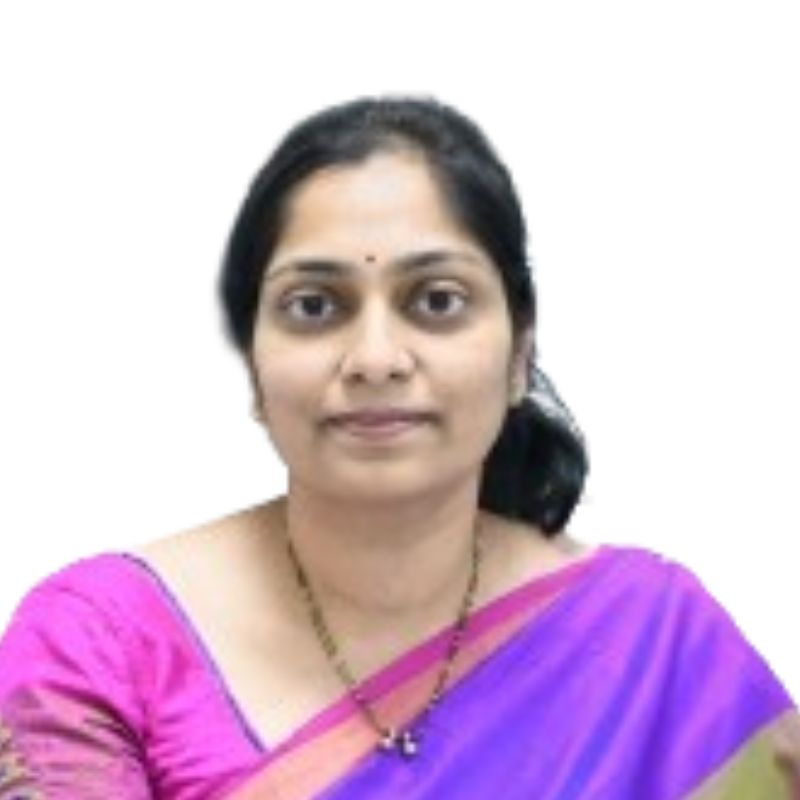
Dr. Bhavana K
Senior Consultant –Obstetrics and Gynecology
English,Hindi,Telugu Secunderabad, Kompally Clinic
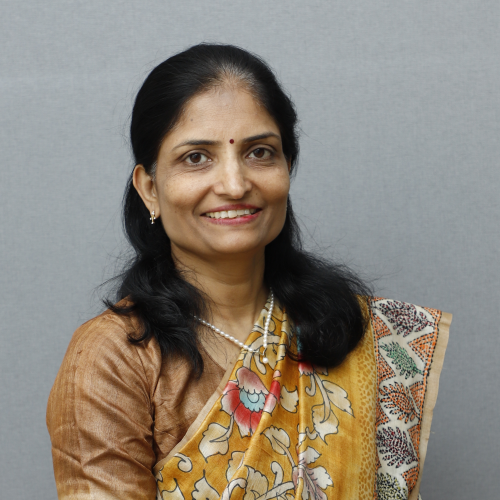
Dr. Bharati Kamoji
Senior Consultant in Obstetrics & Gynecology & Advanced Laparoscopic and Robotic Gynecological Surgeon
31 Years English,Hindi,Kannada,Marathi Hebbal
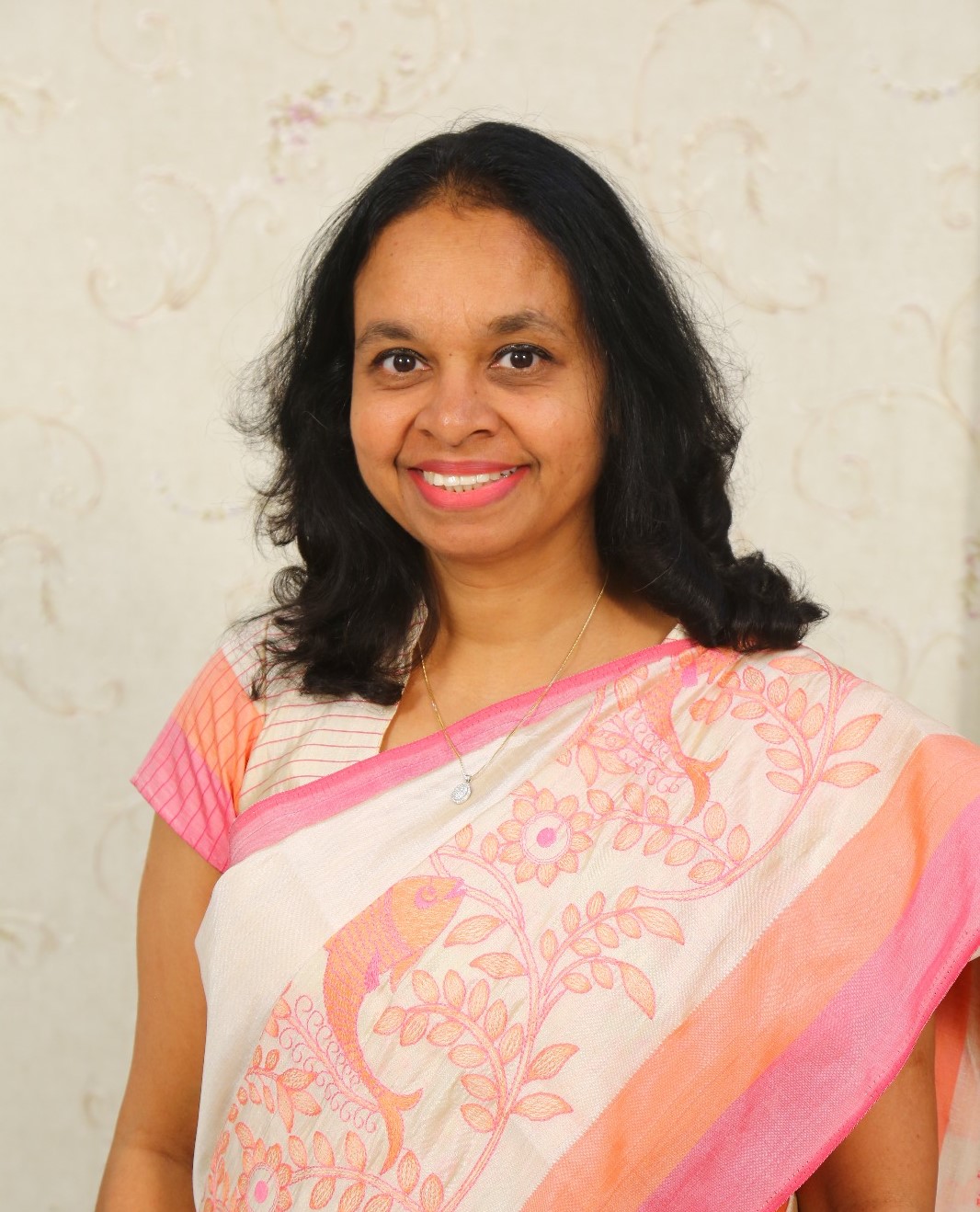
Dr. Chuppana Raga Sudha
Sr. Consultant Obstetrician and Gynecologist
25 Years English,Hindi,Telugu Health City, Kailash Metta
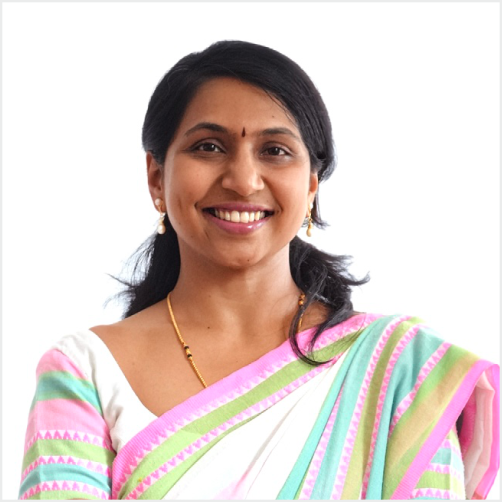
Dr. Chaitra Gowda K N
Senior Consultant – Obstetrics & Gynecology
17 Years English,Hindi,Kannada,Malayalam,Tamil,Telugu Sarjapur Road
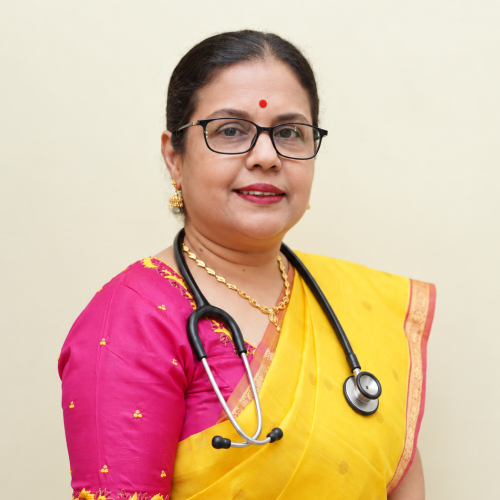
Dr. D. Sangeeta Gomes
HOD & Senior Consultant – Obstetrician, Gynecologist and Fertility Specialist
30 Years Bengali,English,Hindi,Kannada,Odia,Tamil,Telugu,Urdu Electronic City
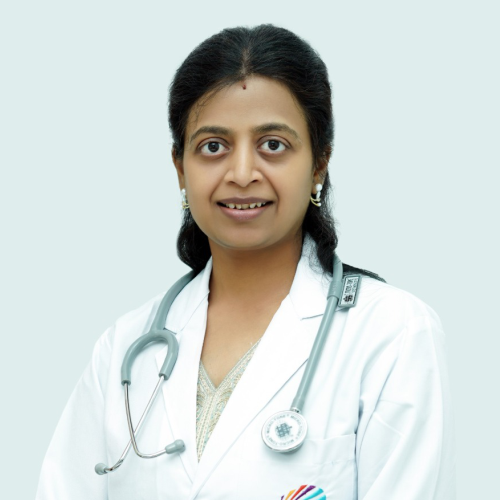
Dr. Dhivya R
Senior Consultant – Obstetrician & Gynecologist and Laparoscopic Surgeon
20 Years English,Hindi,Kannada,Tamil,Telugu Electronic City
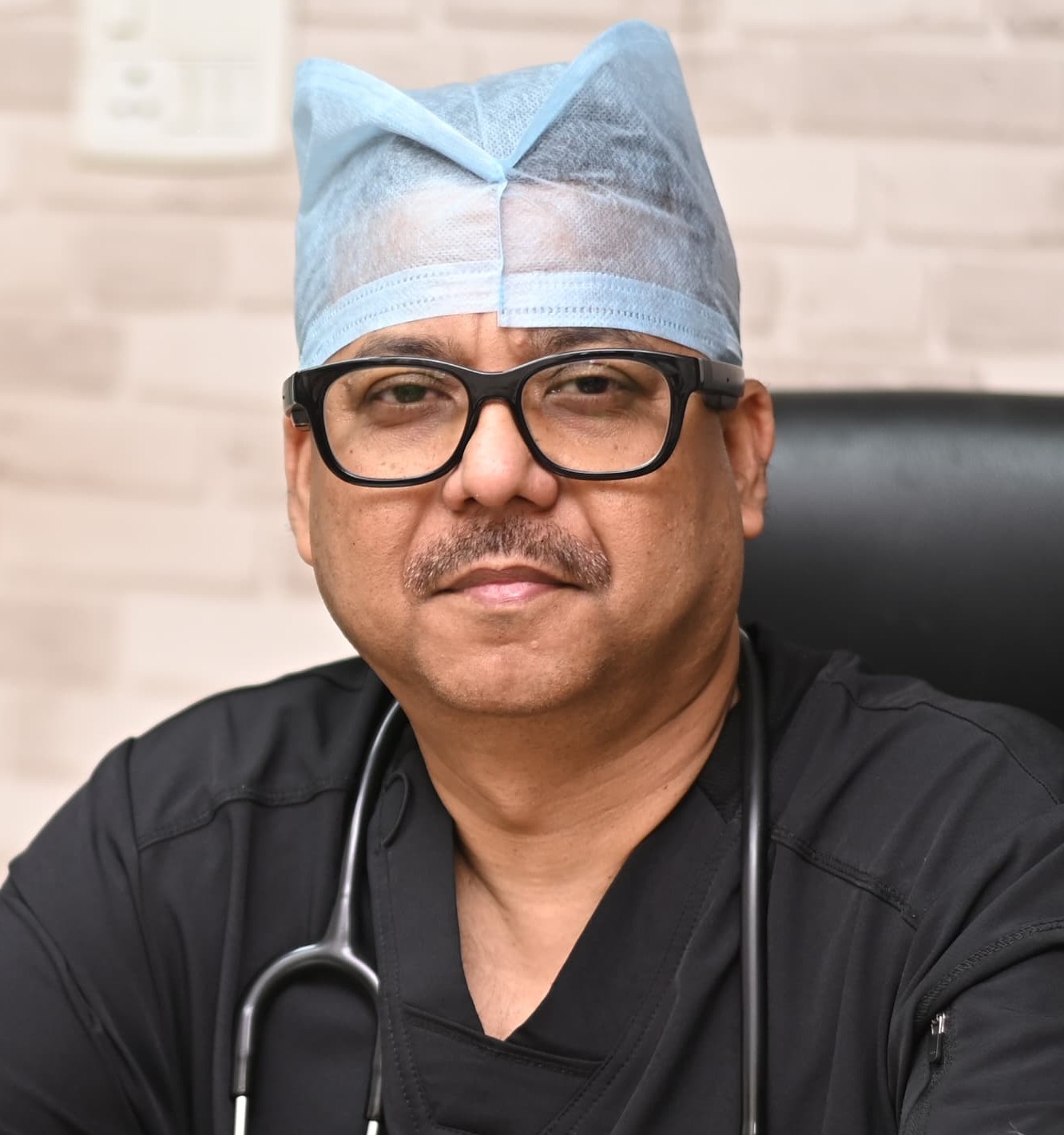
Dr. Diganta Chetia
Senior Consultant - Dept of Obs and Gynae - Advance Laparascopy IVF and Infertility
21 Years Assamese,Bengali,English,Hindi Guwahati
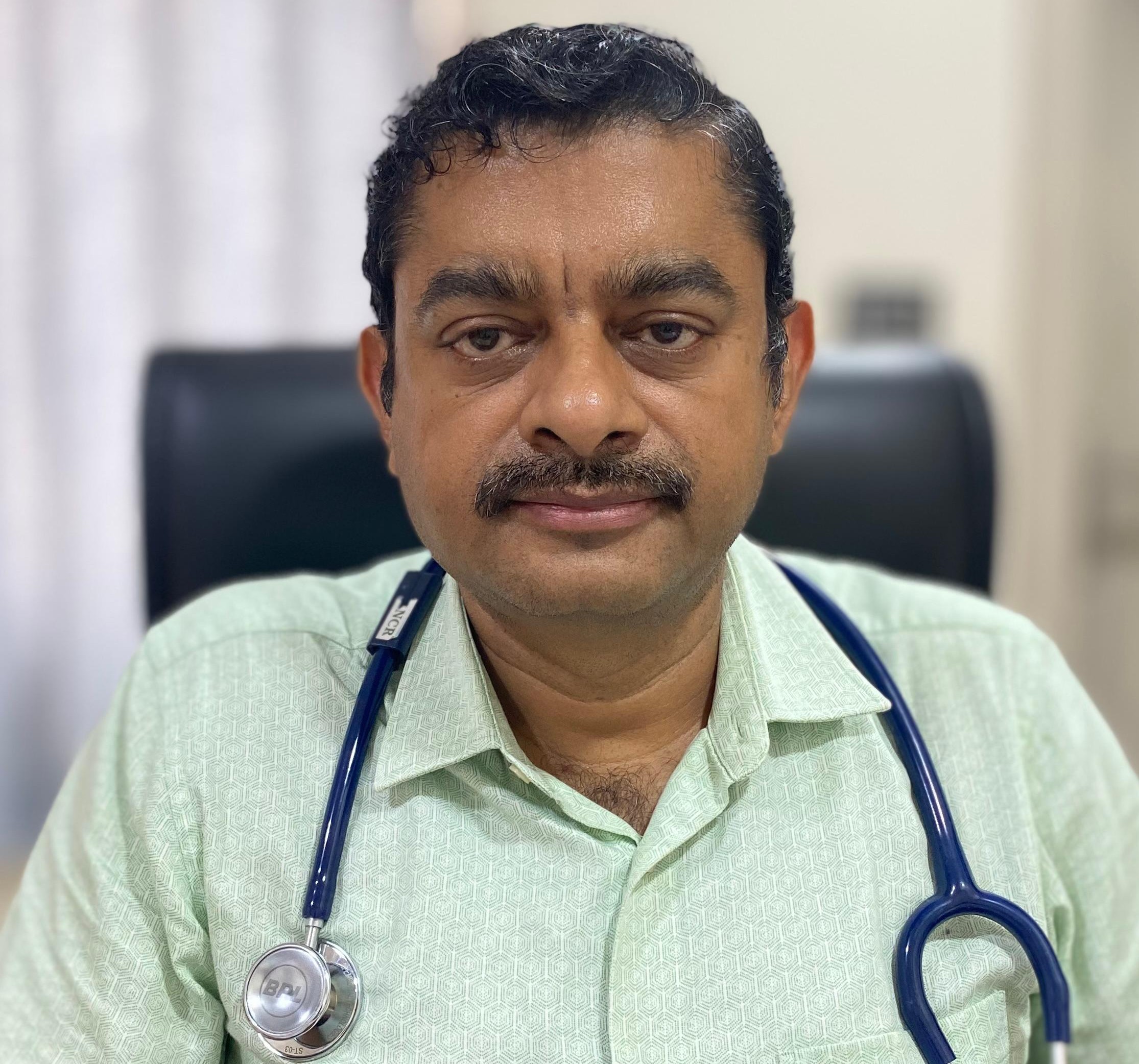
Dr. Diganta Deka
Senior Consultant
25 Years Assamese,Bengali,English,Hindi Guwahati
Dr. G. Vijaya Lakshmi
Consultant, Obstetrics and Gyneacology
43 Years English,Hindi,Tamil,Telugu Himayatnagar

Dr. Himabindu Veerla
Consultant Obstetrician, Gynecologist & Laparoscopic Surgeon
English,Telugu Banjara Hills
Dr. Indira Rani Y
Consultant - Obstetrics and Gynecology
32+ Years English,Hindi,Telugu Himayatnagar
Dr. Kirti Reddy Patlolla
Consultant Obstetrics and Gynaecology
English,Telugu Banjara Hills, Attapur Clinic
Dr. Kavitha Lakshmi Easwaran
Senior Consultant – Obstetrics & Gynecology and Infertility
28 Years English,Hindi,Kannada,Malayalam,Tamil,Telugu HRBR
Dr. Lakshmi Kiran S
Consultant - Obstetrics and Gynecology
English,Hindi,Telugu Kondapur OP
Dr. Lucetta Amelia Dias
Consultant - Obstetrics and Gynecology
6 Years English,Hindi,Tamil Guindy

Dr. M Prathyusha Reddy
Consultant Obstetrics & Gynecology
English,Telugu Banjara Hills
Dr. M V R Shailaja
Consultant Obstetrician and Gynecologist
17 Years English,Hindi,Odia,Telugu Health City, Kailash Metta
Dr. Mathangi Rajagopalan
Senior Consultant – Obstetrics and Gynecology
23 Years English,Tamil Guindy
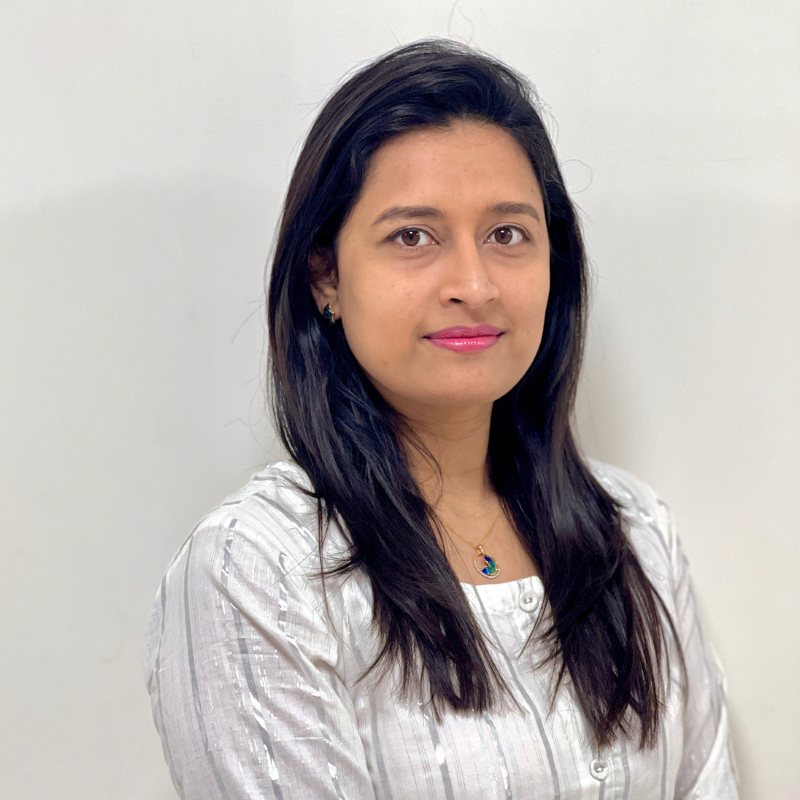
Dr. Madhumita Aniruddha Gitay
Consultant - Obstetrics and Gynecology
English,Telugu Secunderabad, Kompally Clinic
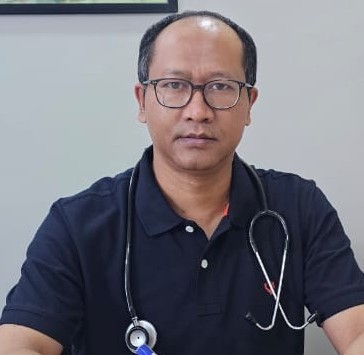
Dr. Madhurjya Bikash Gogoi
Consultant - Obstetrics & Gynecology
22 Years Assamese,Bengali,English,Hindi Guwahati
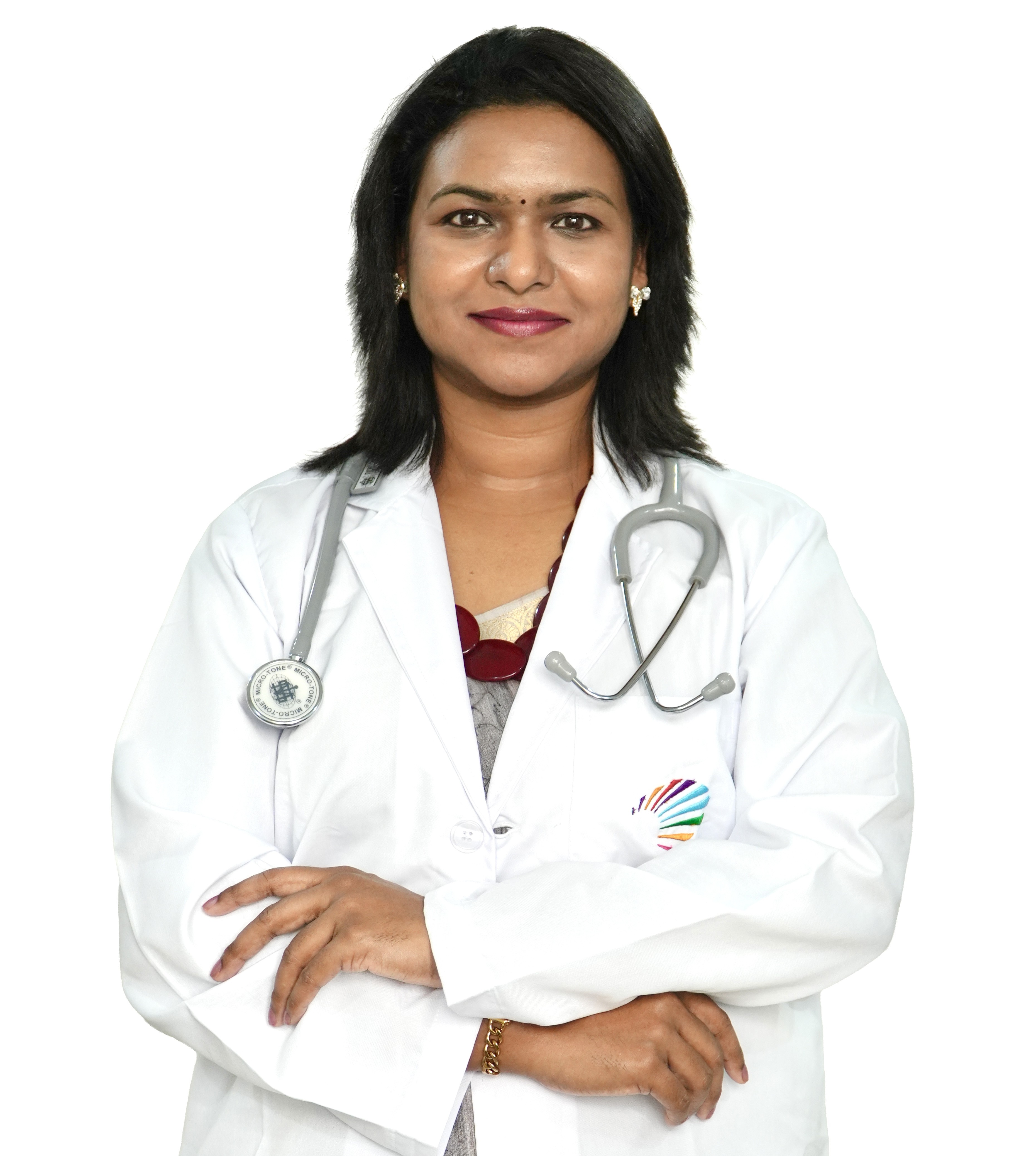
Dr. Mahalakshmi Pendurthi
Consultant - Obstetrician & Gynecologist, Laparoscopic & Robotic Surgeon
9 Years English,Hindi,Kannada,Tamil,Telugu Electronic City
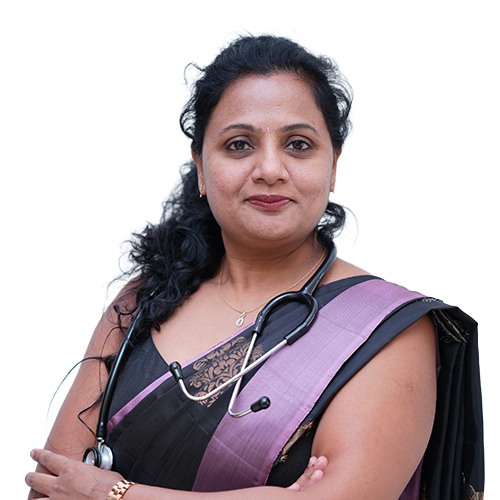
Dr. Manjula Deepak
Lead Consultant – Obstetrics & Gynecology
20 Years English,Hindi,Kannada,Malayalam,Tamil,Telugu HRBR
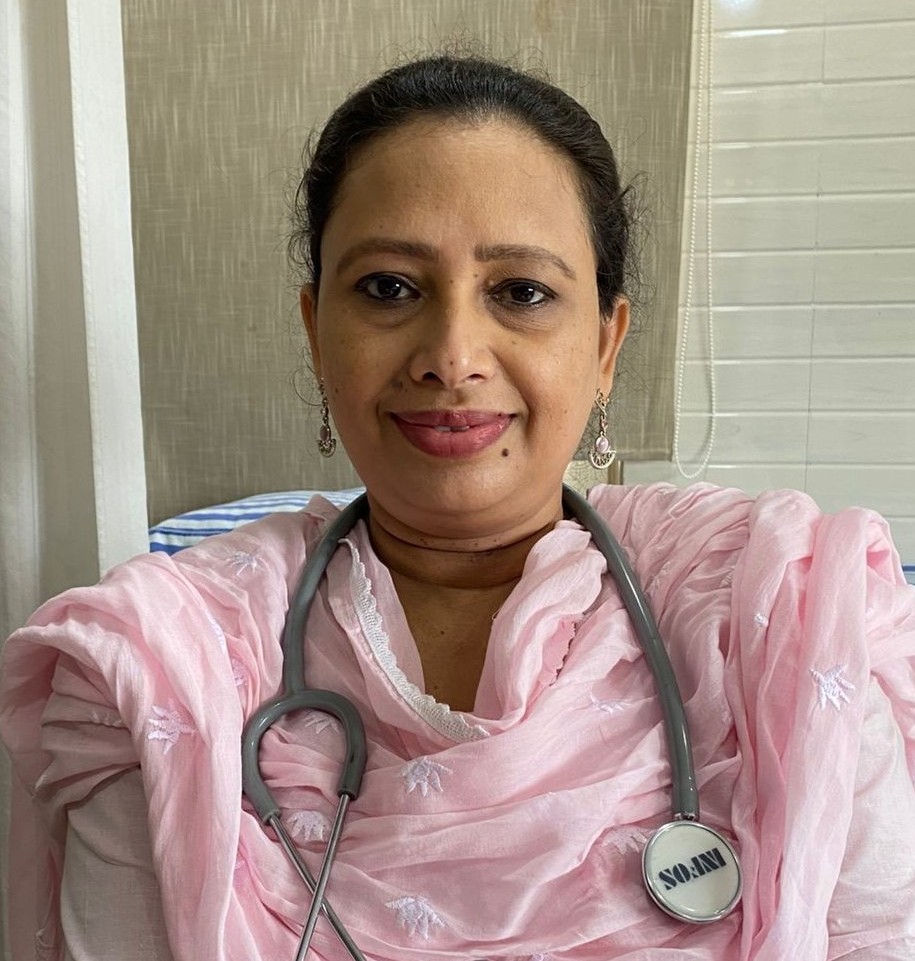
Dr. Mustafiza Yasmin
Consultant - Obstetrics, Gynecology and Laparoscopic surgeon
15 Years Assamese,English Guwahati
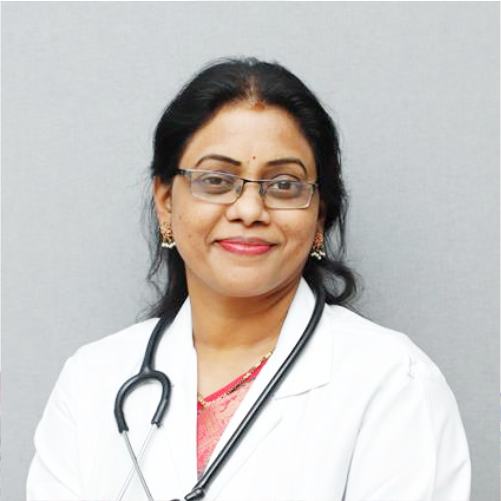
Dr. Mutya Latha Koppula
Senior Consultant – Obstetrics & Gynaecology | Laparoscopic Surgeon
23 Years English,Hindi,Kannada,Telugu Hebbal
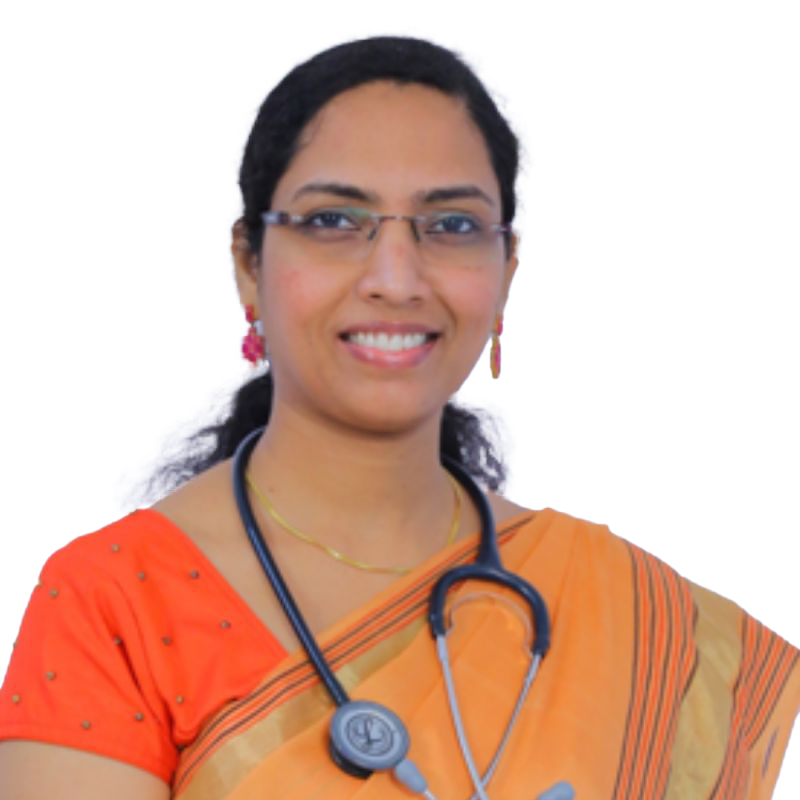
Dr. Niharika Allu
Consultant Gynecologist
19 Years English,Hindi,Tamil,Telugu Health City, Kailash Metta
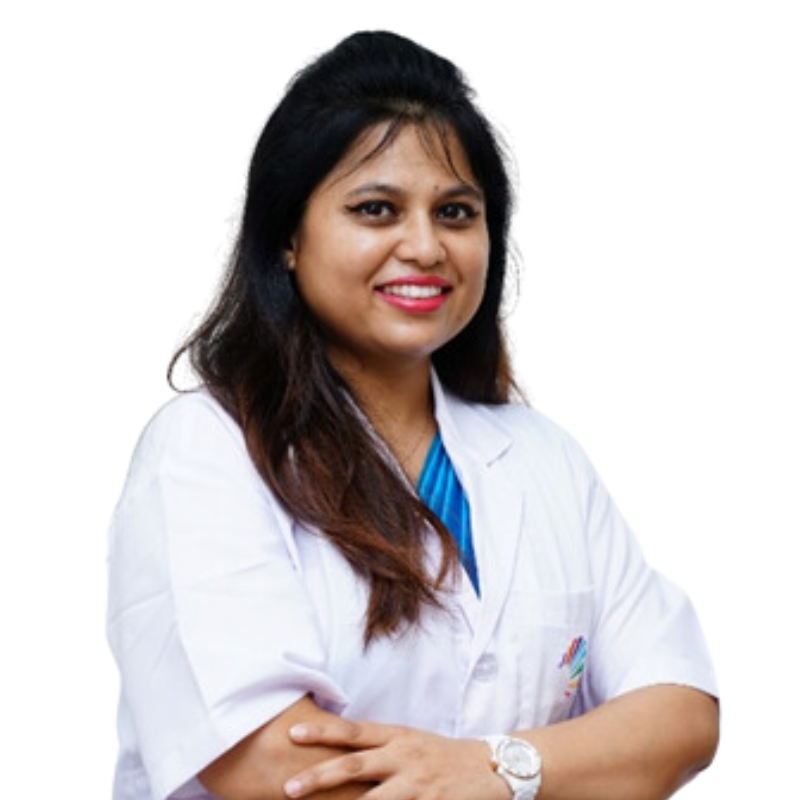
Dr. Nikita Maan Singh
Consultant - Obstetrics, Gynaecology ,Laparoscopic surgery & Infertility
10+ Years English,Hindi,Marathi Marathahalli

Dr. Nishitha Peddininti
Consultant - Obstetrician, Gynecologist, Laparoscopic Surgeon & Fertility Specialist
12 Years English,Hindi,Telugu Kondapur OP, Kokapet
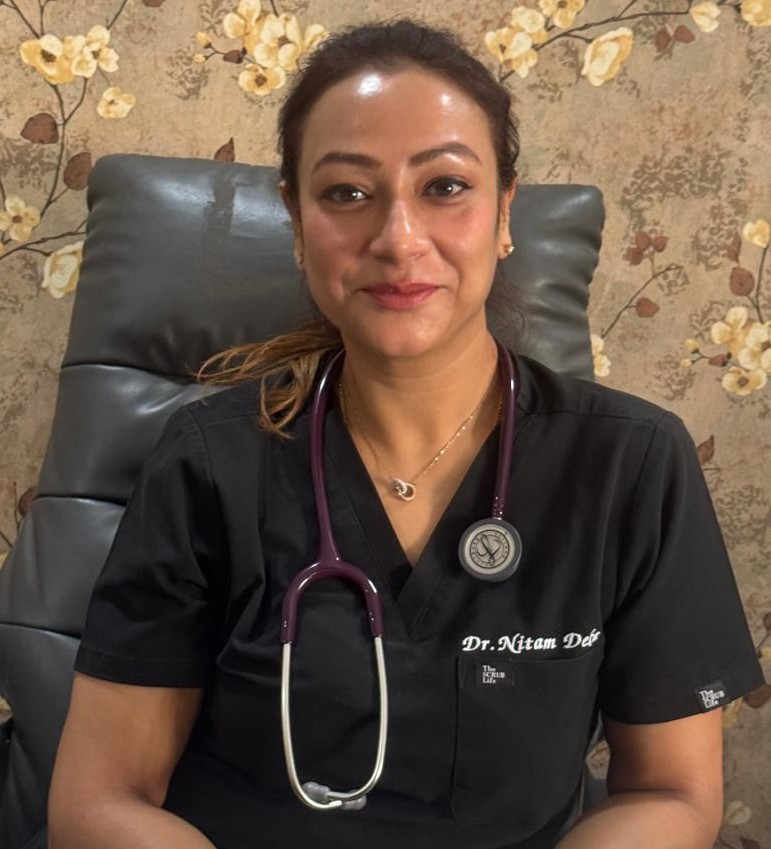
Dr. Nitam Deka
Consultant - Obstetrics, Gynecology, Laparoscopic surgeon and Infertility Specialist
12 Years Assamese,English,Hindi,Kannada Guwahati
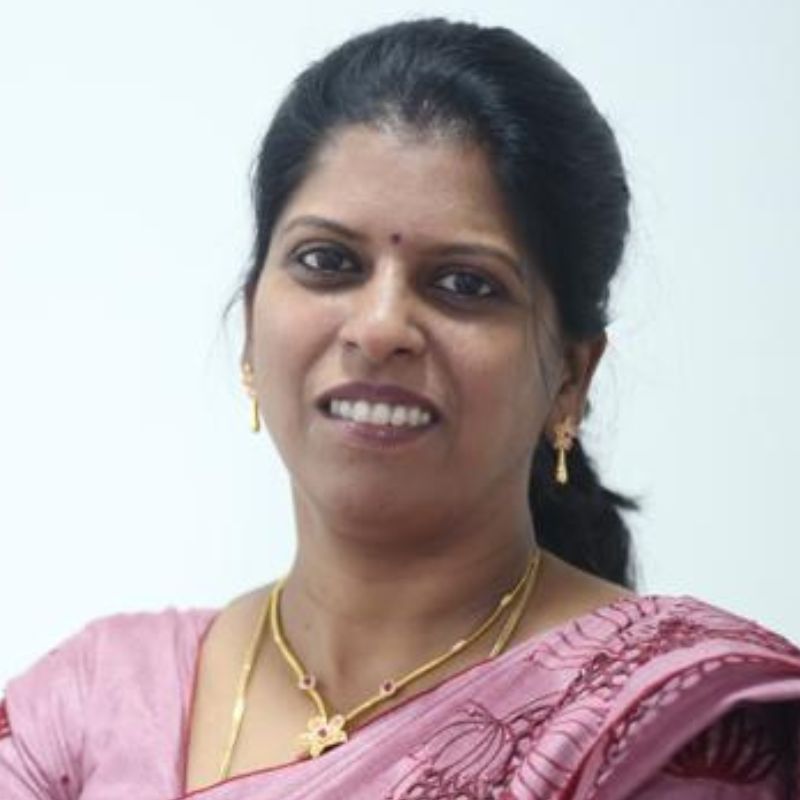
Dr. Priyadharshini S M
Senior Consultant – Obstetrics And Gynecology
15+ Years English,Tamil,Hindi Guindy
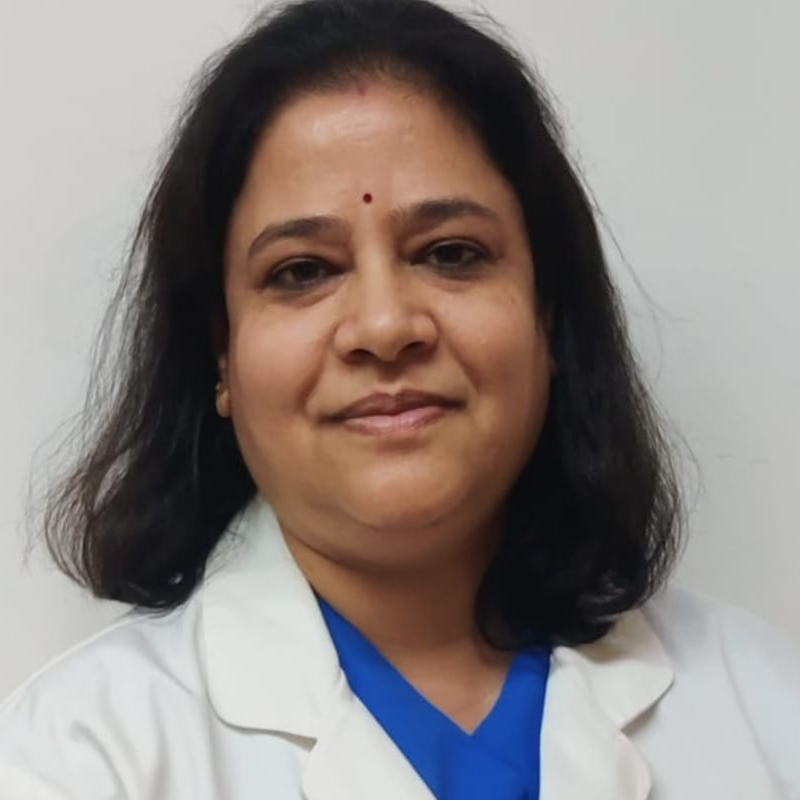
Dr. Pooja Rana
Consultant Gynaecologist and Obstetrics
English Panchsheel Park - Rosewalk
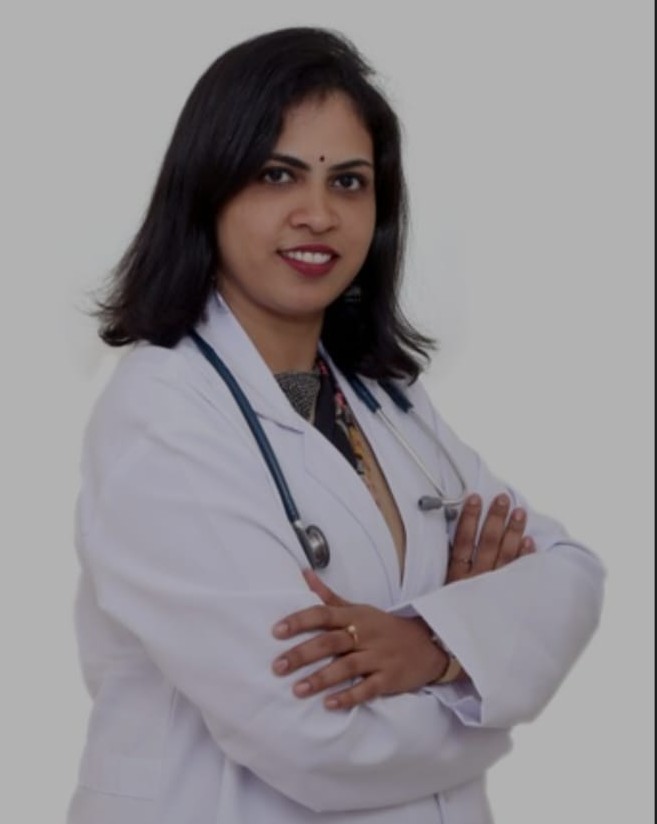
Dr. Poornima M
Senior Consultant Obstetrics & Gynecology
15 Years English,Hindi,Kannada,Tamil,Telugu Marathahalli

Dr. Rajani Kumari
Consultant - Obstetrics and Gynecology
English,Telugu Himayatnagar

Dr. Ramesh S M
Consultant - Laparoscopic Surgeon
Kannada,English,Hindi Bannerghatta
Dr. Santhi Antharvedi
Consultant - Obstetrics & Gynecology
17 Years English,Hindi,Telugu Himayatnagar
Dr. Sirisha Reddy Koppula
Senior Consultant –Obstetrics and Gynecology
12 Years English,Hindi,Telugu Secunderabad, Kompally Clinic
Dr. Sneha Maddukuri
CONSULTANT
10 Years English,Hindi,Telugu Currency Nagar, Governorpet
Dr. Sheela M
Senior Consultant – Obstetrician, Gynecologist & Laparoscopic Surgeon
15 Years English,Hindi,Kannada,Tamil Guindy
Dr. Shikha Bathwal
Consultant - Gynecologist, Infertility Specialist and Laparoscopic Surgeon
10 Years Assamese,English Guwahati
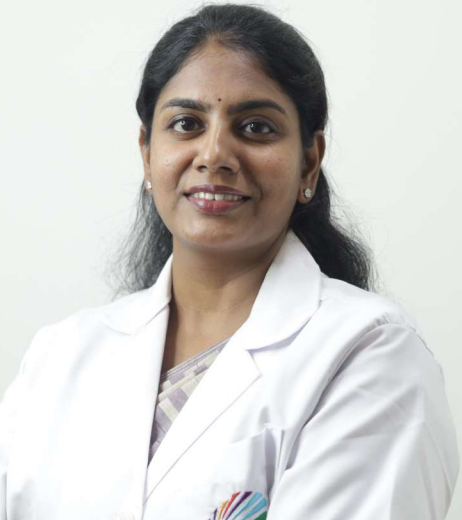
Dr. Suganya Chandrasekaran
Junior Consultant - Obstetrics & Gynecology
9+ Years English,Hindi,Kannada,Tamil Marathahalli
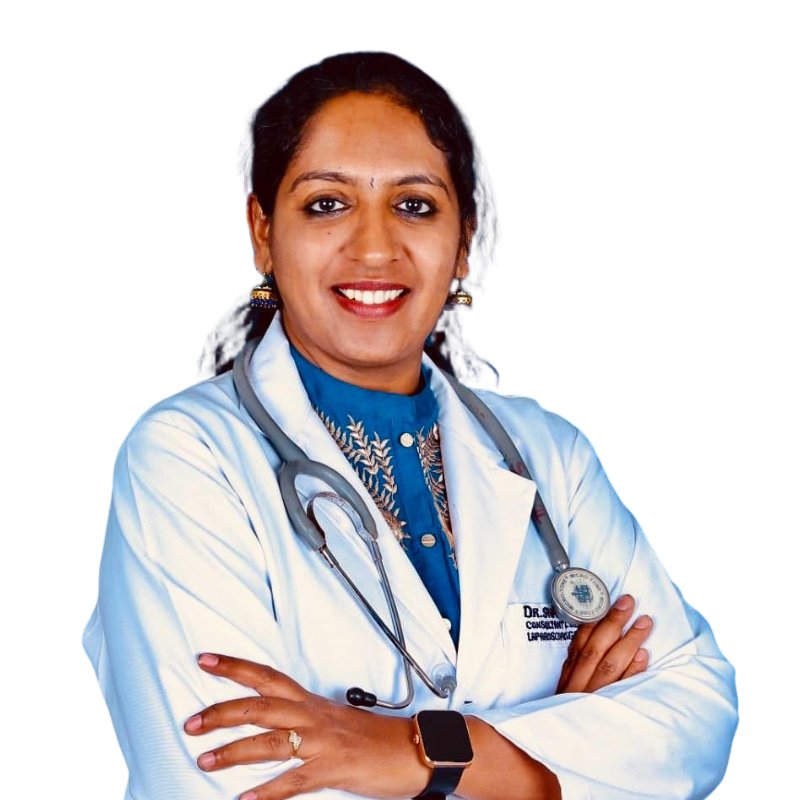
Dr. Swathi H V
Consultant Obstetrician and Gynecologist, Laparoscopic Surgeon
English Himayatnagar
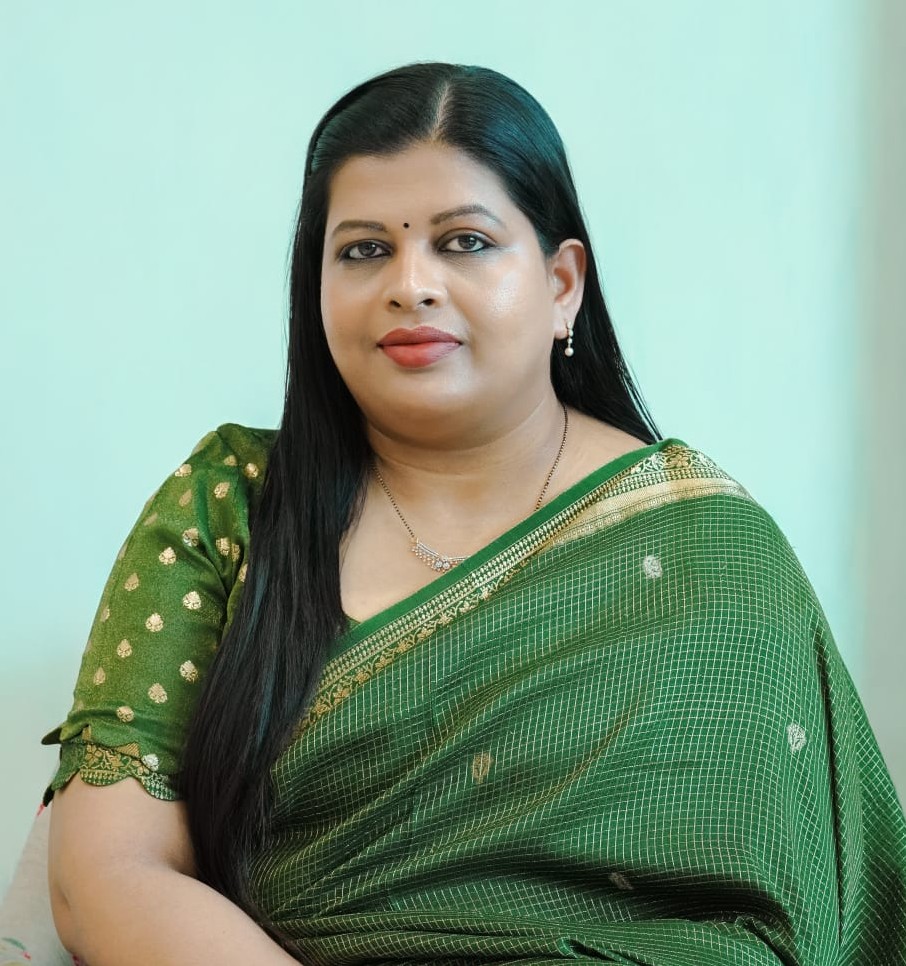
Dr. Swathi Thaduri
Consultant - Obstetrician & Gynecologist
11 Years English,Hindi,Telugu Financial District, Kokapet
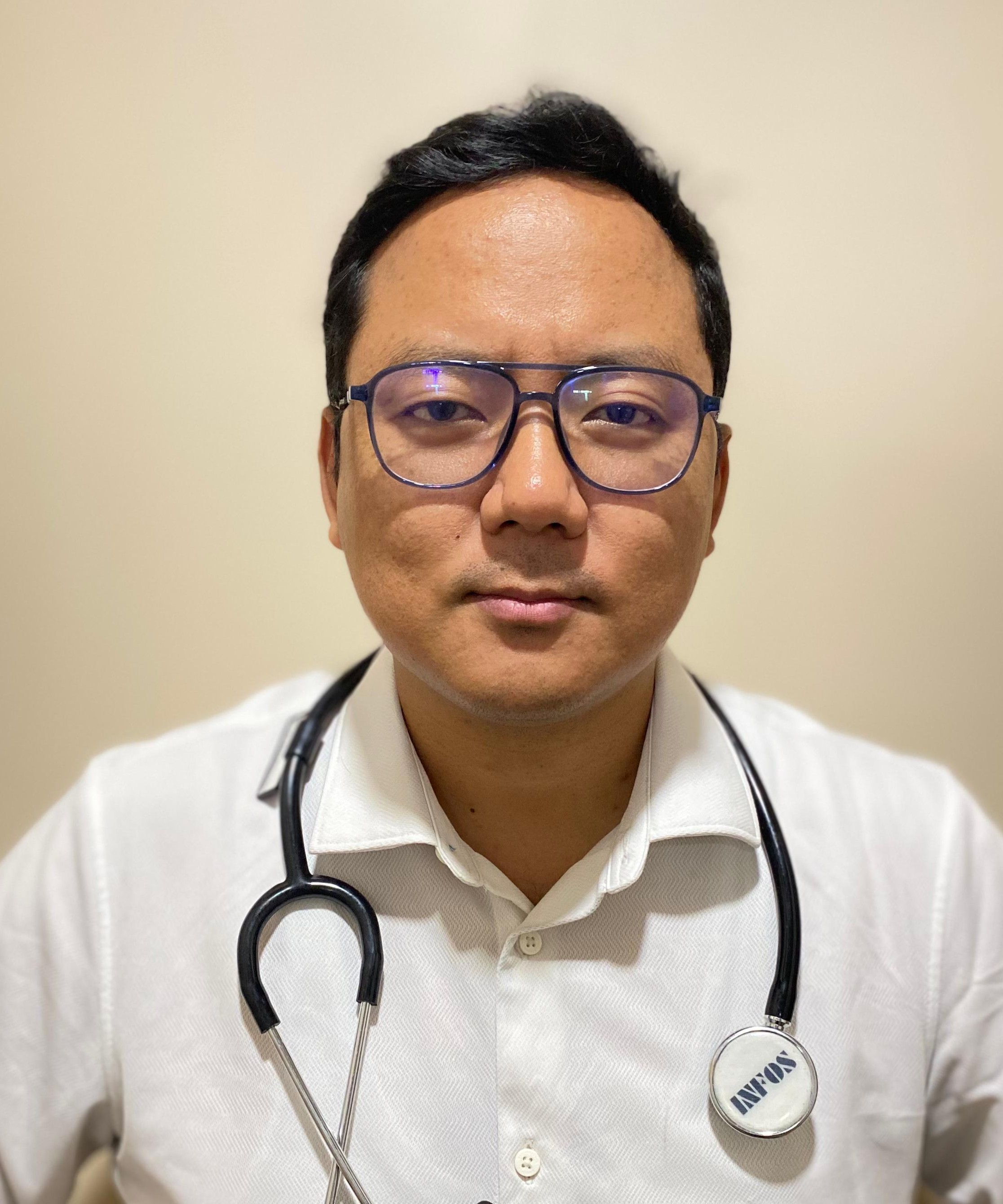
Dr. Tsering Wangdi
Consultant - Obstetrics, Gynecology & Laparoscopic Surgeon
18 Years Assamese,English Guwahati
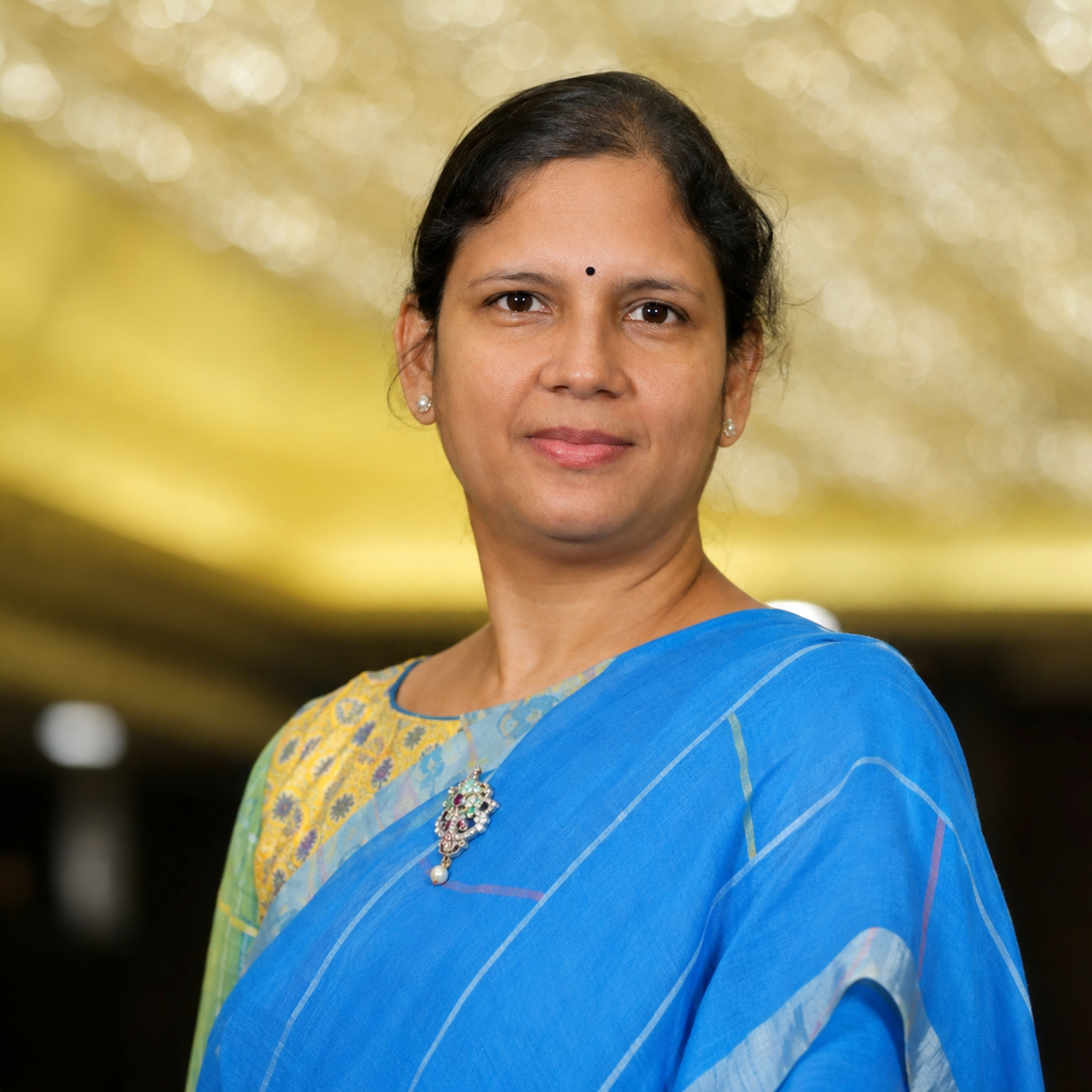
Dr. Uma Mikkilineni
consultant
25 Years English,Hindi,Telugu Currency Nagar, Governorpet
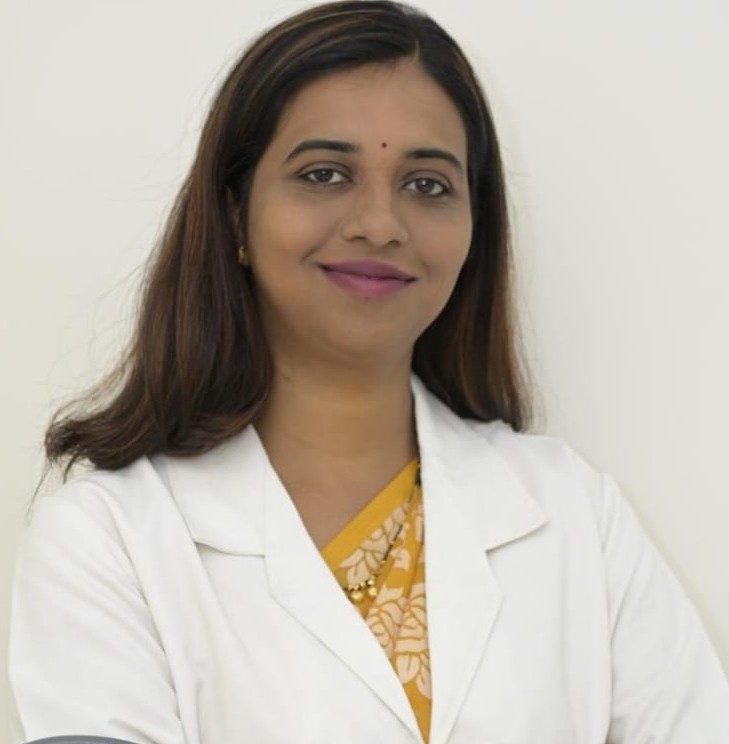
Dr. Vyshali H R
Consultant - Obstetrics & Gynecology
7 Years English,Hindi,Kannada,Malayalam Hebbal

Dr. Yasmin Imdad
Senior Consultant - Obstetrics & Gynecology
25 Years Assamese,English,Hindi,Kannada MarathahalliOur Hospitals and ClinicsOur Hospitals and Clinics
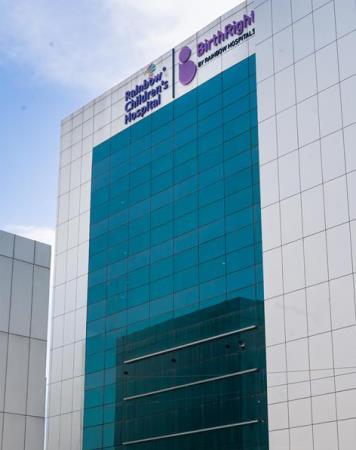
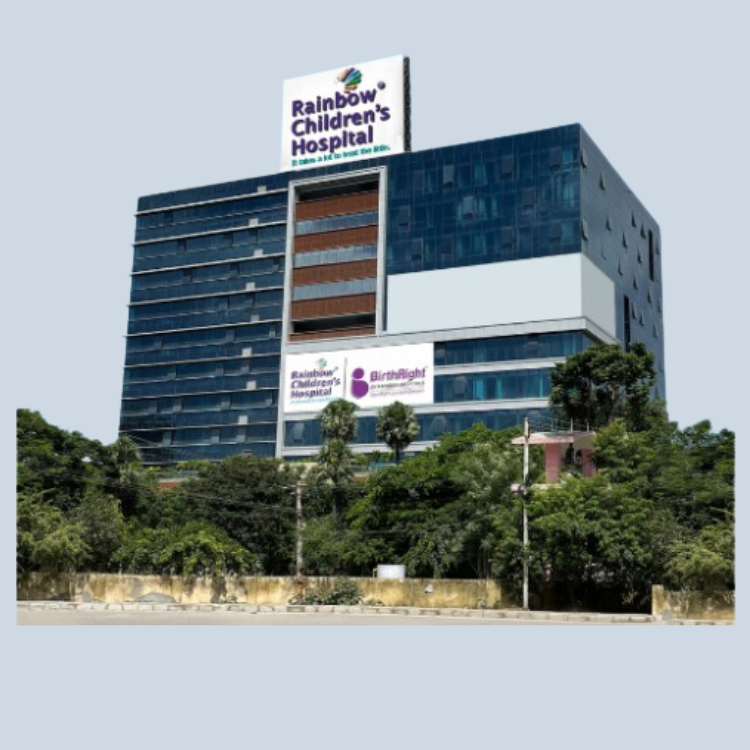
Rainbow Children's Hospital stands as a testament to the hospital's continual pursuit of excellence and innovation, providing specialized care for women and children.









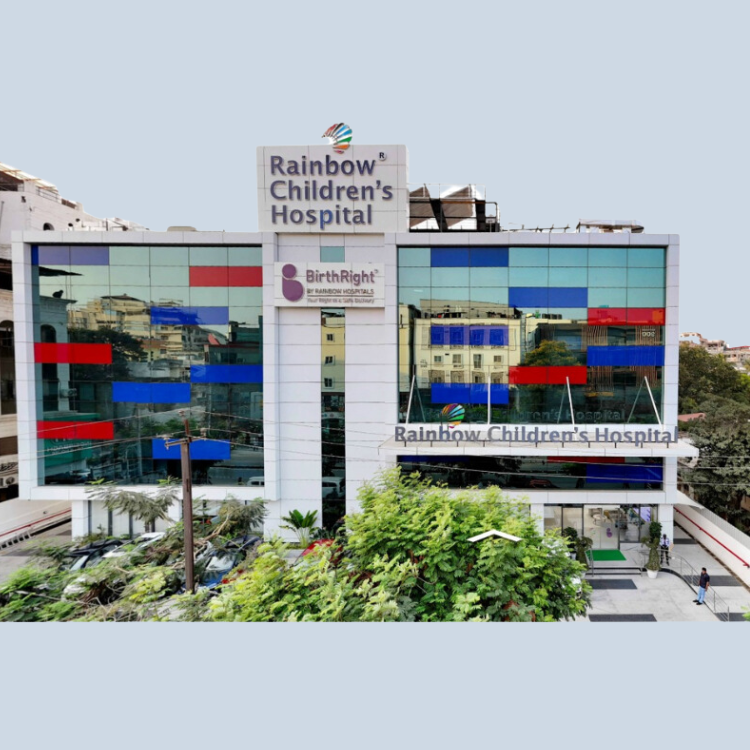
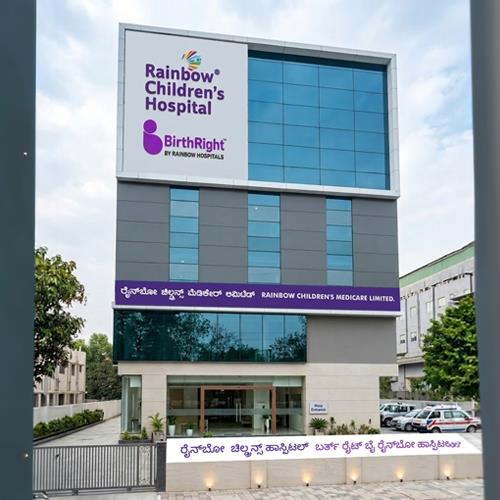


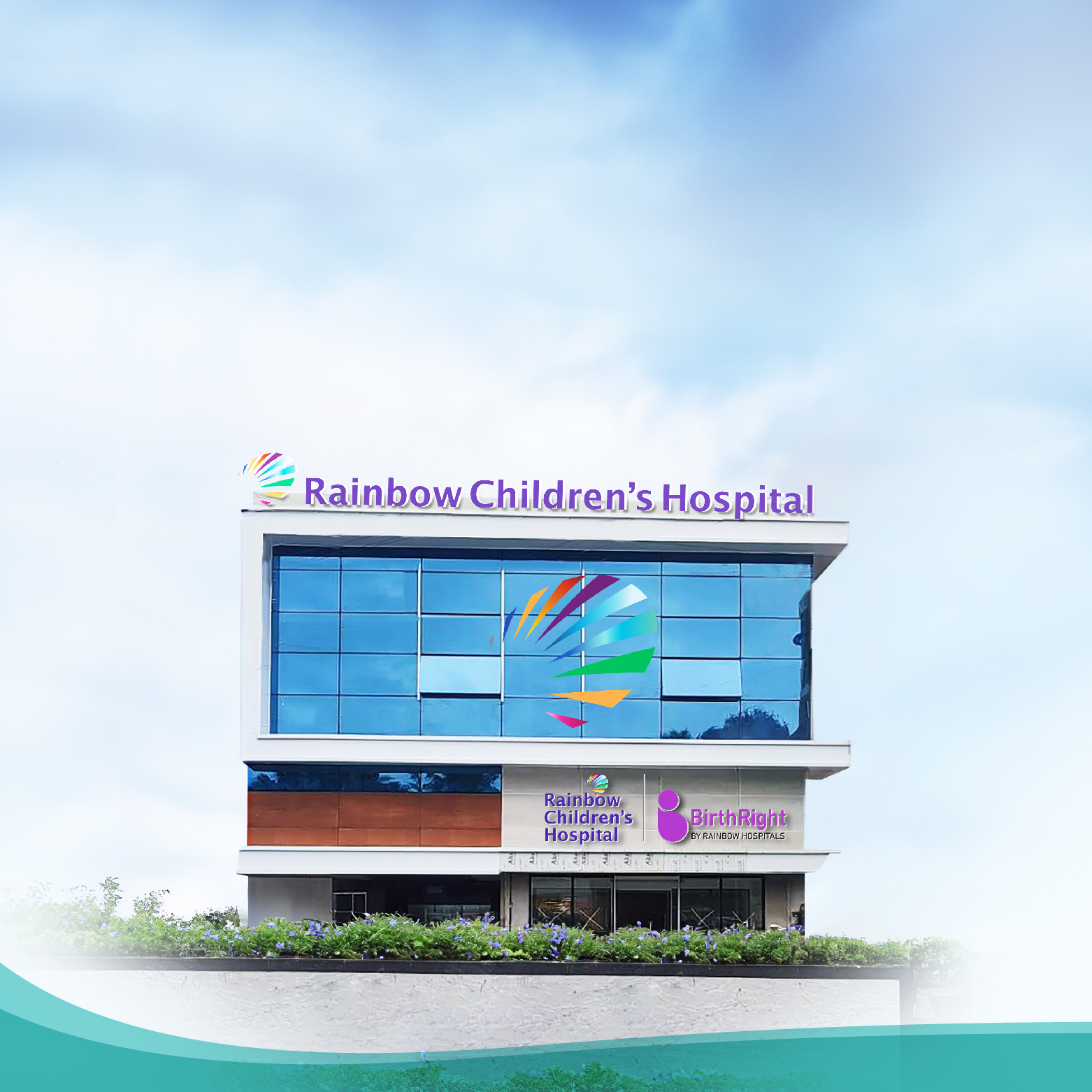

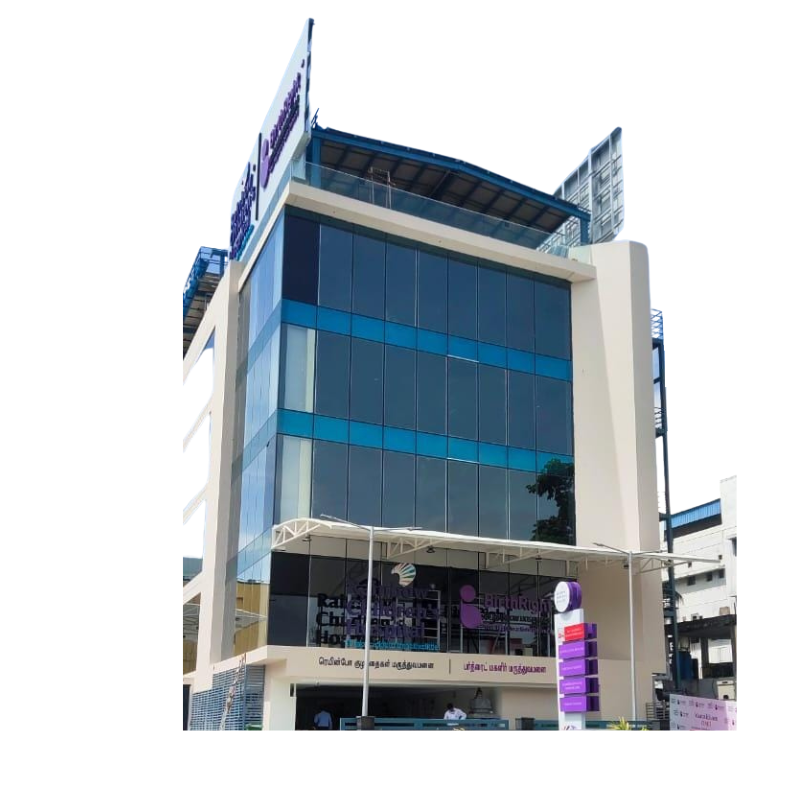
Request a Call back
Tap to Fill FormRequest a Call back
Blogs
Discover our most recent health articles provided by our reliable experts.

What Are People Saying About Us
Embark on a journey of inspiration and hope with our patient success stories, complemented by informative videos from our dedicated doctors.



Media
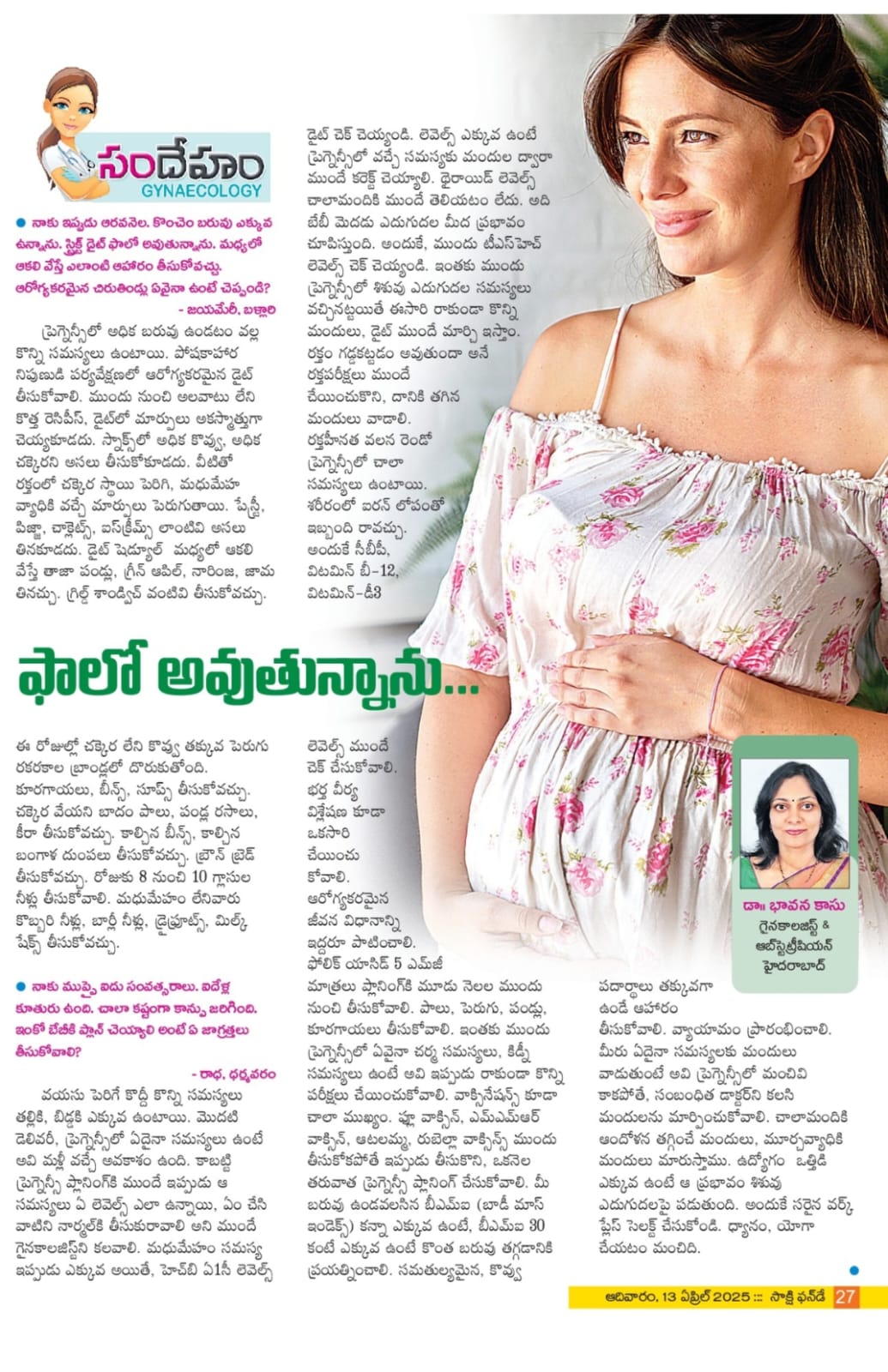 Follicular growth and ovulation in women trying to conceive - Dr.Bhavana Sasu
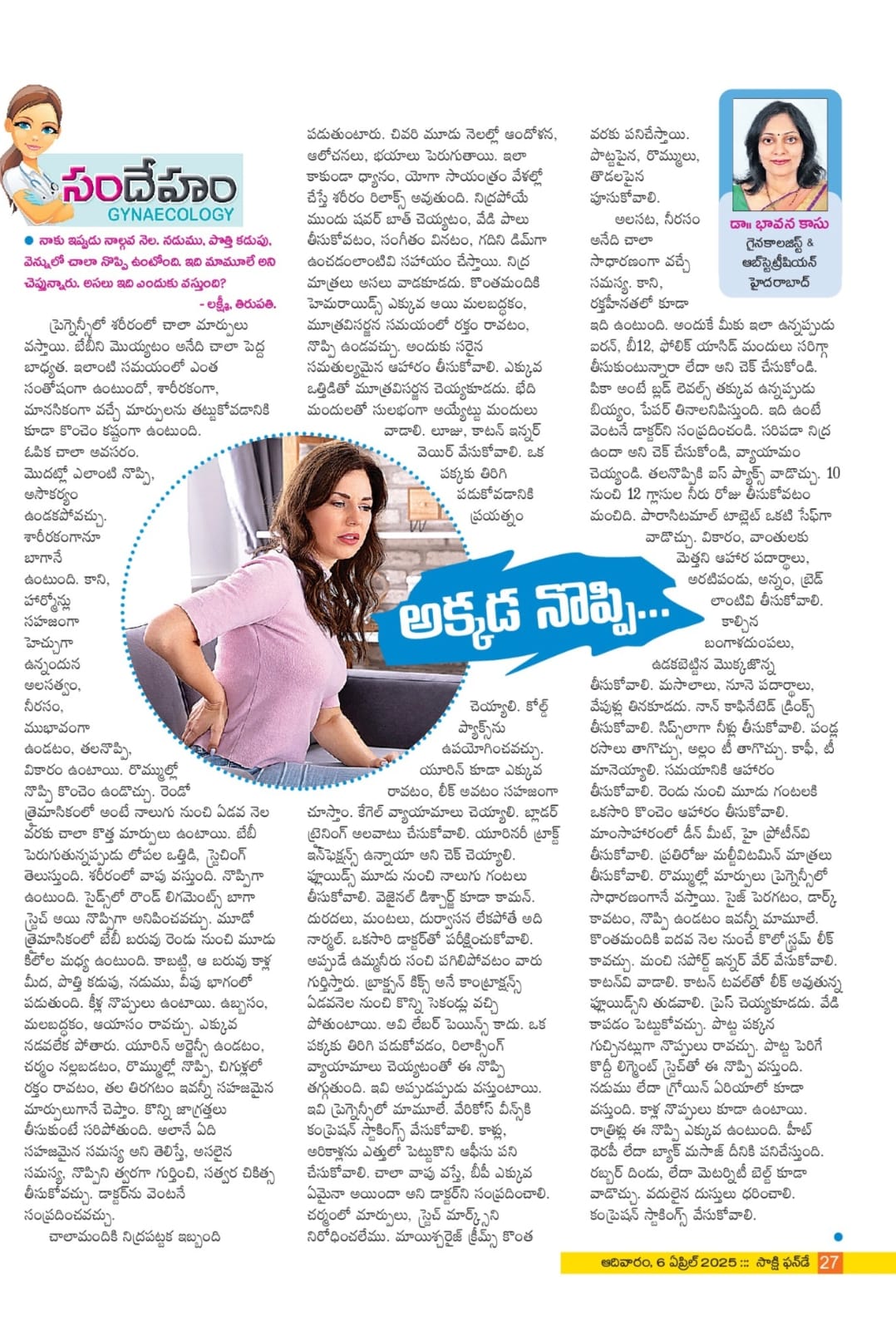 Stomach pain tips- Dr. Bhavana Kasu
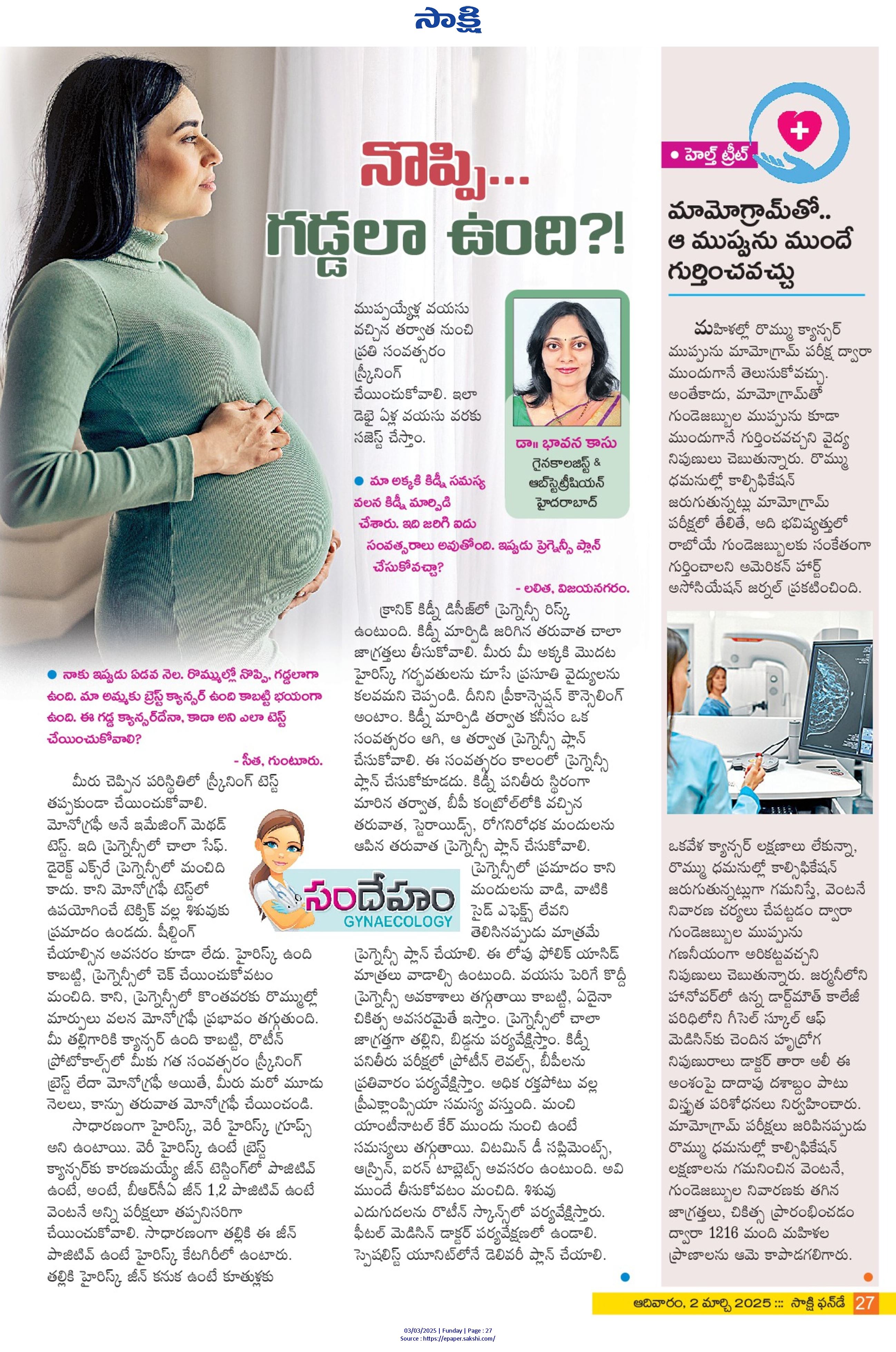 Dr.Bhavana Kasu Counselling Column
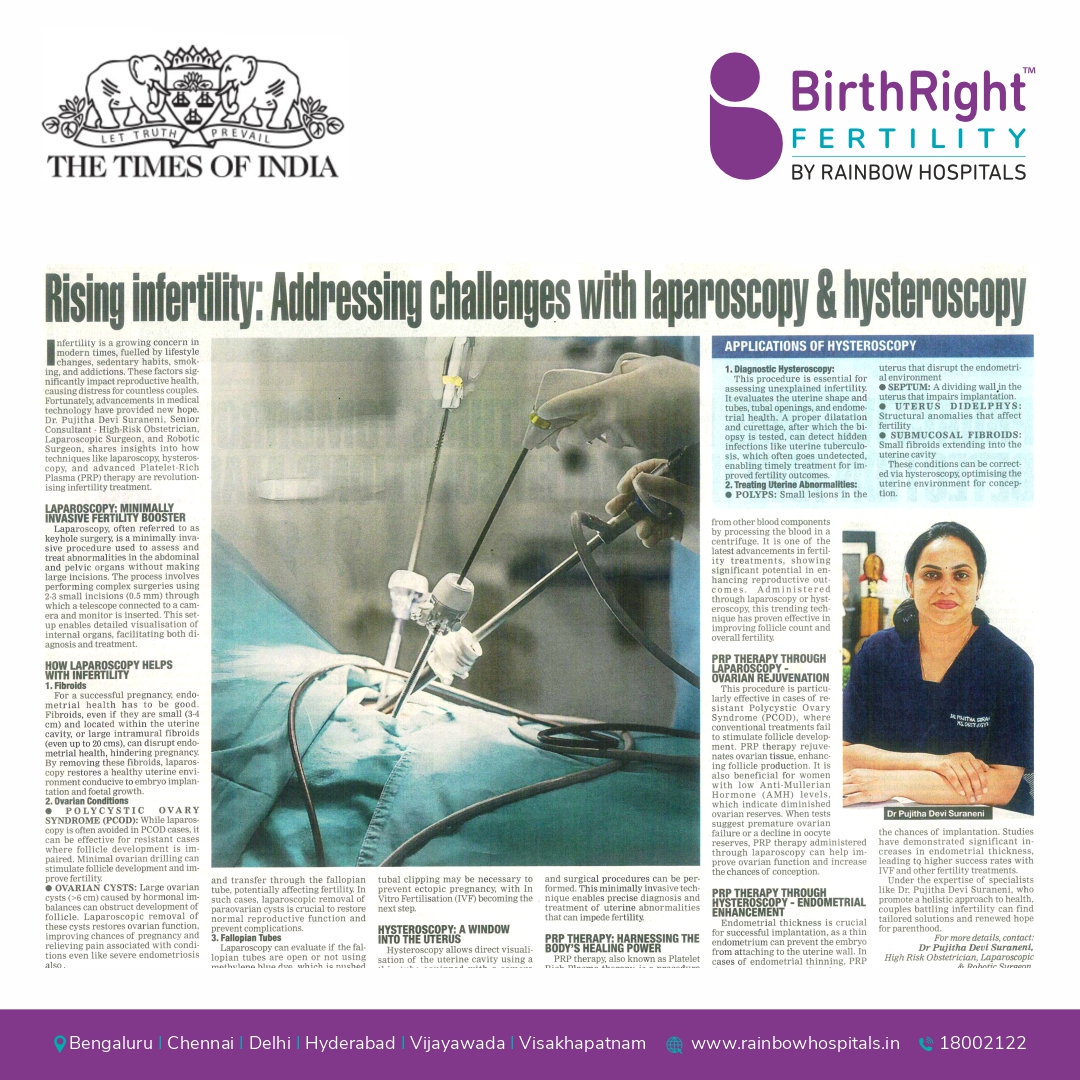 Rising infertility: Addressing Challenges with Laparoscopy & Hysteroscopy
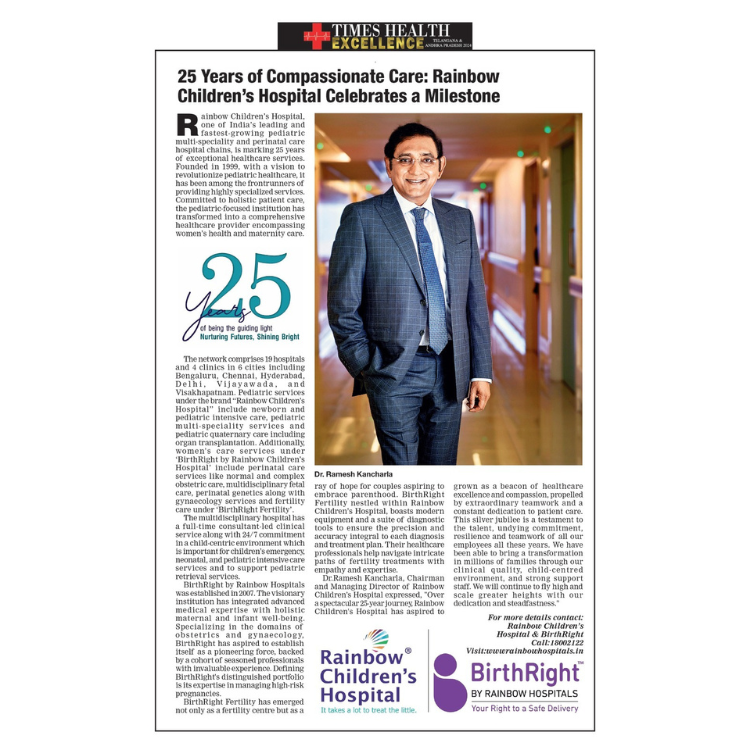 25 Years of Compassionate Care
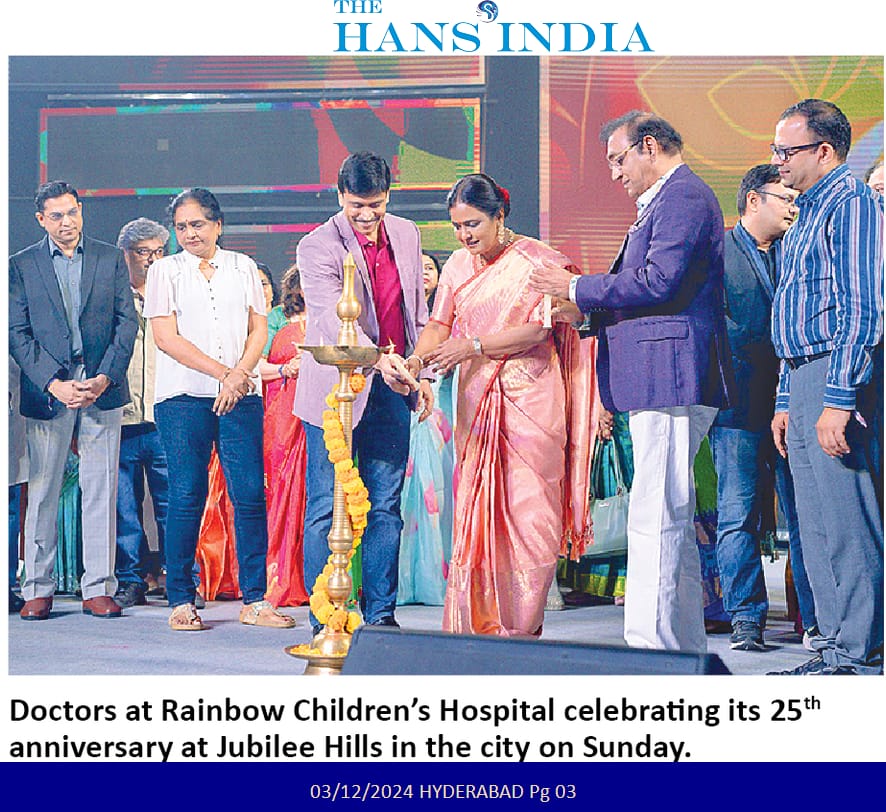 25 Years of Anniversary - Rainbow Children's Hospital & BirthRight
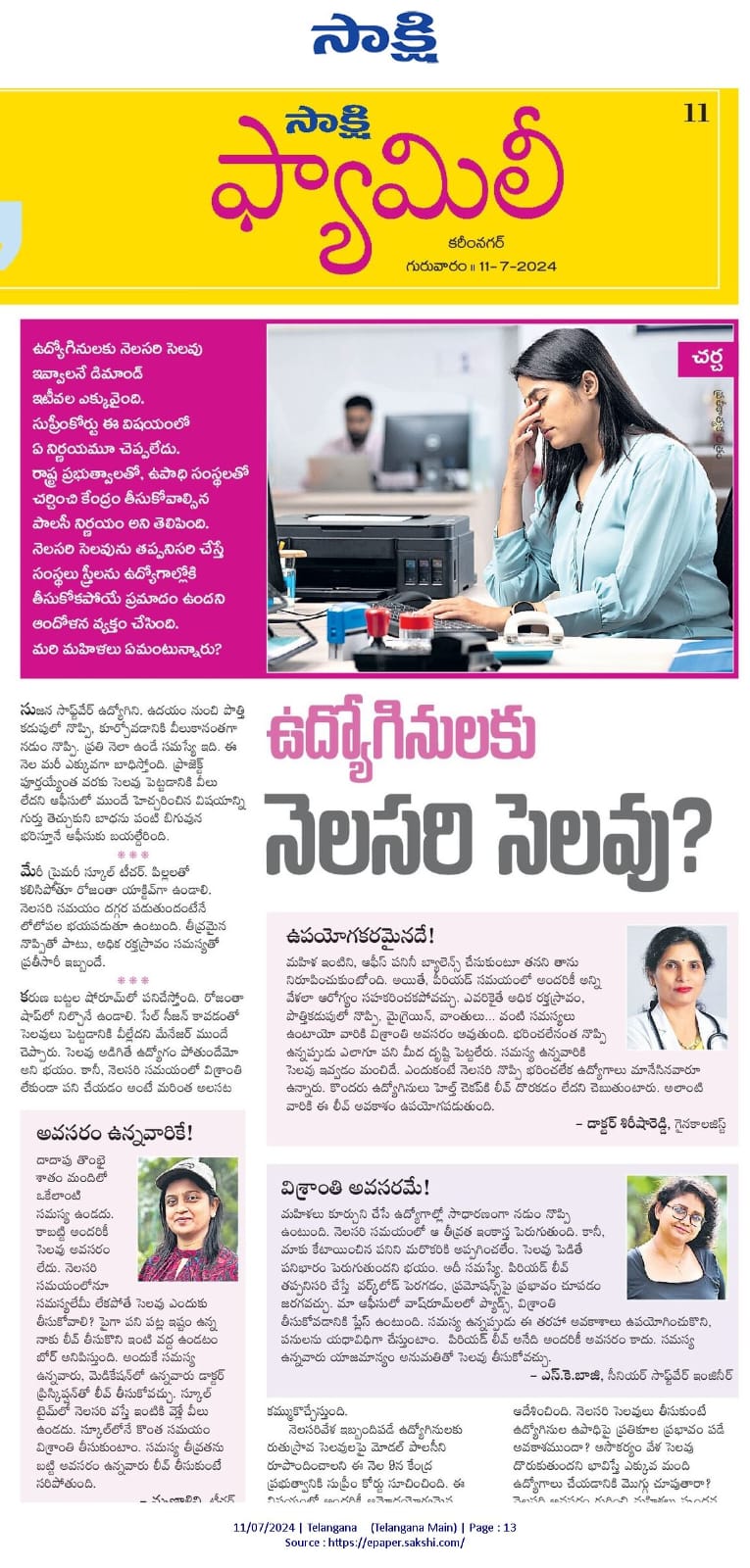 Menstrual leave for female workers
 Complications of Gestational Diabetes During Pregnancy by Dr. Triveni Arun Akkiraju
 Postpartum Depression: Expert Lists Essential Foods Prevent Depression in New Mothers
 Here is all what you need to know about IVF, the popularly known fertility treatment
 Tips for planning a pregnancy
 Follicular growth and ovulation in women trying to conceive - Dr.Bhavana Sasu
 Stomach pain tips- Dr. Bhavana Kasu
 Dr.Bhavana Kasu Counselling Column
Quick Links
- India
- Hyderabad
- Bengaluru
- Delhi NCR
- Chennai
- Vijayawada
- Visakhapatnam
- Warangal
- Guwahati
- Rajahmundry
- Nellore
- Guntur
- Best Laparoscopic Gynecological Doctors In Hyderabad
- Best Laparoscopic Gynecological Doctors In Bangalore
- Best Laparoscopic Gynecological Doctors In Delhi
- Best Laparoscopic Gynecological Doctors In Chennai
- Best Laparoscopic Gynecological Doctors In Vijayawada
- Best Laparoscopic Gynecological Doctors In Vizag
- Best Laparoscopic Gynecological Doctors In Kondapur
- Best Laparoscopic Gynecological Doctors In Hyder Nagar
- Best Laparoscopic Gynecological Doctors In Secunderabad
- Best Laparoscopic Gynecological Doctors In Hebbal
- Best Laparoscopic Gynecological Doctors In Malviya Nagar
- Best Laparoscopic Gynecological Doctors In Panchsheel Park
- Best Laparoscopic Gynecological Doctors In Guindy
- Best Laparoscopic Gynecological Doctors In Currency Nagar
- Best Laparoscopic Gynecological Doctors In Governerpet
- Best Laparoscopic Gynecological Doctors In Health City
- Best Laparoscopic Gynecological Doctors In Kailash Metta
- Best Laparoscopic Gynecological Doctors In Banjarahills
- Best Laparoscopic Gynecological Doctors In Sholinganallur
- Top Laparoscopic Gynecological Doctors in India
- Top Laparoscopic Surgeon In India
- Best Gynae Laparoscopic Surgeon In India
- Gynae Laparoscopic Surgeon In India
- Top Gynae Laparoscopic Surgeon In India
- Famous Gynae Laparoscopic Surgeon In India
- Top Gynae Laparoscopic Surgeon In India Near Me
- Famous Gynae Laparoscopic Surgeon In India Near Me
- Best Gynae Laparoscopic Surgeon In India Near Me
- Gynae Laparoscopic Surgeon In India Near Me
- Laparoscopic Surgeon In India
- Best Laparoscopic Surgeon In India
- Famous Laparoscopic Surgeon In India
- Top Laparoscopic Surgeon In India Near Me
- Famous Laparoscopic Surgeon In India Near Me
- Best Laparoscopic Surgeon In India Near Me
- Laparoscopic Surgeon In India Near Me
- Top Laparoscopic Gynecological Doctors In Kondapur
- Laparoscopic Gynecological Doctors near me in Kondapur
- Laparoscopic Gynecological Doctors near me in Hyder Nagar
- Laparoscopic Gynecological Doctors near me in Banjarahills
- Best Treatment for Diagnostic laparoscopy in Children, Hyderabad
- Best Treatment for Diagnostic laparoscopy in Children, Bengaluru
- Best Treatment for Diagnostic laparoscopy in Children, Delhi
- Diagnostic laparoscopy in Children, Chennai
- Best Treatment for Diagnostic laparoscopy in Children, Vijayawada
- Best Treatment For Diagnostic laparoscopy in Children, Vizag
- Best Laparoscopic Surgeon at Sarjapur Road, Bengaluru
- Best Laparoscopic Surgeon at Himayatnagar, Hyderabad
- Best Laparoscopic Surgeon at Anna Nagar, Chennai
- Best Laparoscopic Surgery Hospital in Anna Nagar