



Categories
Foods to Improve Egg Quality: Clear, Causal, and Practical
Nov 28, 2025
What “egg quality” really means
Eggs are “good” when their chromosomes are correct and their energy systems work smoothly. Chromosome mistakes rise with age; nothing on your plate changes your birth date. However, each egg takes about three months to mature so the fuel, vitamins, and hormones in that window matter. Eat well for one full cycle in order to influence the conditions the next egg sees.The base pattern (meals, not miracles)
A Mediterranean-leaning routine works because it keeps glucose swings small and quiets background inflammation. Therefore, hormones signal more cleanly, and the lining tends to follow the calendar. Build most plates from:- Vegetables and fruits
- Beans/lentils and intact grains
- Nuts/seeds and olive or mustard oil
- Fish twice a week
- Sugary drinks and desserts
- Ultra-processed, deep-fried snacks
- Trans fats and frequent red/processed meat
Carbohydrates—keep the curve small
High-sugar meals cause fast spikes, so insulin surges, therefore cravings and energy crashes follow—along with jittery cycles in some people. Pair starch with protein and fat because it slows absorption; add lemon or vinegar to rice/potatoes in order to blunt the rise further. Keep starchy carbs to a fist-size at meals; fill the rest of the plate with vegetables and beans.Protein—enough, and mostly from plants
Protein at 20–30 g per meal helps because it slows glucose and supplies amino acids for ovarian and liver work. Therefore, include:- Beans/lentils, tofu/tempeh, nuts/seeds
- Eggs, yogurt/curd, fish or chicken (as you prefer)
Fats—avoid the troublemakers, use the helpers
Trans fats and frequently deep-fried packaged foods worsen insulin control, so ovulation can misfire. Choose olive/mustard oil, nuts, seeds, and fish because their fats stabilize membranes and inflammation; therefore cells tolerate daily stress better.Micronutrients—fix real gaps first
Start a prenatal with folic acid 1–3 months before trying because early embryo development depends on it. Test and correct vitamin D, iron, iodine, and selenium so thyroid and ovarian signals stay on track. Pair iron + vitamin C (rajma + lemon; spinach + bell pepper) in order to absorb more. Use iodized salt for iodine. One or two Brazil nuts a day can cover selenium if you don’t eat fish/eggs.Supplements—only when they fit
CoQ10 may help women with low egg reserve respond better in treatment because it supports cellular energy; therefore consider it with your clinician if DOR is documented. Myo-inositol can help insulin resistance in PCOS; results vary. Melatonin is sometimes used around IVF. But none of these replace a prenatal or fix age; add them only for a clear, clinician-guided reason.Quiet saboteurs—easy wins to cut
Regular alcohol raises oxidative stress, so keep it minimal while trying. Very high caffeine disrupts sleep and stress hormones, therefore moderation helps. Heated plastics and heavy fragrances add hormone-disrupting chemicals; switch to glass/steel and simpler products in order to lower that background noise. On bad-air days, use a HEPA filter and move workouts indoors because particulate pollution stresses cells.A day that matches the physiology
Morning is when insulin sensitivity is better, so front-load protein and fiber.- Breakfast: oats + curd/yogurt + 1 Tbsp ground flax + berries
Why: protein + fiber stabilize glucose; flax helps estrogen handling; therefore fewer mid-morning crashes.
- Lunch: chana/dal + brown rice/millet + cabbage–carrot slaw + lemon
Why: iron + vitamin C improve absorption; fiber supports gut-liver “use and clear” steps; therefore PMS often eases.
- Snack: apple + 10–12 almonds or yogurt + sesame
Why: prevents the 4 p.m. spike; therefore dinner choices improve.
- Dinner: tofu/paneer or fish + large crucifer salad + quinoa, lemon/olive-oil drizzle
Why: evening protein + crucifers support overnight liver work; therefore sleep and morning energy improve.
If you’re on an IVF timeline
Eggs recruited for a retrieval began maturing months ago, so start changes three months before stimulation in order to influence that cohort. During stimulation, keep meals steady, minimize alcohol, moderate caffeine, cut plastic heating, and use an air filter because oxidative stress is highest when eggs finish maturing. Therefore, your lab day starts from a calmer baseline. In transfer week, avoid crash diets; predictable meals keep glucose and cortisol quiet.Bottom line
Eat a pattern you can repeat: protein + fiber at every meal, smart portions of carbs, helpful fats, fish twice weekly, and a prenatally supported micronutrient base. Cut the quiet saboteurs—alcohol most nights, heated plastics, bad air on key weeks. Do this because inputs shape the environment your eggs grow in; therefore ovulation, implantation conditions, and treatment readiness all move in the right direction—even though age still sets the ceiling.FAQs
1) Can diet improve egg quality in women trying to conceive, or does it only affect hormones around the egg?
Diet cannot change age-related chromosome risks because those rise with time, therefore food won’t “reverse” egg aging. Diet does improve the ovarian environment—glucose control, inflammation, and micronutrient supply—so the 3-month follicle maturation window occurs under steadier conditions. Adopt a Mediterranean-leaning pattern in order to lower spikes and provide consistent building blocks.
2) What is the best way to structure carbohydrates to support egg quality during preconception?
Pair starches with protein and fiber at every meal because this slows absorption; therefore insulin rises less and drops smoothly. Keep starchy carbs to a fist-sized portion and add lemon or vinegar to rice/potatoes so the glucose peak is blunted. Take a 10–15-minute walk after meals in order to further flatten the curve and steady hormonal signaling.
3) How much protein should a woman eat per meal to support egg quality, and which sources are preferred?
Aim for ~20–30 g protein per meal because amino acids support ovarian, liver, and immune functions; therefore glucose and recovery improve. Use beans/lentils, tofu/tempeh, yogurt/curd, eggs, fish or chicken; keep red/processed meats occasional so oxidative stress stays lower without fertility benefit.
4) Which dietary fats help egg quality and which ones undermine it?
Choose olive or mustard oil, nuts, seeds, and fish because their fats stabilize cell membranes and calm inflammation; therefore follicles tolerate daily stress better. Avoid trans fats and frequently deep-fried packaged foods so insulin resistance and inflammatory signaling don’t disrupt ovulation.
Disclaimer: The information above is for general education. It is not medical advice and does not replace an in-person evaluation or your clinician’s recommendations.
Related BlogView More
Isthmocele: How It Affects Fertility and Pregnancy
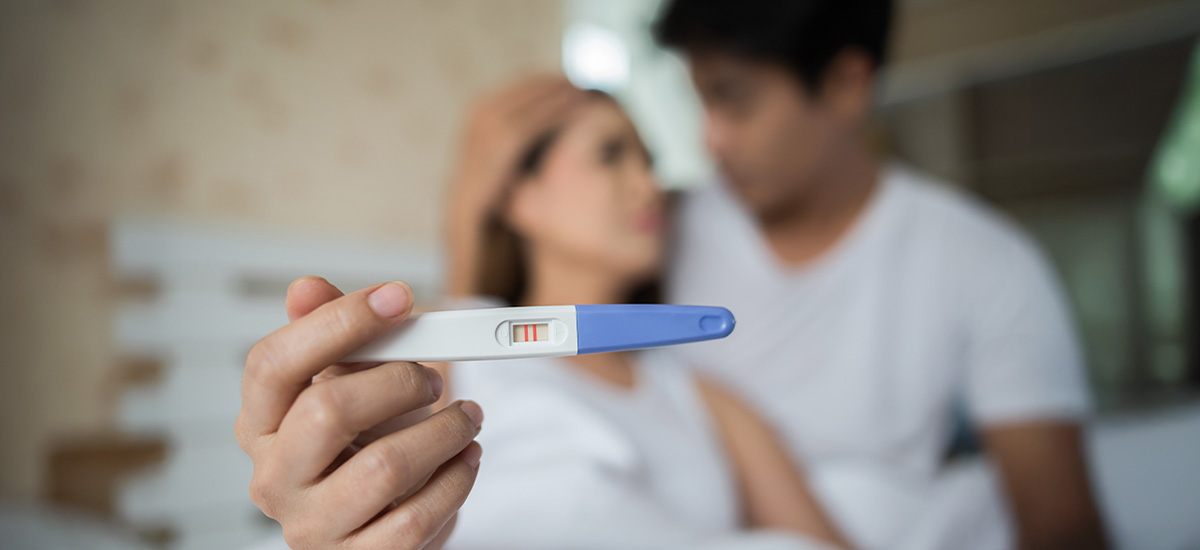
What it is—and why it forms An isthmocele is a pocket in the lower uterus where a prior cesarean scar healed as a dip instead of a flat seam. Blood and fluid can pool there after each period because gravity and the pocket trap it; therefore spotting can drag on for days.
Endometrial Thickness: Things You Need to Know About Endometrial Size
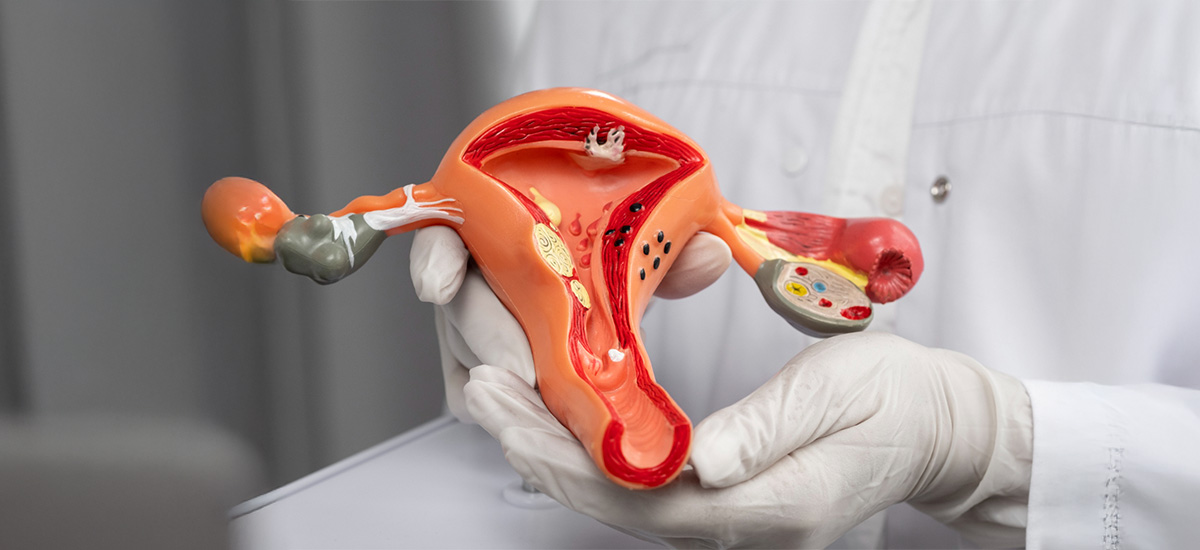
What endometrial thickness actually measures Endometrial thickness is the depth of the uterine lining measured in millimeters during an internal ultrasound (a small probe placed gently in the vagina). The sonographer measures the lining across the middle of
Period Cramps vs Early Pregnancy Cramps
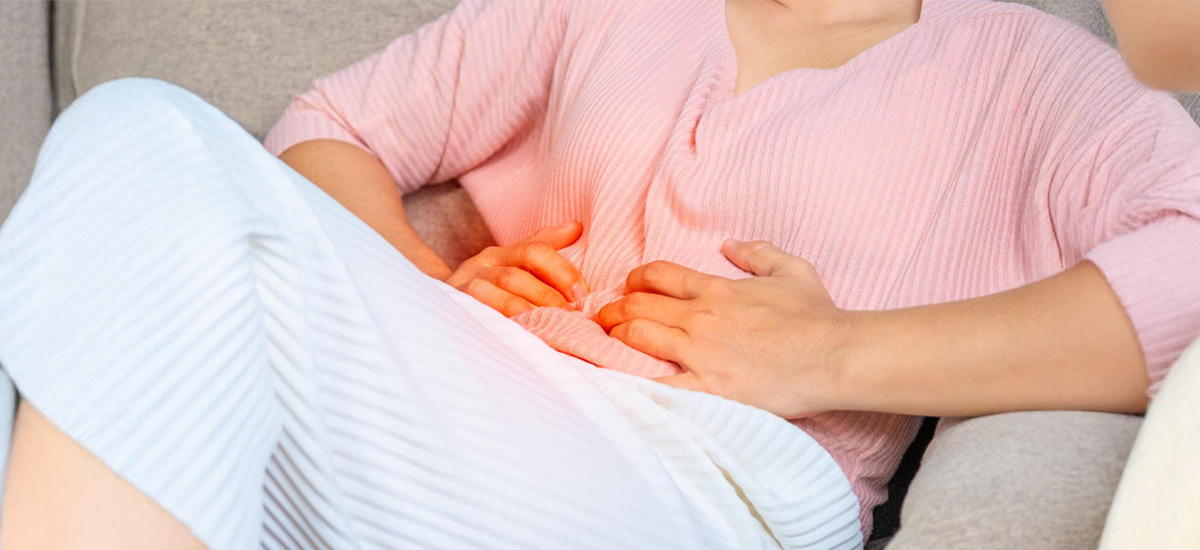
Why this gets confused—and why it mattersCramps from different causes can feel the same. Most people don’t know the exact ovulation day, so timing is unclear. Pain strength doesn’t separate a normal period from early pregnancy. That mix-up has consequences.
Seed Cycling for Periods: Understanding Benefits and More
People talk about seed cycling for periods like it’s a secret switch. You eat certain seeds on certain days and your cycle behaves. That’s the story. The honest version is simpler. Seed cycling is a routine, not a shortcut. It’s food you can track and prepare the same wa