




Categories
Nipple Pain During Breastfeeding: Causes and Clinical Solutions
Dec 24, 2025
Because of that messaging, many mothers quietly decide that Nipple Pain is something they must tolerate in order to prove they are strong and loving. They keep feeding through tears, therefore turning a normal learning phase into a silent struggle. Instead of asking for Breastfeeding Support, they worry that speaking up will invite judgment: “Maybe I’m not trying hard enough,” “Other women managed, so why can’t I?”
This blog looks at nipple pain not just as a medical issue, but as a social and cultural breastfeeding challenge. We’ll see why mothers feel pressured to push through pain, what is actually causing it, and how the right help and nipple care can change the entire experience.
1. Why "Pushing Through" the Pain is Clinically Counterproductive
Many women grow up hearing that “real mothers” sacrifice everything for their babies. Because of this belief, pain during breastfeeding often gets celebrated as proof of love rather than recognised as a sign of a Lactation issue. You might hear things like: “It hurt for me too, just get used to it.” “This is normal, don’t make a fuss.” “If you stop, you’re not trying hard enough.” These statements sound supportive on the surface, but they actually silence mothers. When pain is treated as a test of motherhood, women feel they must suffer quietly in order to avoid being called “weak” or “modern” or “too sensitive.” So, instead of saying, “My nipples are cracking and I need help,” many mothers: Hide their Nipple Pain from doctors and nurses, because they don’t want to be judged. Pretend everything is fine in front of the family, therefore letting the problem worsen. Blame themselves instead of questioning the latch, position, or baby’s mouth. This is exactly why Breastfeeding Support must also address mindset. When we tell mothers, “If it hurts a lot, something is wrong,” we give them permission to seek help in order to protect both their comfort and their breastfeeding journey.2. Identifying the Clinical Causes of Nipple Pain
In many homes, breastfeeding is seen as something women should just “naturally know” how to do. Older relatives often say, “We didn’t have lactation consultants, but we still fed all our children.”2.1 Because Of This Comparison
A new mother feels she must match previous generations, even though her circumstances are different. She may avoid asking questions, so she doesn’t appear “ignorant” or “over-educated but useless.” She internalises the idea that if breastfeeding hurts, she simply has to toughen up. But breastfeeding is a skill that both the baby and mother learn together. When a baby’s latch is not deep enough or the position is awkward, lactation issues show up as soreness, cracks, bleeding, or burning pain. If the mother has been told that pain is normal, she will keep going without correcting these problems, therefore allowing the damage to increase every day. Social pressure also affects how quickly help is sought.2.2 A Mother Might Think
“If I tell the doctor it hurts, they’ll think I’m trying to quit.” “My family will say I’m overreacting if I use formula even once.” So she stays quiet in order to avoid criticism. The result is that a problem which could have been solved with simple Breastfeeding Support in the first week turns into a severe breastfeeding challenge by the third or fourth week.3. Practical Nipple Care and Healing Strategies
Once we look past the guilt and pressure, we usually find clear, treatable causes for Nipple Pain. Pain is not proof that you’re failing; it is proof that something in the feeding process needs adjustment in order to protect both you and your baby.3.1 Shallow Latch And Positioning Problems
One of the most common causes of pain is a shallow latch. If the baby takes only the nipple into the mouth, the nipple gets pinched between the gums. Because of this constant pinching, the skin cracks, bleeds, and becomes extremely sensitive. When the latch is corrected so that the baby takes more of the areola and the chin touches the breast, the pressure spreads out and pain often decreases quickly. Therefore, proper latch teaching is one of the most important forms of Breastfeeding Support.3.2 Baby’s Oral Issues (Like Tongue-Tie)
Sometimes, even with perfect positioning, the latch remains painful. This may be because the baby has tongue-tie or another oral restriction. The mother might keep changing position, but nothing helps, so she blames herself. In reality, the baby’s tongue cannot move properly in order to achieve a deep latch. In such cases, recognising the baby’s condition and treating it (when needed) can transform breastfeeding, because the problem was never in the mother’s effort; it was in the baby’s anatomy.3.3 Infections And Skin Problems
A fungal infection (thrush) can cause burning or stabbing nipple pain during or after feeds. Bacterial infections and dermatitis can lead to redness, itching, and cracking. If these are not treated, the mother continues to suffer even if the latch is corrected. So, medical evaluation is essential in order to rule out or treat infections early.3.4 Engorgement, Pumping Issues, And Nipple Trauma
Over-full breasts, incorrect pumping settings, or long gaps between feeds can stretch and damage the nipple. Because mothers are often told to “pump more” in order to increase supply, they may unknowingly overdo it or use too much suction, therefore worsening nipple care problems instead of helping. The key insight is this: there is almost always a reason for nipple pain. Once that reason is found and treated, breastfeeding usually becomes far more comfortable.4. How Skilled Breastfeeding Support Can Break the Cycle of Pain and Guilt
True Breastfeeding Support is not just someone saying, “Don’t worry, it will be fine.” It involves careful observation and hands-on guidance in order to solve real Lactation issues. A trained lactation consultant or experienced doctor can: Watch a full feed in order to see how the baby latches and sucks. Adjust the baby’s body and the mother’s posture so the latch is deeper and the nipple is protected. Check for tongue-tie or other structural issues in the baby’s mouth. Examine the nipples and breasts for signs of infection or trauma. Create a feeding and pumping plan so that the nipples get time to heal while the baby continues to receive enough milk. This kind of support changes the emotional story as well: The mother realises, “It hurts because of specific issues, not because I’m weak.” Family members see the pain reduce after professional help, so they become more respectful of the mother’s experience. Breastfeeding becomes more sustainable, therefore reducing the risk of early weaning purely due to pain. When hospitals normalise lactation counselling, mothers no longer feel they are “failing” if they ask for help; they feel they are doing the right thing in order to protect both baby and self.5. Small Daily Steps So Nipple Pain Doesn’t Take Over
Once the main cause of Nipple Pain is treated, daily nipple care plays a crucial role in maintaining comfort. These small steps support healing so that pain doesn’t return as quickly.5.1 Check The First Few Seconds Of Every Feed
Those first moments tell you a lot. If pain is sharp and immediate, the latch is likely too shallow. You can gently break the latch and try again, so the nipple is not repeatedly damaged. This simple habit prevents minor soreness from turning into cracks.5.2 Use Different Breastfeeding Positions In Order To Share The Load
Changing positions (cradle hold, cross-cradle, football hold, side-lying) helps because: Different areas of the nipple and areola bear the pressure each time. The baby’s angle changes, so the same exact spot is not stressed in every single feed. Therefore, position changes act like “rest shifts” for your nipples.5.3 Gentle After-Feed Care
Let a few drops of breastmilk dry naturally on the nipple, because breastmilk has protective properties. Avoid harsh soaps and scrubbing; plain water is usually enough for cleaning. Use only those creams or balms that your doctor recommends, in order to avoid irritating the skin or affecting the baby.5.4 Know The Red Flags
You should seek medical help quickly if you notice: Severe, worsening pain despite latch correction, Spreading redness, swelling, or pus, Fever, body aches, or deep breast pain, Poor baby weight gain or very sleepy feeds. These signs suggest that the situation has gone beyond simple soreness, so medical treatment becomes necessary in order to protect your health and breastfeeding journey.Conclusion:
Nipple pain during breastfeeding is common, but it should not be treated as a silent exam that mothers must pass in order to prove their love. When society says, “It’s natural, so just bear it,” women feel forced to push through pain instead of asking for Breastfeeding Support. Because of this, easily fixable Lactation issues turn into long, exhausting breastfeeding challenges. In reality, Nipple Pain usually means something in the latch, position, baby’s mouth, or breast health needs attention. When those causes are addressed and when everyday nipple care is practised, breastfeeding can become smoother, less painful, and more emotionally fulfilling. You are not weak for seeking help; you are wise for protecting your body and your bond with your baby. At Birthright by Rainbow Hospitals, we understand that breastfeeding is both a physical and deeply emotional journey. Our lactation experts, obstetricians, and paediatricians work together in order to identify the reasons behind nipple pain and provide practical, compassionate solutions. Because when you are supported, informed, and comfortable, you are far more likely to continue breastfeeding with confidence—and that benefits both you and your baby in the long run.Disclaimer:
The information provided in this blog is for general informational purposes only and should not be considered a substitute for professional medical advice, diagnosis, or treatment. Always seek the guidance of a qualified healthcare provider with any questions you may have regarding a medical condition, symptoms, or treatment options. Never disregard professional medical advice or delay seeking it because of something you have read here.Frequently asked questions
Is Nipple Pain During Breastfeeding “Normal” In The Beginning?
How Do I Know If My Nipple Pain Needs Medical Attention?
What Are The Most Common Causes Of Nipple Pain During Breastfeeding?
Does Nipple Pain Mean I Am Not Breastfeeding Correctly Or That I’M A “Weak” Mother?
Can I Continue Breastfeeding If My Nipples Are Cracked Or Bleeding?
Related BlogView More
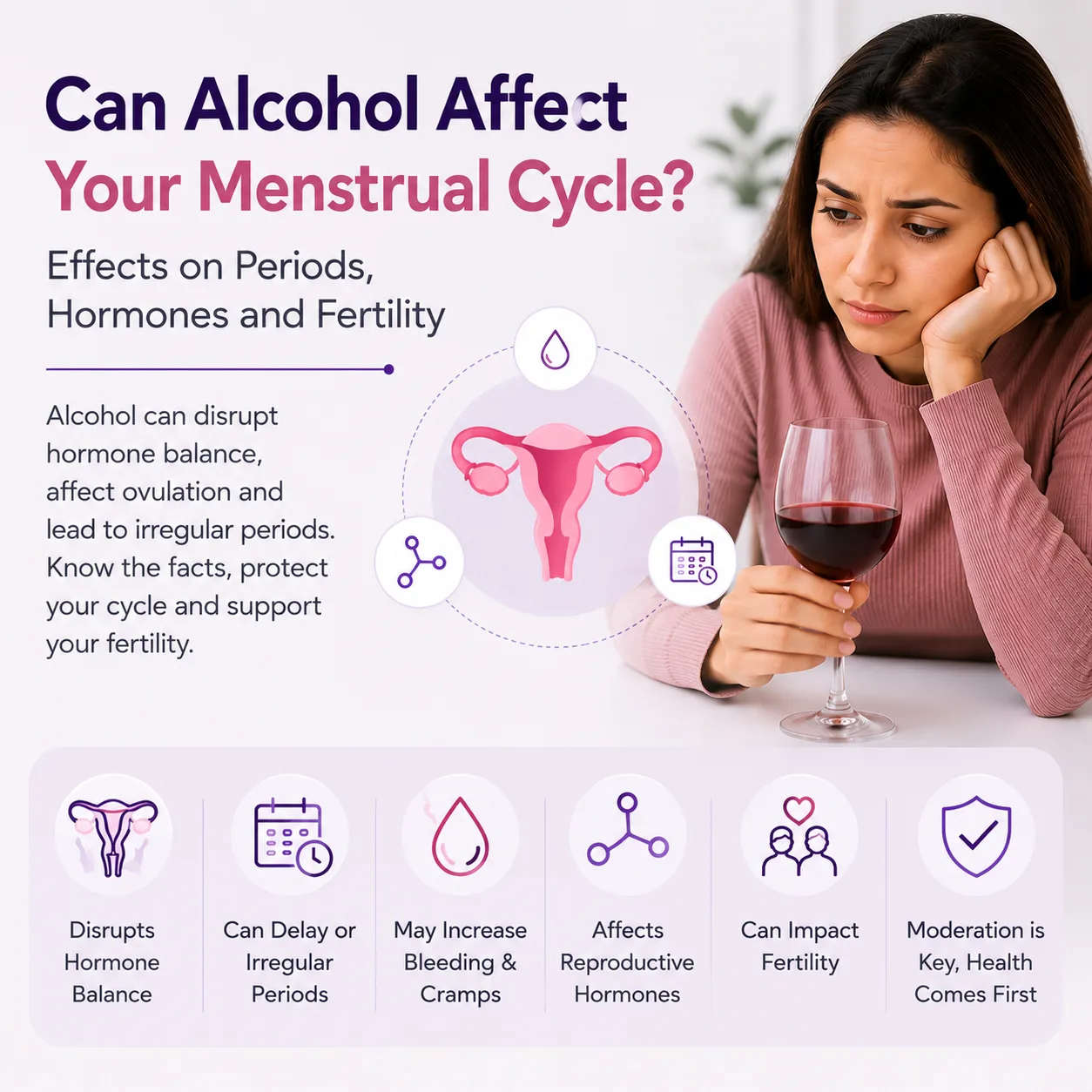
Can Alcohol Affect Your Menstrual Cycle? Effects on Periods, Hormones and Fertility
Alcohol consumption is harmful to health in any way, regardless of gender. It affects the whole body in different ways and to varying degrees. Many women wonder if alcohol can delay their period. The answer is yes. For women, alcohol has a negative impact on their
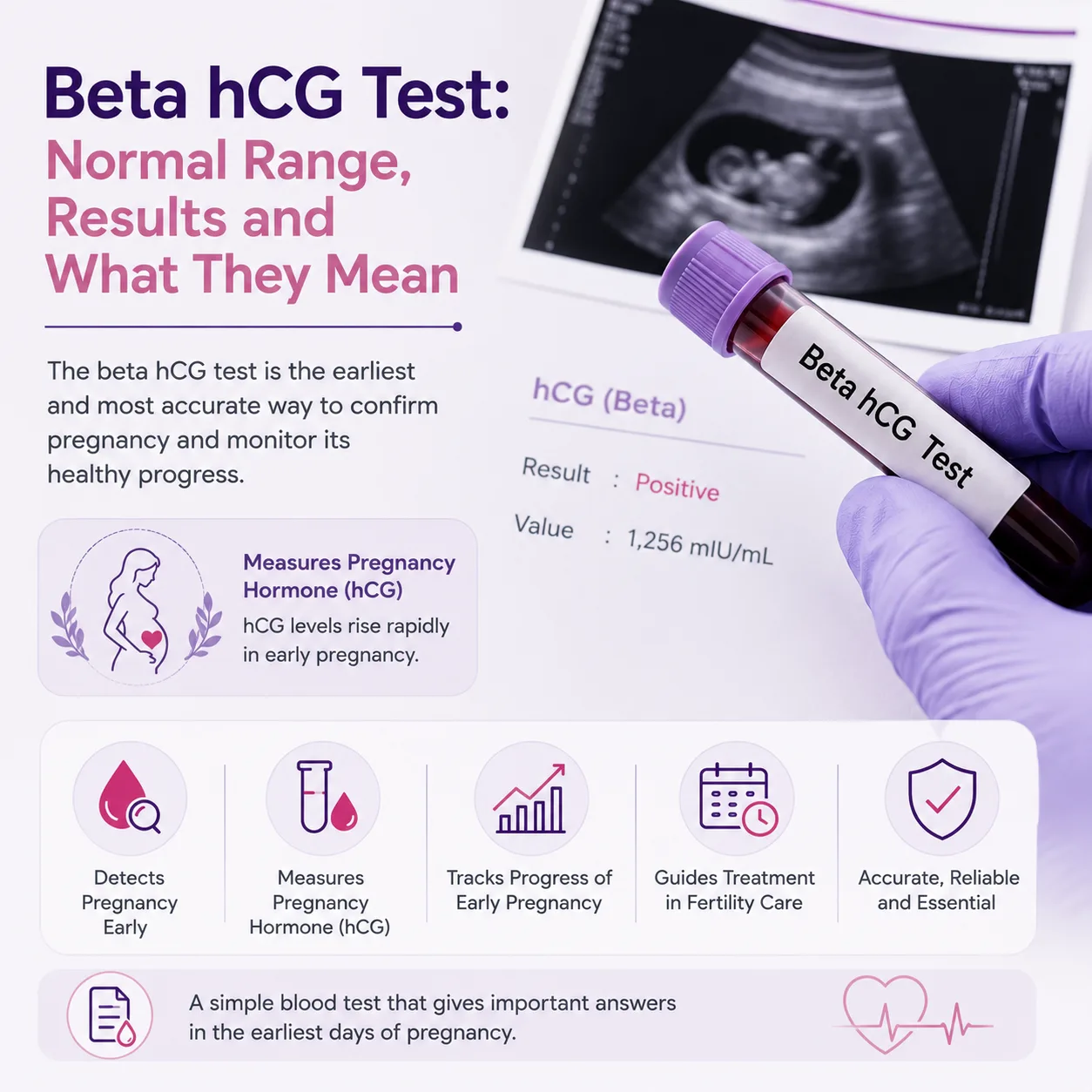
Beta hCG Test Explained: Normal Levels, Pregnancy Results and What They Mean
For most women, the beta hCG test is the first reliable confirmation of pregnancy. It measures the pregnancy hormone (human chorionic gonadotropin) in the blood and is far more sensitive than a home urine test. Understanding what the test measures, what the b
The IVF Journey Explained: What Every Couple Should Know Before Starting Treatment- Dr. Shreeja Karan – Fertility Specialist – Birthright Fertility by Rainbow Hospitals.
Starting IVF treatment can feel overwhelming, especially when you're unsure about what happens at each stage. Questions like "How does IVF work?", "What happens before IVF?", "Is IVF painful?", and "How long does IVF take?" are among the most common concerns couples have before b
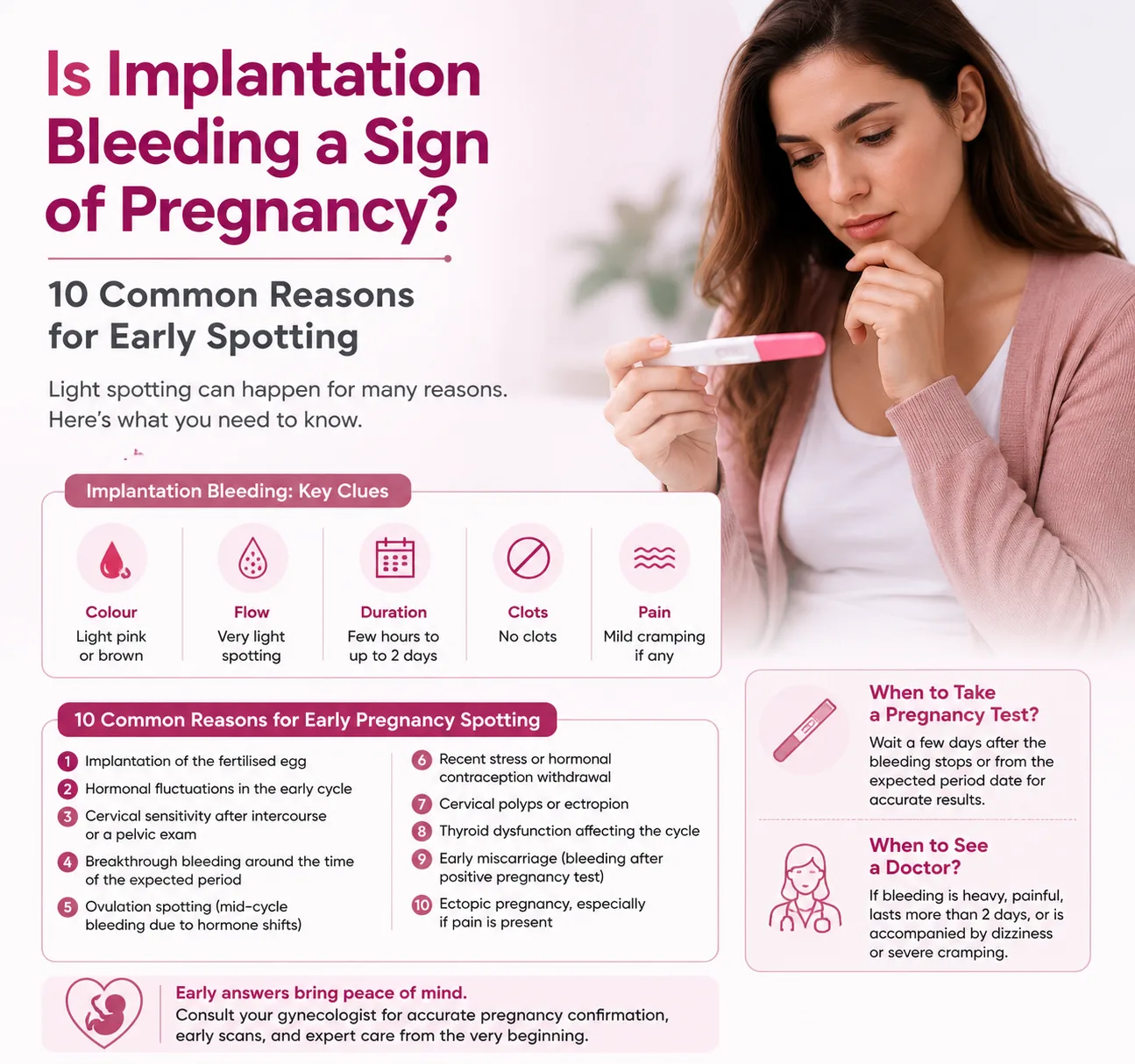
Is Implantation Bleeding a Sign of Pregnancy? 10 Common Reasons for Early Spotting
For women trying to conceive, any early bleeding raises the same question: is this my period, or could I be pregnant? It is a common phenomenon among women of reproductive age; however, it is important to know when does the Implantation bleeding occur. It is one of the earl