Pregnancy does something fascinating. Your belly begins to grow, and so does everybody’s opinion.
Aneighbouryou barely know will tell you to add ghee to everything. Your aunt will insistyou’renow “eating for two”.Your app will ping you with charts. Your doctor will calmly talk about prenatal checkups, weight curves, and sugar levels. And you?You’restanding between the fridge and the family, wondering whether that extraladdoois love, pressure, or trouble.
We’renot here to scare you away from food.We’renot here to put you on a punishment salad plan either. This is about understanding what your body is quietly doing in the background, so your plate can support maternal health instead of fighting it. When you knowthe logic, youdon’tneed ten different opinions. You just need a few simple, safe pregnancy tips that work in the real world.
“Eating for Two” Explained: Healthy Pregnancy Nutrition vs Overeating
“Eat, beta.You’reeating for two now.” It sounds sweet. It photographs well on baby shower invites.
You are not feeding another adult. You are supporting a much smaller person who grows in stages. Your babydoesn’tarrive needing a full thali on day one. Your bodydoesn’tsuddenly needdoublethe fuel just because the test strip showed two lines.
Here’sthe quieter truth:
- In early pregnancy, your baby is tiny. Development is intense, but the energy requirementdoesn’tsuddenly double.Qualityof food matters more than quantity.
- In mid-pregnancy, your baby grows faster, so your body asks for a bit more.Thinkone extra smart snack, not a continuous buffet.
- In late pregnancy, the workload peaks, but your stomach has less space, so smaller, more frequent meals make far more sense than hero-sized portions.
When “eating for two” becomes “eating twice as much”,your bodydoesn’tclap. It struggles. Extra, unnecessary calories turn into extra, unnecessary weight. That weight stresses joints, affects breathing, and can raise blood sugar and blood pressure. Therefore, complications like Gestational Diabetes and pregnancy-induced hypertension become more likely.
On the otherside, fear of gaining weight can swing you too far in the opposite direction. If you eat too little or live on nutritionally weak food, your iron, protein, and calcium can slip, and so can your energy. Your body then has less to give, and your baby has less to build with.
So no, youdon’tneed to think like a human buffet. You need to think like a smart curator. Less drama, more design.
Trimester-Wise Pregnancy Care: How Your Body Changes and How Your Diet Should Follow
Pregnancy looks like three neat trimesters on a chart, but your body treats each one differently. Food should follow that logic, not random advice.
First trimester (setting the foundation):Your hormones are doing cartwheels. Organs areforming. You may feel sick at the sight of food. Calories are not the main headline here; nutrients are. You eat what youcan, whenyou can. Simple, light, frequent, and kind. If all you manage is a small, protein-rich snack and some fruitin order tokeep nauseacontained,that’sstill work done.
Second trimester (steady building phase):Nausea often eases. Appetite returns with opinions. This is the moment most familiesshout“Now eat properly!” and start serving for two. Your body, though, would prefer one regular plate done well, plus one extra thoughtful snack. More protein. Morefibre. Morecolouron the plate. Less random sugar becauseyou’re“feeling like it”.
Third trimester (big growth, less space):Your baby gains size and your organs get rearranged.There’sless room in your abdomen, so heavy meals feel like you swallowed a brick. This is the time for smaller meals more often. Soft, easy-to-digestfood. Enough energy so youdon’tfeel drained, but not so much junk that your lastweeksbecome a wrestling match with heartburn and bloating.
Understanding these phases gives you permission to ignore sweeping one-line rules. Your body is adjusting its needs as it goes. Your food should follow the body, not old slogans.
Read More:
Tips for a healthy pregnancy
Prenatal Checkups and Pregnancy Reports: What They Mean for Your Diet and Maternal Health
Every prenatal checkup is a quiet conversation between your body, your doctor, and your food. The numbers may look clinical, butthey’retelling stories.
- Weight gain:
Too fast? Your plate isprobably over-delivering. Too slow? Your body may be running short.Just rightand steady? Your current pattern is working.
- Blood pressure:
Normal readings say your heart and vessels are coping well. Rising numbers can mean strain, extra salt, stress, or other conditions that need attention in order to protectmaternal health.
- Blood sugar:
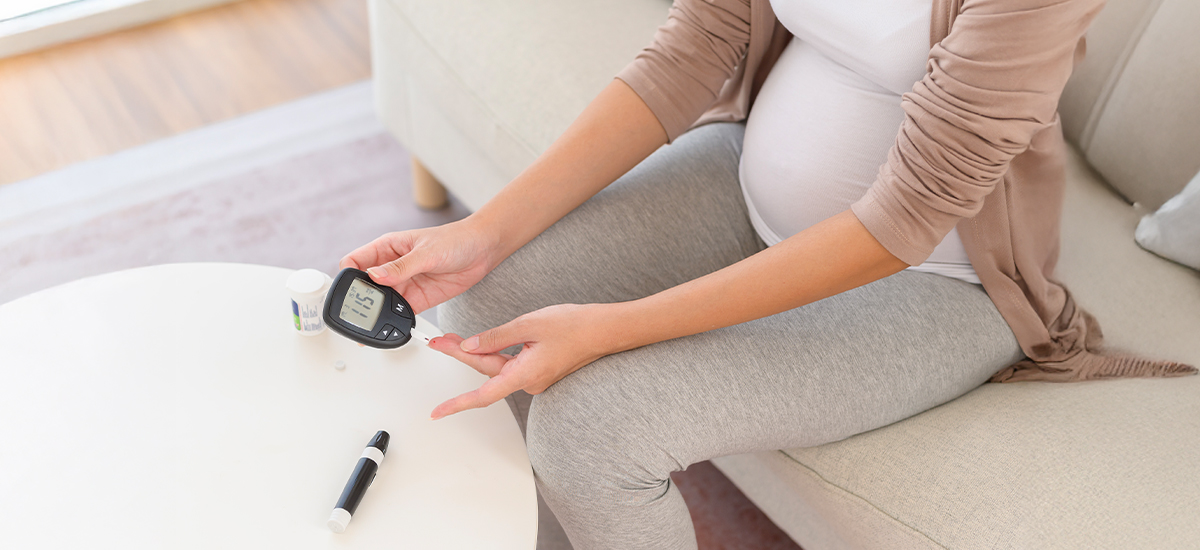
Stable sugar values mean your body is handling carbs gracefully. Rising levels meanit’stime to adjustportionsizes, food choices, and activity so that Gestational Diabetesdoesn’tmove in uninvited.
- Haemoglobinand nutrients:
Good iron and vitamin levels mean your meals are pulling their weight. Low readings are your cue to strengthen your menu with better sources and combinations.
When your doctor suggests food changes after a checkup, itisn’trandom control.It’scalibration. Because your reportsreflectwhatyou’vebeen doing,they’realso the best guide for what you should do nextin order tokeep both you and your baby safer.
Think of checkups as reality checks. Not judgements. Not scoldings. Just honest feedback from your own body, printed on paper.
Pregnancy Cravings and Comfort Food: Safe Pregnancy Tips Without Going to Extremes
Let’sbe honest. Nobody grows a baby entirely on steamed vegetables and earnest intentions. Cravings arrive. The world still has birthdays, festivals, and rainy evenings that scream “pakoda”.
Cravings arenot the enemy. Chaos is.
Some cravings are friendly. Fruit, buttermilk, coconut water, homemadechillas,idlis, nuts –these stepeasily into your diet because they give you something useful: hydration,fibre, protein, good fats. These can say “yes” more often, as long as portions stay sensible.
Some cravings need editing, not exile. Chaat, fried snacks, sweets, bakery treats, ice cream. Banning everything forever usually backfires. A smallerportion, shared dessert, or a treat placed earlier in the day instead of late at night is a more workable deal. You still enjoy life, but your bodydoesn’tpay double the price.
Some patterns, however, deserve a proper “no”:
- Skipping meals and then overeating becauseyou’reravenous.
- Constant sugary drinks in the name of “energy”.
- Regularly eating from unhygienic places where the oil is old and the salads are questionable.
Thesearen’tpersonality quirks;they’rerisk builders. They increase chances of acidity, infections, sugar swings, and excessive weight gain, all of which pull maternal health in the wrong direction.
A good rule: enjoy, butdon’tmake a festival out of every day. Let treats stay as guests, not tenants.
Pregnancy Weight Gain Guide: Healthy Weight Curves vs Unhelpful Comments
Everyone will have something to say aboutyoursize. “Too big.” “Too small.” “Are you sure it’s not twins?”Commentaryis free. You live with the body, not them.
Weight gain in pregnancyisn’tjust fat.It’s your baby, placenta, amniotic fluid, increased blood volume, breast tissue, and some extra stores in order to prepare for delivery and breastfeeding.The questionisn’t“Are you gaining?” It is “Are you gaining in a way that helps more than it harms?”
Too little gain, and your body may be struggling. You can feel constantly tired, dizzy, and depleted. The baby’s growth may lag.Your doctor may get concerned and suggest tweaks in your food, schedule, or supplements in order to catch up.
Too much, too fast, and your system starts to groan. Joints hurt, moving is harder, and the risk of high blood pressure and Gestational Diabetes goes up, especially if the gain comes from heavy, sugary, or fried food.Labourcan sometimes become more complicated whenthere’sa lot of excess weight.
A steady, guided curve is whatyou’reaiming for. Your doctor will usually map a range based on your pre-pregnancy BMI and your current trimester. Your job is not to hit perfect numbers;it’sto stay in a lane where your body feels supported, not overwhelmed.
Walking, gentle approved exercise, and reasonable food choices work together in order to keep you on that smoother curve.No drama. No sudden jumps. Just consistent, boring, healthy progress – which is exactly what you want.
Daily Pregnancy Care: Simple, Repeatable Food Rules That Actually Work
Big concepts are nice.You still have to eat dinner tonight.So here are a few simple principles that help you turn information into habit:
- Build a basic plate that works hard: some protein (dal, curd, paneer, eggs, lean meat), some whole grain (roti, brown rice, millet, oats), vegetables, and a small dose of healthy fat. When this base is present most of the time, the occasional dessertdoesn’tderail everything.
- Syncwith your prenatal checkups. Let your reports tell you what to strengthen. Low iron? Add more iron-rich foods with vitamin C. Rising sugar?Tamethe sweets, watchportionsizes, and pair carbs with protein andfibrein order toslow sugar release.
- Use your support system. Ask family to help cook smarter, not heavier. Turn “eat more” into “eat better”.Partners and parents can be great at bringing fruit, nuts, or buttermilk instead of only mithai.
- Listen to your body. Pay attention to patterns. If a certain meal leaves you bloated, heavy, or unbearably sleepy, adjust it. If a balanced breakfast keeps you steadytilllunch, repeat it more often.
Youdon’thave to be perfect. You just have to be consistent enough that your bodyrecognisesyou’re on its side.
Beyond Diet: Big-Picture Pregnancy Care Tips for a Healthy Pregnancy
Food is a big part of pregnancy, butit’snot the entire story. Your body is running a 24/7 project, and it needs more than good meals to pull it off smoothly. Think of these as the “system-level” settings that support everything elseyou’redoing. Whenthey’rein place, your prenatal checkups, your
diet, and your emotional state all start working together instead of pulling in different directions.
7.1 Move, butdon’taudition for a marathon
Movement in pregnancy is not punishment for eating;it’ssupport for circulation, mood, digestion, and sleep. Unless your doctor has specifically asked you to rest more because of complications, most womenbenefitfrom staying gently active.
- Regular, moderate activity (like walking or antenatal exercises that are approved for you) improves blood flow, which helps nutrients and oxygen reach the baby more efficiently.
- It also helps your body use blood sugar better, therefore reducing the risk or impact of Gestational Diabetes.
- Movement supports your back and core muscles, so you can carry your bump with less pain and manage daily tasks more comfortably.
The goal is not to “remain slim”;it is to keep your system flexible and cooperative. Ifyou’rebreathless, dizzy, in pain, or unsure, you slow down and talk to your doctor. This is about supportive movement, not performance.
7.2 Sleep is not laziness;it’smaintenance
Your body is growing organs, a placenta, extra blood, and a whole human. Of course it wantssleep. Treat rest as part of pregnancy care, not an optional luxury.
- Good sleep helps regulate hormones that control appetite and stress, soyou’reless likely to swing between emotional eating and complete disinterest in food.
- Whenyou’rerested, you handle information from prenatal checkups better becauseyou’renot already running on fumes. Decisions become clearer.
- Proper rest supports immunity. A body that is constantly tired is more vulnerable to infections and slower to recover.
If sleep is difficult because of discomfort, heartburn, or anxiety, this is something to discuss with your care team. Sometimes small adjustments to routine, pillow support, food timing, or medication can change your nights dramatically.
7.3 Mind health is maternal health
Pregnancyisn’tonly physical. There’s fear, excitement, pressure, old storiesyou’veheard aboutlabour, and a constant background hum of “Am I doingthisright?”.If you ignore your mind, your body will eventually tell you anyway—through tension, headaches, poor sleep, or low appetite.
- It’snormal to have worries, but if anxiety, sadness, or overwhelm are dominating most days,that’snot something to just “manage quietly”.
- Talking to your partner, a trusted friend, or a counsellor helps turn a swirling mess of thoughts into something you can actually handle.
- When you feel emotionally supported,you’remore likely to keep up with prenatal checkups, follow safe pregnancy tips, and ask questions early instead of waiting for small problems to grow.
Mental health in pregnancyisn’ta side topic.It’spart of maternal health. A calmer minddoesn’tguarantee a complication-free pregnancy, but it does mean you and your care team can work together far more effectively.
7.4 Use prenatal checkups as your main compass, not social media
You can scroll through ten posts, three reels, and a thread of “home remedies” in ten minutes. Your doctorcan’tcompete with that volume, but they can compete with accuracy. Prenatal checkups are your official version of events.
- Each checkup pulls real data—BP, weight, growth scans, blood work—that tells you what isactually happening, not what “usually happens” to someone online.
- When your reports are good, they give you permission to relax a little instead of living in constant fear. When something is off, they give you a head start on fixing it.
- If internet advice clashes with what your doctor says, youdon’thave to feel rude about questioning it. Ask: “Is this safe for me, in my condition?”Blanketadvice rarely fits;personalisedguidance usually does.
You can still enjoy pregnancy contentonline, buttreat it as background music. The main instructions come from the people examining you and your baby.
7.5 Build a support system thatactually supports
Pregnancy brings out all kinds of helpers: the practical, the emotional, the noisy, and the overbearing. Youcan’tchange everyone, but you can steer how they help.
- Share key instructions from your doctor with close family—things like restrictions (if any), warning signs, dietary guidelines. When they understandthe “why”,they’remore likely to cooperate.
- Ask for specific help: driving you to appointments, taking on certain chores, sitting with you when you feel low, or reminding you about medicines. Vague “I need support” is hard to act on; clear requests are easier.
- If someone’s constant advice is stressing you out, it is okay to set boundaries.You’renot being disrespectful when you protect your mental space; you are protecting your maternal health.
A good support systemdoesn’tsmother you; it makes it easier for you to follow the plan you and your doctor have created.
7.6 Learn the difference between normal discomfort and red flags
Some things—mild backache, occasional heartburn, feeling heavy at the end of the day—come with the territory. Others do not. Knowing the difference reduces both unnecessary panic and dangerousdelay.
Without turning this into a full manual, a few general red-flag patterns that deserve immediate medical attention include:
- Persistent severe headache, visual changes, or sudden swelling in the hands and face
- Vaginal bleeding or leaking of fluid
- Strong, regular abdominal pain or tightening well before term
- Marked decrease in baby’s movements onceyou’reused to feeling them
- High fever, breathlessness, or chest pain
Youdon’thave to diagnose yourself. You justhave totake these signs seriously enough to call your doctor or visit your hospital promptly. That is one of the most important safe pregnancy tips you can follow.
Conclusion:
Pregnancyisn’ta nine-month food exam.It’sa long project where your body is doing serious behind-the-scenes engineering, and food shows up every day as one of the main tools.
When you drop the “eating for two” myth and replace it with clear, workable understanding, your plate stops feeling like a battlefield. Your prenatal checkups start to look like useful dashboards, not scary verdicts. And your weight, your cravings, and your relatives’ opinions become things you can manage instead of things that manage you.
Real safepregnancy tipsaren’tglamorous. They are calm, practical decisions repeated again and again so that your maternal health staysstrongand your baby gets a stable, well-fed, well-oxygenated home to grow in.
At
Birthright by Rainbow Hospitals, that’s exactly how pregnancy care is handled. The team looks at your reports, your lifestyle, your worries about food, and helps you design a way of eating that respects culture, cravings, and science at the same time. No drama. Noshaming. Just a thoughtful, everyday way of using your platein order totake care of yourself and the small, extraordinary personyou’rebuilding.
FAQs
- How often should I go for prenatal checkups?
Your prenatal checkups are the backbone of pregnancy care, not optional extras. In an uncomplicated pregnancy, most doctors follow a pattern like this: once every 4 weeks in early pregnancy, every 2–3 weeks in the later second trimester, and weekly or fortnightly as you move closer to your due date. If you have high blood pressure, Gestational Diabetes, twins, or any other risk factor, your schedule will be tighter. Think of checkups as regular status reports on maternal health andbaby’sprogress. Skippingthem because you “feel fine” is like ignoring a car’s dashboard because the engine sounds okay. Problems are easier to manage whenthey’repicked up early.
- I feel okay. Do I still need all those blood tests and scans?
Yes. Feeling okay is good;it’snot a guarantee that everything inside is perfect. Many issues likeanaemia, thyroid imbalance, mild Gestational Diabetes, or early high blood pressure can develop quietly before they produce obvious symptoms. Your blood tests, urine tests, and scans exist so that doctors can catch small shifts early and correct them before they turn into bigger problems. This is exactly what good safe pregnancy tips are built on: not waiting for a crisis, butmaking adjustmentswhile thingsare still manageable.
- How much weight gain is “normal” in pregnancy?
“Normal”isn’ta single number; it depends on your pre-pregnancy weight and overall health. In general, doctors look for a gradual, steady increase across trimesters rather than sudden jumps. Too little gain can mean your bodyisn’tgetting enough fuel, which can affect maternal health and baby’s growth. Too much, too quickly can strain your joints and heart and raise your risk for high blood pressure or Gestational Diabetes. Your doctor will usually give you a range and then track you across prenatal checkups. Ifyou’retrending above or below,they’llguide you on food, activity, and any investigations needed. The focus is not on a perfect number but on a growth pattern that keeps you and your baby safer.
- Is exercise safeinpregnancy, or should I be resting as much as possible?
Most women with uncomplicated pregnanciesbenefitfrom regular, moderate activity. Rest is important, but full-time “couch mode” without medical reasonisn’tideal. Gentle activities like walking, approved antenatal exercises, and stretching can improve circulation, support your back, help with mood, and keep blood sugar and weight in better balance. However, if you have complications like a weak cervix, placenta previa, risk of pretermlabour, or other specific conditions, your doctor mayadviserestrictions. The safest approach is toask atyour prenatal checkups exactly what kind of movement is recommended for you. The goal is comfort and support, not pushing limits.
- Everyone keeps giving me advice. How do I know which “tips” areactually safe?
Welcome to the crowded world of pregnancy advice: elders, friends, influencers, apps, and strangers in lifts. Some of it is excellent; some is outdated; some is just superstition in polite packaging.A simple waytofilter:anything that can affect your baby’s safety, your medicines, your internal organs, or your risk of infection should be checked with your doctor before you adopt it. This includesover-the-counter“tonics”,herbal remedies, fasting, extreme diets, intense exercise, or home treatments forbleeding, pain, or fever. Truly safe pregnancy tips are those that pass both thetraditiontest (what people say) and the evidence test (what your doctor supports for your specific situation).
- Is it normal to feel anxious or low during pregnancy?
Yes,it’svery commonto feel anxious, overwhelmed, or even low at times. Your hormones are shifting, your body is changing, and your life is about toreorganiseitself around a new human.That’sa lot to hold. A certain amount of worry is normal, but if anxiety or sadness is constant, ifyou’renot sleeping, not enjoying anything, or feeling disconnected from everything,it’simportant to talk about it. Your mind is part of your maternal health, not a separate accessory. Bring it up at your prenatal checkups or with a counsellor; early support makesa big difference. Taking care of your emotional stateisn’tself-indulgent; it directly affects how well you can follow medical advice, eat properly, rest, and bond with your baby.
Disclaimer: The information above is for general education. It is not medical advice and does not replace an in-person evaluation or your clinician’s recommendations.