




Categories
When Does a Child Need a Pediatric Orthopedic Surgeon? Conditions, Procedures & What Parents Should Expect
Jan 28, 2026
So let’s put this in the right frame from the start:
A pediatric orthopedic surgeon is not someone who rushes children into the operating theatre. A good pediatric orthopedic surgeon is the person you want involved early—so that if surgery is needed, it’s the right surgery, at the right time, with the right plan. And if surgery is not needed, you get that clarity too.
Pediatric orthopedic doctor vs pediatric orthopedic surgeon: what’s the difference?
Many pediatric orthopedic specialists are trained in both non-surgical and surgical care. The term “surgeon” is often used because they are qualified to operate—whether or not surgery is the immediate plan.In practical terms:
- A pediatric orthopedic doctor may manage many concerns conservatively (bracing, casting, therapy, monitoring).
- A pediatric orthopedic surgeon is involved when:
- a condition may require an operation, or
- a fracture/issue needs procedural intervention (reduction, fixation), or
- long-term growth and alignment planning is complex.
When a child needs a pediatric orthopedic surgeon (the real reasons)
There are a few clear scenarios where surgeon involvement is appropriate.1) Fractures that are displaced, unstable, or involve growth plates
Most childhood fractures heal well in a cast. But a children fracture surgeon is needed when:- bones are significantly displaced or angulated
- the fracture is unstable and likely to shift in a cast
- the fracture crosses a growth plate
- there is an open fracture (skin broken)
- there is nerve or blood vessel concern
- the fracture is around joints and needs precise alignment
2) Recurrent fractures or fractures from minor falls
When fractures happen repeatedly or with minimal trauma, the question shifts from “how do we heal this bone?” to “why is this happening?”A pediatric orthopedic surgeon may evaluate for:
- bone density or metabolic issues
- nutritional deficiencies
- underlying medical conditions affecting bone strength
- rare genetic factors
3) Deformities that worsen or don’t resolve with growth
Some alignment variations are normal in early childhood—bow legs, knock knees, in-toeing. Many resolve on their own.Surgeon involvement becomes important when:
- deformity is severe or worsening over time
- one side is significantly different from the other
- gait is affected (limp, fatigue, pain)
- deformity persists beyond expected age windows
- there is suspicion of underlying bone disease or dysplasia
4) Spine concerns: scoliosis, kyphosis, or progressive curves
Not every curve needs surgery. Most parents hear “scoliosis” and immediately picture an operation. That’s not how it works. Surgeon involvement is appropriate when:- the curve is moderate-to-severe
- the curve is progressing
- bracing is needed and must be monitored carefully
- the curve causes pain, imbalance, or functional issues
- there are signs of underlying neurological causes
5) Hip conditions in infants and growing children
Hip development is time-sensitive. Conditions like developmental dysplasia of the hip (DDH) and other pediatric hip disorders need early evaluation and structured follow-up.Surgeon involvement may be needed for:
- persistent hip instability
- failure of bracing methods
- delayed diagnosis requiring procedural correction
- complex hip disorders affecting walking and alignment
6) Sports injuries that don’t settle or involve ligaments/cartilage
Kids are active—and injuries happen. But when pain persists, instability develops, or function doesn’t return, surgical evaluation may be required.Examples include:
- certain ligament injuries
- cartilage injuries
- recurrent joint dislocations
- pain that continues despite rest and rehab
7) Congenital limb differences or neuromuscular conditions
Some children are born with limb differences or develop conditions that affect muscle balance and bone growth. Care is usually multi-stage and long-term.Surgeons are involved for:
- functional correction procedures
- tendon releases/lengthening (in select cases)
- limb length management
- alignment procedures to improve walking, comfort, and independence
Common child orthopedic surgery procedures (what parents hear most often)
Fracture procedures- closed reduction (realigning the bone without open surgery)
- pinning or fixation (K-wires, plates, screws when necessary)
- growth plate fracture management
- guided growth procedures (using growth to correct alignment gradually)
- osteotomy (cutting and realigning bone in more complex cases)
- procedures for DDH when bracing is insufficient or diagnosis is late
- corrective surgery for certain hip disorders
- scoliosis surgery in severe/progressive cases
- bracing management and monitoring when surgery is not needed
- tendon releases/repairs in select conditions
- joint stabilization procedures when recurrent dislocations occur
What parents should expect (before, during, after)
Here’s what the process looks like in a well-run pediatric orthopedic setup. Before- A detailed exam (watching your child stand, walk, and move is part of diagnosis)
- Review of X-rays and sometimes additional imaging
- A clear discussion of options: what happens if you treat conservatively vs surgically
- Discussion of timing—because in pediatrics, timing is often the treatment
During (if a procedure is needed)
- Pediatric anesthesia care
- Child-specific OT protocols and monitoring
- Focus on safe pain control and early recovery
- Cast/splint care guidance
- Physiotherapy plan when needed
- Follow-up schedule (especially important in growth plate and alignment cases)
- Return-to-school and return-to-sport plan
- Clear red flags to watch for (swelling, severe pain, fever, cast issues)
Questions every parent should ask at the surgeon visit
These questions keep the conversation grounded:- Is surgery definitely necessary, or is it one option?
- What happens if we wait or choose conservative management?
- How will this affect growth plates and long-term alignment?
- What is the recovery timeline—school, walking, sports?
- What pain control plan will be used for a child?
- How many follow-ups will we need, and for how long?
Conclusion
Most children who see an orthopedic surgeon do not walk straight into surgery. They walk into clarity. The surgeon’s role is to evaluate risk, protect growth, and make sure the treatment plan matches the child—not the anxiety of the moment.When surgery is needed, it’s usually because timing and alignment matter: displaced fractures, growth plate concerns, worsening deformities, or progressive spine/hip conditions that won’t correct on their own. And when surgery is not needed, a good surgeon will tell you that just as clearly.
At Rainbow Children’s Hospital, pediatric orthopedic surgical care is built for exactly this: precise evaluation, child-safe surgical readiness when required, and structured follow-up that protects how your child heals, moves, and grows.
FAQs
1) When should I see a pediatric orthopedic surgeon?
When a fracture is displaced/unstable, a growth plate is involved, a deformity is worsening, scoliosis is progressing, hip issues are suspected, or an injury isn’t improving with appropriate care.2) Does being referred to a pediatric orthopedic surgeon mean my child will need surgery?
No. It means a surgical-level assessment is needed. Many children are evaluated by surgeons and treated without surgery.3) Are orthopedic surgeries safe for children?
When performed in a pediatric-ready hospital with pediatric anesthesia, child-safe protocols, and proper follow-up, many orthopedic surgeries are routinely performed with good outcomes. Safety depends heavily on correct indication, timing, and pediatric infrastructure.4) What is a growth plate fracture and why is it important?
Growth plate fractures involve the area of bone responsible for growth. They require careful alignment and follow-up because improper healing can affect growth or cause deformity.5) How long is recovery after child orthopedic surgery?
It depends on the procedure—fracture fixation may be weeks, while deformity correction or spine procedures can require longer rehab. Your surgeon should give a clear timeline for walking, school, and sports.6) What is “guided growth” surgery?
Guided growth uses a child’s natural growth to gradually correct bone alignment over time. It is often used for certain knee/leg deformities and can be less invasive than major realignment surgery in selected cases.Related BlogView More

Unexplained Child Weight Loss: Warning Signs for Parents
Parents usually notice it in small ways first. A uniform that was snug suddenly hangs. Shorts that used to fit now slide down. The face looks a little sharper. The child is still running around, still talking, still going to school—so you tell yourself it’s probably fine.
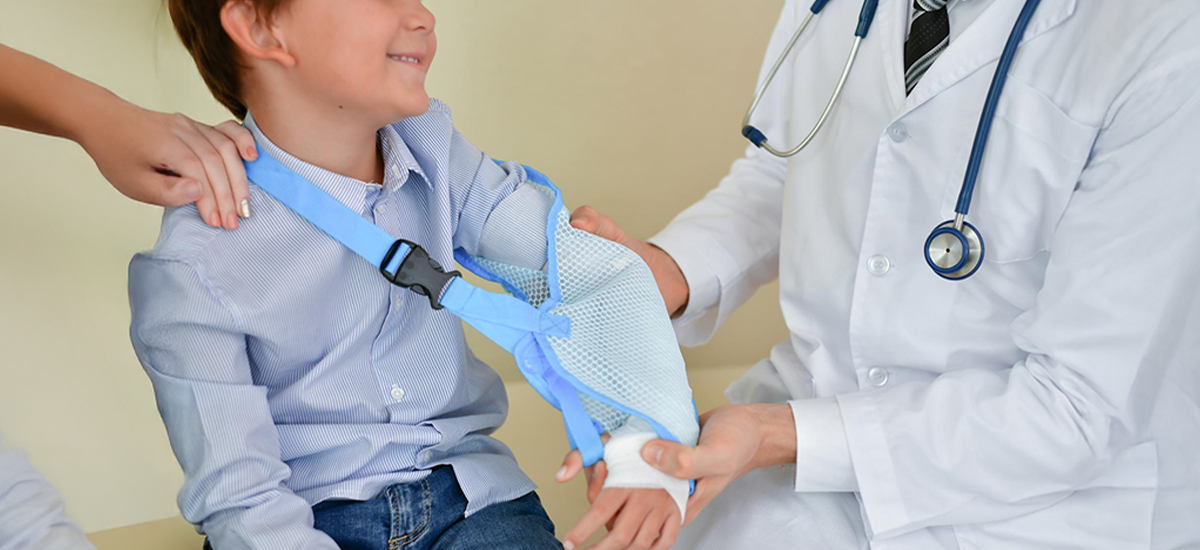
How to Choose the Right Pediatric Orthopedic Doctor for Your Child: Expert Tips Every Parent Should Know
When it’s your child’s bones, joints, or walking pattern, parents don’t just want treatment. They want certainty. Is this normal growth? Or something that needs correction? Is it a harmless phase—or the kind of issue that gets harder to treat if you wait too long? And
How to Choose the Best Pediatric Ophthalmology Hospital: 7 Factors to Check Before Booking an Appointment
When it’s your child’s eyes, you don’t “try a place and see.” You want to be sure before you book the appointment. You want to know that the doctor understands children—not just eyes. That the equipment is built for small patients. That the diagnosis won’t be ru

How to Choose the Best Pediatric ENT Specialist for Your Child: A Parent’s Step-by-Step Guide
When it’s your child’s breathing, hearing, sleep, or recurrent infections, you don’t want guesswork. You want one appointment that brings clarity: what’s normal, what isn’t, what needs treatment, and what can be watched safely. Because with children, ENT problems ra