



Arrhythmias in Pregnancy
An arrhythmia in pregnancy is an abnormal heart rhythm, where the heart’s electrical signals fire too early, too fast or out of order. Most are harmless extra beats caused by the extra workload of pregnancy, but a sustained fast rhythm needs medical assessment.

Seamless support from diagnosis to post treatment care
Overview
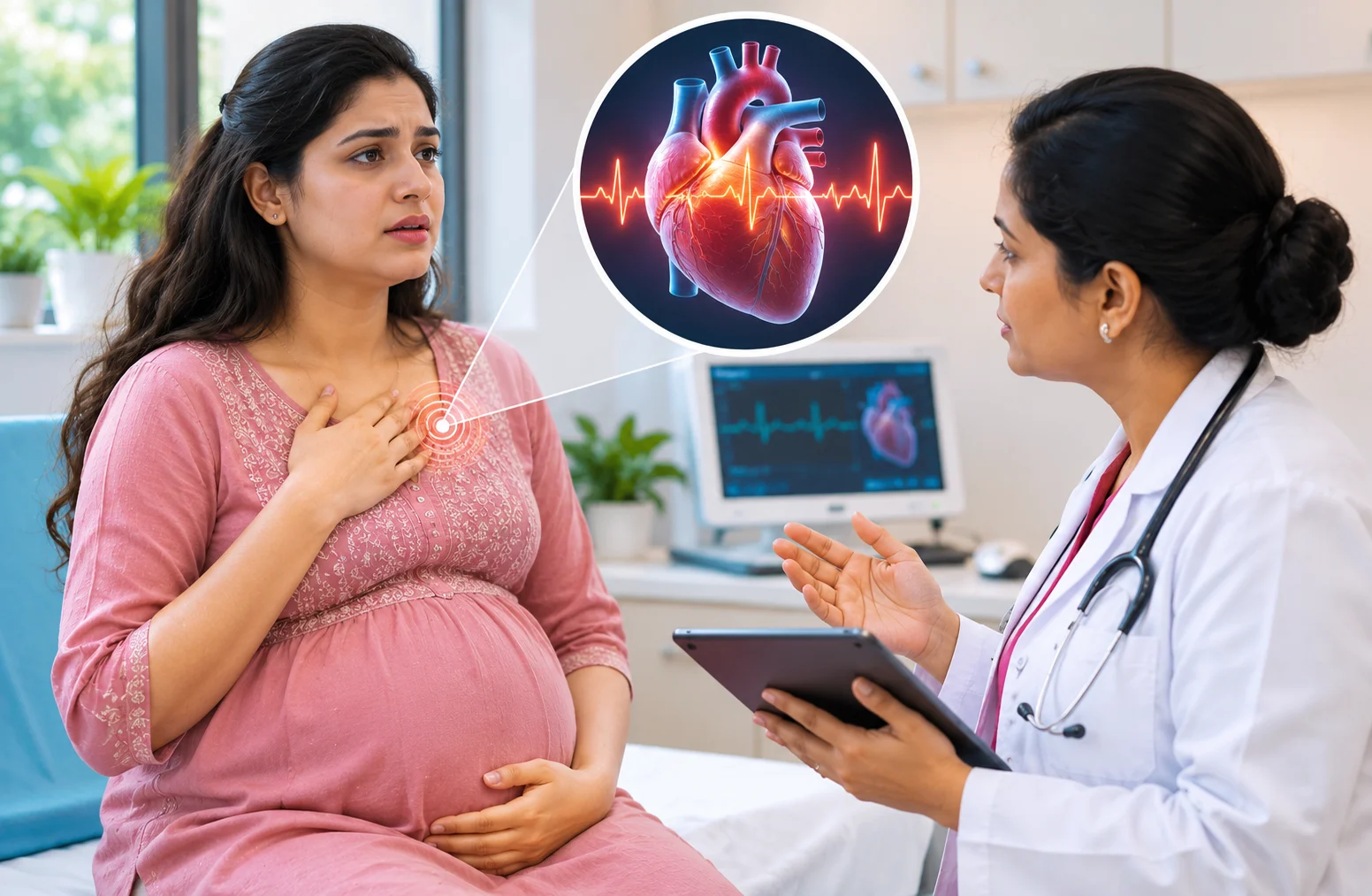
Heart palpitations in pregnancy are common and usually harmless. During pregnancy, your resting heart rate typically increases by 10–20 beats per minute (bpm) as your heart works harder to meet the body's increased blood supply needs.
You may occasionally feel your heart racing, fluttering, or skipping a beat. While most palpitations are harmless, some arrhythmias in pregnancy (abnormal heart rhythms) need medical treatment. Seek immediate medical attention if you experience palpitations accompanied by chest pain, fainting, or difficulty breathing. Persistent or frequent episodes of an irregular heartbeat also require medical assessment.
What Are Arrhythmias in Pregnancy
The heart has its own electrical system that keeps each beat steady and timed. An arrhythmia happens when those electrical signals fire too early, too fast, or out of order. The result is a beat that feels skipped, extra, fast, or irregular.
Most arrhythmias seen in pregnancy are mild. The common ones are described below.
- Sinus tachycardia (a fast but regular heartbeat): The heart beats faster at a steady rhythm, often during physical activity. This can be a normal physiological response to pregnancy, particularly in the third trimester. However, a persistently fast heart rate at rest requires medical assessment.
- Premature atrial contractions (PACs) and premature ventricular contractions (PVCs): These are early heartbeats that may feel like an extra or skipped beat. They are common during pregnancy and are usually harmless in women without underlying heart disease.
- Ventricular tachycardia (VT): A rare but potentially serious fast heart rhythm that begins in the lower chambers of the heart. It may occur in women with structural heart disease or peripartum cardiomyopathy, a condition that weakens the heart muscle towards the end of pregnancy or after delivery.
- Bradycardia and heart block (slow heart rhythms): These rhythm disturbances are uncommon during pregnancy. Certain maternal antibodies, such as anti-Ro (SSA) antibodies associated with lupus, can also affect the baby's heart rhythm and cause congenital heart block.
Extra beats and brief fast spells rarely cause harm. Your care team will want to check sustained fast rhythms. Knowing the type helps your doctor plan the right follow-up.
How Pregnancy Affects the Heart and Its Rhythm
Pregnancy naturally increases the heart's workload. Your blood volume rises by up to 45 percent, so the heart pumps more with each beat. Cardiac output climbs by nearly half, and resting heart rate rises by about 10 to 20 beats per minute. These shifts are normal and expected.
All of this stretches the heart chambers and increases the heart's workload. That can bring out a rhythm tendency that was quiet before. Hormone changes also make the heart a little more sensitive to its own signals. Rhythm symptoms often peak in the third trimester, when the heart works hardest.
Causes of Arrhythmias in Pregnancy
Often, no single cause is responsible; a healthy heart simply responds to the demands of pregnancy. In other women, a specific trigger or an underlying condition plays a part. The usual contributors are listed here.
- Rheumatic heart disease: Rheumatic heart disease remains an important cause of heart valve problems among pregnant women in India. Mitral stenosis, a narrowing of the mitral valve, increases the risk of atrial fibrillation and pulmonary oedema (fluid accumulation in the lungs).
- Congenital heart disease: Women born with structural heart abnormalities may have an increased risk of arrhythmias during pregnancy, even if they have previously undergone corrective surgery.
- Existing heart rhythm disorders: Women with a history of arrhythmias may experience more frequent episodes as pregnancy increases the workload on the heart.
- Peripartum cardiomyopathy: This condition weakens the heart muscle towards the end of pregnancy or in the months after delivery. It can cause palpitations, breathlessness, leg swelling and abnormal heart rhythms.
- Pre-eclampsia: High blood pressure associated with pre-eclampsia can place additional strain on the heart and contribute to cardiovascular complications, including rhythm disturbances.
- Twin or multiple pregnancy: Carrying more than one baby increases the demands on the heart and circulation, which may lead to a faster heartbeat and palpitations.
- Anaemia: Anaemia is a common and treatable cause of palpitations and a fast heartbeat during pregnancy. According to the National Family Health Survey (NFHS-5, 2019–21), 52.2% of pregnant women aged 15–49 years in India had anaemia. Blood tests can help identify the underlying cause and guide treatment.
- Pulmonary embolism: A blood clot in the lungs can cause a sudden increase in heart rate, breathlessness and chest pain. Doctors need to rule out this potentially serious condition when palpitations occur alongside sudden breathlessness. These symptoms require immediate medical attention.
Risk Factors
Any woman can notice palpitations in pregnancy. A few factors make a rhythm problem a little more likely or more worth watching. The main ones are set out below.
- A rhythm problem or heart condition diagnosed before this pregnancy
- A heart valve or structural heart problem from birth or earlier illness
- A previous episode of a fast or uneven rhythm, in or out of pregnancy
- Thyroid disease, high blood pressure, or diabetes
- Older age at pregnancy
- High caffeine or nicotine intake
Having a risk factor does not mean trouble is coming. It simply tells your team to keep a closer eye on your heart. Many women with these factors go through pregnancy with no problem at all.
Symptoms of Arrhythmias in Pregnancy
Symptoms of arrhythmias in pregnancy can vary depending on the type of heart rhythm disturbance and any underlying heart condition. Some women may experience occasional palpitations, while others may have more noticeable or persistent symptoms.
Common symptoms include:
- A racing, pounding, or fluttering heartbeat
- A sensation of extra or skipped heartbeats
- Dizziness or light-headedness
- Chest discomfort
- Shortness of breath during mild physical activity
- Unusual tiredness or fatigue
Occasional, brief palpitations without other symptoms are often harmless. However, persistent or recurring symptoms require medical assessment.
When to Seek Immediate Medical Attention
Go to the hospital immediately if you experience any of the following:
- Fainting or feeling as though you are about to faint.
- Chest pain, pressure, or tightness.
- Severe or sudden breathlessness.
- A sustained racing heartbeat at rest, particularly if your heart rate remains above 120 beats per minute (bpm).
- A racing heartbeat accompanied by excessive sweating or feeling severely unwell.
- Palpitations accompanied by new or worsening leg swelling, breathlessness when lying flat, needing extra pillows to sleep, or coughing at night. These may be signs of peripartum cardiomyopathy.
- Palpitations accompanied by sudden breathlessness, chest pain or pain and swelling in one calf. These may indicate a blood clot, including pulmonary embolism.
If you experience a sustained fast heartbeat for the first time, seek medical assessment on the same day, even if the episode settles. Women with known heart disease should promptly report any new or worsening palpitations to their care team.
A persistent fast heartbeat requires medical assessment even if your resting heart rate is below 120 bpm. Do not delay seeking care if you experience any of the warning signs above.
Possible Complications
Most rhythm changes in pregnancy do not harm mother or baby. Problems are uncommon and usually come from sustained fast rhythms rather than an occasional extra beat. The points below explain what can happen in the less usual cases.
- Reduced heart efficiency: A long run of very fast beats gives the heart less time to fill, so it pumps less well.
- Low blood flow symptoms: This can cause fainting or marked breathlessness and needs prompt treatment.
- Strain on an already weak heart: In women with an existing heart condition, a fast rhythm adds extra load.
- Effect on the baby: The baby is most at risk when an arrhythmia reduces the mother's circulation and affects blood flow to the placenta. Maternal heart disease and certain arrhythmias are also associated with foetal growth restriction, premature birth and low birth weight. Some medicines, such as atenolol and amiodarone, may affect the baby's growth or development, which is why doctors carefully select treatment during pregnancy.
- Blood clots and stroke: Atrial fibrillation can increase the risk of blood clots and stroke. Depending on your individual risk, your doctor may prescribe anticoagulants (blood-thinning medicines) that are appropriate during pregnancy.
- Sudden cardiac arrest: In very rare cases, serious ventricular arrhythmias can cause the heart to stop pumping blood effectively. These rhythm disturbances require immediate medical treatment.
These outcomes are the exception, not the rule. Prompt care for a sustained fast rhythm keeps the risk low. This is why doctors treat uncommon rhythms early rather than wait.
How Are Arrhythmias Diagnosed in Pregnancy?
Doctors diagnose arrhythmias in pregnancy by reviewing your symptoms, medical history and heart rate, followed by a physical examination. They may recommend tests for palpitations to identify abnormal heart rhythms and underlying health conditions.
These diagnostic tests include:
- Electrocardiogram (ECG): An ECG in pregnancy records the heart's electrical activity to identify abnormal heart rhythms.
- Holter monitoring: A portable device records your heartbeat continuously for 24–48 hours. For less frequent symptoms, doctors may recommend an event or patch monitor for longer monitoring.
- Echocardiogram: An ultrasound of the heart assesses its structure, valves and pumping function.
- Blood tests: These check haemoglobin levels, thyroid function and electrolytes, including potassium and magnesium, to identify potential causes of arrhythmias.
An ECG, echocardiogram and Holter monitoring are safe during pregnancy as they do not involve ionising radiation. Your obstetrician may refer you to a cardiologist if symptoms persist, test results are abnormal, or you have an underlying heart condition.
Treatment and Management of Arrhythmias in Pregnancy
Treatment for arrhythmias in pregnancy depends on the type of heart rhythm disturbance, the severity of symptoms and any underlying heart condition. Many women with harmless rhythm changes require only monitoring and lifestyle adjustments. When medical treatment is necessary, an obstetrician and a cardiologist work together to determine the appropriate approach.
Treatment and management options include:
- Monitoring and reassurance: Occasional premature atrial contractions (PACs) or premature ventricular contractions (PVCs) may not require treatment if your doctor finds no underlying heart condition.
- Managing underlying causes and triggers: Reducing caffeine intake, staying hydrated, getting adequate rest and treating anaemia, thyroid disorders or electrolyte imbalances can help manage palpitations.
- Vagal manoeuvres: For certain types of supraventricular tachycardia (SVT) in pregnancy, your doctor may teach you a technique called the Valsalva manoeuvre, which involves briefly straining as if passing a bowel movement. This technique may help slow or restore the heart rhythm. Only perform it as instructed by your doctor.
- Medicines for SVT: If vagal manoeuvres do not restore the normal rhythm, doctors may administer intravenous adenosine. It is the usual first-line medicine for treating suitable cases of SVT and is considered safe during pregnancy.
- Beta-blockers: Medicines such as metoprolol may help control the heart rate and prevent recurring episodes of certain arrhythmias. Doctors generally avoid atenolol because of its potential effects on fetal growth. Amiodarone is also generally avoided unless required for life-threatening or otherwise difficult-to-treat arrhythmias.
- Anticoagulation for atrial fibrillation: Women with atrial fibrillation may require blood-thinning medicines to reduce the risk of blood clots and stroke. Low molecular weight heparin (LMWH) may be prescribed when appropriate. Doctors generally avoid warfarin during early pregnancy, although certain high-risk heart conditions may require an individual treatment plan.
- Electrical cardioversion: This procedure uses a controlled electrical shock to restore a normal heart rhythm. Doctors may recommend it when an arrhythmia affects circulation or causes clinical instability. Electrical cardioversion is considered safe at any stage of pregnancy, with appropriate maternal and fetal monitoring.
- Delivery planning: Your obstetrician and cardiologist determine the timing, location and method of delivery based on your heart condition. Some women may require continuous heart monitoring during labour and additional observation after birth.
Your care team considers the benefits and potential risks of each treatment for you and your baby. Do not start, stop or change any heart medication without consulting your doctor. Seek immediate medical attention if palpitations occur alongside chest pain, fainting or severe breathlessness.
What is the Prognosis (Outlook) for Arrhythmias in Pregnancy?
The outlook for arrhythmias in pregnancy is reassuring. Most rhythm changes are benign and settle after birth as the heart’s workload returns to normal. Sustained fast rhythms are uncommon. Large studies report fast upper chamber rhythms in only tens of cases per 100,000 pregnancies.
Women with a known heart condition do well when care is planned in advance. Your team may monitor your heart for a day or two after delivery, since fluid shifts can briefly affect the rhythm. With the right follow-up, most women have a safe pregnancy and birth.
Questions to Ask Your Doctor
Clear answers help you feel calmer and more in control. Write your questions down and bring them to your appointment. The two groups below cover the points women most often want to discuss.
About your rhythm and safety
- What type of rhythm do I have, and is it harmless?
- What symptoms should make me call you or come to the hospital?
- Could my rhythm affect my baby?
- Do I need any heart tests, and are they safe in pregnancy?
About treatment and delivery
- Do I need treatment now, or can we simply watch it?
- If I need medicine, how is it chosen to keep my baby safe?
- Can I have a normal delivery, and will my heart be monitored?
- What happens to my rhythm after the baby is born?
Keep a symptom diary to record the date, time, activity, duration of each episode and your pulse rate, if measured. Share this information with your doctor to help identify patterns and guide further assessment.
How to Reduce Palpitations in Pregnancy
Not all arrhythmias in pregnancy can be prevented. However, managing common triggers, treating underlying health conditions and making healthy lifestyle choices may help reduce episodes of palpitations.
The following measures may help:
- Limit caffeine intake: Keep your daily caffeine intake below 200 mg, roughly equivalent to one or two cups of coffee, depending on its strength and preparation. Remember that tea, chocolate and energy drinks also contain caffeine.
- Stay hydrated: Drink enough water throughout the day, as dehydration can trigger a fast heartbeat and palpitations.
- Treat anaemia: Anaemia is a common and treatable cause of palpitations during pregnancy. Your doctor may recommend blood tests and prescribe iron or vitamin B12 supplements, depending on the underlying deficiency.
- Check thyroid function: An overactive thyroid can cause a fast or irregular heartbeat. Your doctor may recommend a thyroid-stimulating hormone (TSH) test and other thyroid function tests to identify and manage thyroid disorders.
- Stay physically active: Gentle activities such as walking can support cardiovascular health during pregnancy, unless your doctor has restricted physical activity.
- Get adequate rest: Maintain a regular sleep schedule and take breaks when you feel tired.
- Avoid smoking and alcohol: Nicotine can trigger palpitations and increase heart rate. No amount of alcohol is considered safe during pregnancy.
- Attend regular antenatal appointments: Routine check-ups help identify underlying conditions that may contribute to heart rhythm disturbances.
If palpitations persist despite these measures, consult your doctor for further assessment. Lifestyle changes alone may not be sufficient to manage an underlying arrhythmia.
Why Choose BirthRight by Rainbow Hospitals for Arrhythmias in Pregnancy Care?
BirthRight by Rainbow Hospitals provides multidisciplinary high-risk pregnancy care involving obstetricians, fetal medicine specialists, neonatologists and critical care physicians. Cardiologists may also be involved when maternal heart conditions require specialist assessment.
Our high-risk pregnancy services and facilities include:
- High-risk pregnancy consultations: Specialist obstetricians assess existing medical conditions, pregnancy-related complications and individual care requirements.
- Round-the-clock specialist coverage: Our Secunderabad centre provides 24-hour obstetric, anaesthesia and neonatal team coverage.
- Maternal intensive care: The Secunderabad centre has a dedicated Maternal Intensive Care Unit (MICU) for women requiring intensive monitoring and treatment during pregnancy or after delivery.
- Neonatal intensive care: Level III Neonatal Intensive Care Unit (NICU) facilities at our Secunderabad centre support babies requiring specialised care after birth.
- Foetal medicine services: Specialist assessments and foetal monitoring help evaluate your baby's wellbeing during high-risk pregnancies.
If you experience frequent palpitations or have an existing heart rhythm disorder, book an appointment with a high-risk pregnancy specialist at BirthRight or call 1800 2122 for appointment assistance.
If palpitations occur alongside chest pain, fainting or sudden breathlessness, visit the nearest emergency department immediately.

Find a Doctor and Book Appointment Online
Meet our specialist doctors who bring together clinical expertise, compassion, and personalised care to support your health and well-being. Choose from 1,300+ specialists across our network and book an appointment with BirthRight and Rainbow Children Hospitals, offering 24*7 support to you and your family.

Dr. Pranathi Reddy A
Clinical Director – Obstetrics & Gynecology.
English,Hindi,Telugu Banjara Hills

Dr. Gauri Vinayak Dhamangaonkar
Senior Consultant - Fetal Medicine
15 Years English,Hindi,Marathi,Telugu Kondapur OP, Banjara Hills

Dr. Shruthi Reddy Poddutoor
Consultant Obstetrician, Gynecologist & Laparoscopic Surgeon
English,Telugu Banjara Hills

Dr. Himabindu Veerla
Consultant Obstetrician, Gynecologist & Laparoscopic Surgeon
English,Telugu Banjara Hills

Dr. Bhargavi Reddy K
Consultant - Obstetrics and Gynecology
10 Years English,Hindi,Telugu Banjara Hills, Attapur Clinic

Dr. Annie Pranutha P
Consultant Obstetrics and Gynecology
9 Years English,Hindi,Telugu Banjara Hills, Attapur Clinic

Dr. Sasikala Kola
Consultant Obstetrician & Gynecologist
English,Hindi,Telugu Banjara Hills

Dr. Atigadda Vijaya
Consultant - Obstetrics & Gynecology
Hindi,Telugu Banjara Hills, Himayatnagar, Attapur Clinic

Dr. Nishanth Reddy Inavolu
Visiting Consultant Physician and Diabetologist & Internal Medicine
English,Hindi,Telugu Banjara Hills, Himayatnagar

Dr. Tulika Tayal
Consultant - Fetal Medicine
English,Telugu Banjara Hills

Dr. M Prathyusha Reddy
Consultant Obstetrics & Gynecology
English,Telugu Banjara Hills

Dr. Nithya Narasimha Murthy
Consultant -Psychiatrist
English,Hindi,Telugu Kondapur OP, Banjara Hills, Child Development Centre - Banjarahills Rd No 10

Dr. Brundavani
Consultant - Nutritionist
English,Hindi,Telugu Kondapur OP, Hydernagar, Banjara Hills, Child Development Centre - Banjarahills Rd No 10

Dr. Niveditha Chalmeda
Consultant
English,Telugu Banjara Hills

Dr. Kirti Reddy Patlolla
Consultant Obstetrics and Gynaecology
English,Telugu Banjara Hills, Attapur Clinic

Dr. Tuheena Sharma
Consultant - Perinatal Physiotherapy
10 Years English,Telugu Banjara Hills

Dr. Aditi Shah
Consultant - Fetal Medicine
English,Telugu Banjara Hills

Dr. Swathi Naga Tulasi Rayapureddy
Lactation Consultant
8 Years English,Telugu Banjara Hills

Dr. Swetha Reddy. S
CONSULTANT PERINATAL PSYCHIATRIST AND WOMEN MENTAL HEALTH SPECIALIST
13 Years English,Hindi,Telugu Banjara Hills

Dr. Addu Kiranmayi
Chief Clinical Nutritionist and Lifestyle Medicine Consultant
15 Years English,Hindi,Telugu Himayatnagar, Banjara Hills

Dr. Palle Nalini Kumari
Lactation Consultant
17+ Years English,Hindi,Telugu Banjara Hills
Dr. Nazia Tabassum
Consultant - Breast, Plastic & Reconstructive Surgeon
9 Years English,Hindi,Telugu,Urdu Banjara Hills

Dr. Sruthi Cheera
Consultant Breast Surgeon
5 Years English,Hindi,Kannada,Telugu Banjara Hills

Dr. Supriya Reddy
Lactation Consultant
5 Years English,Hindi,Telugu Banjara Hills

Dr. Niraj Krishnamurthy Yanamandra
Senior Consultant Obstetrician & Gynaecologist, Laparoscopy & Hysteroscopy Surgeon
English,Hindi,Marathi,Telugu Hydernagar, Banjara Hills, Financial District

Dr. B. Rao Bahadur
Consultant – Obstetrician & Gynecologist, Laparoscopic ,& Hysteroscopic Surgeon
22 Years English,Hindi,Konkani,Marathi,Telugu Banjara Hills, Kondapur OP

Dr. Sneha Kulkarni
Consultant - Child, Adolescent & Adult Psychiatrist
10 Years English,Hindi,Kannada,Telugu Secunderabad, Banjara Hills, Child Development Centre - Banjarahills Rd No 10

Dr. Lavanya Janagama
Consultant – Obstetrics & Gynecology
10+ Years English Banjara HillsLeading Hospitals for Women Care
Rainbow Children's Hospital stands as a testament to the hospital's continual pursuit of excellence and innovation, providing specialized care for women and children


















chennai
Blogs
Discover our most recent health articles provided by our reliable experts.




What Are People Saying About Us
Embark on a journey of inspiration and hope with our patient success stories, complemented by informative videos from our dedicated doctors.


Media
 Common Gynaecological Surgeries to Fix Female Reproductive Issues
 Healthy Woman - Healthy World
 Healthier Women For a Healthier Future...
 Rainbow Children’s Hospital & BirthRight by Rainbow Launch Video Consultation Facilities
 Dr.Pranthi Reddy
 What is the use of that?
 Can you try this time?
 Pregnant Women are Not Unfit
 Declining Age of Menarche - A Matter of Concern
 Important Facts about Cervical Cancer
 Be careful before preempting
 Flu every month!
 Menstrual cramps
 Premature delivery
 Whether laughing or coughing...why?
 Multi - Tasking may be Cool but it's not Healthy
 Pregnant and Worried about COVID-19? Here's Everything you Need to know
 Video Consultation in Pandamic Situation for Pregnancy Women's
 Women.. Various types of cysts
 Recurrent Pregnancy Loss in Women
 Early Onset of Puberty: Causes, Symptoms and Treatment Options
Common Gynaecological Surgeries to Fix Female Reproductive Issues
Healthy Woman - Healthy World
Healthier Women For a Healthier Future...
FAQs
Are palpitations normal in pregnancy?
Can an irregular heartbeat harm my baby?
Are medicines for an irregular heartbeat safe in pregnancy?
Does caffeine cause palpitations?
Can anxiety cause an irregular heartbeat?
I have a heart rhythm problem and want to plan a pregnancy. What should I do?
Will the arrhythmia come back in a future pregnancy?
Can I exercise with an arrhythmia?
Is it safe to breastfeed with a heart rhythm problem?
Should I see a doctor before planning a pregnancy if I have a heart rhythm problem?
Can arrhythmias return in a future pregnancy?
Why does my heart race when I lie down?
Quick Links
Free Calculators to Track and Predict your Pregnancy
Gynecologist in Other Locations
Women's Health Conditions We Treat
- Mastitis (Breast Infection)
- PCOS (Polycystic Ovary Syndrome)
- Uterine Fibroids (Leiomyomas)
- Recurrent Pregnancy Loss
- Blocked Fallopian Tubes (Fallopian Tube Obstruction)
- Gestational Diabetes in Pregnancy
- Incompetent Cervix (Cervical Insufficiency)
- COVID-19 in Pregnancy
- Cytomegalovirus (CMV) in Pregnancy
- HELLP Syndrome
- Luteal Phase Defect
- Vasa Previa
- Listeria in Pregnancy
- Placenta Previa
- Endometrial Polyps (Uterine Polyps)
- Congenital Heart Disease in Pregnancy
- Hyperemesis Gravidarum (Severe Morning Sickness)
- Preeclampsia (toxemia)
- Fetal Distress (Non-Reassuring Fetal Status)
- Postpartum Haemorrhage (PPH)
- Placental Abruption (Abruptio Placentae)
- Placenta Accreta
- Postpartum Depression (PPD)
- Rhesus (Rh) Incompatibility
- Syphilis in Women
- Thalassemia in Pregnancy
- Gestational Thrombocytopenia
- Diabetes in Pregnancy
- Uterine Rupture
- Migraine in Pregnancy
- Eclampsia
- Uterine Inversion (Inverted Uterus)
- Rubella in Pregnancy
- Pulmonary Hypertension in Pregnancy
- Hydrops Fetalis (Fetal Hydrops)
- Iron-Deficiency Anaemia in Pregnancy
- Hypothyroidism in Pregnancy
- Pregnancy Constipation
- Retained Placenta
- Antiphospholipid Syndrome (APS)
- Subchorionic Hemorrhage
- Asthma in Pregnancy
- Amniotic Fluid Embolism (AFE)
- Placenta Increta
- Fetal Macrosomia
- Gestational Trophoblastic Disease (GTD)
- Postpartum Psychosis
- Chronic Hypertension in Pregnancy
- Gestational Hypertension
- Oligohydramnios (Low Amniotic Fluid)
- Miscarriage (Spontaneous Abortion)
- Breast Abscess
- Ovarian Cancer