




Dysmenorrhea (Painful Periods)
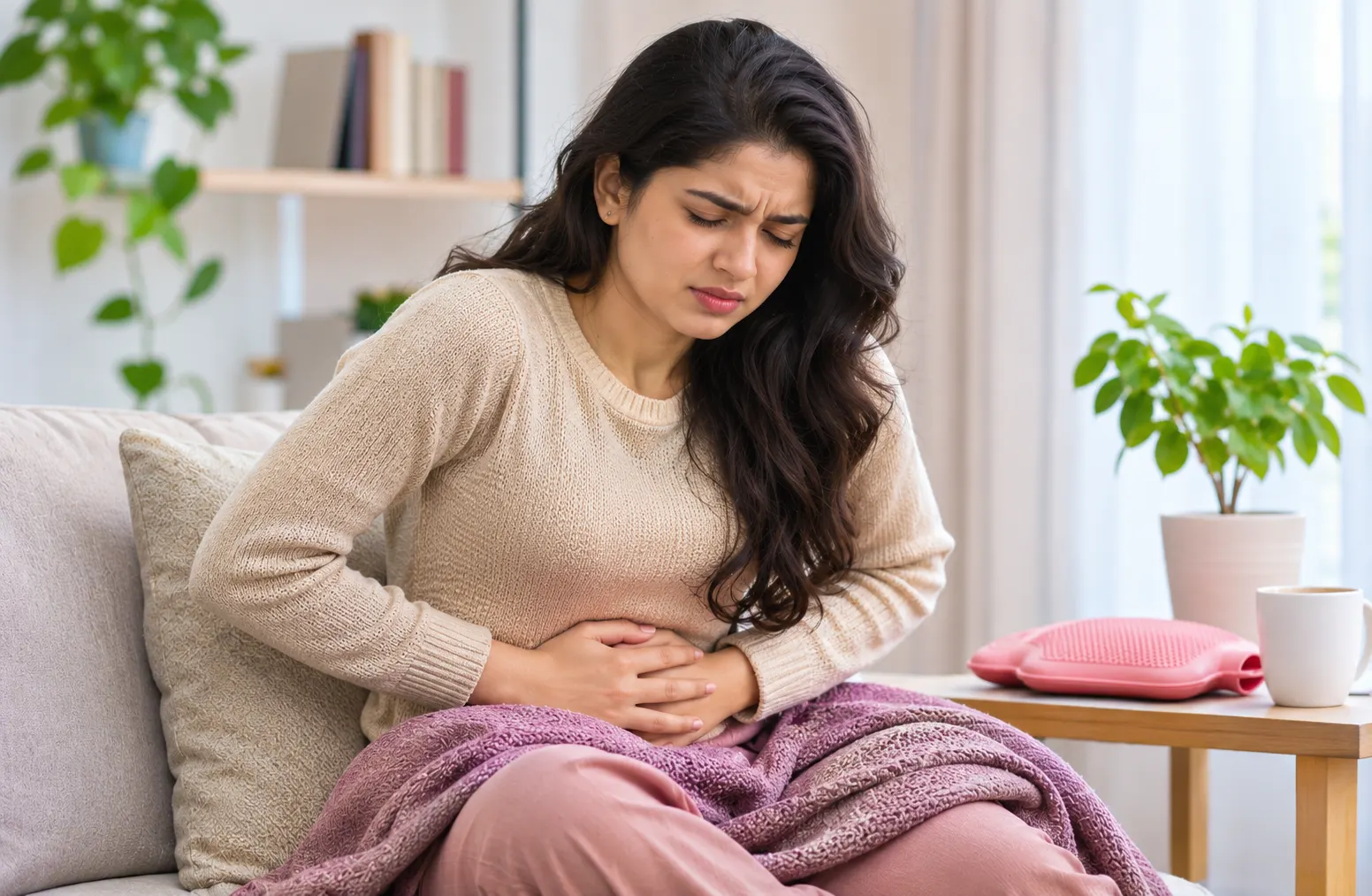
Dysmenorrhea, also called painful periods or period cramps, is pain in the lower abdomen that starts shortly before or with menstrual bleeding. Mild cramps are common, but severe or worsening pain can point to a treatable condition and is worth a medical assessment.

Seamless support from diagnosis to post treatment care
Overview
Period pain can range from mild cramps to discomfort that makes it difficult to attend school, work, or carry out everyday activities. While some cramping is common during menstruation, severe or persistent pain should not be dismissed as something you simply have to live with. Understanding what causes your pain can help you find relief and recognise when you may need medical care.
What Is Dysmenorrhea (Painful Periods)?
Dysmenorrhea is the medical term for painful periods. It usually causes cramping in the lower abdomen, which may spread to the lower back or thighs. Some women also experience nausea, headaches, or changes in bowel movements during their periods.
Dysmenorrhea is one of the most common gynaecological complaints among adolescents and young women. Studies report that it affects approximately 34% to 94% of young women, with a systematic review finding an overall prevalence of 71.1%. The condition can also affect daily activities: around 20.1% of young women in a systematic review reported missing school or university because of menstrual pain.
What is dysmenorrhea caused by? Primary dysmenorrhea is caused by prostaglandin-driven uterine contractions, while secondary dysmenorrhea is caused by underlying conditions such as endometriosis, adenomyosis, or fibroids.
There are two main types of dysmenorrhea:
Primary vs Secondary Dysmenorrhea
| Feature | Primary dysmenorrhea | Secondary dysmenorrhea |
|---|---|---|
| Usual age of onset | Usually begins 6–12 months after the first period, once regular ovulatory cycles become established. | Can develop at any age after periods begin, often appearing later in adulthood. |
| Cause | Increased production of prostaglandins, which cause the uterus to contract during menstruation. | Underlying reproductive conditions such as endometriosis, adenomyosis, or fibroids. |
| Pain pattern | Cramping usually starts shortly before or with menstrual bleeding and lasts around 8–72 hours. It is generally most intense during the first two days. | Pain may become progressively worse, start several days before menstruation, or continue after the period ends. |
| Response to NSAIDs | Usually responds well to non-steroidal anti-inflammatory drugs (NSAIDs), which reduce prostaglandin production and relieve cramps. | Relief may be less effective or incomplete, particularly if the underlying condition is not treated. |
Identifying the type and underlying cause of dysmenorrhea helps your doctor recommend appropriate treatment and address both the pain and any associated reproductive health condition.
Why Period Pain Happens: Prostaglandins and Contractions?
During menstruation, the uterus contracts to shed its inner lining. These contractions are triggered partly by prostaglandins, natural chemicals produced in the lining of the uterus.
When prostaglandin levels are high, the contractions can become stronger and more painful. They can also temporarily reduce blood flow to the uterine muscle, contributing to cramps.
Prostaglandin levels are generally highest around the start of menstruation. This is why period pain often begins just before or when bleeding starts and usually improves over the next few days.
If your pain is unusually severe, continues after your period, or becomes progressively worse, an underlying condition may be contributing to it.
Causes of Painful Periods
Painful periods (dysmenorrhea) may be caused by prostaglandin-driven uterine contractions (primary dysmenorrhea) or underlying conditions such as endometriosis, adenomyosis, and fibroids (secondary dysmenorrhea). Certain infections, structural differences in the reproductive organs, and contraceptive devices can also contribute to menstrual pain.
Common causes include:
- Prostaglandin-driven contractions (primary dysmenorrhea): Prostaglandins are natural chemicals that cause the uterus to contract during menstruation. Higher levels can lead to stronger contractions and painful cramps, even without an underlying pelvic condition.
- Endometriosis: A condition in which tissue similar to the uterine lining grows outside the uterus, potentially causing inflammation and pain.
- Adenomyosis: A condition in which tissue similar to the uterine lining grows into the muscular wall of the uterus. It may cause painful periods and heavy bleeding.
- Fibroids: Non-cancerous growths in or around the uterus that may cause pain, heavy bleeding, or pressure, depending on their size and location.
- Uterine polyps: Small growths in the inner lining of the uterus that may cause irregular or heavy bleeding and sometimes contribute to pelvic discomfort.
- Pelvic inflammatory disease (PID): An infection affecting the reproductive organs that may cause pelvic pain, unusual vaginal discharge, fever, or pain during sex. PID requires prompt medical assessment and treatment to prevent complications.
- Structural differences in the reproductive organs: Congenital differences, such as a uterine septum or other Müllerian anomalies, as well as cervical stenosis (narrowing of the cervix) or an obstruction to menstrual flow, can cause painful periods.
- Copper intrauterine device (IUD): A copper IUD can increase menstrual cramps and bleeding, particularly during the first few months after insertion.
Primary dysmenorrhea is common, but severe, persistent, or changing menstrual pain deserves medical assessment. Your doctor can help determine whether your symptoms are related to the normal menstrual cycle or an underlying condition that needs treatment.
Who Is at Risk for Dysmenorrhea?
Certain factors are associated with a higher likelihood of experiencing painful periods. These may differ between primary dysmenorrhea, which occurs without an underlying pelvic condition, and secondary dysmenorrhea, which is linked to reproductive health conditions.
Factors associated with primary dysmenorrhea include:
- Being under 30 years of age: Painful periods are particularly common during adolescence and early adulthood.
- Starting menstruation early: Beginning periods before the age of 12 may increase the likelihood of painful menstruation.
- Having a family history of painful periods: Women whose mothers or sisters experience dysmenorrhea may be more likely to develop it.
- Having heavy or prolonged menstrual bleeding: Heavier or longer periods are associated with increased menstrual pain.
- Having longer menstrual cycles: Longer intervals between periods may be associated with a greater likelihood of menstrual pain.
- Smoking: Tobacco use is associated with an increased risk of dysmenorrhea.
- Never having given birth: Women who have not had children may be more likely to experience painful periods.
- Experiencing high levels of stress: Psychological stress may be associated with more frequent or severe menstrual pain.
- Having a very low or high BMI: Body weight at either extreme has been associated with menstrual pain in some studies.
For secondary dysmenorrhea, the main risk relates to having an underlying reproductive health condition, such as endometriosis, adenomyosis, or fibroids.
These factors do not determine whether you will develop painful periods. Menstrual pain can occur even without recognised risk factors or an underlying condition.
Symptoms of Dysmenorrhea
The main symptom of dysmenorrhea is cramping pain in the lower abdomen just before or during menstruation. The pain may range from mild to severe and usually lasts for a few days.
Other symptoms may include:
- Pain that spreads to the lower back or thighs.
- Nausea or vomiting.
- Loose stools or diarrhoea.
- Headaches.
- Tiredness or dizziness.
Mild cramps may be manageable with home care. However, pain that regularly affects your sleep, education, work, or everyday activities deserves medical attention.
Red Flags: When Period Pain Needs Medical Attention
Although menstrual cramps are common, certain symptoms may indicate an underlying condition that needs medical assessment.
Consult a gynaecologist if your period pain:
- Is severe, progressively worsening, or does not improve with usual pain relief.
- Does not respond to non-steroidal anti-inflammatory drugs (NSAIDs) after three menstrual cycles of appropriate use.
- Prevents you from attending school, going to work, or carrying out daily activities.
- Begins in adulthood after years of relatively painless periods.
- Occurs alongside unusually heavy or irregular menstrual bleeding.
- Happens during sex or when passing urine or stools.
- Continues outside your menstrual period.
- Occurs with unusual vaginal discharge or fever.
Seek urgent medical attention if you experience:
- Sudden, severe pelvic or abdominal pain, particularly if it is more pronounced on one side.
- A late or missed period accompanied by severe one-sided pelvic pain, especially if pregnancy is possible. This may indicate an ectopic pregnancy (when a fertilised egg implants outside the uterus), which requires urgent medical assessment.
- Severe pelvic pain accompanied by fainting, significant weakness, or dizziness.
- Severe pelvic pain with fever or feeling very unwell.
Do not delay seeking medical attention if you experience these symptoms, as they may indicate a condition requiring prompt treatment.
How Is Dysmenorrhea Diagnosed?
Dysmenorrhea is usually diagnosed through a review of your symptoms, menstrual history, and medical history. Your gynaecologist may recommend additional examinations or tests to identify an underlying condition, particularly if your pain is severe, persistent, or getting worse.
The diagnostic process may include:
- Medical and menstrual history: Your doctor will ask when the pain starts, how long it lasts, where you experience it, and whether it occurs before, during, or after your period. They may also ask about your bleeding pattern, associated symptoms, previous treatments, and family history. Keeping a menstrual pain diary can help track pain intensity, bleeding, and other symptoms across cycles.
- Pelvic examination: A pelvic examination may be recommended to check for tenderness, unusual growths, or other abnormalities in the reproductive organs, particularly when secondary dysmenorrhea is suspected.
- Pelvic ultrasound: An ultrasound uses sound waves to examine the uterus, ovaries, and surrounding structures. It can help identify conditions such as fibroids, ovarian cysts, adenomyosis, or certain structural abnormalities.
- Pregnancy test: If pregnancy is possible, your doctor may recommend a pregnancy test to rule out pregnancy-related causes of pelvic pain, including ectopic pregnancy.
- Infection screening: If symptoms suggest pelvic inflammatory disease (PID), your doctor may recommend tests for sexually transmitted infections (STIs) and other infections.
- MRI or laparoscopy: These investigations may be considered when an underlying condition such as endometriosis or adenomyosis is suspected and further assessment is needed. Laparoscopy is a minimally invasive surgical procedure that allows the doctor to examine the pelvic organs directly.
Does everyone with dysmenorrhea need diagnostic tests?
No. Primary dysmenorrhea is often diagnosed clinically based on typical menstrual pain patterns and medical history, without requiring imaging or invasive investigations. Additional tests are generally recommended when symptoms are unusual, treatment is ineffective, or a secondary cause is suspected.
Possible Complications
The effects of dysmenorrhea depend on its severity and whether an underlying condition is present.
With primary period pain
Primary dysmenorrhea does not usually cause damage to the reproductive organs or lead to infertility. However, recurring pain can affect everyday life and may contribute to:
- Missed school or work.
- Difficulty sleeping.
- Reduced concentration and daily activity.
- Emotional distress when pain recurs each month.
With secondary period pain
Complications depend on the underlying condition. For example:
- Heavy bleeding and anaemia: Some conditions that cause painful periods also cause heavy menstrual bleeding, which may lead to anaemia (a low level of healthy red blood cells).
- Fertility difficulties: Conditions such as endometriosis can affect fertility in some women. Pain alone does not mean that you will have difficulty conceiving.
- Persistent pelvic pain: Conditions such as endometriosis and adenomyosis may cause pain beyond the days of menstruation.
Early assessment can help identify the cause and reduce the effect of pain on your daily life. Treatment is tailored to the condition and your individual needs.
Treatment Options of Dysmenorrhea
Treatment for dysmenorrhea depends on the severity of pain, your medical history, and whether an underlying condition is present. NSAIDs are usually the first-line treatment for primary dysmenorrhea, followed by hormonal treatment if needed.
Self-care and lifestyle
Simple measures can help relieve menstrual cramps:
- Apply heat: Use a warm water bottle or heating pad wrapped in a towel on your lower abdomen. Avoid excessive heat or using heating pads while sleeping.
- Stay active: Walking, stretching, swimming, or yoga may help reduce discomfort.
- Get enough rest: Adequate sleep can help manage pain and fatigue.
- Practise relaxation: Gentle breathing exercises may help you cope with discomfort.
Medical treatment
Your doctor may recommend:
- Anti-inflammatory painkillers (NSAIDs): Medicines such as ibuprofen, naproxen, or mefenamic acid reduce prostaglandin production and relieve cramps. They work best when started at the first sign of pain or bleeding and should be taken with food. They may not be suitable for people with stomach ulcers, kidney problems, or certain other conditions.
- Other pain relief: Paracetamol may help when NSAIDs are unsuitable, although it is generally less effective for menstrual cramps.
- Hormonal treatment: Combined contraceptive pills, progestin-based medicines, or hormonal IUDs can reduce menstrual pain and bleeding. Other options, such as implants or injections, may be considered in selected cases.
Avoid long-term self-medication and follow your doctor's or pharmacist's dosage advice.
How Is Primary Dysmenorrhea Managed?
Management generally follows three steps:
- Step 1 – NSAIDs and heat therapy: Start with anti-inflammatory painkillers and apply heat to the lower abdomen for additional relief.
- Step 2 – Hormonal treatment: If pain persists or you also want contraception, your doctor may recommend suitable hormonal options.
- Step 3 – Further investigation: If there is no improvement after approximately three menstrual cycles of appropriate treatment, your doctor may investigate secondary causes using ultrasound or, in selected cases, laparoscopy.
Regular exercise and TENS (transcutaneous electrical nerve stimulation) may also help some women. Evidence supporting supplements such as magnesium, vitamin B1, vitamin B6, and omega-3 remains limited.
Treating a Secondary Cause
If painful periods are linked to endometriosis, adenomyosis, or fibroids, treatment focuses on managing the underlying condition. Depending on the diagnosis, your doctor may recommend medication, hormonal treatment, or a procedure.
The aim is to relieve pain, manage the underlying condition, and support your reproductive health.
What is the Prognosis (Outlook) for Dysmenorrhea?
The outlook for dysmenorrhea depends on whether it is primary or secondary and how well it responds to treatment.
- Primary dysmenorrhea: Symptoms can often be managed with heat, lifestyle changes and medication. Period pain may also become milder with age or after childbirth, though this varies.
- Secondary dysmenorrhea: The outlook depends on the underlying condition. Treatment can often reduce pain and improve daily functioning, although ongoing care may be needed.
- When symptoms persist: If treatment is not helping, your gynecologist can reassess your symptoms, investigate other possible causes and suggest alternative treatments.
Questions to Ask Your Doctor
Preparing a few questions before your appointment can help you explain your symptoms and understand your treatment choices.
About the cause and tests
- Is my period pain likely to be primary dysmenorrhea or caused by another condition?
- Do I need an ultrasound or any other tests?
- Could endometriosis, adenomyosis, or fibroids be causing my symptoms?
About pain relief and treatment
- Which pain relief options are suitable for me?
- Is it safe for me to use painkillers during each period?
- Could hormonal treatment help reduce my cramps?
- What should I do if my pain continues despite treatment?
About fertility and long-term health
- Could the condition causing my period pain affect my fertility?
- When should I return if my symptoms do not improve?
- Which changes in my pain or bleeding should prompt an earlier appointment?
Sharing your symptoms openly helps your doctor understand what you are experiencing and recommend appropriate care. You can also keep a record of when the pain starts, how long it lasts, how heavy your bleeding is, and whether medication helps.
Prevention & Lifestyle Tips of Dysmenorrhea
Period pain cannot always be prevented, particularly when it is linked to an underlying condition. However, some lifestyle measures may help reduce discomfort and support your general health.
- Stay active: Regular physical activity may help ease cramps and improve overall well-being.
- Avoid smoking: Smoking is associated with more severe menstrual pain. Avoiding tobacco can support your general and reproductive health.
- Eat a balanced diet: Include a variety of nutritious foods to support your overall health.
- Maintain healthy habits: Regular sleep, adequate rest, and a consistent daily routine may help you manage discomfort.
- Manage stress: Relaxation exercises, gentle yoga and other calming activities may help you cope with recurring pain.
These measures may help, but they are not a substitute for medical assessment when pain is severe or persistent. If period pain continues to interfere with your life, consult a gynaecologist to discuss the next steps.
Why Choose BirthRight by Rainbow Hospitals for Dysmenorrhea Care?
At BirthRight by Rainbow Hospitals, we understand that painful periods can affect your comfort, education, work, and everyday life. We encourage women and teenagers to discuss their symptoms openly and seek care when menstrual pain becomes difficult to manage.
- Sensitive, age-appropriate care: We aim to provide a supportive environment where teenagers and adults can discuss menstrual concerns comfortably.
- Individual assessment: We review your symptoms, menstrual history, and medical background to understand the possible cause of your pain.
- Appropriate investigations: When clinically indicated and available at the treating location, we may recommend investigations such as ultrasound to help assess suspected underlying conditions.
- Personalised treatment planning: We discuss suitable pain relief and other treatment options based on your symptoms, medical history and reproductive goals.
- Guidance on ongoing symptoms: We help patients understand when further assessment or specialist input may be needed for persistent or worsening pain.
- Clear information and support: We explain the available options and help you understand the next steps in managing your menstrual health.
Our focus is to help you understand your symptoms, access appropriate care, and make informed decisions about your health. You do not have to accept period pain that repeatedly disrupts your life as something you must simply endure.
If you have painful periods, book an appointment with a gynaecologist at BirthRight by Rainbow Hospitals to discuss your concerns.

Find a Doctor and Book Appointment Online
Meet our specialist doctors who bring together clinical expertise, compassion, and personalised care to support your health and well-being. Choose from 1,300+ specialists across our network and book an appointment with BirthRight and Rainbow Children Hospitals, offering 24*7 support to you and your family.

Dr. Pranathi Reddy A
Clinical Director – Obstetrics & Gynecology.
English,Hindi,Telugu Banjara Hills

Dr. Gauri Vinayak Dhamangaonkar
Senior Consultant - Fetal Medicine
15 Years English,Hindi,Marathi,Telugu Kondapur OP, Banjara Hills

Dr. Shruthi Reddy Poddutoor
Consultant Obstetrician, Gynecologist & Laparoscopic Surgeon
English,Telugu Banjara Hills

Dr. Himabindu Veerla
Consultant Obstetrician, Gynecologist & Laparoscopic Surgeon
English,Telugu Banjara Hills

Dr. Bhargavi Reddy K
Consultant - Obstetrics and Gynecology
10 Years English,Hindi,Telugu Banjara Hills, Attapur Clinic

Dr. Annie Pranutha P
Consultant Obstetrics and Gynecology
9 Years English,Hindi,Telugu Banjara Hills, Attapur Clinic

Dr. Sasikala Kola
Consultant Obstetrician & Gynecologist
English,Hindi,Telugu Banjara Hills

Dr. Atigadda Vijaya
Consultant - Obstetrics & Gynecology
Hindi,Telugu Banjara Hills, Himayatnagar, Attapur Clinic

Dr. Nishanth Reddy Inavolu
Visiting Consultant Physician and Diabetologist & Internal Medicine
English,Hindi,Telugu Banjara Hills, Himayatnagar

Dr. Tulika Tayal
Consultant - Fetal Medicine
English,Telugu Banjara Hills

Dr. M Prathyusha Reddy
Consultant Obstetrics & Gynecology
English,Telugu Banjara Hills

Dr. Nithya Narasimha Murthy
Consultant -Psychiatrist
English,Hindi,Telugu Kondapur OP, Banjara Hills, Child Development Centre - Banjarahills Rd No 10

Dr. Brundavani
Consultant - Nutritionist
English,Hindi,Telugu Kondapur OP, Hydernagar, Banjara Hills, Child Development Centre - Banjarahills Rd No 10

Dr. Niveditha Chalmeda
Consultant
English,Telugu Banjara Hills

Dr. Kirti Reddy Patlolla
Consultant Obstetrics and Gynaecology
English,Telugu Banjara Hills, Attapur Clinic

Dr. Tuheena Sharma
Consultant - Perinatal Physiotherapy
10 Years English,Telugu Banjara Hills

Dr. Aditi Shah
Consultant - Fetal Medicine
English,Telugu Banjara Hills

Dr. Swathi Naga Tulasi Rayapureddy
Lactation Consultant
8 Years English,Telugu Banjara Hills

Dr. Swetha Reddy. S
CONSULTANT PERINATAL PSYCHIATRIST AND WOMEN MENTAL HEALTH SPECIALIST
13 Years English,Hindi,Telugu Banjara Hills

Dr. Addu Kiranmayi
Chief Clinical Nutritionist and Lifestyle Medicine Consultant
15 Years English,Hindi,Telugu Himayatnagar, Banjara Hills

Dr. Palle Nalini Kumari
Lactation Consultant
17+ Years English,Hindi,Telugu Banjara Hills

Dr. Nazia Tabassum
Consultant - Breast, Plastic & Reconstructive Surgeon
9 Years English,Hindi,Telugu,Urdu Banjara Hills

Dr. Sruthi Cheera
Consultant Breast Surgeon
5 Years English,Hindi,Kannada,Telugu Banjara Hills

Dr. Supriya Reddy
Lactation Consultant
5 Years English,Hindi,Telugu Banjara Hills

Dr. Niraj Krishnamurthy Yanamandra
Senior Consultant Obstetrician & Gynaecologist, Laparoscopy & Hysteroscopy Surgeon
English,Hindi,Marathi,Telugu Hydernagar, Banjara Hills, Financial District

Dr. B. Rao Bahadur
Consultant – Obstetrician & Gynecologist, Laparoscopic ,& Hysteroscopic Surgeon
22 Years English,Hindi,Konkani,Marathi,Telugu Banjara Hills, Kondapur OP

Dr. Sneha Kulkarni
Consultant - Child, Adolescent & Adult Psychiatrist
10 Years English,Hindi,Kannada,Telugu Secunderabad, Banjara Hills, Child Development Centre - Banjarahills Rd No 10

Dr. Lavanya Janagama
Consultant – Obstetrics & Gynecology
10+ Years English Banjara HillsLeading Hospitals for Women Care
Rainbow Children's Hospital stands as a testament to the hospital's continual pursuit of excellence and innovation, providing specialized care for women and children


















chennai
Blogs
Discover our most recent health articles provided by our reliable experts.




What Are People Saying About Us
Embark on a journey of inspiration and hope with our patient success stories, complemented by informative videos from our dedicated doctors.


Media
 Common Gynaecological Surgeries to Fix Female Reproductive Issues
 Healthy Woman - Healthy World
 Healthier Women For a Healthier Future...
 Rainbow Children’s Hospital & BirthRight by Rainbow Launch Video Consultation Facilities
 Dr.Pranthi Reddy
 What is the use of that?
 Can you try this time?
 Pregnant Women are Not Unfit
 Declining Age of Menarche - A Matter of Concern
 Important Facts about Cervical Cancer
 Be careful before preempting
 Flu every month!
 Menstrual cramps
 Premature delivery
 Whether laughing or coughing...why?
 Multi - Tasking may be Cool but it's not Healthy
 Pregnant and Worried about COVID-19? Here's Everything you Need to know
 Video Consultation in Pandamic Situation for Pregnancy Women's
 Women.. Various types of cysts
 Recurrent Pregnancy Loss in Women
 Early Onset of Puberty: Causes, Symptoms and Treatment Options
Common Gynaecological Surgeries to Fix Female Reproductive Issues
Healthy Woman - Healthy World
Healthier Women For a Healthier Future...
FAQs
How can I relieve period pain quickly at home?
What causes dysmenorrhea (painful periods)?
What is the best treatment for painful periods?
Is period pain normal? How much pain is normal?
How long does period pain usually last?
What are the red flags for dysmenorrhea?
Is it normal to faint or feel dizzy from period cramps?
Does bad period pain mean I have endometriosis?
Can I go to school or work during painful periods?
Is it safe to take painkillers every month for period cramps?
Will period pain get better after I have a baby?
Why do I get cramps even when my period is late or not coming?
Can an IUD or implant make period pain worse or better?
Does yoga or acupuncture help with period cramps?
Why do I feel angry, tearful, or exhausted around painful periods?
Can period pain affect my fertility?
Does diet or drinking hot water help with period cramps?
How can I talk to my daughter about period pain and manage it at school?
Quick Links
Free Calculators to Track and Predict your Pregnancy
Gynecologist in Other Locations
Women's Health Conditions We Treat
- Mastitis (Breast Infection)
- PCOS (Polycystic Ovary Syndrome)
- Uterine Fibroids (Leiomyomas)
- Recurrent Pregnancy Loss
- Blocked Fallopian Tubes (Fallopian Tube Obstruction)
- Gestational Diabetes in Pregnancy
- Incompetent Cervix (Cervical Insufficiency)
- COVID-19 in Pregnancy
- Cytomegalovirus (CMV) in Pregnancy
- HELLP Syndrome
- Luteal Phase Defect
- Vasa Previa
- Listeria in Pregnancy
- Placenta Previa
- Endometrial Polyps (Uterine Polyps)
- Congenital Heart Disease in Pregnancy
- Hyperemesis Gravidarum (Severe Morning Sickness)
- Preeclampsia (toxemia)
- Fetal Distress (Non-Reassuring Fetal Status)
- Postpartum Haemorrhage (PPH)
- Placental Abruption (Abruptio Placentae)
- Placenta Accreta
- Postpartum Depression (PPD)
- Rhesus (Rh) Incompatibility
- Syphilis in Women
- Thalassemia in Pregnancy
- Gestational Thrombocytopenia
- Diabetes in Pregnancy
- Uterine Rupture
- Migraine in Pregnancy
- Eclampsia
- Uterine Inversion (Inverted Uterus)
- Rubella in Pregnancy
- Pulmonary Hypertension in Pregnancy
- Hydrops Fetalis (Fetal Hydrops)
- Iron-Deficiency Anaemia in Pregnancy
- Hypothyroidism in Pregnancy
- Pregnancy Constipation
- Retained Placenta
- Antiphospholipid Syndrome (APS)
- Subchorionic Hemorrhage
- Asthma in Pregnancy
- Amniotic Fluid Embolism (AFE)
- Placenta Increta
- Fetal Macrosomia
- Gestational Trophoblastic Disease (GTD)
- Postpartum Psychosis
- Chronic Hypertension in Pregnancy
- Gestational Hypertension
- Oligohydramnios (Low Amniotic Fluid)
- Miscarriage (Spontaneous Abortion)
- Breast Abscess
- Ovarian Cancer
- Placental Insufficiency
- Diarrhoea in Pregnancy
- Chorioamnionitis (Intra-Amniotic Infection)
- Arrhythmias in Pregnancy
- Amenorrhea