



Fetal Macrosomia (Big Baby)
Foetal macrosomia, often called a big baby, is a condition in which a baby is born much larger than average, usually weighing more than 4,000 grams. It is linked to high maternal blood sugar, weight and genetics, and it needs growth monitoring and careful delivery planning to lower the risk of birth injury.

Seamless support from diagnosis to post treatment care
Overview
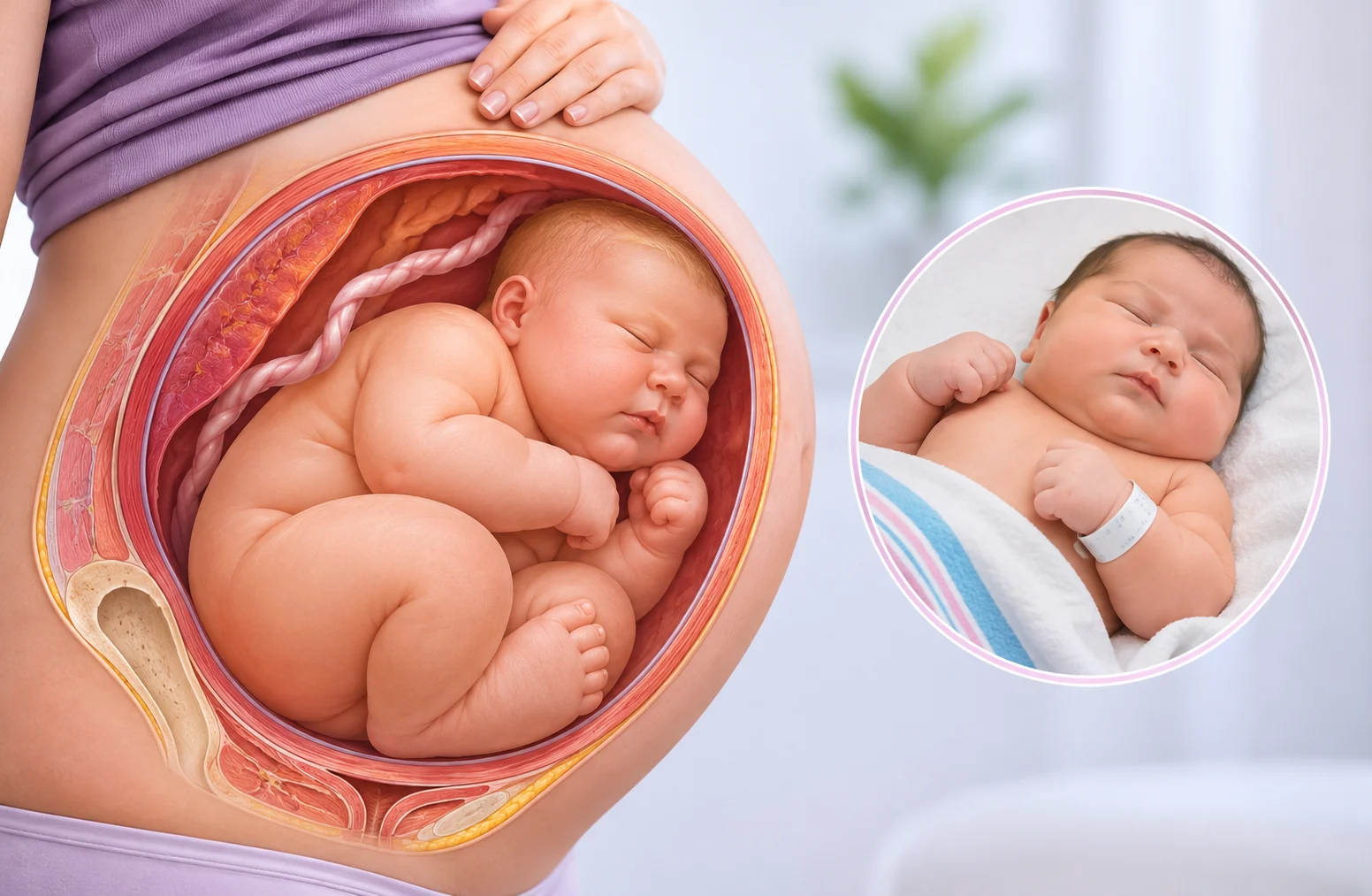
Fetal macrosomia refers to a baby with a birth weight of more than 4,000 grams (approximately 8 lb 13 oz). While many babies with macrosomia are born without complications, a higher birth weight can increase certain risks during labour and delivery.
If your baby is estimated to be larger than average, your doctor may recommend closer growth monitoring and discuss suitable delivery options. Understanding these risks early can help you make informed decisions about your pregnancy and birth.
What Is Fetal Macrosomia (Big Baby)?
"Fetal macrosomia" is the medical term for a baby who is significantly larger than average at birth. Because babies come in all shapes and sizes, doctors use a few standard markers to define it:
- Weight thresholds: Fetal macrosomia is generally defined as a birth weight of 4,000 g (4 kg) or more. Some guidelines use 4,500 g (4.5 kg) as the threshold. The risk of delivery complications increases at higher birth weights, particularly beyond 4,500 g.
- Very high birth weight: Babies weighing 5,000 g (5 kg) or more fall into the highest macrosomia weight category, sometimes called giant babies. This weight may significantly influence delivery planning, including whether to consider a caesarean birth.
- Large for gestational age (LGA): This means a baby's weight is above the 90th percentile for their gestational age, based on a recognised growth chart. A baby can be LGA without having macrosomia, or have macrosomia without being LGA.
Roughly 8 to 10 percent of babies are classified as large for gestational age, although estimates vary. It is also helpful to remember that ultrasound measurements before birth are only estimates. You won't know your baby's exact weight until they arrive, so your medical team uses these estimates as a general guide to tailor your birth plan.
How Do Blood Sugar and Other Factors Affect Baby Size?
When a mother has high blood sugar during pregnancy, excess glucose crosses the placenta and reaches the baby. In response, the baby's pancreas produces more insulin, a condition called fetal hyperinsulinaemia. Higher insulin levels, along with increased growth factors such as IGF-1, can encourage the baby to grow larger. Fetal growth hormone is not the main driver of this process.
When macrosomia is associated with maternal diabetes, the baby may develop greater fat accumulation around the abdomen, trunk and shoulders compared with the head. This pattern of asymmetric growth can increase the risk of shoulder dystocia during vaginal delivery, even at the same birth weight as a baby without diabetes-related macrosomia.
Maintaining good blood sugar control throughout pregnancy can help reduce the risk of excessive fetal growth. If you have diabetes during pregnancy, follow your healthcare team's recommendations for blood glucose monitoring, nutrition, physical activity and treatment. Learn more about Gestational Diabetes in Pregnancy.
Causes and Risk Factors for Fetal Macrosomia
Several factors can increase the likelihood of fetal macrosomia. Some relate to the mother's health during pregnancy, while others involve genetics, previous pregnancies or the baby's development.
Maternal Health and Pregnancy-Related Factors
- Maternal diabetes: Gestational or pre-existing diabetes can cause excessive fetal growth when blood sugar levels remain high.
- Maternal obesity: A higher body mass index (BMI) before pregnancy is associated with an increased likelihood of having a larger baby.
- Excess gestational weight gain: Gaining more weight than recommended during pregnancy may increase the risk of macrosomia.
Other Risk Factors
- Genetics: Babies with larger parents may naturally have a higher birth weight.
- Previous macrosomic baby: Having delivered a large baby before increases the likelihood of another.
- Multiple previous births: Women who have had several previous deliveries may have an increased chance of macrosomia.
- Maternal age: Older maternal age is associated with a modest increase in risk, partly influenced by conditions such as diabetes and obesity.
- Post-term pregnancy: A pregnancy that continues beyond the expected due date may increase the likelihood of a larger baby.
- Male fetal sex: Male babies tend to weigh slightly more than female babies at birth.
- Rare genetic overgrowth conditions: Conditions such as Beckwith-Wiedemann, Sotos and Weaver syndromes may cause excessive growth, although they are uncommon.
Having one or more risk factors does not necessarily mean your baby will have macrosomia. Your doctor will consider your medical history, blood sugar levels and your baby's growth when recommending further monitoring.
Who Is at Risk for Fetal Macrosomia?
Some factors increase the likelihood of a larger baby. Knowing them helps your team monitor growth and plan the birth. The common factors are set out below.
- Obesity before pregnancy
- Gaining more weight than advised during pregnancy
- Having had a large baby before
- Three or more previous births
- A pregnancy that goes past the due date
- Being over the age of 35
Having a risk factor does not mean your baby will certainly be large. Some babies are big without any of these factors. Your team will watch your baby’s growth as part of routine care.
Symptoms of Fetal Macrosomia
Fetal macrosomia usually causes no specific symptoms during pregnancy. However, some mothers may experience increased abdominal discomfort or breathlessness, although these are common in pregnancy and do not necessarily indicate a large baby. Your doctor may also notice that your bump measures larger than expected.
Excess amniotic fluid, known as polyhydramnios, may sometimes be present. However, it can occur for several reasons and does not confirm macrosomia. If you notice reduced fetal movements, contact your maternity team immediately, as this requires assessment regardless of your baby's size.
Possible Complications of Fetal Macrosomia
Fetal macrosomia can increase the risk of complications during childbirth and shortly after birth. The likelihood generally increases with the baby's birth weight, although many larger babies are delivered without serious complications.
Risks During Labour and Delivery
- Shoulder dystocia: The baby's shoulder may become stuck behind the mother's pubic bone during delivery, requiring additional medical assistance.
- Prolonged labour: A larger baby may make labour longer or cause labour to stop progressing, particularly if the baby cannot move down through the birth canal.
- Assisted vaginal delivery: Forceps or vacuum assistance may be needed when labour does not progress as expected.
- Severe perineal tears: A larger baby increases the risk of third- or fourth-degree tears, which affect the muscles around the anus.
- Caesarean delivery: A planned or emergency caesarean may be recommended if vaginal delivery carries increased risks.
- Postpartum haemorrhage: Excessive bleeding after birth may occur if the overstretched uterus does not contract properly, a condition called uterine atony.
- Uterine rupture: Rarely, the uterus may tear during labour, particularly in women with a previous caesarean scar.
The risk of shoulder dystocia rises with birth weight. In one large study of vaginal births without maternal diabetes or assisted delivery, the reported risk increased from approximately 5% at 4,000–4,250 g to 14% at 4,500–4,750 g.
Effects on the Newborn
A larger birth weight can also increase the likelihood of certain complications in newborn babies.
- Birth injuries: Shoulder dystocia may cause a fractured collarbone (clavicle) or injury to the nerves controlling the arm (brachial plexus injury), sometimes resulting in Erb's palsy.
- Birth asphyxia: Difficulties during delivery may temporarily reduce the baby's oxygen supply, requiring immediate medical attention.
- Low blood sugar (neonatal hypoglycaemia): Blood sugar may fall after birth, particularly when the mother has diabetes.
- Breathing difficulties: Some babies may experience breathing problems shortly after birth and need additional monitoring or support.
- Jaundice: Increased bilirubin levels may cause yellowing of the baby's skin and eyes.
- Polycythaemia: An unusually high number of red blood cells may affect blood circulation and increase the risk of other complications.
- Neonatal intensive care unit (NICU) admission: Some babies may require specialised care for breathing difficulties, low blood sugar or birth injuries.
Your maternity team will assess these risks when planning delivery and arrange newborn monitoring or specialised care where needed.
When to contact your doctor: Seek immediate medical advice if you notice reduced fetal movements, leaking amniotic fluid or vaginal bleeding. If labour has not started by your due date, discuss the next steps with your doctor, particularly if your baby is estimated to be large.
Treatment Options for fetal Macrosomia
No treatment directly reduces a baby's size before birth. Care focuses on managing conditions such as diabetes, monitoring fetal growth and planning delivery. The recommended approach depends on the baby's estimated weight, maternal health and possible complications.
- Vaginal delivery: A vaginal birth may be considered when the estimated fetal weight is below 5,000 g without maternal diabetes or 4,500 g with diabetes, provided there are no other concerns. The obstetrician will assess individual risks and prepare for complications such as shoulder dystocia.
- Planned caesarean delivery: A caesarean delivery may be considered when the estimated fetal weight is 5,000 g or more without diabetes or 4,500 g or more with diabetes. These thresholds guide clinical decisions, but surgery is not automatically required.
- Timing of delivery: Routine induction before 39 weeks is not recommended for suspected macrosomia alone. After 39 weeks, the decision to induce labour depends on individual circumstances, as evidence about its benefits remains mixed.
- Managing blood sugar: If you have gestational or pre-existing diabetes, regular blood glucose monitoring, a balanced diet and suitable physical activity can help control blood sugar levels. Your doctor will set appropriate glucose targets and may prescribe insulin or metformin when needed.
- Preparing for delivery: A hospital with experienced obstetricians, anaesthetists and neonatal specialists can provide support if complications arise. Staff should be prepared to manage shoulder dystocia using techniques such as the McRoberts manoeuvre, which involves repositioning the mother's legs to help release the baby's shoulder.
- Newborn monitoring: After birth, some babies may need blood sugar checks, breathing assessments or specialised neonatal care, depending on their condition.
Your obstetrician will recommend a suitable delivery plan based on your pregnancy history, estimated fetal weight and overall health. Regular antenatal assessments help identify any changes that may affect this decision.
What is the Prognosis (Outlook) for fetal Macrosomia?
Most babies with fetal macrosomia are born without serious birth injuries. However, the risk of complications increases with birth weight, particularly in pregnancies affected by diabetes. One study of vaginal births without maternal diabetes reported shoulder dystocia in approximately 5% of babies weighing 4,000–4,250 g and 14% of those weighing 4,500–4,750 g. Most babies with brachial plexus injuries recover, although some may experience lasting difficulties.
If you had gestational diabetes, a 75 g oral glucose tolerance test (OGTT) is recommended 4–12 weeks after delivery, followed by diabetes screening every 1–3 years. Having previously delivered a large baby also increases the likelihood of macrosomia in a future pregnancy, although recurrence is not certain.
Research links higher birth weight with an increased risk of childhood obesity and possible metabolic problems, including type 2 diabetes later in life. However, birth weight alone does not determine future health. Regular paediatric check-ups, balanced nutrition and age-appropriate physical activity can support your child's long-term wellbeing.
Some studies link a large birth size to later weight and blood sugar conditions. These conditions have many other causes, so a large birth is only one factor. A healthy childhood lifestyle makes a real difference. Your team can guide you on how to support your child’s health.
What Questions Should I Ask My Gynaecologist?
A few clear questions help you plan with confidence. Write them down before your appointment. The groups below cover what parents most often want to know.
About your baby’s size and delivery
- How large do you estimate my baby to be?
- How accurate is this estimate?
- Is a vaginal birth still a safe option for me?
- Would you advise planning a caesarean?
About health and monitoring
- Should I be screened for diabetes?
- How will my baby be checked after birth?
- What should I watch for during labour?
- How can I support a healthy pregnancy from here?
No question is too small when you are planning your birth. Understanding your options helps you feel part of the decisions. Your gynecologist would rather answer your worries than leave you unsure.
How to Reduce the Risk of Fetal Macrosomia?
Fetal macrosomia cannot always be prevented, as genetics and other factors influence a baby's growth. However, managing blood sugar, maintaining a healthy weight and following appropriate pregnancy care can help reduce the risk. The following steps may help:
- Screen for gestational diabetes: Get tested at your first antenatal visit and again at 24–28 weeks if the initial result is normal. In India, the DIPSI method uses a 75 g oral glucose test, which can be performed without fasting. Early testing is particularly important if you have risk factors for diabetes.
- Maintain a healthy weight before pregnancy: If you are planning a pregnancy, aim for a healthy body mass index (BMI). The standard healthy range is 18.5–24.9, although health risks may increase at a BMI of 23 or above in Asian populations. Seek medical guidance on weight management before conception.
- Follow recommended pregnancy weight gain: Weight gain depends on your pre-pregnancy BMI. For a single pregnancy, common guidelines recommend 11.5–16 kg for a normal BMI, 7–11.5 kg for an overweight BMI, and 5–9 kg for an obese BMI. Your doctor can recommend an appropriate range.
- Eat a balanced diet: Include vegetables, whole grains, protein and fibre-rich foods. Limit sugary drinks and excessive refined carbohydrates while maintaining adequate nutrition for your baby's growth.
- Stay physically active: If your pregnancy is uncomplicated and your doctor approves, aim for around 30 minutes of moderate activity, such as brisk walking, on five days a week. Start gradually if you have not been exercising regularly.
- Manage existing diabetes: If you have diabetes, monitor your blood sugar and follow your prescribed treatment plan. Before pregnancy, an HbA1c target below 6.5% is generally recommended when safely achievable. Your doctor will set suitable glucose targets during pregnancy.
These measures support healthy pregnancy outcomes but cannot guarantee a particular birth weight. Continue regular antenatal check-ups and follow your obstetrician's advice on growth monitoring.
Why Choose BirthRight by Rainbow Hospitals for Fetal Macrosomia Care?
A large baby is well managed with careful monitoring and shared delivery planning. At BirthRight by Rainbow Hospitals, we offer both as part of our maternity care. We plan each step around a safe birth for you and your baby.
- Growth scans and glucose management: We track your baby’s size and support blood sugar control.
- Shared delivery planning: We talk through your birth options together.
- Experienced obstetric team: Our specialists are prepared for the needs of a larger baby.
- Neonatal team on hand: A skilled newborn team is ready should your baby need support.
- Clear, reassuring guidance: We explain each decision so you feel prepared.
If your baby is estimated to be larger than average, book an antenatal consultation or growth assessment with a BirthRight obstetrician. You can find a specialist and book an appointment at your nearest BirthRight by Rainbow Hospitals centre.

Find a Doctor and Book Appointment Online
Meet our specialist doctors who bring together clinical expertise, compassion, and personalised care to support your health and well-being. Choose from 1,300+ specialists across our network and book an appointment with BirthRight and Rainbow Children Hospitals, offering 24*7 support to you and your family.

Dr. Pranathi Reddy A
Clinical Director – Obstetrics & Gynecology.
English,Hindi,Telugu Banjara Hills

Dr. Gauri Vinayak Dhamangaonkar
Senior Consultant - Fetal Medicine
15 Years English,Hindi,Marathi,Telugu Kondapur OP, Banjara Hills

Dr. Shruthi Reddy Poddutoor
Consultant Obstetrician, Gynecologist & Laparoscopic Surgeon
English,Telugu Banjara Hills

Dr. Himabindu Veerla
Consultant Obstetrician, Gynecologist & Laparoscopic Surgeon
English,Telugu Banjara Hills
Dr. Bhargavi Reddy K
Consultant - Obstetrics and Gynecology
10 Years English,Hindi,Telugu Banjara Hills, Attapur Clinic

Dr. Annie Pranutha P
Consultant Obstetrics and Gynecology
9 Years English,Hindi,Telugu Banjara Hills, Attapur Clinic

Dr. Sasikala Kola
Consultant Obstetrician & Gynecologist
English,Hindi,Telugu Banjara Hills

Dr. Atigadda Vijaya
Consultant - Obstetrics & Gynecology
Hindi,Telugu Banjara Hills, Himayatnagar, Attapur Clinic

Dr. Nishanth Reddy Inavolu
Visiting Consultant Physician and Diabetologist & Internal Medicine
English,Hindi,Telugu Banjara Hills, Himayatnagar

Dr. Tulika Tayal
Consultant - Fetal Medicine
English,Telugu Banjara Hills

Dr. M Prathyusha Reddy
Consultant Obstetrics & Gynecology
English,Telugu Banjara Hills

Dr. Nithya Narasimha Murthy
Consultant -Psychiatrist
English,Hindi,Telugu Kondapur OP, Banjara Hills, Child Development Centre - Banjarahills Rd No 10

Dr. Brundavani
Consultant - Nutritionist
English,Hindi,Telugu Kondapur OP, Hydernagar, Banjara Hills, Child Development Centre - Banjarahills Rd No 10
Dr. Niveditha Chalmeda
Consultant
English,Telugu Banjara Hills

Dr. Kirti Reddy Patlolla
Consultant Obstetrics and Gynaecology
English,Telugu Banjara Hills, Attapur Clinic

Dr. Tuheena Sharma
Consultant - Perinatal Physiotherapy
10 Years English,Telugu Banjara Hills
Dr. Aditi Shah
Consultant - Fetal Medicine
English,Telugu Banjara Hills
Dr. Swathi Naga Tulasi Rayapureddy
Lactation Consultant
8 Years English,Telugu Banjara Hills

Dr. Swetha Reddy. S
CONSULTANT PERINATAL PSYCHIATRIST AND WOMEN MENTAL HEALTH SPECIALIST
13 Years English,Hindi,Telugu Banjara Hills

Dr. Addu Kiranmayi
Chief Clinical Nutritionist and Lifestyle Medicine Consultant
15 Years English,Hindi,Telugu Himayatnagar, Banjara Hills

Dr. Palle Nalini Kumari
Lactation Consultant
17+ Years English,Hindi,Telugu Banjara Hills
Dr. Nazia Tabassum
Consultant - Breast, Plastic & Reconstructive Surgeon
9 Years English,Hindi,Telugu,Urdu Banjara Hills

Dr. Sruthi Cheera
Consultant Breast Surgeon
5 Years English,Hindi,Kannada,Telugu Banjara Hills
Dr. Supriya Reddy
Lactation Consultant
5 Years English,Hindi,Telugu Banjara Hills

Dr. Niraj Krishnamurthy Yanamandra
Senior Consultant Obstetrician & Gynaecologist, Laparoscopy & Hysteroscopy Surgeon
English,Hindi,Marathi,Telugu Hydernagar, Banjara Hills, Financial District

Dr. B. Rao Bahadur
Consultant – Obstetrician & Gynecologist, Laparoscopic ,& Hysteroscopic Surgeon
22 Years English,Hindi,Konkani,Marathi,Telugu Banjara Hills, Kondapur OP

Dr. Sneha Kulkarni
Consultant - Child, Adolescent & Adult Psychiatrist
10 Years English,Hindi,Kannada,Telugu Secunderabad, Banjara Hills, Child Development Centre - Banjarahills Rd No 10
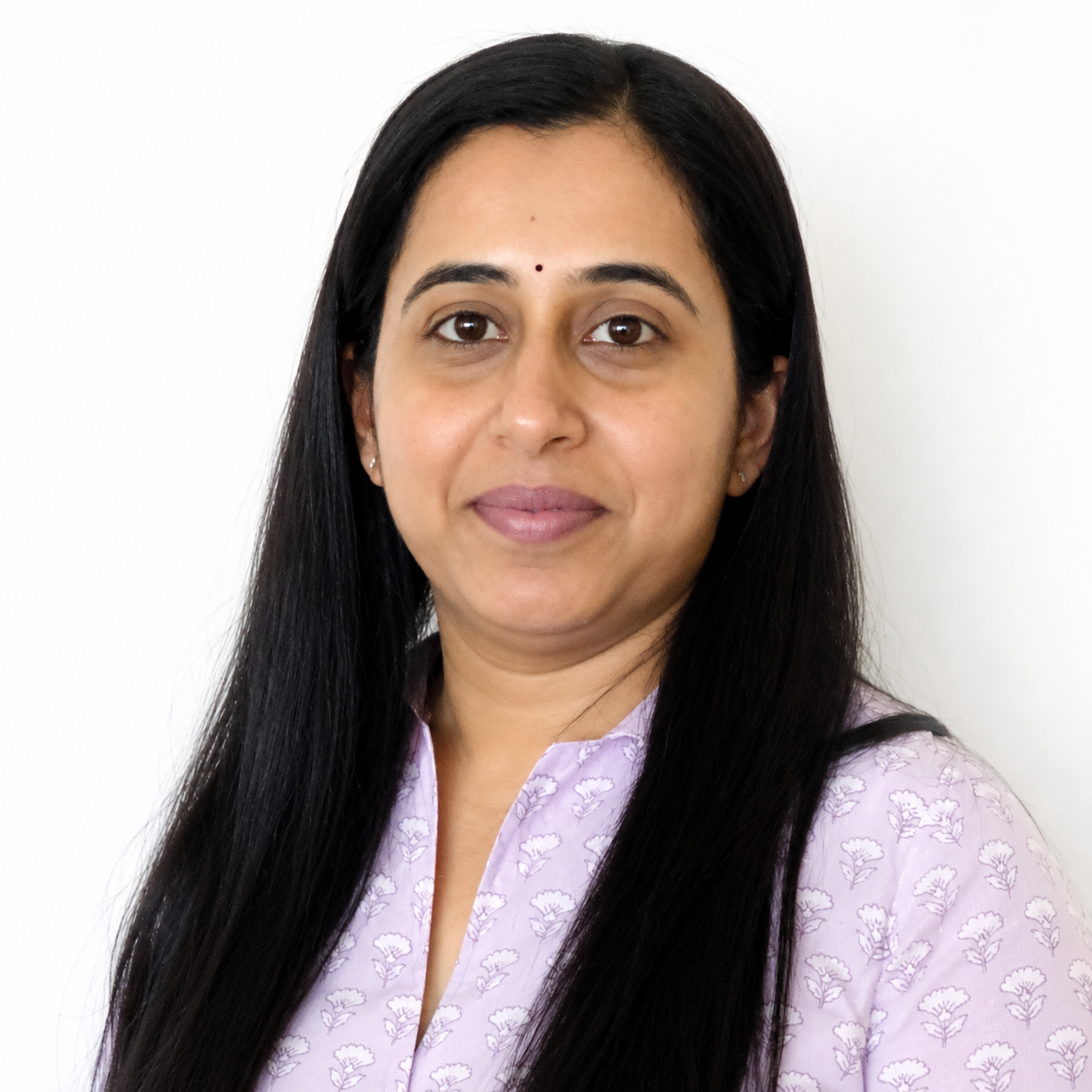
Dr. Lavanya Janagama
Consultant – Obstetrics & Gynecology
10+ Years English Banjara HillsLeading Hospitals for Women Care
Rainbow Children's Hospital stands as a testament to the hospital's continual pursuit of excellence and innovation, providing specialized care for women and children

















chennai
Blogs
Discover our most recent health articles provided by our reliable experts.




What Are People Saying About Us
Embark on a journey of inspiration and hope with our patient success stories, complemented by informative videos from our dedicated doctors.


Media
 Common Gynaecological Surgeries to Fix Female Reproductive Issues
 Healthy Woman - Healthy World
 Healthier Women For a Healthier Future...
 Rainbow Children’s Hospital & BirthRight by Rainbow Launch Video Consultation Facilities
 Dr.Pranthi Reddy
 What is the use of that?
 Can you try this time?
 Pregnant Women are Not Unfit
 Declining Age of Menarche - A Matter of Concern
 Important Facts about Cervical Cancer
 Be careful before preempting
 Flu every month!
 Menstrual cramps
 Premature delivery
 Whether laughing or coughing...why?
 Multi - Tasking may be Cool but it's not Healthy
 Pregnant and Worried about COVID-19? Here's Everything you Need to know
 Video Consultation in Pandamic Situation for Pregnancy Women's
 Women.. Various types of cysts
 Recurrent Pregnancy Loss in Women
 Early Onset of Puberty: Causes, Symptoms and Treatment Options
Common Gynaecological Surgeries to Fix Female Reproductive Issues
Healthy Woman - Healthy World
Healthier Women For a Healthier Future...
FAQs
Can I still try a vaginal birth if my baby is estimated to be big?
What is the normal birth weight of a baby?
At what weight is a baby considered big?
Can I eat less in late pregnancy to stop my baby growing too big?
Is it normal to have a big baby without having diabetes?
Does eating too many sweets or ghee make the baby big?
Will my next baby be big as well?
Is a big baby a sign that my baby is healthier?
Does a big baby make breastfeeding harder?
Will my big baby have low sugar or need newborn unit care?
Can my baby's size change a lot in the last few weeks of pregnancy?
Do I need to deliver at a larger hospital if my baby is big?
Is a big baby more likely to be a boy?
Quick Links
Free Calculators to Track and Predict your Pregnancy
Gynecologist in Other Locations
Women's Health Conditions We Treat
- Mastitis (Breast Infection)
- PCOS (Polycystic Ovary Syndrome)
- Uterine Fibroids (Leiomyomas)
- Recurrent Pregnancy Loss
- Blocked Fallopian Tubes (Fallopian Tube Obstruction)
- Gestational Diabetes in Pregnancy
- Incompetent Cervix (Cervical Insufficiency)
- COVID-19 in Pregnancy
- Cytomegalovirus (CMV) in Pregnancy
- HELLP Syndrome
- Luteal Phase Defect
- Vasa Previa
- Listeria in Pregnancy
- Placenta Previa
- Endometrial Polyps (Uterine Polyps)
- Congenital Heart Disease in Pregnancy
- Hyperemesis Gravidarum (Severe Morning Sickness)
- Preeclampsia (toxemia)
- Fetal Distress (Non-Reassuring Fetal Status)
- Postpartum Haemorrhage (PPH)
- Placental Abruption (Abruptio Placentae)
- Placenta Accreta
- Postpartum Depression (PPD)
- Rhesus (Rh) Incompatibility
- Syphilis in Women
- Thalassemia in Pregnancy
- Gestational Thrombocytopenia
- Diabetes in Pregnancy
- Uterine Rupture
- Migraine in Pregnancy
- Eclampsia
- Uterine Inversion (Inverted Uterus)
- Rubella in Pregnancy
- Pulmonary Hypertension in Pregnancy
- Hydrops Fetalis (Fetal Hydrops)
- Iron-Deficiency Anaemia in Pregnancy
- Hypothyroidism in Pregnancy
- Pregnancy Constipation
- Retained Placenta
- Antiphospholipid Syndrome (APS)
- Subchorionic Hemorrhage
- Asthma in Pregnancy
- Amniotic Fluid Embolism (AFE)
- Placenta Increta