





Luteal Phase Defect: Causes, Symptoms and Treatment
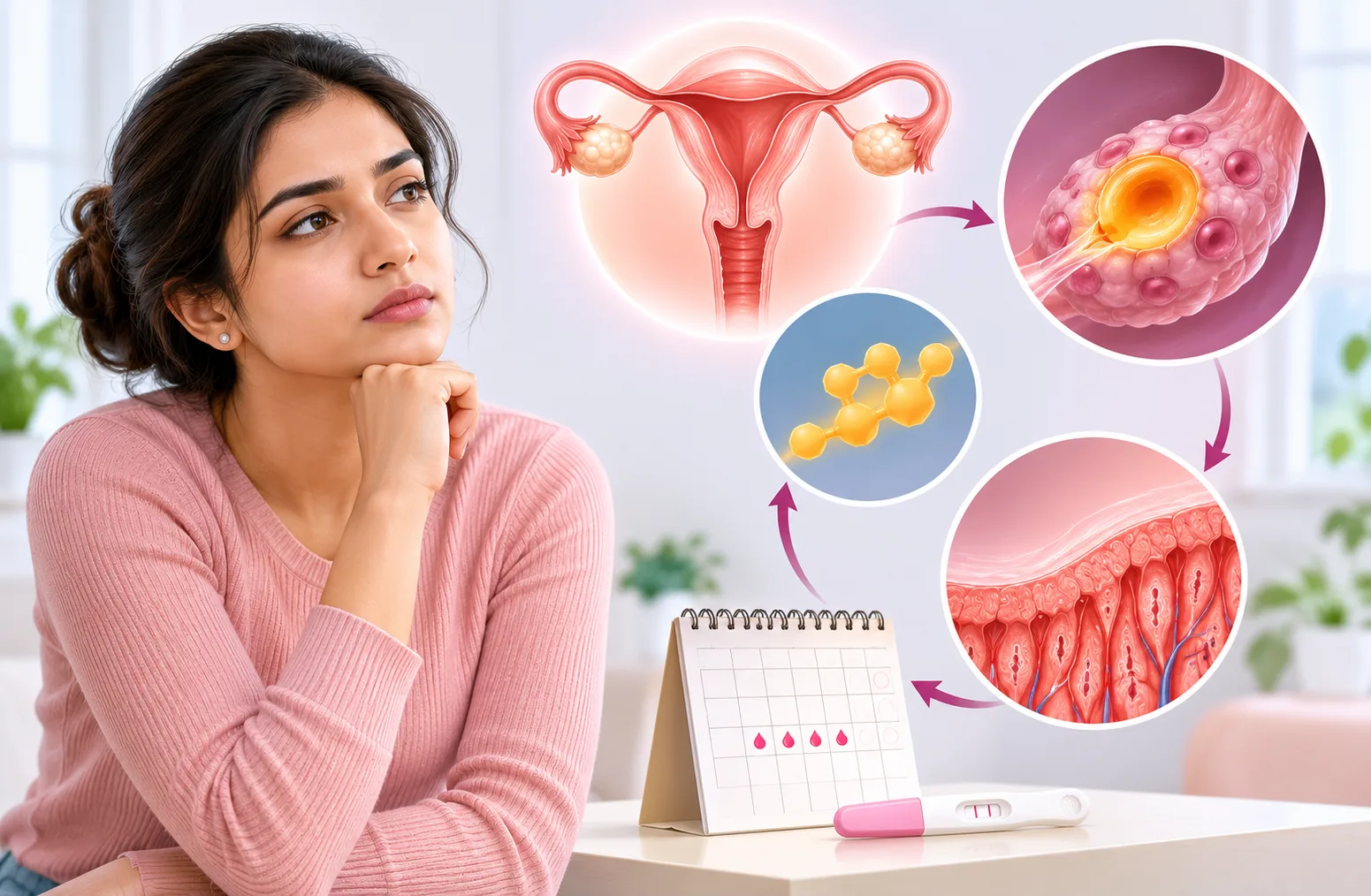
The luteal phase is the part of the menstrual cycle that begins after ovulation and helps prepare the uterus for a possible pregnancy. During a fertility evaluation, your doctor may consider a luteal phase defect, or luteal phase deficiency, if this phase does not provide the hormonal and uterine support expected after ovulation.
Because luteal phase changes can be difficult to assess with a single test, diagnosis usually needs to be considered alongside your menstrual history and other fertility findings. Understanding what normally happens during the luteal phase makes it easier to understand what doctors mean by a luteal phase defect.
What is a Luteal Phase Defect?
A luteal phase defect, also called luteal phase deficiency, may come up during a fertility evaluation when your doctor is looking more closely at how your menstrual cycle may be affecting conception or early pregnancy. The term can sound technical, especially because no single test confirms it in every case.
Your cycle pattern, test results and overall fertility history may all be considered before deciding whether treatment is needed. To understand why, it helps to first look at what a luteal phase defect actually means and what normally happens during this part of the menstrual cycle.
How the Luteal Phase Defect Affects Fertility?
In a normal cycle, progesterone rises after ovulation and prepares the womb lining to receive a fertilised egg. This window is when an embryo needs to implant and begin to grow. The lining has to be thick and ready at just the right time for this to succeed.
When a luteal phase defect reduces progesterone or shortens this window, the lining may not be ready when an embryo arrives. This can make it harder for an embryo to implant, or harder for a very early pregnancy to hold. Understanding this helps explain why progesterone support is often part of treatment.
Causes of Luteal Phase Defect
A luteal phase defect is usually linked to another condition that affects hormones or ovulation rather than happening on its own. Finding and treating the underlying cause is often the key to improving it. Common causes of luteal insufficiency include:
- PMOS: Polyendocrine Metabolic Ovarian Syndrome can disturb ovulation and the hormone balance that follows it.
- Thyroid problems: An underactive or overactive thyroid can affect the menstrual cycle and progesterone.
- Endometriosis: Endometriosis can affect ovulation and the hormonal signals around it.
- High levels of prolactin: Raised prolactin, the hormone linked with milk production, can interfere with ovulation.
- Significant weight concerns: Being well above or below a healthy weight can disturb the hormones that drive the cycle.
- Very intense exercise or stress: Heavy physical strain or ongoing stress can affect ovulation and the luteal phase.
Because luteal hypoplasia often sits alongside another condition, your doctor will look for what is driving it. Treating that root cause frequently improves the luteal phase itself. This is why the first step is usually a careful check of your hormones and cycle.
Risk Factors of Luteal Phase Defect
Some women are more likely to experience luteal insufficiency than others, usually because of a related hormonal or health condition. Knowing your risk helps your doctor decide what to look for. The main risk factors are below.
- A hormonal condition: PCOS, thyroid problems or raised prolactin all raise the chance of a luteal phase defect.
- Endometriosis: This condition is linked with changes in ovulation and the luteal phase.
- Weight that is very high or very low: A body weight far from the healthy range can disturb the cycle.
- High physical or emotional stress: Intense training or sustained stress can affect hormone balance.
- Being closer to menopause: Cycles can become less regular as the ovaries age, affecting the luteal phase.
Having a risk factor does not mean you have a luteal phase defect, and many women with these conditions conceive without trouble. The point is simply that they are worth checking if conceiving is proving difficult. Your doctor can look into them as part of a fertility review.
Symptoms of Luteal Phase Defect
A luteal phase defect does not always cause obvious symptoms, and it is often noticed only when conceiving is difficult. When signs are present, they tend to relate to the cycle and to early pregnancy. The possible luteal phase defect symptoms are below.
- A short cycle: Cycles that are shorter than usual, sometimes under 21 days.
- Spotting before a period: Light bleeding or spotting in the days before your period starts.
- Trouble conceiving: Difficulty getting pregnant despite regular trying.
- Early miscarriage: One or more very early pregnancy losses.
- Frequent periods: Periods that seem to come more often than expected.
These signs can have many causes besides a luteal phase defect, so they are not proof on their own. They are, however, a good reason to speak to your doctor, especially if you are trying to conceive. Tracking your cycle can give useful information to share at that visit.
Complications of Luteal Phase Defect
The main concerns with a luteal phase defect relate to fertility rather than to general health. Because the womb lining may not be fully ready, both conceiving and holding an early pregnancy can be affected. The possible complications are below.
- Difficulty conceiving: An unprepared lining can make it harder for an embryo to implant.
- Recurrent early miscarriage: Low progesterone support can contribute to repeated early pregnancy loss.
These are the reasons a luteal phase defect is worth addressing when you are trying for a baby. The encouraging part is that treatment can often help both concerns. Support for the luteal phase is a well-established part of fertility care.
Treatment Options for Luteal Phase Defect
The good news is that luteal phase defect treatment is usually straightforward and does not require IVF. Care focuses on supporting progesterone, encouraging good ovulation and treating any underlying cause. Your doctor will tailor the plan to you, and the main options are below.
- Progesterone support: Extra progesterone after ovulation helps the womb lining develop and support an early pregnancy.
- Ovulation support: Medicines that encourage strong ovulation can improve the luteal phase that follows.
- Treating the underlying cause: Managing a thyroid problem, PCOS, or raised prolactin often improves the luteal phase.
- Lifestyle adjustments: Reaching a healthy weight, easing very intense exercise and managing stress can all help.
Because a luteal phase defect usually responds to simple measures, most women do not need advanced fertility treatment for it. The aim is to restore the natural hormone balance so a pregnancy can take hold. Your doctor will explain which steps are right for your situation.
What is the Prognosis (Outlook) for Luteal Insufficiency?
The outlook for women with luteal insufficiency is generally positive. Once the cause is found and treated, many women go on to conceive and carry healthy pregnancies. Progesterone support and treating any related condition make a real difference for most.
It helps to remember that a luteal phase defect is usually a treatable piece of the picture rather than a permanent barrier. Many women simply need the right hormonal support at the right time. With that support, the chances of a successful pregnancy are good.
What Questions Should I Ask My Doctor?
Going into your appointment with a few questions ready helps you understand your situation. The prompts below give you a useful starting point. There are no wrong questions about your fertility.
- How will you check whether I have a luteal phase defect?
- Could another condition, such as a thyroid or ovulation problem, be the cause?
- Would progesterone support help me, and when would I start it?
- Do I need any treatment before trying to conceive?
- Will I need progesterone support during pregnancy as well?
- How long should we try this approach before reviewing it?
Writing your questions down makes it less likely you'll forget them on the day. A clear conversation helps you understand your options and feel more in control. Your doctor can guide you through each step.
Prevention and Lifestyle Tips for Luteal Phase Defect
You cannot always prevent a luteal phase defect, especially when it comes from another condition. Even so, some habits support a healthy cycle and hormone balance. The tips below are gentle, practical steps rather than strict rules.
- Aim for a healthy weight: Keeping to a healthy weight supports the hormones that drive the cycle.
- Keep exercise moderate: Very intense training can affect ovulation, so balance is helpful.
- Manage stress: Finding ways to ease ongoing stress supports your hormone balance.
- Track your cycle: Noting your cycle length and symptoms gives your doctor useful information.
- Treat related conditions: Keeping any thyroid or hormonal condition well managed helps the luteal phase.
None of these steps guarantees results, and needing treatment is not a failure. They simply support your body alongside any medical care. Combined with your doctor's advice, they help your cycle work well.
Why Choose Birthright Fertility by Rainbow Hospital for Luteal Insufficiency Care?
Birthright Fertility by Rainbow Hospitals provides coordinated fertility and hormonal care for women with luteal insufficiency. Key strengths include:
- Detailed fertility assessment: Specialists evaluate ovulation, hormone levels and other factors that may affect the luteal phase.
- Hormonal evaluation: Testing helps doctors understand whether progesterone or other hormonal factors may be contributing to the condition.
- Individualised treatment planning: Care is planned according to your test results, fertility history and any underlying condition.
- Progesterone support when needed: Your doctor may recommend progesterone support depending on your individual assessment.
- Care for related conditions: If another fertility or hormonal condition is present, specialists can address it as part of the same treatment plan.
- Coordinated fertility care: Evaluation, treatment and follow-up are managed within the same care network for better continuity.
- Three decades of expertise: Rainbow Hospitals brings extensive experience in women’s and children’s healthcare to fertility management.