

PCOS (Polycystic Ovary Syndrome)
Polycystic ovary syndrome (PCOS), also referred to clinically as polyendocrine metabolic ovarian syndrome (PMOS), is a common hormonal and metabolic disorder in women of reproductive age. It is linked to hormonal imbalance, insulin resistance and genetics, and can cause irregular periods, weight gain, acne, excess hair growth and fertility problems because ovulation becomes irregular.

Seamless support from diagnosis to post treatment care
Overview
If you have been told you have PCOS, or you are reading up because your periods are irregular, you are far from alone. Polycystic ovary syndrome is one of the most common hormonal conditions in women of reproductive age. The World Health Organisation estimates it affects around 8 to 13 percent of women worldwide. In India, prevalence studies suggest the figure is higher, with some reporting that roughly one in five young Indian women is affected.
The good news is that PCOS is very manageable. With the right treatment and lifestyle support, most women keep their symptoms under control, and those who want children can usually conceive with the right care.
What is PCOS (Polycystic Ovary Syndrome)?
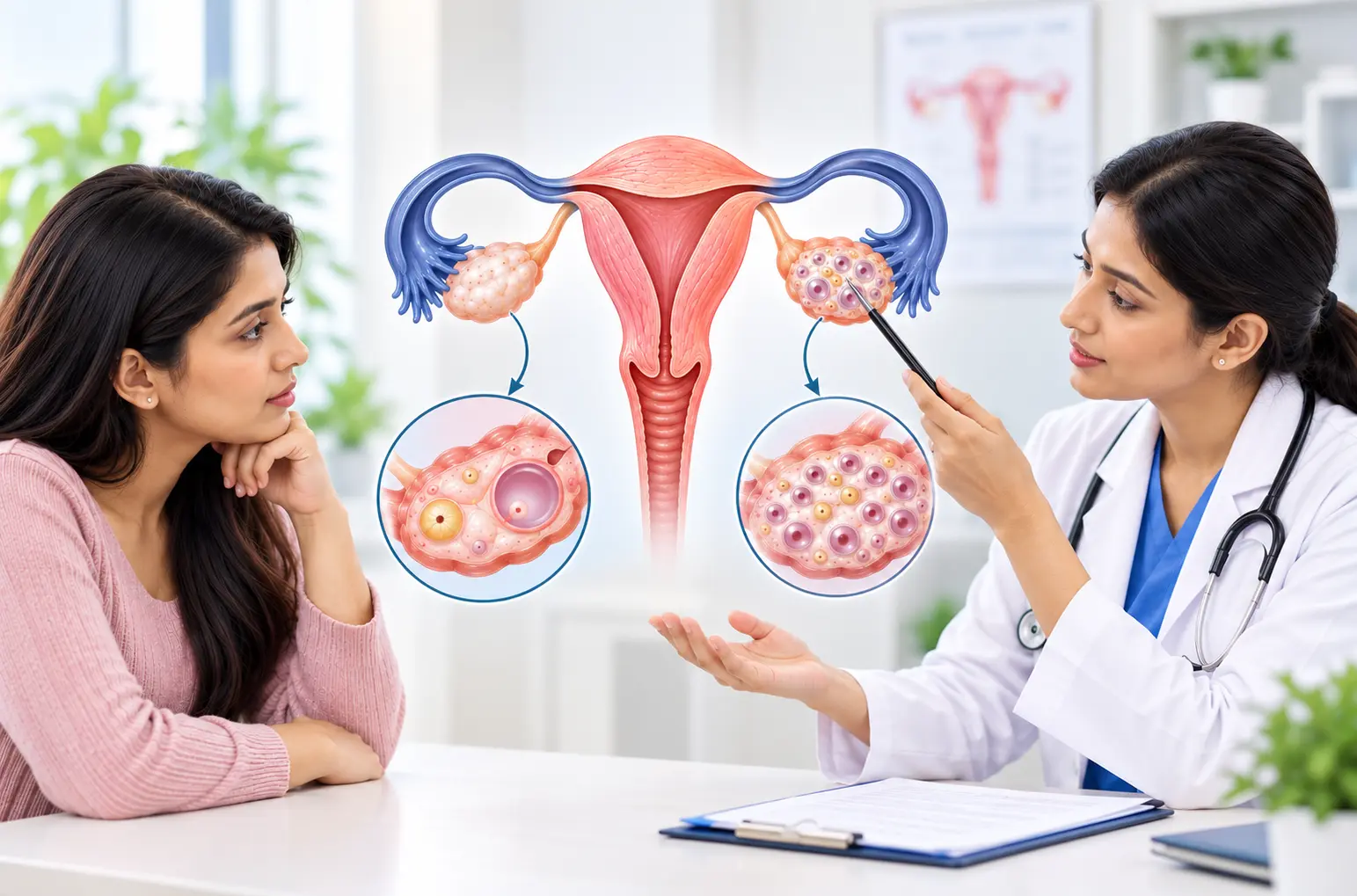
PCOS, or polycystic ovary syndrome, is a hormonal condition in which the ovaries do not release eggs as regularly as they should. This leads to irregular periods and higher-than-usual levels of certain hormones. In many women, it also shows up as polycystic ovaries, meaning ovaries with many small fluid-filled sacs (follicles) on ultrasound. It is a syndrome, which means a group of related features rather than a single symptom, and it looks a little different in each woman.
In May 2026, PCOS was officially renamed polyendocrine metabolic ovarian syndrome (PMOS), to better reflect its effects on hormones and metabolism. It is the same condition, and both names are in use during the transition. You may also hear the term PCOD (polycystic ovarian disease), which is widely used in India. PCOD is not a separate medical diagnosis; in everyday use, it refers to the same condition doctors call PCOS.
How PCOS Affects the Ovaries and Hormones
In a typical cycle, an egg matures in the ovary and is released each month. In PCOS, this is disrupted by an imbalance in several hormones working together. Understanding these helps explain why the symptoms appear the way they do.
- Higher androgens: Women with PCOS often have slightly raised levels of androgens, sometimes called male-type hormones, which everyone has in small amounts. This drives symptoms such as extra facial or body hair and acne.
- Insulin resistance: Many women with PCOS have insulin resistance, so the body makes more insulin to keep blood sugar steady. The extra insulin can push the ovaries to make more androgens.
- LH and FSH imbalance: The brain signals that tell the ovary when to release an egg can be out of balance, so ovulation becomes irregular or stops for stretches.
On ultrasound, the ovaries often show many small follicles, an appearance called polycystic ovarian morphology (PCOM). Despite the name, these are not harmful cysts and do not need to be removed; they are immature follicles that were not released. PCOM is also seen in women without PCOS, so a scan alone does not confirm the diagnosis.
Causes of PCOS
The exact cause of PCOS is not fully understood, though research points to a combination of factors rather than any single one. Most PCOS causes are outside your control, which is important to remember. The main contributors are below.
- Genetics and family history: PCOS often runs in families, so if your mother or sister has it, your own chances are higher.
- Hormonal imbalance: Raised androgen levels interfere with regular ovulation and produce many of the visible symptoms.
- Insulin resistance: A central feature of PCOS that links it to weight and, over time, the risk of diabetes.
- Lifestyle and weight: Being above a healthy weight can worsen insulin resistance, though PCOS also affects slim women, so it is never simply about weight.
It is worth knowing that PCOS is not something you caused by anything you did. It is a medical condition with biological roots. Understanding that can take away a lot of unnecessary guilt and help you focus on managing it well.
Risk Factors that can Worsen PCOS
Certain factors make PCOS more likely, though having them does not mean you will definitely develop it. They fall broadly into family-related and lifestyle-related groups. Knowing your own risk can help you seek advice sooner.
Family history and existing conditions
- A mother, sister or aunt with PCOS or type 2 diabetes.
- A personal history of insulin resistance or prediabetes.
- Irregular periods since your teenage years.
Lifestyle and metabolic factors
- Being above a healthy weight, particularly weight carried around the abdomen.
- A largely inactive routine with little regular physical activity.
- A diet high in refined carbohydrates and sugar, which can worsen insulin resistance.
If several of these apply to you and your periods are irregular, it is worth speaking to your gynaecologist. Early awareness makes the condition easier to manage.
Symptoms of Polycystic Ovary Syndrome (PCOS)
PCOS symptoms vary widely. Some women have only mild signs, while others notice several. They tend to fall into two groups, reproductive and metabolic, as set out below.
Menstrual and reproductive symptoms
- Irregular, infrequent or absent periods.
- Difficulty getting pregnant, because ovulation is irregular.
- Heavier or unpredictable bleeding when periods do come.
Skin, hair and metabolic symptoms
- Excess hair growth on the face, chest or back, known as hirsutism.
- Acne or oily skin, and sometimes thinning of the hair on the scalp.
- Weight gain or difficulty losing weight.
- Darkened patches of skin, often around the neck or in skin folds.
If you recognise several of these, it is worth seeing a doctor. None of them on its own confirms PCOS, and each can have other explanations. That is exactly why a proper assessment matters, which the next section explains.
How is PCOS (Polycystic Ovary Syndrome) Diagnosed?
There is no single test for PCOS. Doctors diagnose it by looking at the whole picture, using a widely accepted standard called the Rotterdam criteria. The three checks below guide the diagnosis.
- Irregular or absent ovulation: Shown by irregular, infrequent or missing periods.
- Signs of raised androgens: Either physical signs such as excess hair or acne, or a blood test showing higher androgen levels.
- Polycystic ovaries on ultrasound: Many small follicles seen on a pelvic scan.
In teenagers, within eight years of the first period, PCOS is diagnosed only when both irregular cycles and raised androgens are present; ultrasound and AMH are not used at this age. Your doctor will also check thyroid and prolactin levels to rule out other causes, and may recommend a glucose tolerance test to assess blood sugar.
Complications of Untreated PCOS
PCOS is very manageable, though if left unaddressed over many years, the imbalances behind it can raise the risk of other health problems. Knowing about the possible PCOS complications is what makes prevention possible. The table below summarises the main areas to watch.
| Health area | What to know | How it is managed |
|---|---|---|
| Blood sugar and diabetes | Insulin resistance can progress to type 2 diabetes over time. | Weight management, diet, exercise, and medication such as metformin when advised. |
| Heart and blood pressure | PCOS is linked to higher long-term cardiovascular risk. | Regular checks, a heart-healthy lifestyle, and treating related factors. |
| Endometrial health | Very infrequent periods can thicken the uterine lining and, rarely, raise cancer risk. | Restoring regular cycles with medication and periodic review. |
| Emotional wellbeing | PCOS can affect mood, confidence and mental health. | Support, counselling where helpful, and treating the underlying symptoms. |
On the common worry about cancer, PCOS does not directly cause it. The link is an indirect and modest rise in the risk of endometrial cancer when periods are very infrequent for a long time. Keeping cycles regular, which is a routine part of PCOS care, substantially reduces this risk.
Treatment Options for PCOS
There is no single treatment for PCOS, because care is tailored to your symptoms and your goals. Looking at PCOS symptoms and treatment together, that might mean regulating your cycle, managing skin and hair symptoms, improving metabolic health, or getting pregnant. Most plans combine lifestyle changes with medical support, as the table shows.
| Approach | Who it suits | What it involves |
|---|---|---|
| Lifestyle management | Almost everyone with PCOS, as the foundation of care | Balanced diet, regular activity, and gradual weight management, which can noticeably improve symptoms and ovulation. |
| Medical management of symptoms | Those with irregular cycles, acne or excess hair | Medication to regulate periods and reduce androgen-related symptoms, and metformin for insulin resistance where indicated. |
| Ovulation induction | Women trying to conceive | Tablets or injections to encourage the ovaries to release an egg, with cycle monitoring. |
| Laparoscopic ovarian drilling | Selected women who do not respond to ovulation medication | A minor keyhole procedure that can help restore ovulation in some cases. |
| IUI and IVF | Couples who need more fertility support | IUI places prepared sperm into the uterus; IVF fertilises eggs in the laboratory and transfers an embryo. |
If your main concern is fertility, our ovulation induction, IUI and IVF pages explain those treatments in more detail. Your fertility specialist will recommend the gentlest effective option for your situation. Care usually starts simple and steps up only if needed.
What is the Outlook (Prognosis) for PCOS?
Many women search for how to cure PCOS permanently, so it helps to be honest and reassuring together. PCOS cannot be permanently cured because it is a long-term condition tied to your hormones and metabolism. It can, however, be managed very well, often to the point where symptoms fade into the background of daily life.
With lifestyle support and the right medical care, most women regulate their cycles, control skin and weight symptoms, and lower their long-term risks. When it comes to fertility, the outlook is genuinely encouraging. With treatment, the great majority of women with PCOS who want to conceive are able to have a baby. PCOS is a condition you live well with, not one that has to define your future.
Diet and Lifestyle Tips for Managing PCOS
For most women, day-to-day habits are the foundation of PCOS care, and small, steady changes work better than drastic ones. The aim is to keep blood sugar steady and support regular cycles. The suggestions below use foods common in Indian kitchens.
- Choose steady-energy carbohydrates: Favour millets (bajra, ragi, jowar), whole grains and legumes such as dal and chana over white rice, maida and sugary foods.
- Get enough protein: Include dal, paneer, eggs, curd and lean protein to keep you full and blood sugar stable.
- Stay active most days: Regular walking, yoga or exercise improves insulin sensitivity even before any weight change.
- Aim for gradual weight management: If you are above a healthy weight, even a modest loss can restore more regular cycles.
- Track your cycle: Note your periods so you spot changes early and have useful information for your doctor.
None of this needs to be extreme to help. Consistent, realistic changes to what is already on your plate often make the biggest difference. See a doctor if your periods are very irregular, rather than waiting, as earlier support makes management easier.
What Questions Should You Ask Your Doctor?
Coming to your appointment with a few questions ready helps you get the most from it. The prompts below are a useful starting point. Feel free to add your own.
- How was my PCOS diagnosed, and which of my symptoms point to it?
- Do I have insulin resistance, and should my blood sugar be checked?
- What lifestyle changes would make the biggest difference for me?
- If I want to get pregnant, what are my options and where would we start?
- Which long-term health checks should I have, and how often?
Do not hesitate to ask your doctor to explain any term you do not understand. Clear answers help you make decisions with confidence. Writing the answers down can help you remember them later.
Why Choose BirthRight Fertility by Rainbow Hospitals
PCOS sits at the meeting point of hormones, metabolism and fertility, so it is best cared for by a team that sees the whole picture. That is what BirthRight Fertility by Rainbow Hospitals is built to offer. The points below show what that means for your care.
- A whole-picture team: Gynaecology, fertility and metabolic care brought together under one roof.
- Advanced diagnostics: Accurate assessment of your hormones, ovulation and metabolic health.
- Personalised plans: From lifestyle and cycle management to fertility treatment when you want to conceive.
- Ongoing support: Care that follows you over time, not just a single appointment.
BirthRight Fertility by Rainbow Hospitals brings three decades of expertise in fertility, with thousands of successful gynaecological surgeries and more than 100,000 parenthood journeys supported across 15 Level II fertility centres in India. If PCOS is affecting your periods, your confidence or your plans for a family, our specialists can assess your situation. Booking a consultation is a good first step.
Disclaimer
This content is for general educational purposes and does not replace professional medical advice. PCOS varies from person to person, and prevalence figures and management approaches are indicative. Consult a qualified doctor for diagnosis and treatment suited to your own case.

Find a Doctor
Expertise you can trust, Meet our esteemed doctors who bring exceptional knowledge, compassion, and innovation to provide top-notch care for your health and well-being.

Dr. Pranathi Reddy A
Clinical Director – Obstetrics & Gynecology.
English,Hindi,Telugu Banjara Hills

Dr. Gauri Vinayak Dhamangaonkar
Senior Consultant - Fetal Medicine
15 Years English,Hindi,Marathi,Telugu Kondapur OP, Banjara Hills

Dr. Shruthi Reddy Poddutoor
Consultant Obstetrician, Gynecologist & Laparoscopic Surgeon
English,Telugu Banjara Hills

Dr. Himabindu Veerla
Consultant Obstetrician, Gynecologist & Laparoscopic Surgeon
English,Telugu Banjara Hills
Dr. Bhargavi Reddy K
Consultant - Obstetrics and Gynecology
10 Years English,Hindi,Telugu Banjara Hills, Attapur Clinic
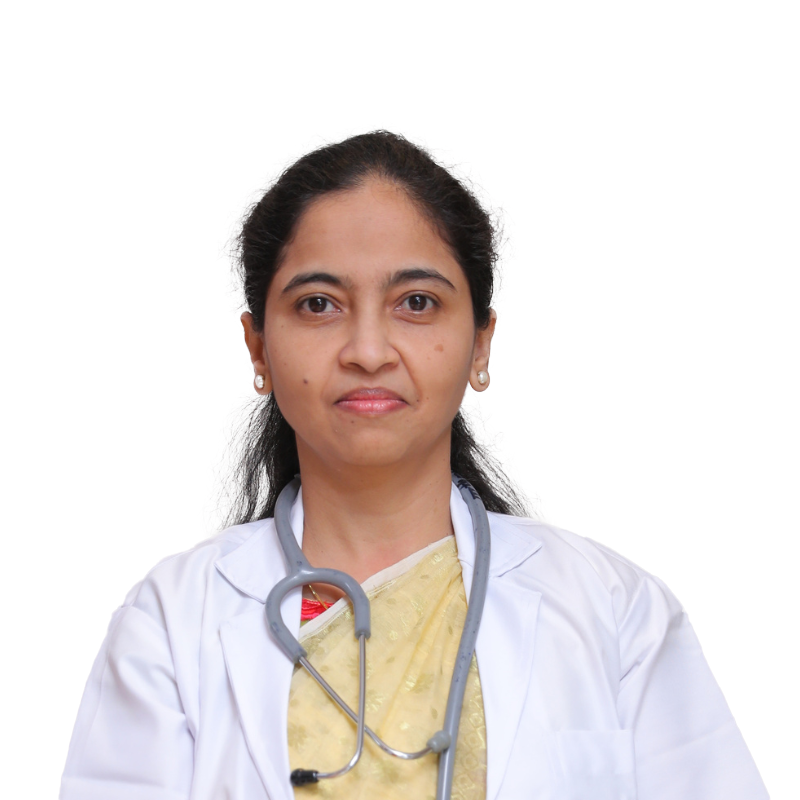
Dr. Annie Pranutha P
Consultant Obstetrics and Gynecology
9 Years English,Hindi,Telugu Banjara Hills, Attapur Clinic

Dr. Sasikala Kola
Consultant Obstetrician & Gynecologist
English,Hindi,Telugu Banjara Hills

Dr. Atigadda Vijaya
Consultant - Obstetrics & Gynecology
Hindi,Telugu Banjara Hills, Himayatnagar, Attapur Clinic

Dr. Nishanth Reddy Inavolu
Visiting Consultant Physician and Diabetologist & Internal Medicine
English,Hindi,Telugu Banjara Hills, Himayatnagar

Dr. Tulika Tayal
Consultant - Fetal Medicine
English,Telugu Banjara Hills

Dr. M Prathyusha Reddy
Consultant Obstetrics & Gynecology
English,Telugu Banjara Hills

Dr. Nithya Narasimha Murthy
Consultant -Psychiatrist
English,Hindi,Telugu Kondapur OP, Banjara Hills, Child Development Centre - Banjarahills Rd No 10

Dr. Brundavani
Consultant - Nutritionist
English,Hindi,Telugu Kondapur OP, Hydernagar, Banjara Hills, Child Development Centre - Banjarahills Rd No 10
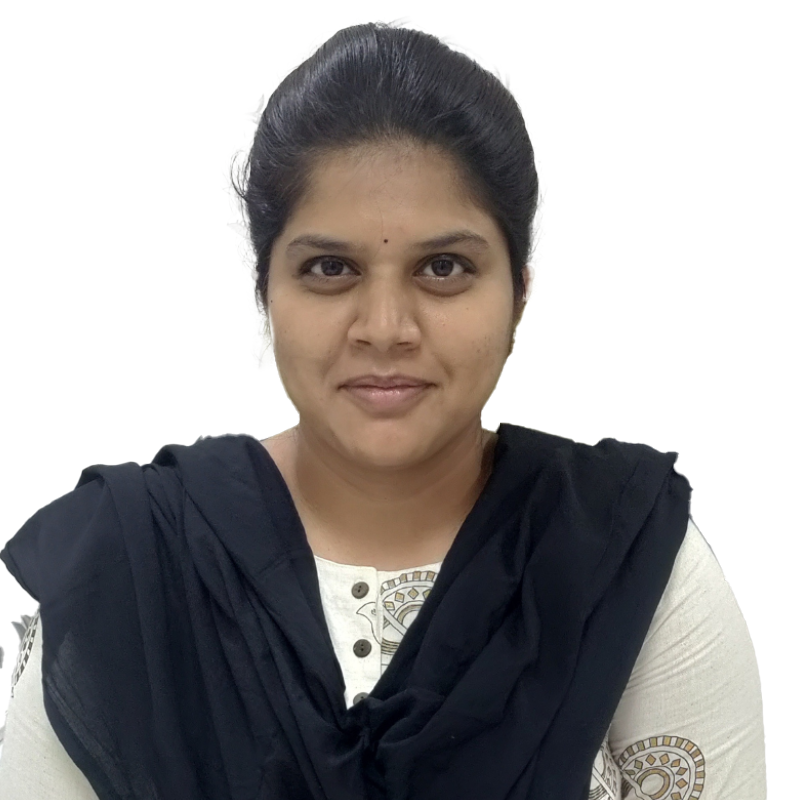
Dr. Niveditha Chalmeda
Consultant
English,Telugu Banjara Hills
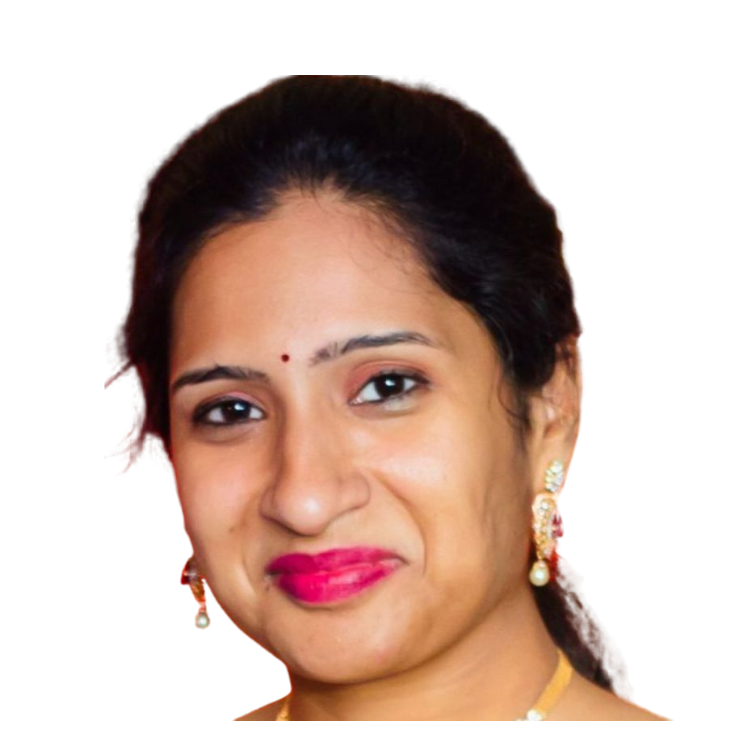
Dr. Kirti Reddy Patlolla
Consultant Obstetrics and Gynaecology
English,Telugu Banjara Hills, Attapur Clinic

Dr. Tuheena Sharma
Consultant - Perinatal Physiotherapy
10 Years English,Telugu Banjara Hills
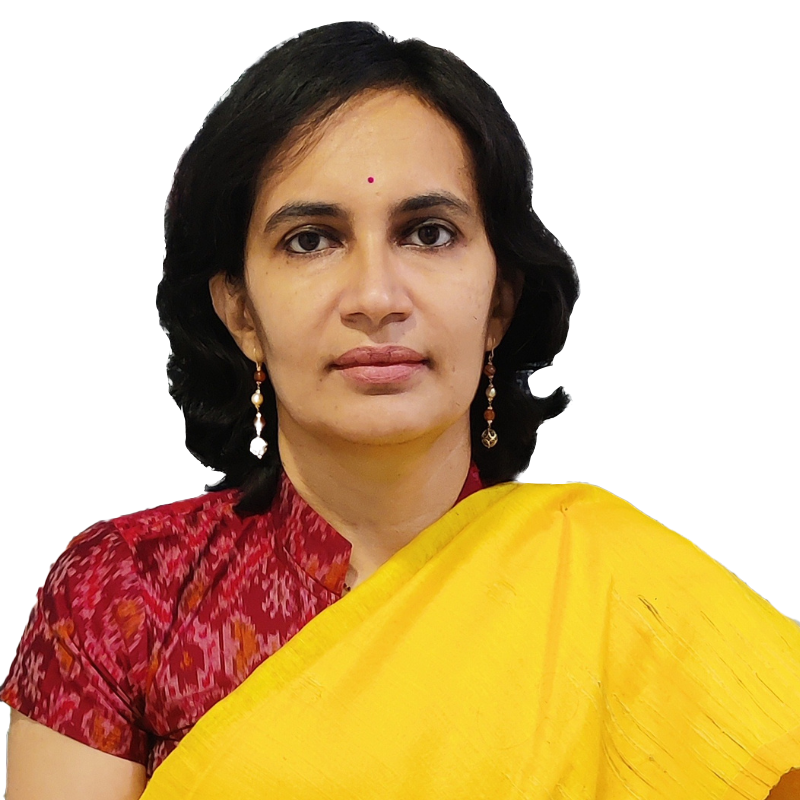
Dr. Aditi Shah
Consultant - Fetal Medicine
English,Telugu Banjara Hills
Dr. Swathi Naga Tulasi Rayapureddy
Lactation Consultant
8 Years English,Telugu Banjara Hills
Dr. Swetha Reddy. S
CONSULTANT PERINATAL PSYCHIATRIST AND WOMEN MENTAL HEALTH SPECIALIST
13 Years English,Hindi,Telugu Banjara Hills

Dr. Addu Kiranmayi
Chief Clinical Nutritionist and Lifestyle Medicine Consultant
15 Years English,Hindi,Telugu Himayatnagar, Banjara Hills
Dr. Palle Nalini Kumari
Lactation Consultant
17+ Years English,Hindi,Telugu Banjara Hills
Dr. Nazia Tabassum
Consultant - Breast, Plastic & Reconstructive Surgeon
9 Years English,Hindi,Telugu,Urdu Banjara Hills

Dr. Sruthi Cheera
Consultant Breast Surgeon
5 Years English,Hindi,Kannada,Telugu Banjara Hills
Dr. Supriya Reddy
Lactation Consultant
5 Years English,Hindi,Telugu Banjara Hills

Dr. Niraj Krishnamurthy Yanamandra
Senior Consultant Obstetrician & Gynaecologist, Laparoscopy & Hysteroscopy Surgeon
English,Hindi,Telugu Hydernagar, Banjara Hills

Dr. B. Rao Bahadur
Consultant – Obstetrician & Gynecologist, Laparoscopic ,& Hysteroscopic Surgeon
22 Years English,Hindi,Konkani,Marathi,Telugu Banjara Hills, Kondapur OP
Dr. Sneha Kulkarni
Consultant - Child, Adolescent & Adult Psychiatrist
10 Years English,Hindi,Kannada,Telugu Secunderabad, Banjara Hills, Child Development Centre - Banjarahills Rd No 10
Dr. Lavanya Janagama
Consultant – Obstetrics & Gynecology
10+ Years English Banjara HillsLeading Hospitals for Women Care
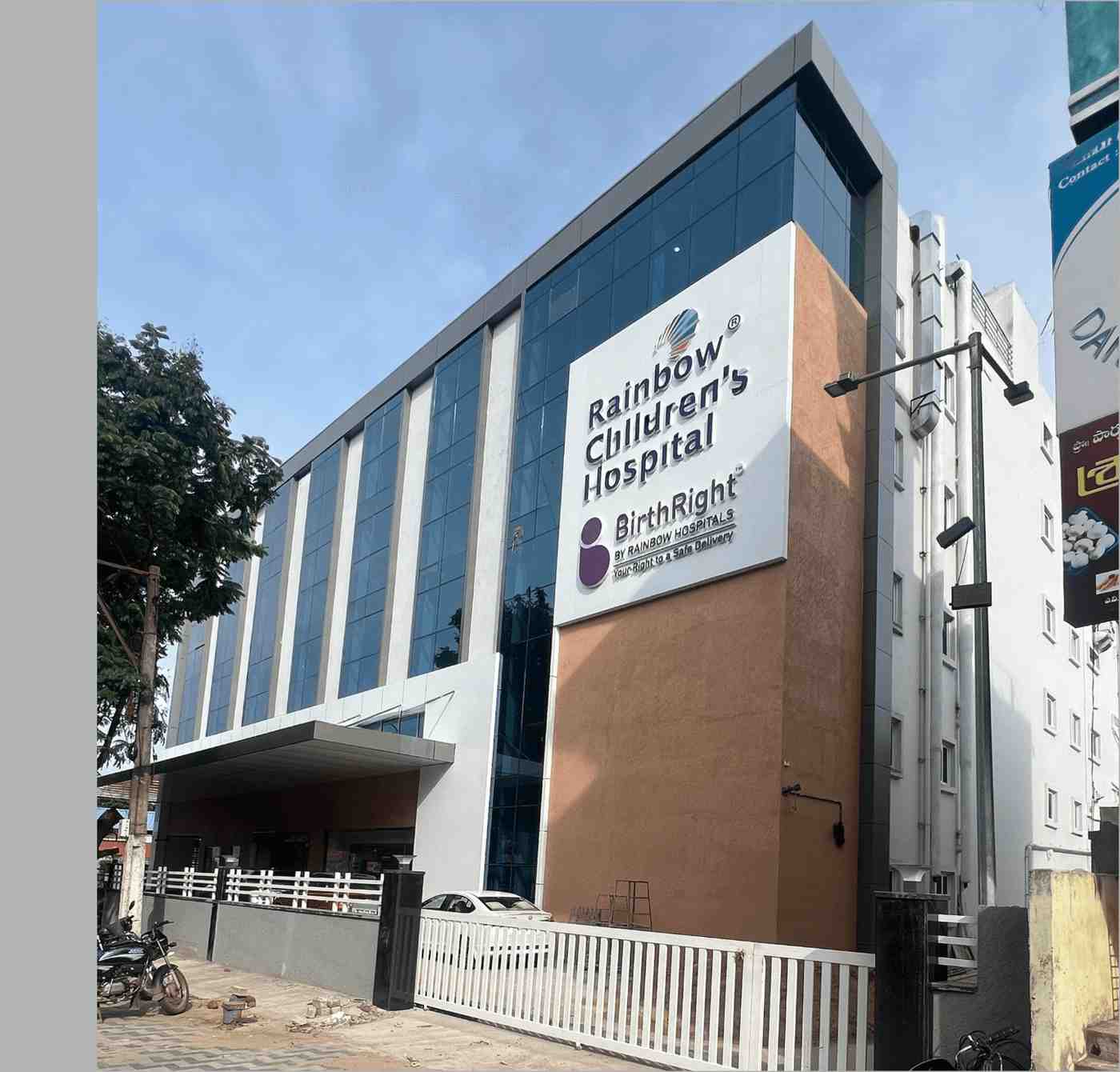
Rainbow Children's Hospital stands as a testament to the hospital's continual pursuit of excellence and innovation, providing specialized care for women and children


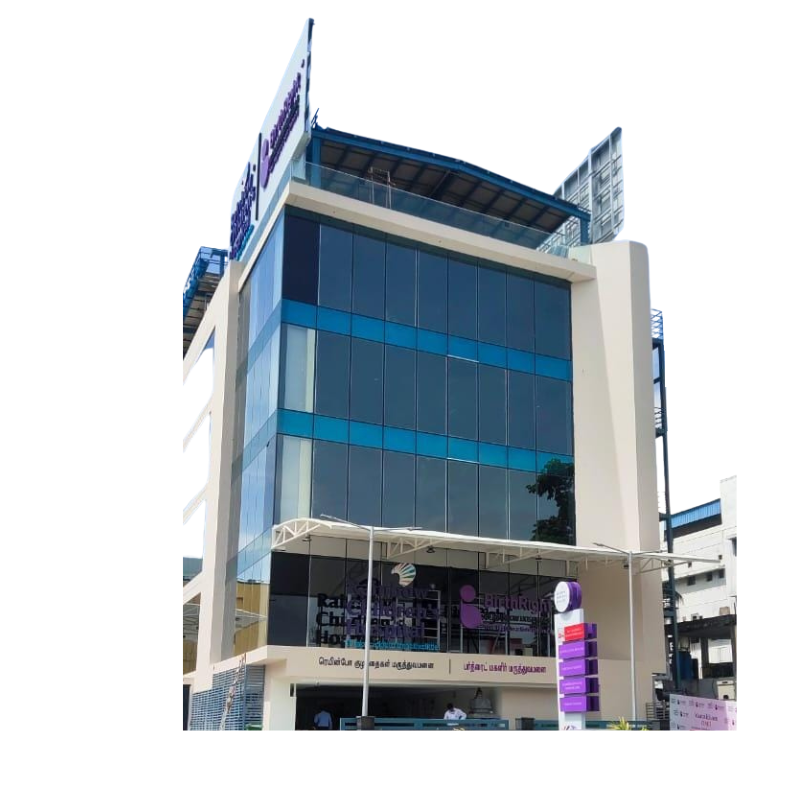


chennai
Blogs
Discover our most recent health articles provided by our reliable experts.

What Are People Saying About Us
Embark on a journey of inspiration and hope with our patient success stories, complemented by informative videos from our dedicated doctors.




Media
 Common Gynaecological Surgeries to Fix Female Reproductive Issues
 Healthy Woman - Healthy World
 Healthier Women For a Healthier Future...
 Rainbow Children’s Hospital & BirthRight by Rainbow Launch Video Consultation Facilities
 Dr.Pranthi Reddy
 What is the use of that?
 Can you try this time?
 Pregnant Women are Not Unfit
 Declining Age of Menarche - A Matter of Concern
 Important Facts about Cervical Cancer
 Be careful before preempting
 Flu every month!
 Menstrual cramps
 Premature delivery
 Whether laughing or coughing...why?
 Multi - Tasking may be Cool but it's not Healthy
 Pregnant and Worried about COVID-19? Here's Everything you Need to know
 Video Consultation in Pandamic Situation for Pregnancy Women's
 Women.. Various types of cysts
 Recurrent Pregnancy Loss in Women
 Early Onset of Puberty: Causes, Symptoms and Treatment Options
 Common Gynaecological Surgeries to Fix Female Reproductive Issues
Healthy Woman - Healthy World
Healthier Women For a Healthier Future...
Common Gynaecological Surgeries to Fix Female Reproductive Issues
Healthy Woman - Healthy World
Healthier Women For a Healthier Future...
FAQs
What is the difference between PCOS, PCOD and PMOS?
Is PCOS the same condition now being called PMOS?
Can PCOS be cured permanently, or only controlled?
Can I get pregnant naturally if I have PCOS?
Does PCOS cause weight gain, or does weight gain worsen PCOS?
Can PCOS increase the risk of cancer?
At what age does PCOS usually begin?
Can PCOS symptoms improve after pregnancy or menopause?
Is PCOS hereditary?
What happens if PCOS is left untreated for years?
Can diet and exercise alone control PCOS without medication?
How is a PCOS diagnosis confirmed?
Does PCOS affect mental health and emotional wellbeing?
Can teenagers be diagnosed with PCOS?
How is PCOS different from endometriosis?
Quick Links
Free Calculators to Track and Predict your Pregnancy
Obstetrician and Gynecologist in Other Locations
- Obstetrician and Gynecologist in India
- Obstetrician and Gynecologist in Hyderabad
- Obstetrician and Gynecologist in Bangalore
- Obstetrician and Gynecologist in Chennai
- Obstetrician and Gynecologist in Delhi (NCR)
- Obstetrician and Gynecologist in Vijayawada
- Obstetrician and Gynecologist in Vishakhapatnam
- Obstetrician and Gynecologist in Warangal
- Obstetrician and Gynecologist in Guwahati
- Obstetrician and Gynecologist in Rajahmundry
- Obstetrician and Gynecologist in Nellore
- Obstetrician and Gynecologist in Guntur