




Postpartum Psychosis (Puerperal Psychosis)
Postpartum psychosis, also called puerperal psychosis, is a rare and serious mental health emergency that begins suddenly after childbirth, usually within two weeks. It can cause confusion, false beliefs, or seeing and hearing things that are not there, and it needs urgent specialist care.

Seamless support from diagnosis to post treatment care

Overview
The days after childbirth can bring major changes in sleep, emotions, and daily routine. However, a sudden change in a mother’s thinking, behaviour or perception goes beyond the usual emotional changes after delivery and needs urgent medical attention.
Postpartum psychosis can develop quickly, which makes early recognition especially important. Family members may sometimes notice the changes before the mother does. Knowing how these symptoms differ from baby blues or postpartum depression can help ensure that specialist care begins without delay.
What Is Postpartum Psychosis (Puerperal Psychosis)?
Postpartum psychosis, also called puerperal psychosis, is a serious mental health condition that can develop soon after childbirth. It can affect a mother’s thoughts, mood, behaviour and perception of what is happening around her. Symptoms often begin suddenly, most commonly within the first two weeks after delivery.
A woman may become very confused, experience extreme changes in mood, or see, hear, or believe things that others do not. Postpartum psychosis is rare and affects between 0.89 and 2.6 women for every 1000 births in the first 6 weeks after delivery.
When to seek emergency care: Sudden confusion, unusual beliefs, or major changes in mood or behaviour after childbirth need urgent medical assessment. Stay with the mother and seek emergency medical help promptly. Early treatment is important and can support recovery.
How Postpartum Psychosis Differs from Baby Blues & Postpartum Depression?
Many new mothers have changes in mood after birth, and most are not postpartum psychosis. It helps to know how these conditions differ. The main ones are set out below.
- Baby blues: Common and mild, with tearfulness and mood swings in the first days, settling on its own within about two weeks.
- Postpartum depression: Low mood, tiredness and loss of interest that lasts longer and needs support or treatment.
- Postpartum anxiety: Excessive worry or fear that interferes with daily life.
- Postpartum psychosis: A sudden, severe loss of touch with reality that is a medical emergency.
The key difference is that postpartum psychosis comes on fast and is severe. Unlike the baby blues, it does not settle on its own. It always needs urgent medical care.
Causes of Postpartum Psychosis
The exact cause of postpartum psychosis is not fully understood. Several factors are thought to act together around the time of birth. The suspected contributing factors are below.
- Hormonal changes: The sharp drop in hormones after delivery may contribute.
- Sleep loss: Severe lack of sleep around birth can be a trigger.
- A mental health history: A history of bipolar disorder or a previous episode is strongly linked.
- Genetic factors: A family history of bipolar disorder or postpartum psychosis raises the risk.
Because the cause is not fully understood, postpartum psychosis is not a sign of weakness or bad parenting. It is an illness that can affect any new mother. Care focuses on treatment and recovery, not blame.
Risk Factors & Who Is at Risk for Postpartum Psychosis?
Some women are at higher risk of postpartum psychosis than others. Knowing this allows clinicians to put a plan in place before birth. The main risk factors are below.
Personal and Family History
- Bipolar disorder: A diagnosis of bipolar disorder carries a notably higher risk.
- A previous postpartum psychosis: Having had it before strongly raises the chance again.
- A family history: Bipolar disorder or postpartum psychosis in close relatives.
Pregnancy and Medical Factors
- A first baby: The risk is higher after a first birth.
- Severe sleep loss: Major sleep disruption around delivery.
- Stopping mood medicine: Stopping treatment for a mental health condition in pregnancy.
If any of these apply, tell your team early, ideally during pregnancy. A plan can then be made to watch for signs and act quickly. Many women at risk go on to be well with the right support.
Signs and Symptoms of Postpartum Psychosis
Postpartum psychosis usually begins suddenly, often in the first two weeks after birth. Symptoms can change quickly, sometimes within hours. They fall into the groups below.
Early Warning Signs
- Not sleeping: Being unable to sleep even when there is a chance to.
- Feeling very restless or agitated: Being unusually wound up or on edge.
- Rapid mood changes: Swinging between high and low moods.
Core Symptoms
- Confused thinking: Muddled thoughts or trouble making sense of things.
- Strong false beliefs: Firmly holding beliefs that are not real.
- Seeing or hearing things: Sensing things that are not there.
- Feeling very high or very low: A manic high, a deep low, or a mix of both.
This needs urgent care: If a new mother shows these signs, she needs to see a doctor immediately. Postpartum psychosis is treatable, and seeking help early gives the best chance of a full recovery. Do not wait to see if it passes.
Complications of Postpartum Psychosis
Postpartum psychosis is serious, which is why it is treated as an emergency. With prompt care, the risks are greatly reduced. The main concerns are below.
For the Mother
- Risk to her own safety: The illness can impair judgement and put her safety at risk, so she should not be left alone.
- A longer recovery period: A depressive phase often follows the acute illness.
- Delay in treatment: Fear or stigma can delay care, which prolongs the illness.
For the Baby and Family
- Disruption to bonding: Illness can affect early bonding, and treatment can help restore it.
- Strain on the family: The whole family needs information and support.
These risks are the reason urgent, specialist care matters so much. With treatment, mothers recover, and the bond with the baby is supported. Care is arranged to keep mother and baby together when it is safe.
Treatment Options for Postpartum Psychosis
Postpartum psychosis is diagnosed through an urgent psychiatric assessment, medical history and physical examination. No single test confirms the condition. Doctors assess symptoms and rule out other medical causes that may produce similar changes in behaviour or thinking.
The assessment may include:
- Psychiatric evaluation: A psychiatrist assesses mood, behaviour, unusual beliefs, hallucinations, sleep patterns and any immediate safety concerns. Information from family members may also help.
- Medical history and examination: Doctors review previous mental health conditions, recent childbirth complications, medications and substance use.
- Blood and urine tests: Tests may check thyroid function, blood glucose, electrolytes and signs of infection or other metabolic problems.
- Assessment for other conditions: Doctors investigate possible causes such as thyroid disorders, severe infections, postpartum pre-eclampsia or eclampsia and medication-related effects.
- Brain imaging: A CT or MRI scan may be recommended if neurological symptoms, seizures or unusual clinical findings suggest another underlying condition.
Because postpartum psychosis can develop rapidly, assessment and treatment should not be delayed while waiting for test results. Immediate specialist care is essential to protect the safety of both mother and baby.
Note: Medication choices are made carefully, including consideration of breastfeeding where relevant. A mother-and-baby unit may allow them to remain together during treatment when this is available and considered safe, but the immediate priority is appropriate psychiatric care and close monitoring.
What Is the Prognosis (Outlook) for Postpartum Psychosis?
The outlook for postpartum psychosis is very good when treatment starts promptly.. Almost all women recover fully from the episode. Recovery often comes in stages, with a longer period of low mood and tiredness after the acute illness settles.
Having had postpartum psychosis raises the chance of it returning in a future pregnancy, so planning ahead matters. It can also point to a higher chance of mood disorders later in life, which your team can help you watch for. With support, most women go on to be well and to enjoy family life.
What Questions Should I Ask My Doctor?
Having a few questions ready helps you and your family take part in care. The prompts below are grouped to make them easier to use. Your team would always rather you asked than worried alone.
Planning and Treatment Questions
- Given my history, what is my risk, and can we plan ahead?
- Which warning signs should my family watch for?
- What treatment is likely, and can my baby stay with me?
- Can I breastfeed during treatment?
Recovery and Future Pregnancy Questions
- How long is recovery likely to take?
- What support is there for me and my family?
- What is my risk in a future pregnancy?
- How can we plan a safer next pregnancy?
Writing your questions down means you are less likely to forget them. Having a partner or relative involved helps, especially during the illness. Our Psychiatrists team is there to guide and support you throughout.
Prevention & Planning Tips to Reduce the Risk of Postpartum Psychosis
Postpartum psychosis cannot always be prevented, but its risk can be planned for. This matters most for women with a personal or family history. The main steps are below.
- Share your history early: Tell your team during pregnancy about any bipolar disorder or past episode.
- Make a care plan: A plan for monitoring after birth helps signs be caught early.
- Protect your sleep: Arrange support so you can rest in the early weeks.
- Set up family support: Make sure those around you know the warning signs.
- Seek help without delay: Reach out early, as asking for help is a strength, not a failing.
Fear of judgement or of losing a baby can make mothers delay seeking help, but early care is what leads to recovery. Asking for help protects both mother and baby. Your team is there to support, not to judge.
Why Choose BirthRight by Rainbow Hospitals for Postpartum Psychosis Treatment & Care?
BirthRight by Rainbow Hospitals brings obstetricians, mental health support, and neonatal care together in one place, backed by three decades of expertise in women’s and children’s health. Postpartum psychosis needs a fast, coordinated response between obstetric and mental health teams, and our care is set up for this. From urgent assessment to treatment and recovery, your care is handled with compassion and without judgement.
Where it is safe, we arrange care to keep mother and baby together and support bonding and feeding. This means we support your recovery and your relationship with your baby. The aim throughout is prompt treatment, full recovery and support for the whole family.

Find a Doctor and Book Appointment Online
Meet our specialist doctors who bring together clinical expertise, compassion, and personalised care to support your health and well-being. Choose from 1,300+ specialists across our network and book an appointment with BirthRight and Rainbow Children Hospitals, offering 24*7 support to you and your family.

Dr. Pranathi Reddy A
Clinical Director – Obstetrics & Gynecology.
English,Hindi,Telugu Banjara Hills

Dr. Gauri Vinayak Dhamangaonkar
Senior Consultant - Fetal Medicine
15 Years English,Hindi,Marathi,Telugu Kondapur OP, Banjara Hills

Dr. Shruthi Reddy Poddutoor
Consultant Obstetrician, Gynecologist & Laparoscopic Surgeon
English,Telugu Banjara Hills

Dr. Himabindu Veerla
Consultant Obstetrician, Gynecologist & Laparoscopic Surgeon
English,Telugu Banjara Hills

Dr. Bhargavi Reddy K
Consultant - Obstetrics and Gynecology
10 Years English,Hindi,Telugu Banjara Hills, Attapur Clinic

Dr. Annie Pranutha P
Consultant Obstetrics and Gynecology
9 Years English,Hindi,Telugu Banjara Hills, Attapur Clinic

Dr. Sasikala Kola
Consultant Obstetrician & Gynecologist
English,Hindi,Telugu Banjara Hills

Dr. Atigadda Vijaya
Consultant - Obstetrics & Gynecology
Hindi,Telugu Banjara Hills, Himayatnagar, Attapur Clinic

Dr. Nishanth Reddy Inavolu
Visiting Consultant Physician and Diabetologist & Internal Medicine
English,Hindi,Telugu Banjara Hills, Himayatnagar

Dr. Tulika Tayal
Consultant - Fetal Medicine
English,Telugu Banjara Hills

Dr. M Prathyusha Reddy
Consultant Obstetrics & Gynecology
English,Telugu Banjara Hills

Dr. Nithya Narasimha Murthy
Consultant -Psychiatrist
English,Hindi,Telugu Kondapur OP, Banjara Hills, Child Development Centre - Banjarahills Rd No 10

Dr. Brundavani
Consultant - Nutritionist
English,Hindi,Telugu Kondapur OP, Hydernagar, Banjara Hills, Child Development Centre - Banjarahills Rd No 10

Dr. Niveditha Chalmeda
Consultant
English,Telugu Banjara Hills

Dr. Kirti Reddy Patlolla
Consultant Obstetrics and Gynaecology
English,Telugu Banjara Hills, Attapur Clinic

Dr. Tuheena Sharma
Consultant - Perinatal Physiotherapy
10 Years English,Telugu Banjara Hills

Dr. Aditi Shah
Consultant - Fetal Medicine
English,Telugu Banjara Hills

Dr. Swathi Naga Tulasi Rayapureddy
Lactation Consultant
8 Years English,Telugu Banjara Hills

Dr. Swetha Reddy. S
CONSULTANT PERINATAL PSYCHIATRIST AND WOMEN MENTAL HEALTH SPECIALIST
13 Years English,Hindi,Telugu Banjara Hills

Dr. Addu Kiranmayi
Chief Clinical Nutritionist and Lifestyle Medicine Consultant
15 Years English,Hindi,Telugu Himayatnagar, Banjara Hills

Dr. Palle Nalini Kumari
Lactation Consultant
17+ Years English,Hindi,Telugu Banjara Hills
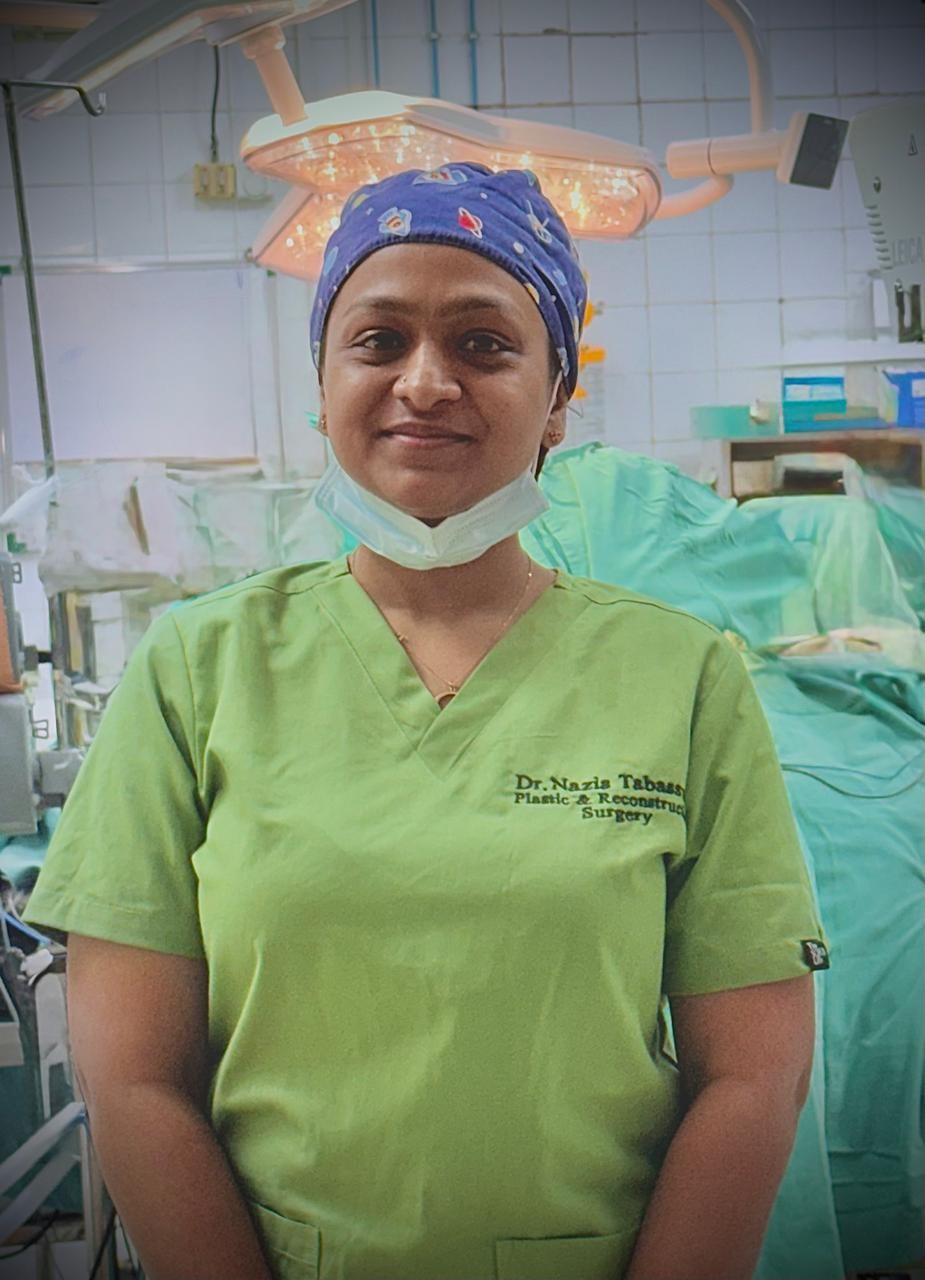
Dr. Nazia Tabassum
Consultant - Breast, Plastic & Reconstructive Surgeon
9 Years English,Hindi,Telugu,Urdu Banjara Hills

Dr. Sruthi Cheera
Consultant Breast Surgeon
5 Years English,Hindi,Kannada,Telugu Banjara Hills

Dr. Supriya Reddy
Lactation Consultant
5 Years English,Hindi,Telugu Banjara Hills

Dr. Niraj Krishnamurthy Yanamandra
Senior Consultant Obstetrician & Gynaecologist, Laparoscopy & Hysteroscopy Surgeon
English,Hindi,Marathi,Telugu Hydernagar, Banjara Hills, Financial District

Dr. B. Rao Bahadur
Consultant – Obstetrician & Gynecologist, Laparoscopic ,& Hysteroscopic Surgeon
22 Years English,Hindi,Konkani,Marathi,Telugu Banjara Hills, Kondapur OP

Dr. Sneha Kulkarni
Consultant - Child, Adolescent & Adult Psychiatrist
10 Years English,Hindi,Kannada,Telugu Secunderabad, Banjara Hills, Child Development Centre - Banjarahills Rd No 10

Dr. Lavanya Janagama
Consultant – Obstetrics & Gynecology
10+ Years English Banjara HillsLeading Hospitals for Women Care
Rainbow Children's Hospital stands as a testament to the hospital's continual pursuit of excellence and innovation, providing specialized care for women and children


















chennai
Blogs
Discover our most recent health articles provided by our reliable experts.




What Are People Saying About Us
Embark on a journey of inspiration and hope with our patient success stories, complemented by informative videos from our dedicated doctors.


Media
 Common Gynaecological Surgeries to Fix Female Reproductive Issues
 Healthy Woman - Healthy World
 Healthier Women For a Healthier Future...
 Rainbow Children’s Hospital & BirthRight by Rainbow Launch Video Consultation Facilities
 Dr.Pranthi Reddy
 What is the use of that?
 Can you try this time?
 Pregnant Women are Not Unfit
 Declining Age of Menarche - A Matter of Concern
 Important Facts about Cervical Cancer
 Be careful before preempting
 Flu every month!
 Menstrual cramps
 Premature delivery
 Whether laughing or coughing...why?
 Multi - Tasking may be Cool but it's not Healthy
 Pregnant and Worried about COVID-19? Here's Everything you Need to know
 Video Consultation in Pandamic Situation for Pregnancy Women's
 Women.. Various types of cysts
 Recurrent Pregnancy Loss in Women
 Early Onset of Puberty: Causes, Symptoms and Treatment Options
Common Gynaecological Surgeries to Fix Female Reproductive Issues
Healthy Woman - Healthy World
Healthier Women For a Healthier Future...
FAQs
Can postpartum psychosis happen without any history of mental illness?
Can hormone changes or lack of sleep trigger postpartum psychosis?
Does postpartum psychosis mean I will harm my baby?
Can I breastfeed and stay with my baby during treatment?
How long does postpartum psychosis last, and can I fully recover?
Will postpartum psychosis come back in my next pregnancy?
Does postpartum psychosis mean I have bipolar disorder?
Does postpartum psychosis always start straight after birth?
Will I lose custody of my baby if I have postpartum psychosis?
Why do mothers delay seeking help for postpartum psychosis?
What should the family do if they notice warning signs?
Quick Links
Free Calculators to Track and Predict your Pregnancy
Gynecologist in Other Locations
Women's Health Conditions We Treat
- Mastitis (Breast Infection)
- PCOS (Polycystic Ovary Syndrome)
- Uterine Fibroids (Leiomyomas)
- Recurrent Pregnancy Loss
- Blocked Fallopian Tubes (Fallopian Tube Obstruction)
- Gestational Diabetes in Pregnancy
- Incompetent Cervix (Cervical Insufficiency)
- COVID-19 in Pregnancy
- Cytomegalovirus (CMV) in Pregnancy
- HELLP Syndrome
- Luteal Phase Defect
- Vasa Previa
- Listeria in Pregnancy
- Placenta Previa
- Endometrial Polyps (Uterine Polyps)
- Congenital Heart Disease in Pregnancy
- Hyperemesis Gravidarum (Severe Morning Sickness)
- Preeclampsia (toxemia)
- Fetal Distress (Non-Reassuring Fetal Status)
- Postpartum Haemorrhage (PPH)
- Placental Abruption (Abruptio Placentae)
- Placenta Accreta
- Postpartum Depression (PPD)
- Rhesus (Rh) Incompatibility
- Syphilis in Women
- Thalassemia in Pregnancy
- Gestational Thrombocytopenia
- Diabetes in Pregnancy
- Uterine Rupture
- Migraine in Pregnancy
- Eclampsia
- Uterine Inversion (Inverted Uterus)
- Rubella in Pregnancy
- Pulmonary Hypertension in Pregnancy
- Hydrops Fetalis (Fetal Hydrops)
- Iron-Deficiency Anaemia in Pregnancy
- Hypothyroidism in Pregnancy
- Pregnancy Constipation
- Retained Placenta
- Antiphospholipid Syndrome (APS)
- Subchorionic Hemorrhage
- Asthma in Pregnancy
- Amniotic Fluid Embolism (AFE)
- Placenta Increta