


Uterine Fibroids (Leiomyomas)
Uterine fibroids are noncancerous growths of muscle and fibrous tissue in or on the uterine wall. Many women have no symptoms, but larger or well-positioned fibroids can cause heavy periods, pelvic pressure and, in some cases, fertility concerns. This condition is also called uterine leiomyomas, myomas or fibromyomas.

Seamless support from diagnosis to post treatment care
Overview
Uterine fibroids are common growths that develop in or around the uterus. Some women may have fibroids without noticing any symptoms, while others may experience heavy periods, pelvic discomfort or changes that affect their daily routine. Finding out that you have fibroids can naturally bring questions about what they mean for your health and whether treatment is needed.
Most uterine fibroids are non-cancerous, and treatment depends on factors such as their size, location, symptoms and your individual health needs. Understanding the different types of fibroids and how they may affect the body can help you discuss the right next steps with your doctor. This page explains their types, symptoms, possible causes and available treatment options.
What are Uterine Fibroids?
Uterine fibroids, also called leiomyoma or myoma of the uterus, are growths made of muscle and fibrous tissue that develop in or on the wall of the uterus. They are benign, meaning they are not cancerous, and range in size from as small as a seed to as large as a grapefruit.
A woman may have one fibroid or several, and they often grow slowly. Because they respond to the hormones oestrogen and progesterone, fibroids tend to grow during the reproductive years and usually shrink after menopause. Many uterine myomas are small and quiet, and cause no trouble at all.
Types of Uterine Fibroids
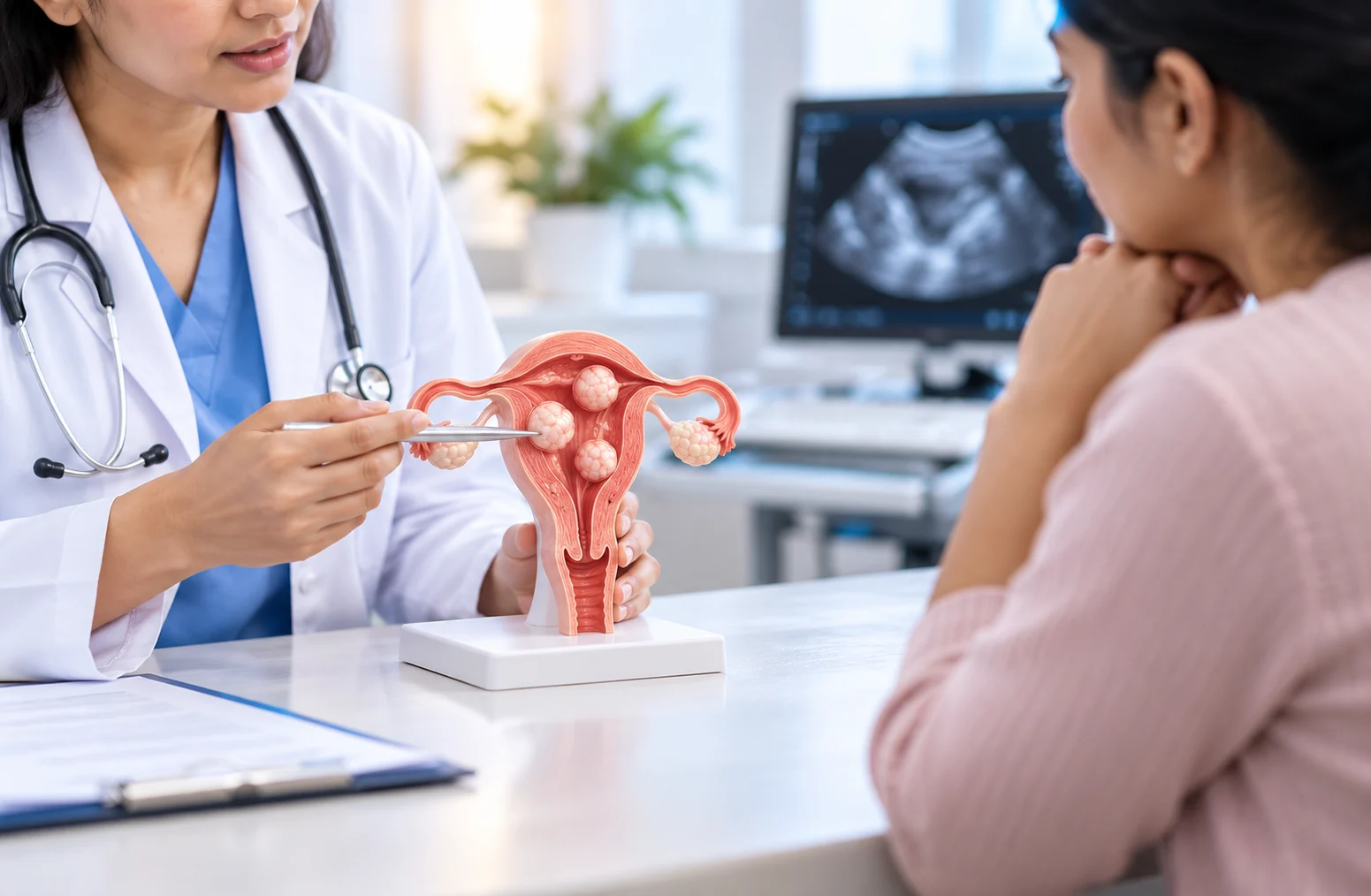
Fibroids are grouped by where they grow in the uterus, and the location often decides which symptoms appear. Knowing the type helps your doctor plan the right care. The main types of uterine fibroids are:
- Intramural fibroids: The most common type, growing within the muscular wall of the uterus. A myometrial fibroid, including a posterior myometrial fibroid at the back of the uterus, sits in this layer.
- Subserosal fibroids: Grow on the outer surface of the uterus and can press on nearby organs, such as the bladder or bowel.
- Submucosal fibroids: Grow just under the inner lining and bulge into the cavity. Even when small, these are the most likely to cause heavy bleeding and fertility trouble.
- Pedunculated fibroids: Hang from a stalk, either inside the cavity or on the outer surface.
A single small growth is sometimes described as a fibroid cyst in the uterus, though fibroids are solid rather than fluid-filled. Your scan report will usually name the type and location, which guides the conversation about treatment.
What Causes Uterine Fibroids in Women?
The exact cause of uterine fibroids is not fully understood. Doctors believe they develop from a combination of hormonal, genetic, and tissue-related factors that influence how uterine cells grow.
- Hormones: Oestrogen and progesterone can support fibroid growth during the reproductive years. Fibroids often become smaller after menopause as these hormone levels fall.
- Genetic factors: Women with a family history of fibroids may be more likely to develop them.
- Growth factors: Natural substances in the body, such as insulin-like growth factors, may contribute to the growth of fibroids.
- Changes in uterine tissue: Fibroids contain more extracellular material than normal uterine muscle, which gives them their firm and fibrous structure.
These factors may contribute to the development and growth of fibroids, although the exact cause can differ from one woman to another.
Who is at risk of Uterine Fibroids?
Some women are more likely to develop fibroids than others. Knowing your risk simply helps you understand any symptoms sooner. You may be at higher risk if you:
- Are in your 30s or 50s, when fibroids are most common
- Have a mother or sister who had fibroids
- Have Asian or African ancestry
- Started your periods at a young age
- Are overweight, or have PCOS or high blood pressure
- Have not had a full-term pregnancy
Having a risk factor is common and only means fibroids are more likely, so it is a reason to stay aware rather than to worry. If you notice symptoms, a simple scan can check for fibroids.
Symptoms of Uterine Fibroids: When Should You Worry
Up to half of women with fibroids have no symptoms at all. When uterine fibroid symptoms do appear, they usually fall into two groups: bleeding symptoms and pressure symptoms. Here is what to look out for.
Bleeding symptoms:
- Heavy periods, sometimes with clots, that soak through protection quickly
- Longer periods, or bleeding between periods
- Tiredness and breathlessness, which can be signs of anaemia from heavy bleeding
Pressure symptoms:
- A feeling of fullness or a lump low in the abdomen
- Needing to pass urine often, or constipation, from pressure on the bladder or bowel
- Pelvic pain, back pain, or discomfort during sex
The symptoms a woman feels depend on the size and position of the fibroid. Sudden severe pain is uncommon and should be checked promptly, and most symptoms build slowly and can be managed well once diagnosed.
Complications of Untreated Uterine Fibroids
Most fibroids stay small and cause no problems, so complications are the exception rather than the rule. When fibroids are large or bleed heavily, a few issues can develop, and all are treatable.
- Anaemia: Heavy periods can lower iron levels and leave you tired and breathless, which is the most common complication.
- Pressure problems: A large fibroid can press on the bladder or bowel and cause ongoing discomfort.
- Fertility and pregnancy effects: Some fibroids, especially those bulging into the cavity, can make conception harder or raise pregnancy risks.
- Effect on daily life: Heavy bleeding and pain can wear a woman down over time, at work and at home.
These are reasons to see a doctor if symptoms appear, so they can be managed early. Fibroids turning into cancer is extremely rare, affecting far fewer than one in a thousand cases.
How are Uterine Fibroids Diagnosed?
Diagnosing fibroids is usually simple and painless. They are often found during a routine check and confirmed with one or two straightforward tests.
- Pelvic examination: A doctor may feel a change in the shape or size of the uterus.
- Ultrasound: The main test, using sound waves to show the number, size and position of fibroids.
- MRI or hysteroscopy: Used in some cases to map fibroids in detail or to look inside the uterine cavity before treatment.
Once your doctor maps the fibroids, they can explain your options clearly. A blood test may also check for anaemia if your periods have been heavy.
Treatment Options for Uterine Fibroids
There is no single treatment for fibroids, and the right choice depends on your symptoms, the size and location of the fibroids, and whether you want to have children. Many women need no treatment at all. After a full assessment, your gynaecologist recommends a plan, and the common options are below.
- Watchful waiting: For small fibroids with few or no symptoms, regular monitoring is often all that is needed, especially as menopause approaches.
- Medicines: Hormonal treatments, a hormonal coil or tranexamic acid can control heavy bleeding, and some medicines shrink fibroids for a time before surgery.
- Uterine artery embolisation: A minimally invasive procedure that cuts off a fibroid’s blood supply so it shrinks, without surgery.
- Myomectomy: Surgery to remove the fibroids while keeping the uterus, preferred for women who wish to have children.
- Hysterectomy: Removal of the uterus, considered for severe cases when a family is complete, and other treatments have not helped.
Treatment is shaped around your life, and not by the scan alone. Two women with similar fibroids may choose very different paths, and a good specialist helps you weigh them.
Fibroids, Fertility and Pregnancy
A common worry is whether fibroids will stop you from having a baby. For most women, they do not, and plenty of women with fibroids conceive and carry healthy pregnancies.
Fibroids that bulge into the uterine cavity can make conception harder or slightly raise the risk of miscarriage, and these can often be removed by myomectomy to improve the chances. If you are planning a pregnancy and have fibroids, a fertility and gynaecology review helps you plan with confidence.
What is the Outlook for Uterine Fibroids?
The outlook for uterine fibroids is very good. They are benign, often need no treatment, and symptoms can be well controlled when they appear. For many women, fibroids shrink naturally after menopause as hormone levels fall.
Fibroids can sometimes return after treatment, so follow-up matters. With the right care, though, fibroids remain a manageable part of women's health rather than a lasting limit on it.
What Questions Should You Ask Your gynaecologist?
The right questions depend on where you are in the process. It helps to prepare them before your visit. The prompts below are grouped by stage.
At diagnosis:
- How many fibroids do I have, and where are they?
- Are my symptoms likely to get worse?
About treatment:
- Do I need treatment now, or can we watch and wait?
- Which options preserve my uterus and my fertility?
Looking ahead:
- Could these fibroids affect a future pregnancy?
- How likely are they to come back after treatment?
Ask your doctor to explain any term you do not understand. Clear answers help you decide the next step with confidence.
Prevention and Lifestyle Tips to Avoid Uterine Fibroids
Fibroids cannot be fully prevented, but a few habits support hormone balance and overall uterine health. These help you feel better and may lower the risk.
- Keep to a healthy weight, since excess weight raises oestrogen levels
- Eat plenty of fruit, vegetables and fibre, and limit red and processed meat
- Correct low vitamin D, which is common in India
- Stay active and manage blood pressure
- Have regular gynaecological check-ups, especially if periods are heavy
These steps support your general health and hormone balance. If your periods are heavy or painful, a check-up matters more than lifestyle change alone.
Why Choose BirthRight by Rainbow Hospitals for Uterine Fibroid Care?
Fibroid care works best when it protects your health and your choices, including your fertility. BirthRight by Rainbow Hospitals brings gynaecology, minimally invasive surgery and fertility care together, so your treatment fits your life. For fibroids specifically, our care includes:
- Accurate diagnosis: Ultrasound, MRI, and hysteroscopy to map fibroids precisely before you decide.
- Uterus-preserving surgery: laparoscopic and hysteroscopic myomectomy that removes fibroids while keeping the uterus.
- Full range of options: From watchful waiting and medicines to minimally invasive and surgical care.
- Fertility-aware care: Planning that protects your chance of a future pregnancy where that matters to you.
- Experienced specialists: Gynaecologists and fertility experts who plan treatment around your goals.
BirthRight by Rainbow Hospitals brings three decades of expertise in women’s and fertility care, with more than 100,000 parenthood journeys supported across 15 Level II fertility centres in India, including India’s first JCI-accredited fertility centre at Kondapur, Hyderabad, and NABH-accredited care across the network.
You can consult the gynaecologists at BirthRight by Rainbow Hospitals for a clear diagnosis and a treatment plan that suits you.
Disclaimer
This information is for educational purposes only and is not a substitute for professional medical advice. If you have symptoms or a fibroid diagnosis, please consult a qualified gynaecologist.

Find a Doctor
Expertise you can trust, Meet our esteemed doctors who bring exceptional knowledge, compassion, and innovation to provide top-notch care for your health and well-being.

Dr. Pranathi Reddy A
Clinical Director – Obstetrics & Gynecology.
English,Hindi,Telugu Banjara Hills

Dr. Gauri Vinayak Dhamangaonkar
Senior Consultant - Fetal Medicine
15 Years English,Hindi,Marathi,Telugu Kondapur OP, Banjara Hills

Dr. Shruthi Reddy Poddutoor
Consultant Obstetrician, Gynecologist & Laparoscopic Surgeon
English,Telugu Banjara Hills

Dr. Himabindu Veerla
Consultant Obstetrician, Gynecologist & Laparoscopic Surgeon
English,Telugu Banjara Hills
Dr. Bhargavi Reddy K
Consultant - Obstetrics and Gynecology
10 Years English,Hindi,Telugu Banjara Hills, Attapur Clinic
Dr. Annie Pranutha P
Consultant Obstetrics and Gynecology
9 Years English,Hindi,Telugu Banjara Hills, Attapur Clinic

Dr. Sasikala Kola
Consultant Obstetrician & Gynecologist
English,Hindi,Telugu Banjara Hills

Dr. Atigadda Vijaya
Consultant - Obstetrics & Gynecology
Hindi,Telugu Banjara Hills, Himayatnagar, Attapur Clinic

Dr. Nishanth Reddy Inavolu
Visiting Consultant Physician and Diabetologist & Internal Medicine
English,Hindi,Telugu Banjara Hills, Himayatnagar

Dr. Tulika Tayal
Consultant - Fetal Medicine
English,Telugu Banjara Hills

Dr. M Prathyusha Reddy
Consultant Obstetrics & Gynecology
English,Telugu Banjara Hills

Dr. Nithya Narasimha Murthy
Consultant -Psychiatrist
English,Hindi,Telugu Kondapur OP, Banjara Hills, Child Development Centre - Banjarahills Rd No 10

Dr. Brundavani
Consultant - Nutritionist
English,Hindi,Telugu Kondapur OP, Hydernagar, Banjara Hills, Child Development Centre - Banjarahills Rd No 10
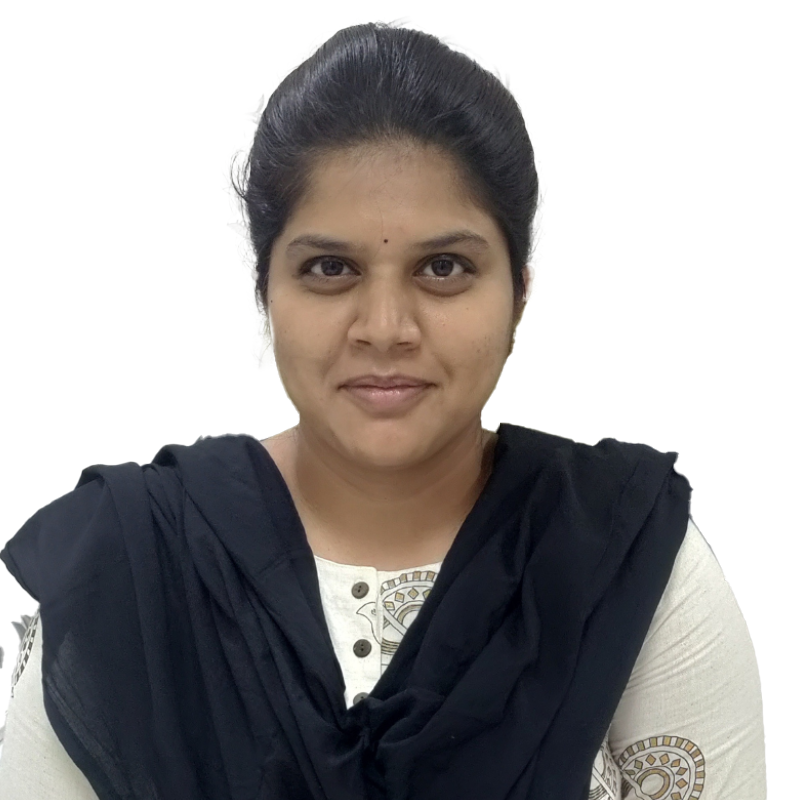
Dr. Niveditha Chalmeda
Consultant
English,Telugu Banjara Hills

Dr. Kirti Reddy Patlolla
Consultant Obstetrics and Gynaecology
English,Telugu Banjara Hills, Attapur Clinic

Dr. Tuheena Sharma
Consultant - Perinatal Physiotherapy
10 Years English,Telugu Banjara Hills
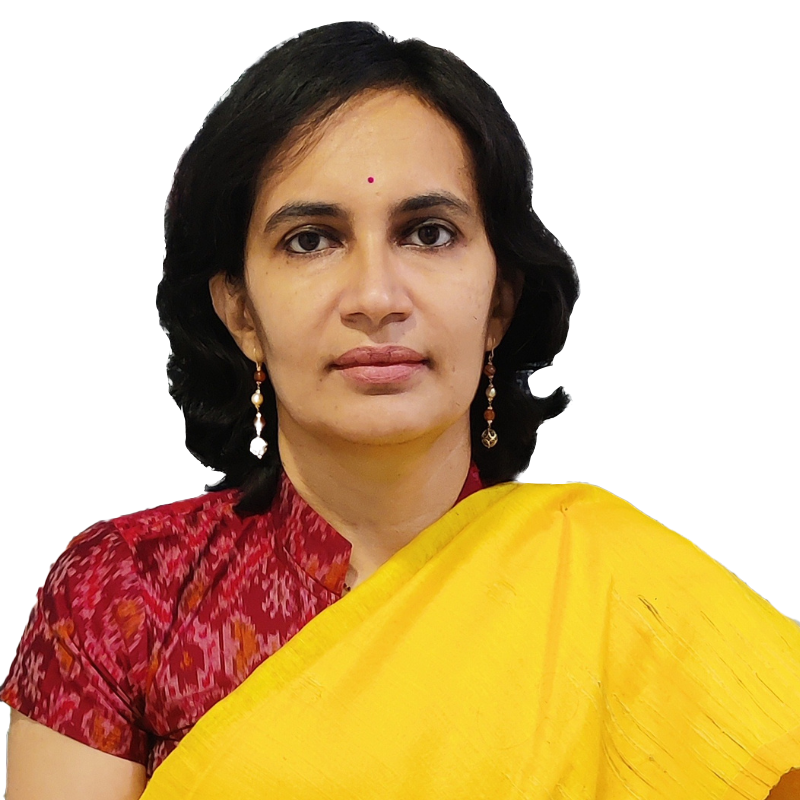
Dr. Aditi Shah
Consultant - Fetal Medicine
English,Telugu Banjara Hills
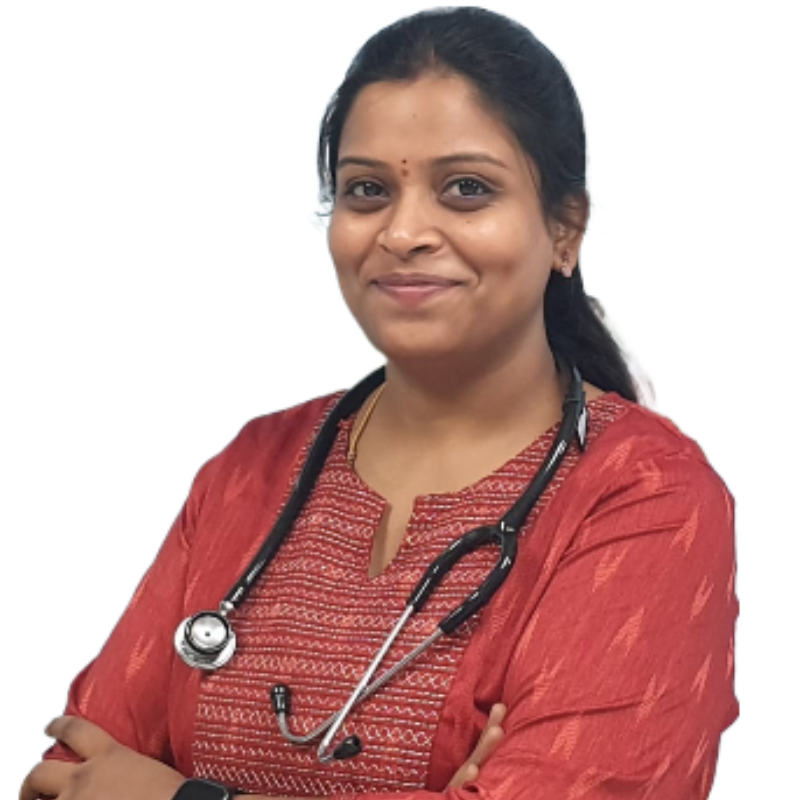
Dr. Swathi Naga Tulasi Rayapureddy
Lactation Consultant
8 Years English,Telugu Banjara Hills

Dr. Swetha Reddy. S
CONSULTANT PERINATAL PSYCHIATRIST AND WOMEN MENTAL HEALTH SPECIALIST
13 Years English,Hindi,Telugu Banjara Hills

Dr. Addu Kiranmayi
Chief Clinical Nutritionist and Lifestyle Medicine Consultant
15 Years English,Hindi,Telugu Himayatnagar, Banjara Hills

Dr. Palle Nalini Kumari
Lactation Consultant
17+ Years English,Hindi,Telugu Banjara Hills
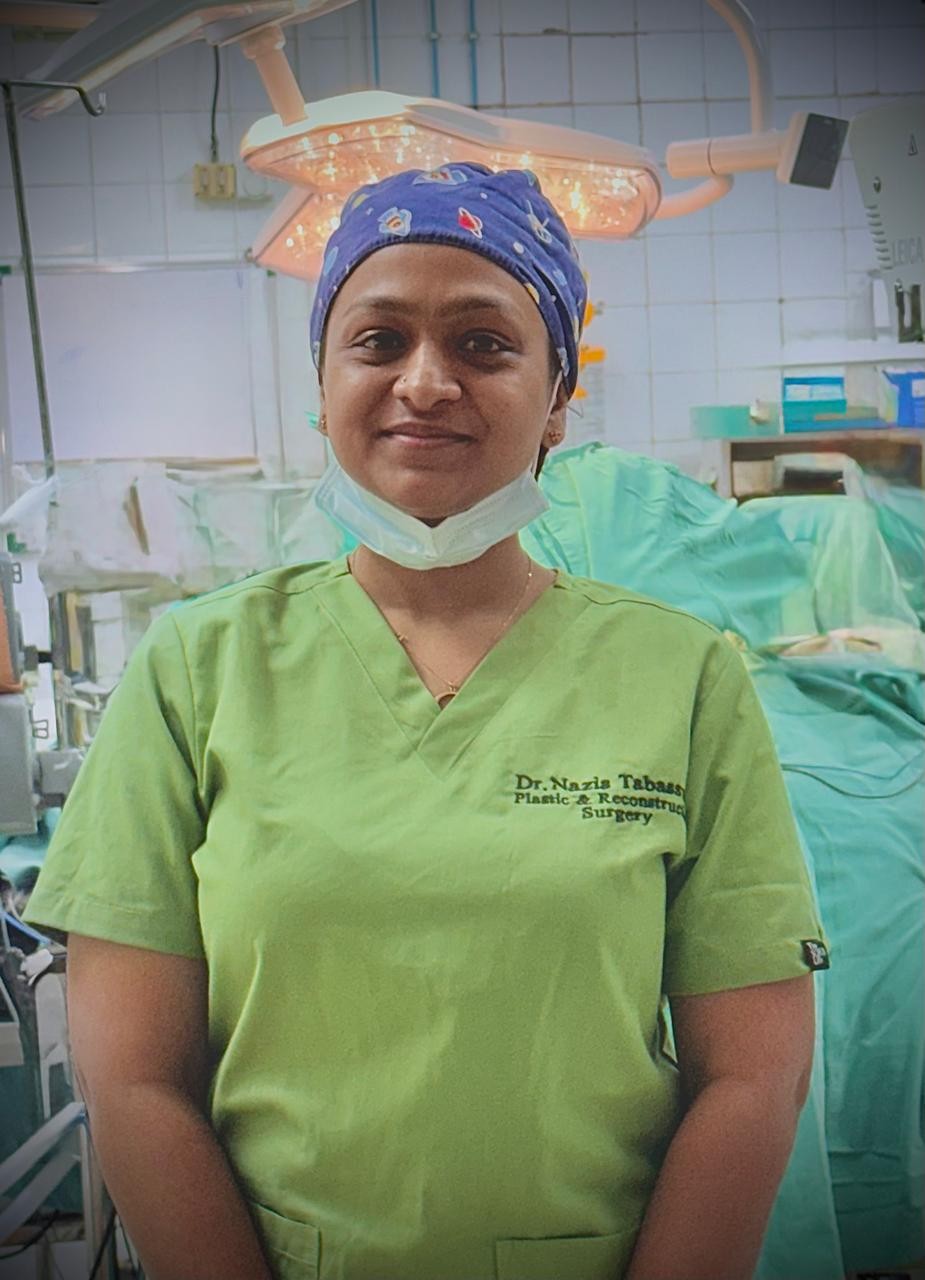
Dr. Nazia Tabassum
Consultant - Breast, Plastic & Reconstructive Surgeon
9 Years English,Hindi,Telugu,Urdu Banjara Hills

Dr. Sruthi Cheera
Consultant Breast Surgeon
5 Years English,Hindi,Kannada,Telugu Banjara Hills
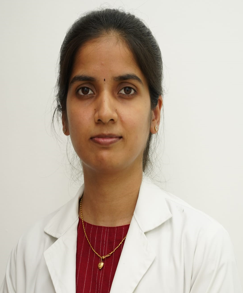
Dr. Supriya Reddy
Lactation Consultant
5 Years English,Hindi,Telugu Banjara Hills

Dr. Niraj Krishnamurthy Yanamandra
Senior Consultant Obstetrician & Gynaecologist, Laparoscopy & Hysteroscopy Surgeon
English,Hindi,Telugu Hydernagar, Banjara Hills

Dr. B. Rao Bahadur
Consultant – Obstetrician & Gynecologist, Laparoscopic ,& Hysteroscopic Surgeon
22 Years English,Hindi,Konkani,Marathi,Telugu Banjara Hills, Kondapur OP

Dr. Sneha Kulkarni
Consultant - Child, Adolescent & Adult Psychiatrist
10 Years English,Hindi,Kannada,Telugu Secunderabad, Banjara Hills, Child Development Centre - Banjarahills Rd No 10
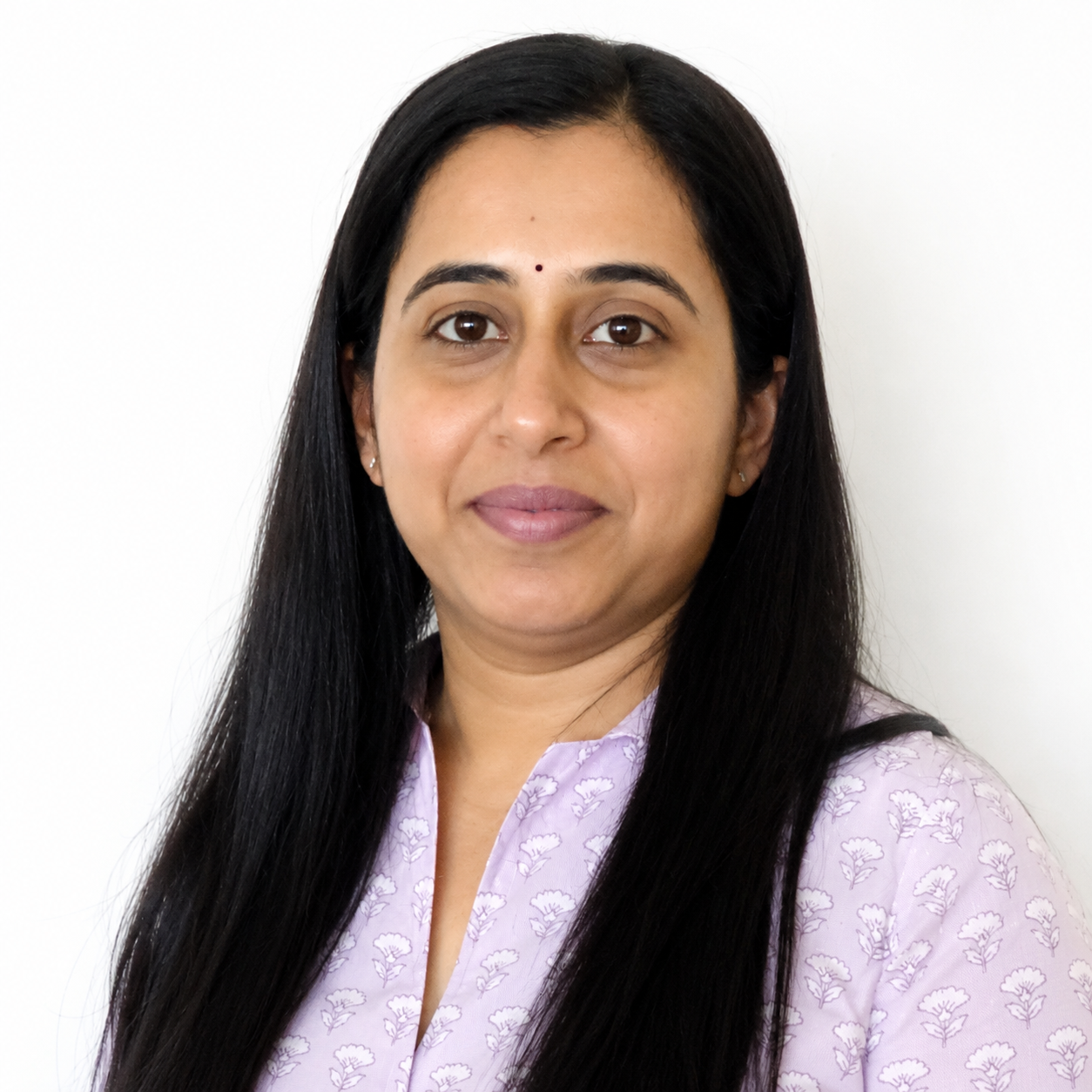
Dr. Lavanya Janagama
Consultant – Obstetrics & Gynecology
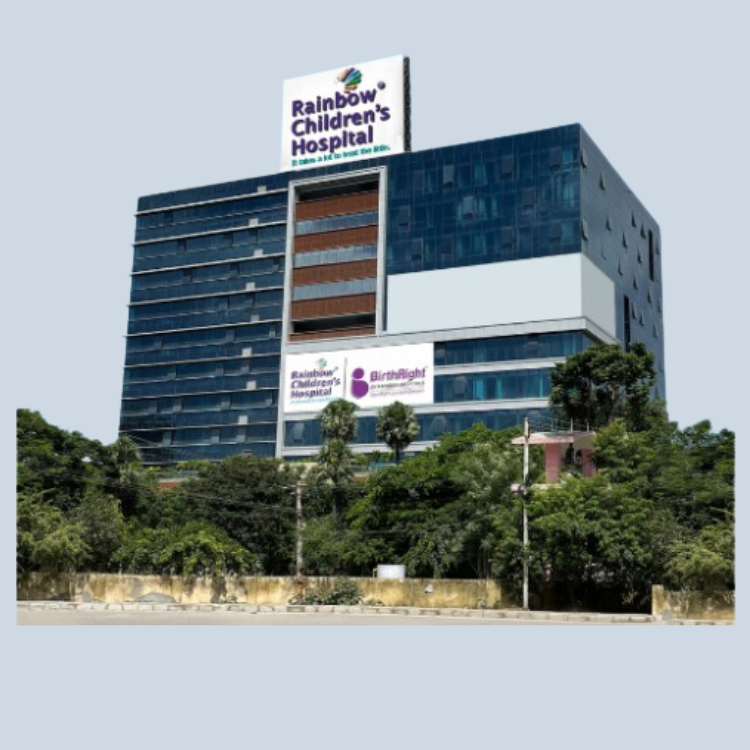
10+ Years English Banjara HillsLeading Hospitals for Women Care
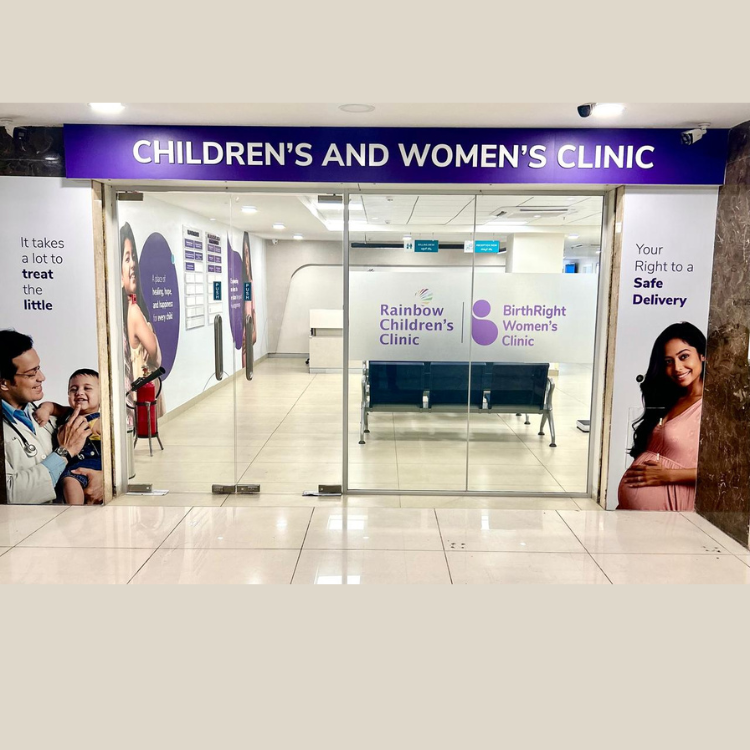
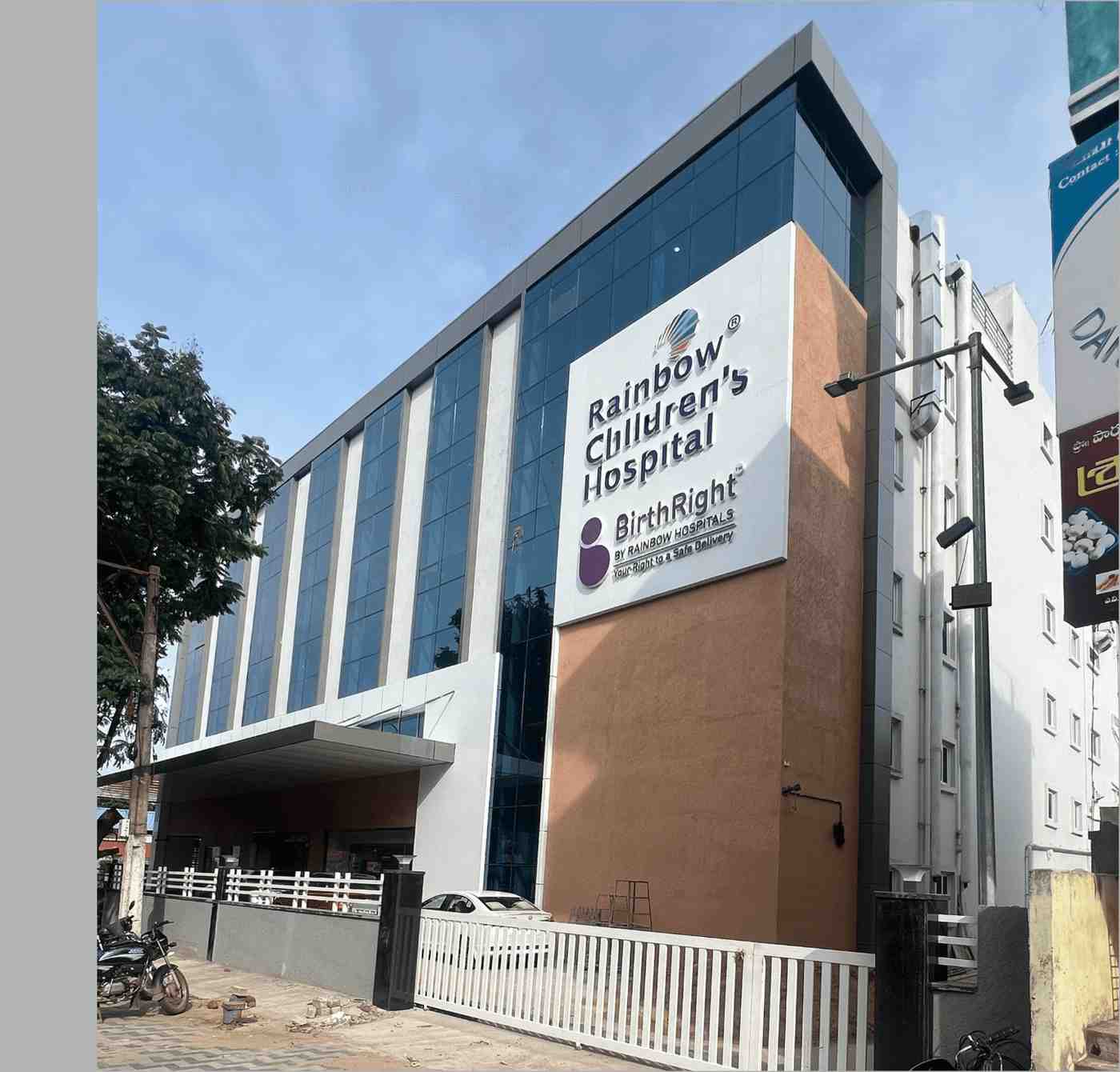
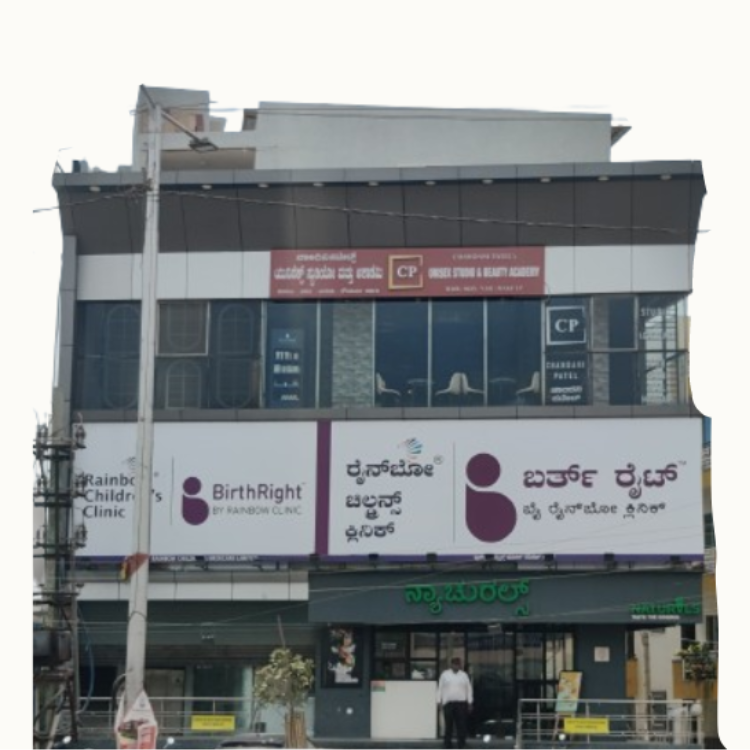
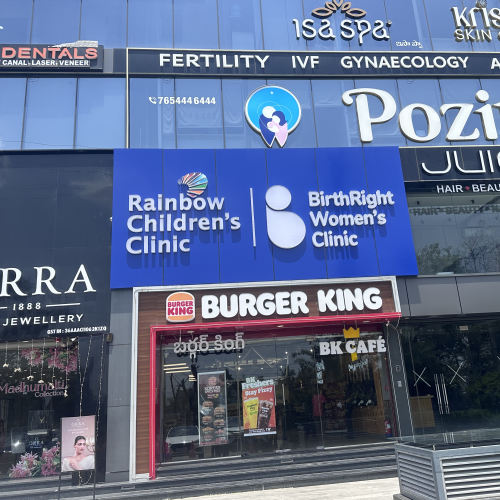
Rainbow Children's Hospital stands as a testament to the hospital's continual pursuit of excellence and innovation, providing specialized care for women and children


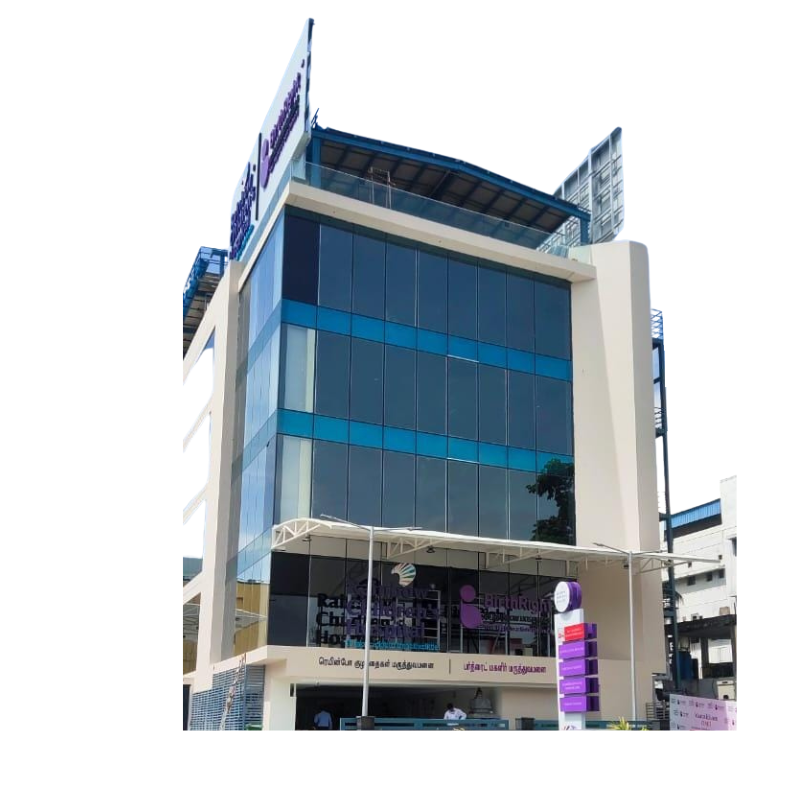
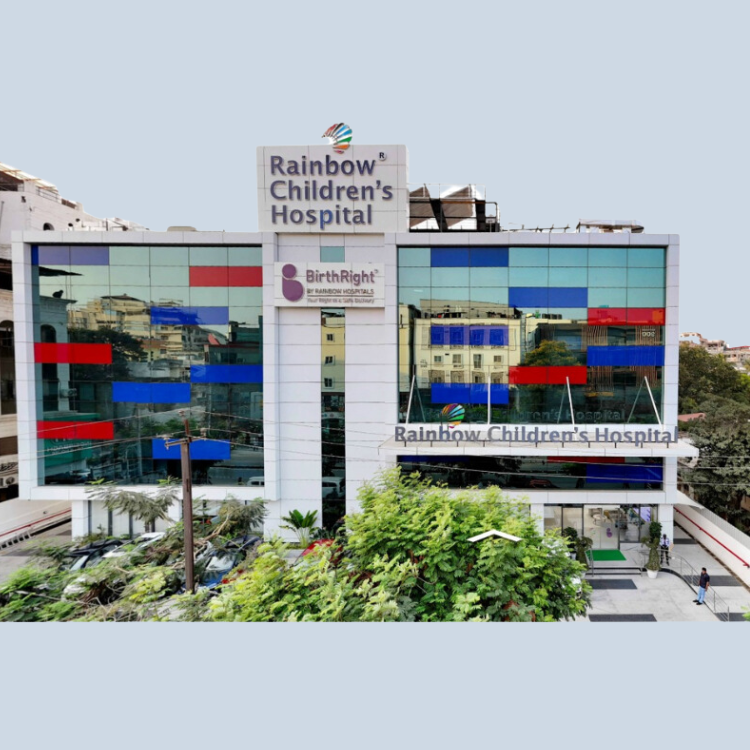
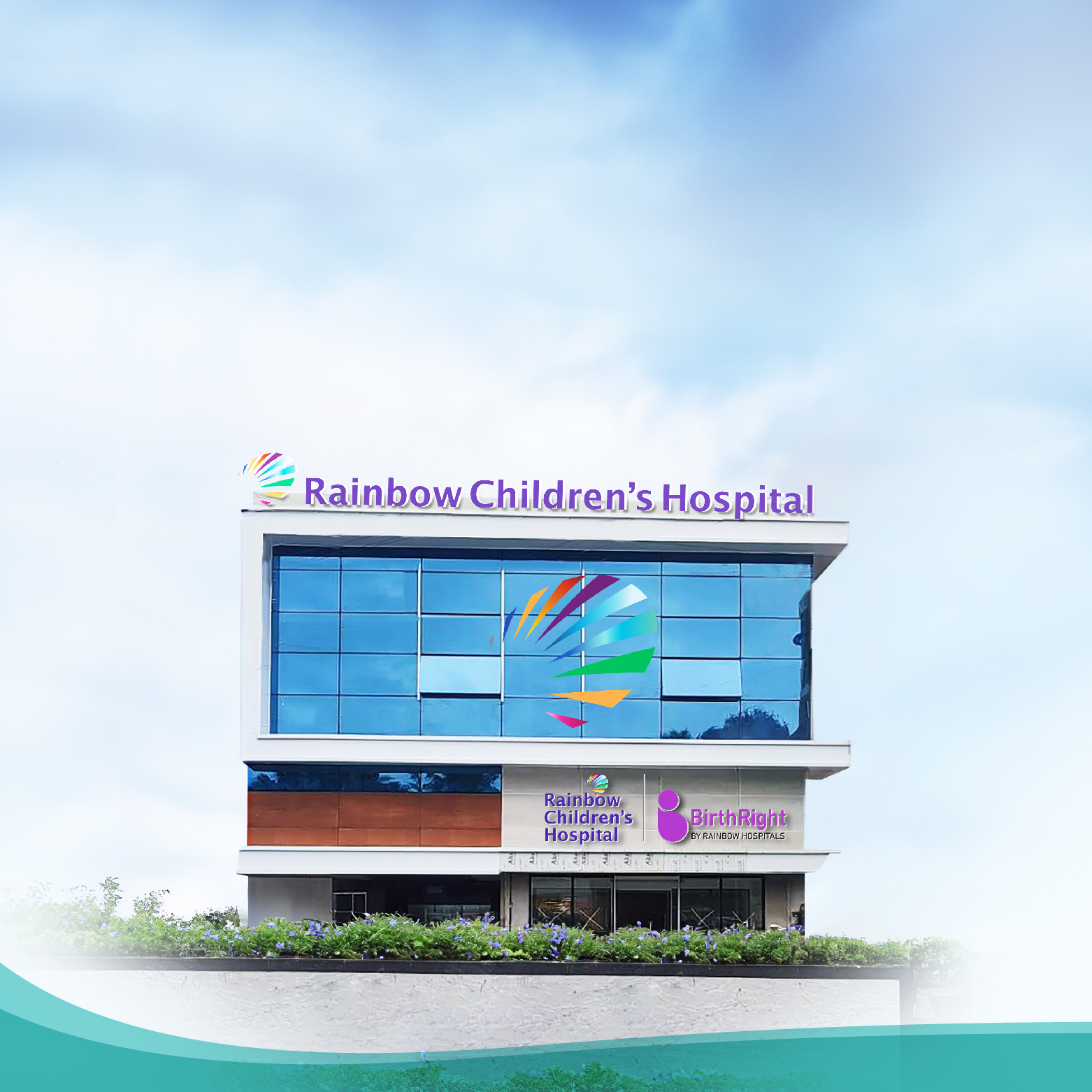

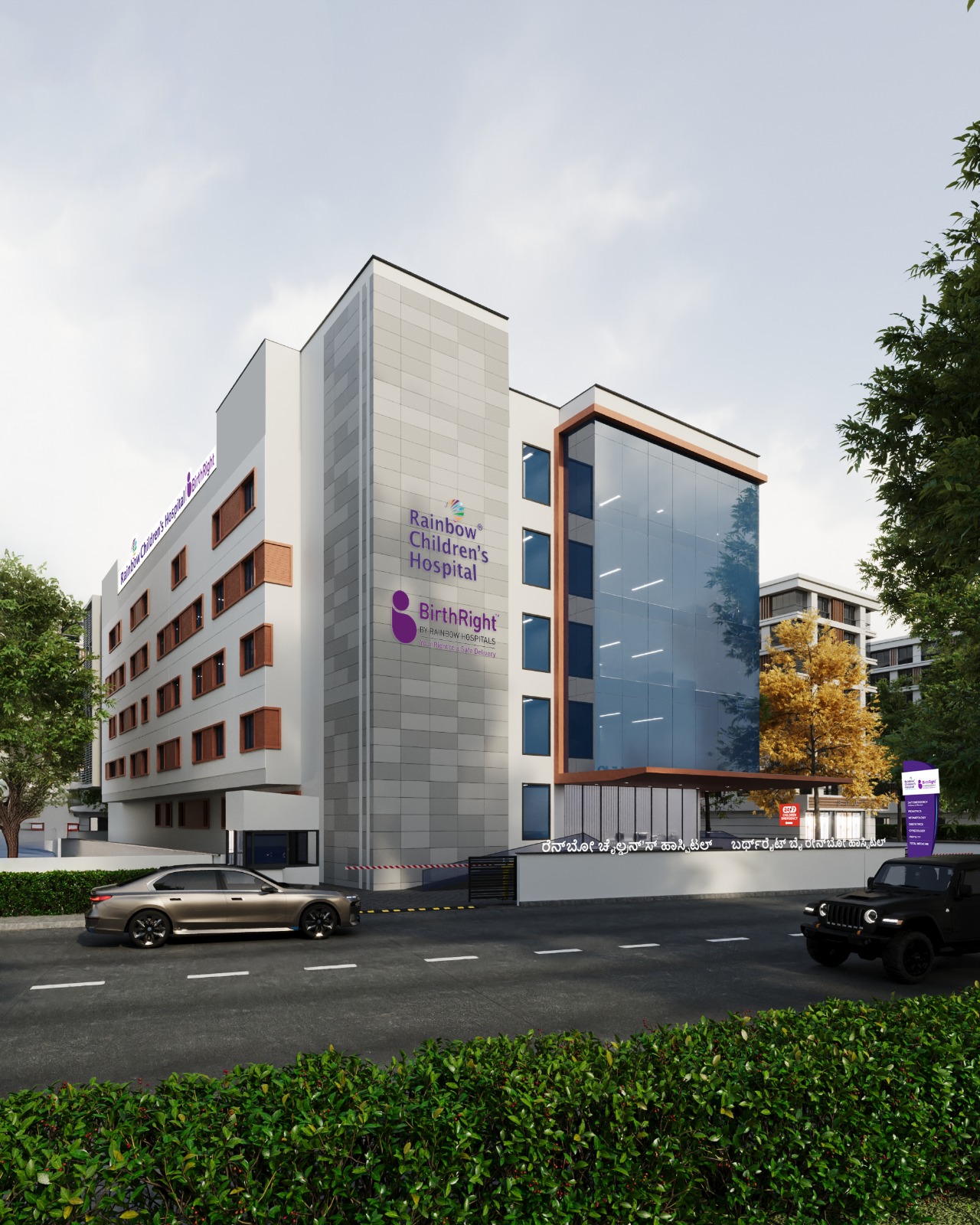
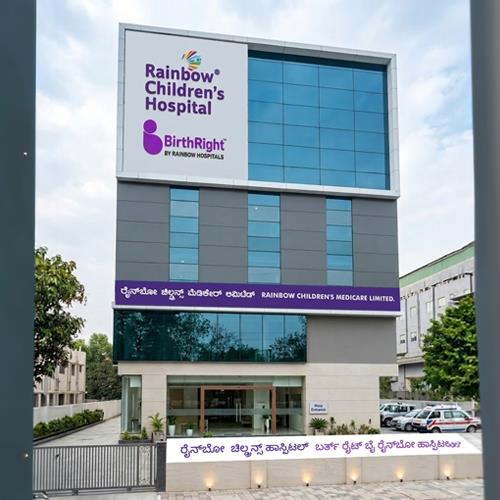




chennai
Blogs
Discover our most recent health articles provided by our reliable experts.



What Are People Saying About Us
Embark on a journey of inspiration and hope with our patient success stories, complemented by informative videos from our dedicated doctors.




Media
 Common Gynaecological Surgeries to Fix Female Reproductive Issues
 Healthy Woman - Healthy World
 Healthier Women For a Healthier Future...
 Rainbow Children’s Hospital & BirthRight by Rainbow Launch Video Consultation Facilities
 Dr.Pranthi Reddy
 What is the use of that?
 Can you try this time?
 Pregnant Women are Not Unfit
 Declining Age of Menarche - A Matter of Concern
 Important Facts about Cervical Cancer
 Be careful before preempting
 Flu every month!
 Menstrual cramps
 Premature delivery
 Whether laughing or coughing...why?
 Multi - Tasking may be Cool but it's not Healthy
 Pregnant and Worried about COVID-19? Here's Everything you Need to know
 Video Consultation in Pandamic Situation for Pregnancy Women's
 Women.. Various types of cysts
 Recurrent Pregnancy Loss in Women
 Early Onset of Puberty: Causes, Symptoms and Treatment Options
 Common Gynaecological Surgeries to Fix Female Reproductive Issues
Healthy Woman - Healthy World
Healthier Women For a Healthier Future...
Common Gynaecological Surgeries to Fix Female Reproductive Issues
Healthy Woman - Healthy World
Healthier Women For a Healthier Future...
FAQs
Do uterine fibroids go away on their own?
Can uterine fibroids turn into cancer?
Will I need a hysterectomy for fibroids?
Can fibroids cause infertility?
Can you get pregnant with uterine fibroids?
How fast do uterine fibroids grow?
Can uterine fibroids be treated without surgery?
What is the difference between a fibroid and a cyst?
Quick Links
Free Calculators to Track and Predict your Pregnancy
Obstetrician and Gynecologist in Other Locations
- Obstetrician and Gynecologist in India
- Obstetrician and Gynecologist in Hyderabad
- Obstetrician and Gynecologist in Bangalore
- Obstetrician and Gynecologist in Chennai
- Obstetrician and Gynecologist in Delhi (NCR)
- Obstetrician and Gynecologist in Vijayawada
- Obstetrician and Gynecologist in Vishakhapatnam
- Obstetrician and Gynecologist in Warangal
- Obstetrician and Gynecologist in Guwahati
- Obstetrician and Gynecologist in Rajahmundry
- Obstetrician and Gynecologist in Nellore
- Obstetrician and Gynecologist in Guntur