




Hysterectomy
Hysterectomy, also called uterus removal surgery, can be done through the abdomen, the vagina or small keyhole incisions. It is usually considered after other treatments have not worked, and the type and approach depend on your diagnosis, age and plans for children.

Seamless support from diagnosis to post treatment care
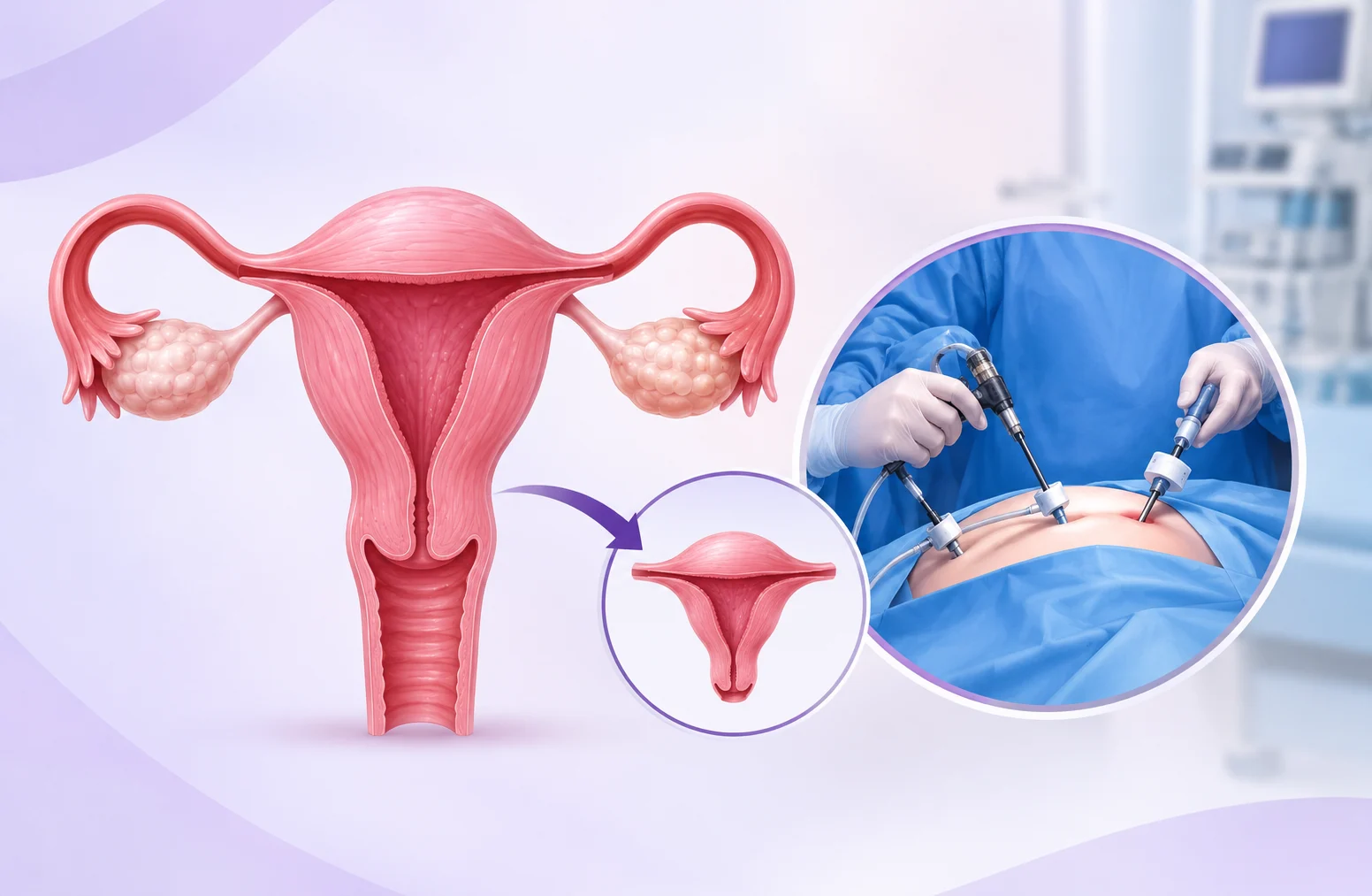
Overview
Hearing that you may need a hysterectomy can be a lot to take in. You may have questions about why it has been recommended, what the surgery will involve, and how it could affect your everyday life afterwards. It is also natural to wonder whether surgery is the right choice for you.
The decision can depend on your symptoms, the condition being treated and your overall health. There are also different ways to perform a hysterectomy, with recovery varying from person to person. Understanding what the surgery involves, why it may be recommended and what to expect afterwards can help you make an informed decision and feel more prepared.
What is a Hysterectomy?
A hysterectomy, or uterus removal surgery, is an operation to remove the uterus, the organ where a baby grows during pregnancy. Once the uterus is removed, you no longer have periods and cannot become pregnant. Depending on the reason for surgery, uterus removal may involve the uterus alone or other nearby structures as well.
Types of Hysterectomy
The type of hysterectomy depends on how much of the uterus and nearby tissue needs to be removed and the surgical approach used.
Based on the tissue removed:
- Total hysterectomy: The uterus and cervix are removed. This is the most commonly performed type.
- Partial or subtotal (supracervical) hysterectomy: The upper part of the uterus is removed, while the cervix remains. Some women may experience cyclical bleeding from the retained cervix. Cervical stump problems can also occur, and regular cervical screening must continue.
- Radical hysterectomy: The uterus, cervix, surrounding tissues and sometimes the upper part of the vagina are removed. It is mainly performed for certain gynaecological cancers, particularly cervical cancer, and selected cases of endometrial cancer.
Based on the surgical approach:
- Abdominal hysterectomy: The uterus is removed through an incision in the abdomen. It may be recommended when the uterus is very large, there are extensive adhesions or other complex conditions.
- Vaginal hysterectomy: The uterus is removed through the vagina without an abdominal incision. It is suitable for many women with benign conditions when vaginal access is adequate.
- Laparoscopic hysterectomy: The uterus is removed using small abdominal incisions and a camera. It may be suitable for women who need minimally invasive surgery and are appropriate candidates.
- Laparoscopically assisted vaginal hysterectomy (LAVH): Laparoscopy helps release the uterus and surrounding structures before removal through the vagina. It may be considered when additional abdominal visualisation is needed.
- Robotic-assisted hysterectomy: The surgeon uses robotic instruments controlled through a console to perform the operation through small incisions. It may be considered for selected complex cases, depending on the surgeon's expertise and available facilities.
Removing the ovaries is a separate decision and can cause immediate surgical menopause if both ovaries are removed before natural menopause. Your doctor will recommend the most appropriate type and approach based on your diagnosis, anatomy, overall health and surgical needs.
Who Needs a Hysterectomy and When Is It Recommended?
A hysterectomy is generally considered when other treatments have not worked, or when a condition is severe enough to require removal of the uterus. For cancer, it may be the main treatment. For benign (non-cancerous) conditions, it is usually considered after less invasive options have been explored.
Depending on the condition, alternatives may include:
- Heavy menstrual bleeding: Medicines such as tranexamic acid, hormonal therapy or a levonorgestrel-releasing intrauterine system (LNG-IUS).
- Uterine fibroids: Myomectomy (removal of fibroids while preserving the uterus) or uterine artery embolisation (blocking the blood supply to fibroids).
- Adenomyosis: Hormonal treatments, LNG-IUS and other medicines to manage pain and bleeding.
- Endometriosis: Hormonal treatment and conservative surgery, depending on the severity.
- Uterine prolapse: Pelvic floor exercises, a vaginal pessary (a device that supports the pelvic organs) or pelvic floor therapy.
- Heavy bleeding due to the uterine lining: Endometrial ablation may be suitable for selected women who do not wish to conceive in the future.
The right option depends on your diagnosis, symptoms, age and whether you wish to have children. Not every alternative is suitable for every condition.
Why is a second opinion important?
A hysterectomy permanently removes the ability to carry a pregnancy, so the decision deserves careful consideration, particularly in younger women. India's NFHS-5 data (2019–21) indicate that approximately 3% of women aged 15–49 have undergone a hysterectomy. The Indian Council of Medical Research (ICMR) recommends a second opinion from a qualified gynaecologist for women below 40 years or with low parity (few or no previous births) before hysterectomy for benign conditions.
Before deciding, discuss the reason for surgery, available alternatives, expected benefits and possible long-term effects with your gynaecologist. If you are unsure, seeking another specialist's opinion can help you make an informed decision.
If other treatments have failed, symptoms significantly affect your quality of life, or surgery is medically necessary, hysterectomy may provide definitive treatment.
Conditions a Hysterectomy Can Treat
A hysterectomy can treat a range of conditions affecting the uterus, both non-cancerous and cancerous. For many, doctors consider it only after other options have been tried. The main conditions it treats are below.
- Fibroids: Non-cancerous growths in the uterus that cause heavy bleeding, pain or pressure.
- Heavy or abnormal bleeding: Persistent heavy periods that do not settle with other treatment.
- Endometriosis and adenomyosis: Conditions where uterine-type tissue causes pain and heavy bleeding.
- Uterine prolapse: When the uterus slips down from its normal position, causing discomfort.
- Chronic pelvic pain: Long-standing pelvic pain linked to the uterus that has not responded to other care.
- Cancer or precancer: Cancer of the uterus, cervix or ovaries, where surgery is a key part of treatment.
The right treatment depends on the exact condition and its severity. For many benign problems, a hysterectomy is one option among several. When it is recommended for cancer, it is usually central to the plan.
Preparing for a Hysterectomy: Pre-Surgery Testing and Requirements
Before a hysterectomy, doctors at BirthRight by Rainbow Hospitals will arrange certain tests and give you instructions to help prepare for surgery. These may include health checks, medication guidance, fasting instructions, and discussions about the procedure and recovery. Common pre-surgery requirements include:
- Pre-operative tests: You may have blood and urine tests and, sometimes, scans to make sure you are ready for surgery.
- A discussion about your ovaries: You and the doctor will discuss whether your ovaries should be removed or kept.
- Counselling and questions: You will have time to discuss your concerns, including the emotional impact of surgery and its effect on fertility.
- Medicine review: Our doctor will review the medicines you take and advise you if any need to be paused before surgery.
- Fasting before surgery: You will be asked not to eat or drink for a set period before the operation.
- Arranging support at home: You may need help with daily tasks during the first week or two, so it is useful to plan this in advance.
Following these instructions closely lowers the risks of any surgery. It also helps you feel calmer and more prepared on the day. If anything is unclear, ask your team before your operation.
Hysterectomy Procedure: Step by Step
Understanding how the hysterectomy procedure works can reduce a lot of worry. The hysterectomy surgery is done under anaesthesia, and the approach your surgeon chooses depends on the reason for surgery and the size of the uterus. The main steps are below.
- You are given anaesthesia so you feel nothing during the operation, usually a general anaesthetic.
- Your surgeon chooses the approach: Through the vagina, through small keyhole cuts with a camera, with robotic assistance or through a larger cut in the abdomen.
- The uterus is carefully separated from the surrounding tissue and removed, along with the cervix or ovaries if that is part of the plan.
- The top of the vagina or the remaining tissue is closed with stitches, and any keyhole or abdominal cuts are closed.
Keyhole and vaginal approaches usually mean smaller cuts, less pain and a quicker recovery than open abdominal surgery. The abdominal approach is used when the uterus is large or when there is cancer or extensive scarring. Your surgeon will explain which approach is right for you and why.
Side Effects, Risks and Complications of Hysterectomy
A hysterectomy is generally safe, but like any major surgery, it carries some risks. Complications depend on the surgical approach, your health and whether your ovaries are removed.
Possible short-term complications:
- Bleeding and infection: Bleeding, wound infection or infection around the vaginal incision may occur.
- Injury to nearby organs: Bladder, ureter or bowel injuries are uncommon, generally affecting around 1% or fewer procedures.
- Blood clots: Deep vein thrombosis (DVT) or pulmonary embolism (blood clot in the lungs) can occur after surgery.
- Vaginal cuff dehiscence: The surgical closure at the top of the vagina may reopen, particularly after laparoscopic or robotic hysterectomy.
- Haematoma and anaesthesia risks: Blood may collect near the surgical site, and anaesthesia can cause side effects or, rarely, serious reactions.
Possible long-term effects:
- Bladder changes: Some women experience urinary urgency, frequency or incontinence.
- Pelvic floor weakness: Reduced pelvic support may contribute to vaginal vault prolapse.
- Earlier menopause: Ovarian function may decline earlier, even when the ovaries are retained.
- Surgical menopause: Removing both ovaries causes an immediate drop in hormones. If this happens before age 45, the risk of cardiovascular disease and osteoporosis increases. HRT is generally recommended until around age 51, if medically suitable.
When should you contact your doctor?
Seek prompt medical attention if you develop fever, heavy vaginal bleeding, foul-smelling discharge or calf pain and swelling. Sudden breathlessness or chest pain requires emergency medical care.
Most women recover well after hysterectomy. Following postoperative instructions and attending follow-up appointments can help reduce complications.
Will a Hysterectomy Cause Menopause?
Menopause after a hysterectomy depends on whether your ovaries are removed. If your ovaries are retained, they continue producing hormones, so you do not experience immediate menopause, although your periods stop. However, ovarian function may decline earlier than expected, bringing menopause forward by approximately 1–5 years in some women.
If both ovaries are removed along with the uterus, menopause begins immediately. This is called surgical menopause and may cause hot flushes, night sweats and vaginal dryness. Your gynecologist may recommend hormone replacement therapy (HRT) to manage symptoms and protect bone health, if suitable.
Deciding whether to retain or remove your ovaries is a shared decision between you and your doctor, based on your age, medical history, cancer risk and personal preferences.
Recovery, Success and Life After Hysterectomy
Recovery after hysterectomy depends on the surgical approach and your overall health. Vaginal and laparoscopic procedures generally allow a quicker return to daily activities than abdominal surgery. Most women experience relief from the symptoms that led to surgery.
Studies report positive outcomes for most women. In a survey of 2,319 Australian women who underwent hysterectomy, more than 96% said they did not regret having the procedure. Many also reported improvements in daily activities and overall wellbeing.
Recovery timeline after hysterectomy
| Activity | Vaginal/Laparoscopic | Abdominal |
|---|---|---|
| Walking | Within 1 day, gradually increasing | Within 1 day, gradually increasing |
| Driving | Usually after 2–4 weeks, when comfortable and able to perform an emergency stop | Usually after 4–6 weeks |
| Desk work | Around 2–4 weeks | Around 6–8 weeks |
| Heavy lifting | Avoid for around 4–6 weeks | Avoid for around 6–8 weeks |
| Sexual intercourse | Usually after 4–6 weeks, once healed and bleeding has stopped | Usually after 6–8 weeks, once healed and bleeding has stopped |
These are general recovery estimates. Your surgeon will confirm when it is safe to resume each activity.
What else can you expect during recovery?
- Return of energy: Tiredness is common initially and gradually improves over the following weeks.
- Sexual wellbeing: Many women find their sex life remains unchanged or improves after recovery, particularly when pain or heavy bleeding has resolved.
- Hormone support: If both ovaries were removed, your doctor may discuss hormone replacement therapy (HRT), if medically suitable.
Most women gradually return to their usual routines as they heal. Following activity restrictions and attending follow-up appointments helps support recovery.
The cost of a hysterectomy varies with the surgical approach, the hospital and the city, so it is worth asking for a personalised estimate. What most women share is lasting relief from the problem that led to surgery. Your doctor will explain what recovery is likely to look like for you.
What to Expect After Surgery: Recovery Milestones and Next Steps
In the days after surgery, you will gradually feel stronger, moving from rest to gentle activity. You will have a follow-up appointment to check your healing and discuss any test results, especially if surgery was done for cancer. Walking a little each day helps recovery and lowers the risk of blood clots.
Contact your doctor if you have a high fever, heavy bleeding, severe pain or redness, swelling or pain in a leg, as these need prompt attention. Most women return to normal activities within six to eight weeks, depending on the approach used. Your team will tell you when it is safe to drive, work and resume exercise.
Why Choose BirthRight by Rainbow Hospitals for Hysterectomy?
BirthRight by Rainbow Hospitals provides coordinated gynaecological care for women who may need a hysterectomy. Key strengths include:
- Experienced gynaecological surgeons: Specialists assess the reason for surgery and recommend the most appropriate approach based on your condition.
- Minimally invasive options: Where suitable, surgeons may perform laparoscopic or vaginal hysterectomy, which can involve smaller incisions and support a smoother recovery.
- Individualised treatment planning: Doctors discuss whether hysterectomy is the right option and explain any suitable alternatives before surgery.
- Clear pre-surgery guidance: The care team explains the procedure, expected recovery, and any decisions involving the cervix or ovaries.
- Coordinated surgical care: Gynaecology, anaesthesia, nursing, and other specialist support are brought together as needed.
- Post-surgery follow-up: Care continues after the procedure to monitor recovery and address any concerns during healing.
- Three decades of expertise: Rainbow Hospitals brings extensive experience in women’s healthcare to surgical and gynaecological care.

Find a Doctor and Book Appointment Online
Meet our specialist doctors who bring together clinical expertise, compassion, and personalised care to support your health and well-being. Choose from 1,300+ specialists across our network and book an appointment with BirthRight and Rainbow Children Hospitals, offering 24*7 support to you and your family.

Dr. Pranathi Reddy A
Clinical Director – Obstetrics & Gynecology.
English,Hindi,Telugu Banjara Hills

Dr. Gauri Vinayak Dhamangaonkar
Senior Consultant - Fetal Medicine
15 Years English,Hindi,Marathi,Telugu Kondapur OP, Banjara Hills

Dr. Shruthi Reddy Poddutoor
Consultant Obstetrician, Gynecologist & Laparoscopic Surgeon
English,Telugu Banjara Hills

Dr. Himabindu Veerla
Consultant Obstetrician, Gynecologist & Laparoscopic Surgeon
English,Telugu Banjara Hills

Dr. Bhargavi Reddy K
Consultant - Obstetrics and Gynecology
10 Years English,Hindi,Telugu Banjara Hills, Attapur Clinic

Dr. Annie Pranutha P
Consultant Obstetrics and Gynecology
9 Years English,Hindi,Telugu Banjara Hills, Attapur Clinic

Dr. Sasikala Kola
Consultant Obstetrician & Gynecologist
English,Hindi,Telugu Banjara Hills

Dr. Atigadda Vijaya
Consultant - Obstetrics & Gynecology
Hindi,Telugu Banjara Hills, Himayatnagar, Attapur Clinic

Dr. Nishanth Reddy Inavolu
Visiting Consultant Physician and Diabetologist & Internal Medicine
English,Hindi,Telugu Banjara Hills, Himayatnagar

Dr. Tulika Tayal
Consultant - Fetal Medicine
English,Telugu Banjara Hills

Dr. M Prathyusha Reddy
Consultant Obstetrics & Gynecology
English,Telugu Banjara Hills

Dr. Nithya Narasimha Murthy
Consultant -Psychiatrist
English,Hindi,Telugu Kondapur OP, Banjara Hills, Child Development Centre - Banjarahills Rd No 10

Dr. Brundavani
Consultant - Nutritionist
English,Hindi,Telugu Kondapur OP, Hydernagar, Banjara Hills, Child Development Centre - Banjarahills Rd No 10

Dr. Niveditha Chalmeda
Consultant
English,Telugu Banjara Hills

Dr. Kirti Reddy Patlolla
Consultant Obstetrics and Gynaecology
English,Telugu Banjara Hills, Attapur Clinic

Dr. Tuheena Sharma
Consultant - Perinatal Physiotherapy
10 Years English,Telugu Banjara Hills

Dr. Aditi Shah
Consultant - Fetal Medicine
English,Telugu Banjara Hills

Dr. Swathi Naga Tulasi Rayapureddy
Lactation Consultant
8 Years English,Telugu Banjara Hills

Dr. Swetha Reddy. S
CONSULTANT PERINATAL PSYCHIATRIST AND WOMEN MENTAL HEALTH SPECIALIST
13 Years English,Hindi,Telugu Banjara Hills

Dr. Addu Kiranmayi
Chief Clinical Nutritionist and Lifestyle Medicine Consultant
15 Years English,Hindi,Telugu Himayatnagar, Banjara Hills

Dr. Palle Nalini Kumari
Lactation Consultant
17+ Years English,Hindi,Telugu Banjara Hills

Dr. Nazia Tabassum
Consultant - Breast, Plastic & Reconstructive Surgeon
9 Years English,Hindi,Telugu,Urdu Banjara Hills

Dr. Sruthi Cheera
Consultant Breast Surgeon
5 Years English,Hindi,Kannada,Telugu Banjara Hills

Dr. Supriya Reddy
Lactation Consultant
5 Years English,Hindi,Telugu Banjara Hills

Dr. Niraj Krishnamurthy Yanamandra
Senior Consultant Obstetrician & Gynaecologist, Laparoscopy & Hysteroscopy Surgeon
English,Hindi,Marathi,Telugu Hydernagar, Banjara Hills, Financial District

Dr. B. Rao Bahadur
Consultant – Obstetrician & Gynecologist, Laparoscopic ,& Hysteroscopic Surgeon
22 Years English,Hindi,Konkani,Marathi,Telugu Banjara Hills, Kondapur OP

Dr. Sneha Kulkarni
Consultant - Child, Adolescent & Adult Psychiatrist
10 Years English,Hindi,Kannada,Telugu Secunderabad, Banjara Hills, Child Development Centre - Banjarahills Rd No 10

Dr. Lavanya Janagama
Consultant – Obstetrics & Gynecology
10+ Years English Banjara HillsLeading Hospitals for Women Care
Rainbow Children's Hospital stands as a testament to the hospital's continual pursuit of excellence and innovation, providing specialized care for women and children


















chennai
Blogs
Discover our most recent health articles provided by our reliable experts.




What Are People Saying About Us
Embark on a journey of inspiration and hope with our patient success stories, complemented by informative videos from our dedicated doctors.


Media
 Common Gynaecological Surgeries to Fix Female Reproductive Issues
 Healthy Woman - Healthy World
 Healthier Women For a Healthier Future...
 Rainbow Children’s Hospital & BirthRight by Rainbow Launch Video Consultation Facilities
 Dr.Pranthi Reddy
 What is the use of that?
 Can you try this time?
 Pregnant Women are Not Unfit
 Declining Age of Menarche - A Matter of Concern
 Important Facts about Cervical Cancer
 Be careful before preempting
 Flu every month!
 Menstrual cramps
 Premature delivery
 Whether laughing or coughing...why?
 Multi - Tasking may be Cool but it's not Healthy
 Pregnant and Worried about COVID-19? Here's Everything you Need to know
 Video Consultation in Pandamic Situation for Pregnancy Women's
 Women.. Various types of cysts
 Recurrent Pregnancy Loss in Women
 Early Onset of Puberty: Causes, Symptoms and Treatment Options
Common Gynaecological Surgeries to Fix Female Reproductive Issues
Healthy Woman - Healthy World
Healthier Women For a Healthier Future...
FAQs
Will I go into menopause immediately after a hysterectomy?
How long will I be in the hospital after a hysterectomy?
Can I still have sex after a hysterectomy?
Can I get pregnant or have periods after a hysterectomy?
Is a hysterectomy the only option for my condition?
Will I gain weight after a hysterectomy?
What foods should I avoid after a hysterectomy?
Can I still need cervical cancer screening after a hysterectomy?
How much walking is safe after a hysterectomy?
Will I need hormone replacement therapy after a hysterectomy?
Why do I pass urine differently after a hysterectomy?
What is the average age for a hysterectomy?
Quick Links
Free Calculators to Track and Predict your Pregnancy
Gynecologist in Other Locations
Women's Health Conditions We Treat
- Mastitis (Breast Infection)
- PCOS (Polycystic Ovary Syndrome)
- Uterine Fibroids (Leiomyomas)
- Recurrent Pregnancy Loss
- Blocked Fallopian Tubes (Fallopian Tube Obstruction)
- Gestational Diabetes in Pregnancy
- Incompetent Cervix (Cervical Insufficiency)
- COVID-19 in Pregnancy
- Cytomegalovirus (CMV) in Pregnancy
- HELLP Syndrome
- Luteal Phase Defect
- Vasa Previa
- Listeria in Pregnancy
- Placenta Previa
- Endometrial Polyps (Uterine Polyps)
- Congenital Heart Disease in Pregnancy
- Hyperemesis Gravidarum (Severe Morning Sickness)
- Preeclampsia (toxemia)
- Fetal Distress (Non-Reassuring Fetal Status)
- Postpartum Haemorrhage (PPH)
- Placental Abruption (Abruptio Placentae)
- Placenta Accreta
- Postpartum Depression (PPD)
- Rhesus (Rh) Incompatibility
- Syphilis in Women
- Thalassemia in Pregnancy
- Gestational Thrombocytopenia
- Diabetes in Pregnancy
- Uterine Rupture
- Migraine in Pregnancy
- Eclampsia
- Uterine Inversion (Inverted Uterus)
- Rubella in Pregnancy
- Pulmonary Hypertension in Pregnancy
- Hydrops Fetalis (Fetal Hydrops)
- Iron-Deficiency Anaemia in Pregnancy
- Hypothyroidism in Pregnancy
- Pregnancy Constipation
- Retained Placenta
- Antiphospholipid Syndrome (APS)
- Subchorionic Hemorrhage
- Asthma in Pregnancy
- Amniotic Fluid Embolism (AFE)
- Placenta Increta
- Fetal Macrosomia
- Gestational Trophoblastic Disease (GTD)
- Postpartum Psychosis
- Chronic Hypertension in Pregnancy