



Categories
Good Follicle Size for IUI & IVF: Size Charts, Growth Stages & What the Numbers Mean
Aug 13, 2026
A good follicle size for pregnancy is usually 18–24 mm. For IUI, the ideal follicle size is 18–22 mm, while IVF trigger is commonly planned when most follicles measure 16–22 mm.
Follicle Growth in Indian Women: What You Should Know
Women in India commonly experience certain health conditions that may influence ovarian response during fertility treatment.PCOS: Polycystic Ovary Syndrome (PCOS) affects an estimated 1 in 5 Indian women and is one of the leading causes of irregular ovulation. Women with PCOS may develop many follicles, but they often require individualized stimulation protocols to ensure healthy follicular development while reducing the risk of ovarian hyperstimulation syndrome (OHSS).
Vitamin D Deficiency: Studies suggest that 70–90% of Indians have inadequate Vitamin D levels. Vitamin D plays an important role in ovarian function, follicular development, and egg quality. Your fertility specialist may recommend checking Vitamin D levels before beginning IUI or IVF treatment.
Thyroid Disorders: Thyroid disorders are relatively common among Indian women and can interfere with ovulation and follicle maturation. Optimizing thyroid function before fertility treatment may improve ovarian response.
Understanding Ovarian Follicles
Before talking about numbers, it helps to understand what a follicle actually is and why its size is tracked so closely throughout your treatment cycle.What Is a Follicle? A follicle is a small, fluid-filled sac inside the ovary that houses a developing, immature egg (oocyte) — which is why you'll often hear the term "egg follicle size" used interchangeably with "follicle size" in fertility monitoring. Every woman is born with a lifetime supply of follicles, and each month, a group of them begins to grow. Normally, only one becomes the "dominant" or "lead" follicle and releases a mature egg at ovulation, while the rest stop growing and are reabsorbed by the body. During fertility treatment, medication is used to encourage multiple follicles to grow at once, increasing the number of eggs available for insemination or retrieval.
How Follicle Size Is Measured Follicle size is measured in millimetres (mm) using transvaginal ultrasound, usually starting a few days into your stimulation medication. Your fertility team measures the diameter of each visible follicle and tracks how it grows over consecutive scans, alongside blood estrogen levels and the thickness of your uterine lining. This combination — size, hormone levels, and lining thickness — gives a much fuller picture than follicle size alone.
Growth of Follicles during Fertility Treatment During a normal menstrual cycle, one dominant follicle grows naturally. During IUI or IVF treatment, fertility medications stimulate multiple follicles to develop, increasing the chances of successful fertilization.
Follicles typically grow at a rate of roughly 1 to 2 mm per day, though this varies from person to person and even cycle to cycle. Growth isn't always perfectly even — some follicles will pull ahead as "lead follicles" while others lag slightly behind, and this is completely normal. Your specialist watches this pattern over several monitoring visits (often every 1–3 days) rather than judging your progress from a single scan.
Indian fertility specialists follow evidence-based monitoring protocols during IUI and IVF cycles. In line with recommendations from the Indian Council of Medical Research (ICMR) and the Federation of Obstetric and Gynaecological Societies of India (FOGSI), follicular development is monitored using serial transvaginal ultrasound, along with hormone assessments and individual patient response, to determine the optimal timing for ovulation trigger and egg retrieval.
What Is a Good Follicle Size?
A mature follicle size for ovulation is typically 18–24 mm. At this stage, the egg is usually mature and ready for release or retrieval. However, pregnancy success also depends on factors such as egg quality, age, hormone levels, and sperm health.Good Follicle Size
| Treatment | Ideal Follicle Size | Purpose |
| Natural Ovulation | 18–24 mm | Ovulation |
| IUI | 18–22 mm | Trigger + Insemination |
| IVF Trigger |
17–20 mm (Trigger) 18–22 mm (Retrieval) |
Egg maturity |
Good Follicle Size for Natural Pregnancy: For natural pregnancy, the ideal follicle size is 18–24 mm at ovulation, offering the best chance for fertilization. Good Follicle Size for IUI: For IUI, the optimal follicle size is usually 18–22 mm before the ovulation trigger, improving the chances of successful insemination. Good Follicle Size for IVF: For IVF, egg retrieval is generally planned when most follicles reach 17–20 mm, as they are more likely to contain mature eggs suitable for fertilization.
Why Follicle Size Matters for Pregnancy
Follicle size acts as an indirect marker of egg maturity. A follicle that's too small is unlikely to contain a fully mature, fertilizable egg, while a follicle that's grown too large may contain an "over-mature" egg with reduced fertilization potential. This is why your fertility specialist doesn't just wait for the biggest possible follicle — they're aiming for the size range most strongly linked to healthy, fertilizable eggs.What Does Follicle Size Mean?
| Follicle Size | Meaning |
| <10 mm | Immature |
| 10–14 mm | Growing |
| 15–17 mm | Nearly Mature |
| 18–22 mm | Mature |
| >24 mm | May be Over-mature |
Follicle Growth During Fertility Treatment
During fertility treatment, follicles usually grow at a rate of 1–2 mm per day, although the rate varies between individuals and treatment protocols. Regular ultrasound monitoring helps your fertility specialist track follicular development and determine the ideal time for ovulation, insemination, or egg retrieval.| Day of Stimulation | Typical Lead Follicle Size |
| Day 6–7 | 8–10 mm |
| Day 8–9 | 10–13 mm |
| Day 10 | 12–15 mm |
| Day 12 | 15–18 mm |
| Day 14 | 17–21 mm (often close to trigger-ready) |
Note: These figures are approximate. Every treatment cycle is unique, and your fertility specialist will determine the right timing based on ultrasound findings, hormone levels, and your individual response to treatment.
Every cycle progresses at its own pace — some patients trigger earlier than day 12, others need a few extra days of stimulation. Your monitoring scans, not a generic day count, determine your actual trigger date.
Factors Affecting Follicle Growth
Several factors can influence follicular development, affecting how well follicles grow and mature during a treatment cycle, including:- Age and ovarian reserve – fewer antral follicles typically mean a more modest response to stimulation.
- Hormonal balance – conditions like PCOS or thyroid dysfunction can affect follicle growth patterns.
- Body weight and metabolic health – insulin resistance and higher BMI can affect ovarian response.
- Type and dose of stimulation medication – protocols are adjusted based on how your follicles respond in real time.
- Underlying conditions – endometriosis or previous ovarian surgery can sometimes affect follicle development.
- Lifestyle factors – smoking, chronic stress, and poor sleep can subtly affect ovarian response over time.
Why Are Healthy Follicles Important for Pregnancy?
Follicle size and number directly influence the timing of your trigger shot — the injection that finalizes egg maturation before ovulation or retrieval. Trigger too early, and eggs may not be mature enough to fertilize. Trigger too late, and eggs may be past their optimal window. Getting this timing right, based on follicle size, is one of the most important levers your fertility team has to improve your chances in both IUI and IVF.However, follicle size alone does not determine pregnancy success. Fertility specialists also consider egg quality, hormone levels, endometrial thickness, sperm quality, age, and overall reproductive health before planning treatment. Monitoring all these factors together helps maximize the chances of successful fertilization, embryo development, and pregnancy.
Ideal Follicle Size for IUI Treatment
For IUI cycles, most fertility specialists consider a follicle mature and ready for the trigger shot once it reaches approximately 18–22 mm in diameter, with a minimum threshold of about 18 mm generally used before administering hCG. Several recent large studies point to an even narrower "sweet spot" — dominant follicles in the 19–21 mm range have shown some of the highest associated pregnancy and live birth rates, with outcomes tending to dip slightly for follicles that are notably smaller or larger than this window.How Many Follicles Are Ideal for IUI?
In a natural or mildly medicated IUI cycle, doctors typically aim for just one or two mature follicles — enough to give a good chance of pregnancy while keeping the risk of a multiple pregnancy low. If monitoring shows several follicles growing past the 14–15 mm mark at once, your doctor may advise converting the cycle to IVF or skipping the insemination altogether that month, purely as a safety measure against high-order multiples.Ideal Follicle Size for IVF Treatment
IVF works differently because the goal isn't a single ovulation — it's retrieving as many mature, good-quality eggs as safely possible. Most clinics trigger the final maturation shot once several lead follicles reach approximately 16–22 mm, with a practical benchmark of at least two to three follicles at 17–18 mm or larger, supported by a cohort of medium-sized follicles in the 14–17 mm range that continue maturing between the trigger shot and the retrieval procedure itself.How Follicle Size Impacts IVF and IUI Success
In both IVF and IUI treatments, follicle size functions as a proxy — not a guarantee — for egg maturity. A cohort of appropriately sized follicles increases the number of mature eggs available, which in IVF translates to more embryos to choose from, and in IUI translates to a better-timed insemination. However, quality still matters more than quantity: a single well-timed, appropriately sized follicle can be more valuable than several poorly timed ones. This is why your fertility specialist looks at the whole picture — follicle size, count, hormone trends, and lining thickness — rather than chasing one number in isolation.How to Increase Follicle Size
Follicle growth depends on your age, ovarian reserve, hormone levels, and overall reproductive health. If your follicles are growing more slowly than expected, your fertility specialist may recommend personalized strategies to improve ovarian response.Medical Approaches
Your fertility specialist may:- Adjust stimulation medication or dosage based on your ovarian response.
- Extend the stimulation period to allow follicles more time to mature.
- Correct underlying conditions, such as thyroid disorders or vitamin D deficiency, that may affect follicular development.
- Optimize trigger shot timing and modify your IVF or IUI protocol when needed.
Healthy Lifestyle Habits
Healthy lifestyle choices can support hormone balance and egg quality. Aim to:- Get 7–9 hours of quality sleep every night.
- Maintain a healthy body weight (BMI).
- Stay physically active with moderate exercise.
- Manage stress through relaxation techniques.
- Stay well hydrated.
- Avoid smoking and limit alcohol consumption.
Eat a Fertility-Friendly Diet
A balanced diet rich in antioxidants, healthy fats, lean protein, whole grains, fruits, and vegetables may support healthy follicle development. Include foods such as eggs, paneer, Greek yogurt, lentils, chickpeas, fish, spinach, beetroot, citrus fruits, pomegranate, walnuts, almonds, pumpkin seeds, and flaxseeds.Evidence-Based Supplements
Certain supplements may support egg quality when recommended by your fertility specialist.| Supplement | Potential Benefit |
| CoQ10 | Supports mitochondrial function and egg quality |
| Vitamin D | Supports ovarian response in women with deficiency |
| Folic Acid | Recommended before conception to support a healthy pregnancy |
| Omega-3 Fatty Acids | May support reproductive and hormonal health |
Note: Never start supplements or change fertility medications without consulting your fertility specialist.
What Your Doctor Can—and Cannot—Change
Your fertility specialist can personalize your treatment by adjusting medications, stimulation protocols, trigger timing, and overall IVF or IUI strategy based on your response.However, certain factors cannot be changed, including age, ovarian reserve, and genetic factors, which naturally influence egg quality and fertility potential.
Although age and ovarian reserve cannot be modified, personalized fertility treatment, regular monitoring, good nutrition, and healthy lifestyle habits can help optimize follicle development and improve your chances of a successful pregnancy.
When to Worry About Follicle Size
A certain amount of variation in follicle growth is normal and expected — not every follicle grows at the same pace, and this alone isn't a red flag.Warning Signs to Watch For
It may be worth a closer conversation with your fertility specialist if:- Follicles are growing unusually slowly or have stalled despite medication adjustments
- Very few follicles are developing at all, especially in a stimulated IVF cycle
- Follicles are consistently much smaller than expected for your day of stimulation
- A large number of follicles are growing rapidly together, raising concern about ovarian hyperstimulation syndrome (OHSS)
- Follicle growth has been uneven or disappointing across more than one treatment cycle
Expert Insights
Follicle monitoring is treated as a cornerstone of both IUI and IVF protocols, precisely because it's one of the few real-time indicators doctors have of how a treatment cycle is progressing. While exact monitoring schedules and trigger criteria can vary slightly between clinics and individual patients, the underlying principle is consistent: follicle size is tracked alongside hormone levels and uterine lining thickness to time treatment as precisely as possible, rather than relying on any single measurement in isolation.Conclusion
Follicle size can feel like a strange thing to become emotionally invested in — checking millimetres on an ultrasound report, hoping for growth between one scan and the next. But it's genuinely one of the most useful windows your fertility team has into how your body is responding to treatment. A "good" follicle size isn't a single magic number; it's a range — generally 18–22 mm for IUI and 16–22 mm for IVF — that your specialist interprets alongside your hormone levels, lining thickness, age, and medical history.While follicle size provides valuable information about egg maturity, successful conception depends on a combination of factors, including egg quality, sperm health, uterine receptivity, and the right treatment strategy.
If you're planning a pregnancy or undergoing IUI or IVF and have questions about follicle growth, ovulation timing, or egg quality, the fertility specialists at BirthRight Fertility by Rainbow Hospitals provide personalized monitoring and evidence-based treatment plans tailored to your needs. Call 1800 2122 to book a consultation.
Disclaimer: This article is for informational purposes only and is not a substitute for professional medical advice. Follicle size ranges can vary based on individual health, protocol, and clinical judgment. Please consult a qualified fertility specialist to understand what's right for your specific treatment cycle.
Frequently asked questions
What is a good follicle size for IUI?
What is a good follicle size for IVF egg retrieval?
How fast do follicles grow during fertility treatment?
Can a small follicle still contain a mature, fertilizable egg?
Is a bigger follicle always better?
How many follicles are needed for a successful IUI?
How many follicles are needed for IVF?
What happens if my follicles aren't growing fast enough?
Can supplements help increase follicle size?
What is the trigger shot, and how does it relate to follicle size?
Why do some follicles grow while others don't?
When should I be concerned about my follicle size or growth?
Does follicle size affect embryo quality in IVF?
Does age affect follicle size and egg quality?
How often will my follicles be monitored during treatment?
Can I get pregnant with one mature follicle?
What is the ideal follicle size for egg retrieval?
What happens if follicles stop growing?
Does BirthRight Fertility personalize follicle monitoring and trigger timing?
Related BlogView More
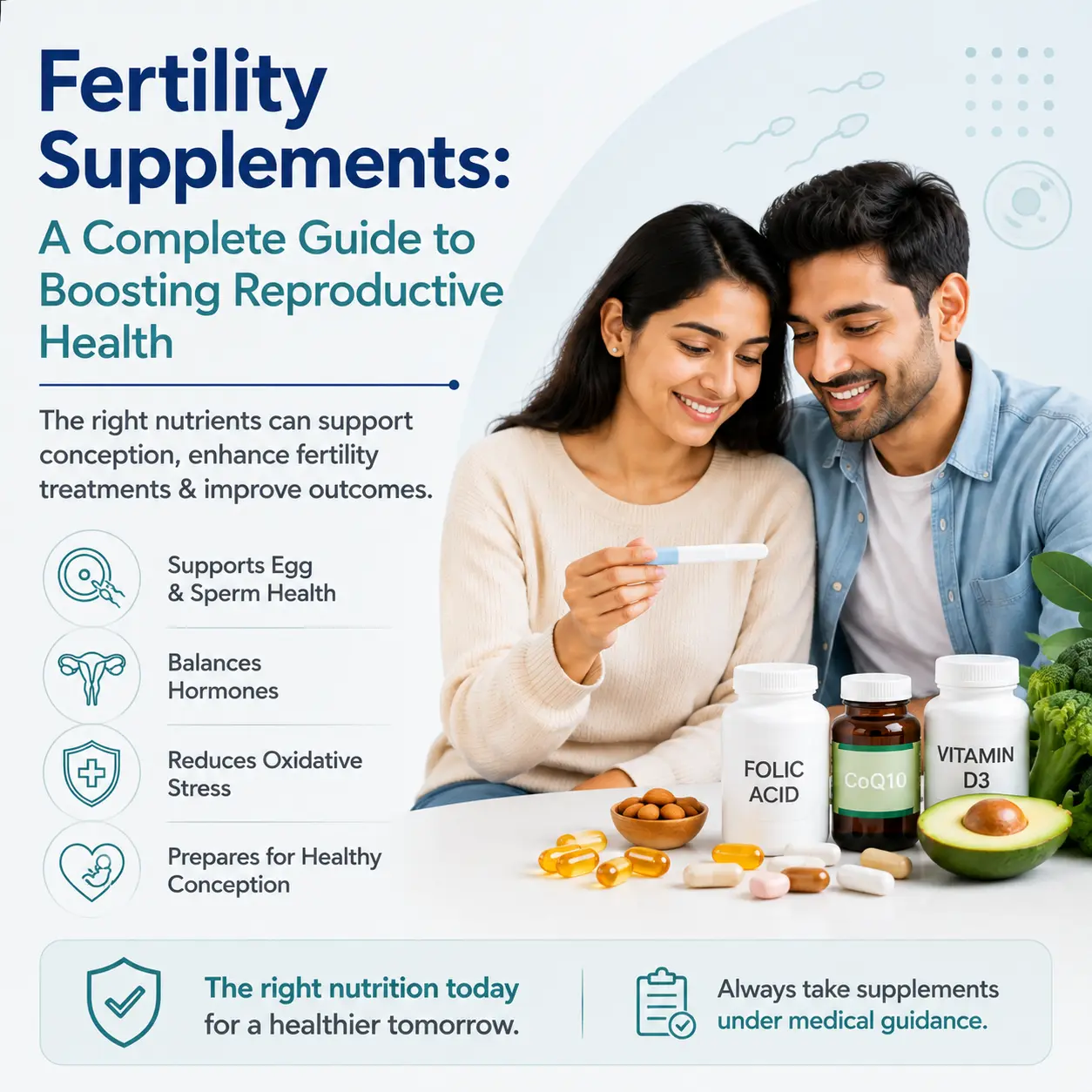
Fertility Supplements: A Complete Guide to Boosting Reproductive Health
Trying to conceive is often an emotional journey filled with hope, anticipation, and sometimes unexpected challenges. Many couples begin with lifestyle changes and healthy eating, while others require medical treatments such as ovulation induction, IUI, or IVF. Alongside
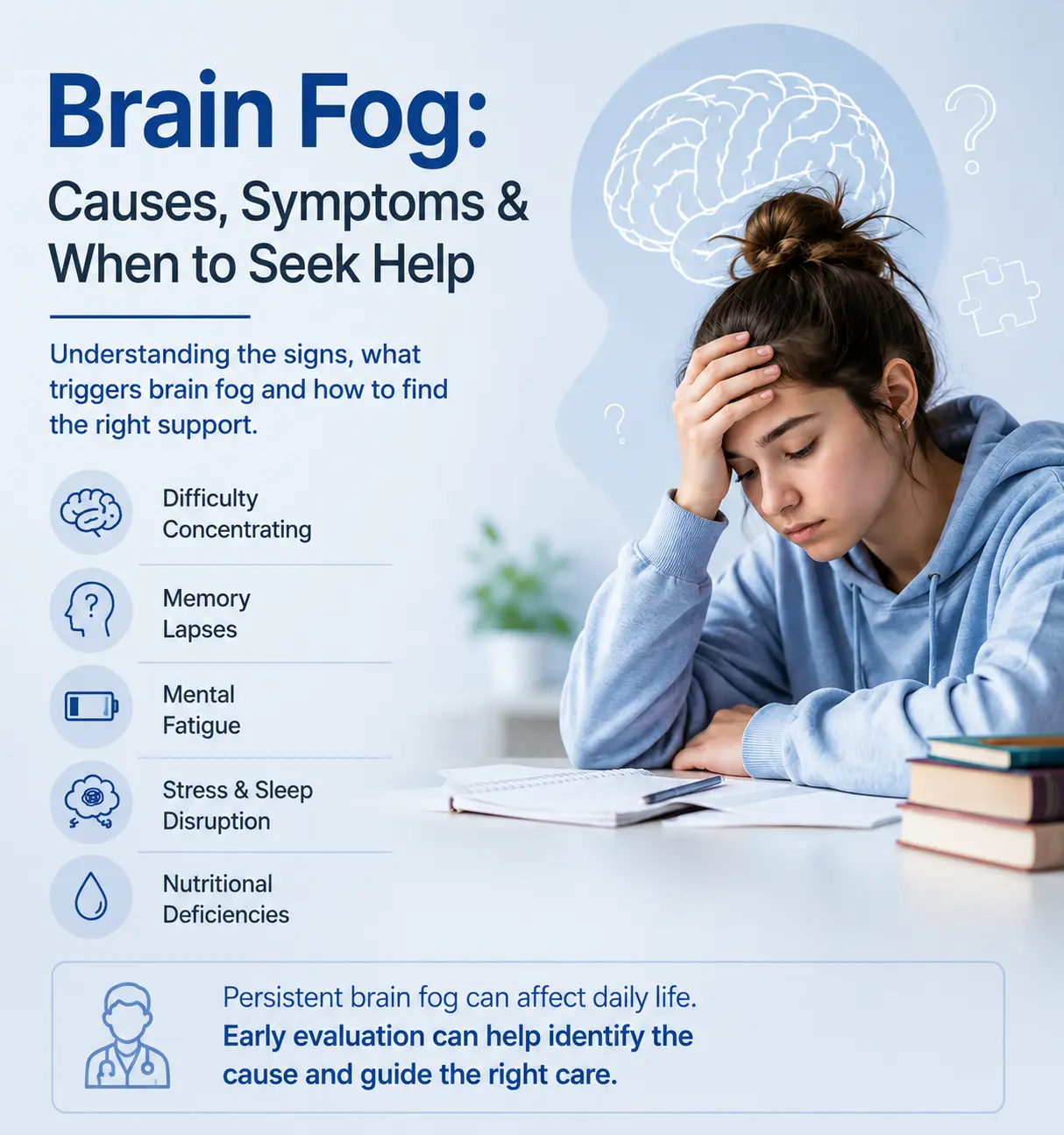
What Is Brain Fog? Symptoms and How to Get Rid of It
Brain fog describes a group of thinking and memory difficulties rather than a specific medical condition. You may find it harder to concentrate, remember information, organise tasks or find the right words. It can occur after poor sleep, stress, illness or changes in phy
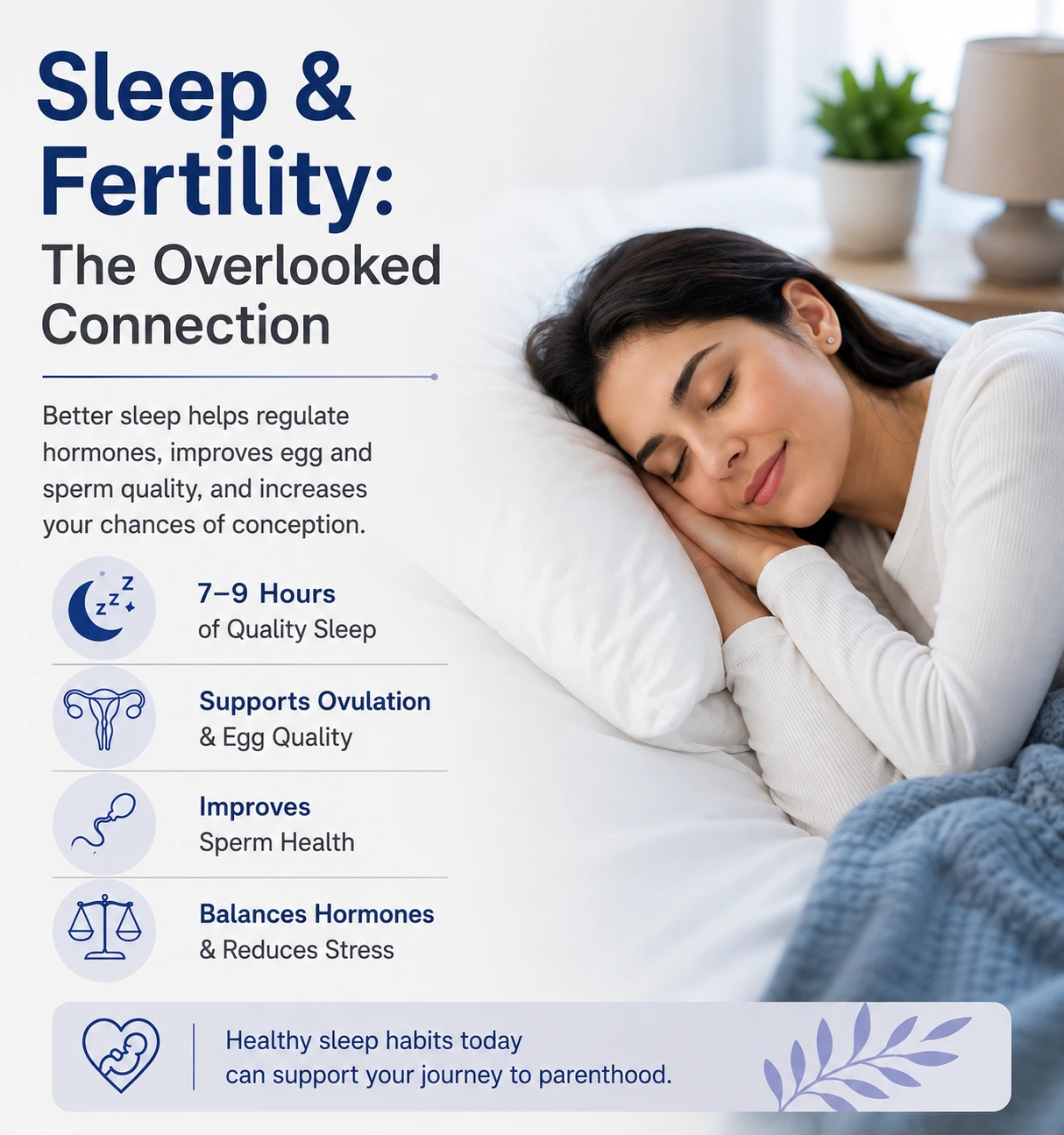
Can Poor Sleep Affect Fertility? Sleep, Hormones & Conception Explained
Sleep is a fundamental pillar of good health. It gives the body and mind time to repair, restore energy, regulate hormones, and maintain the normal functioning of cells, tissues, and organs, supporting overall physical and mental well-being. Sleep also plays a vital role i
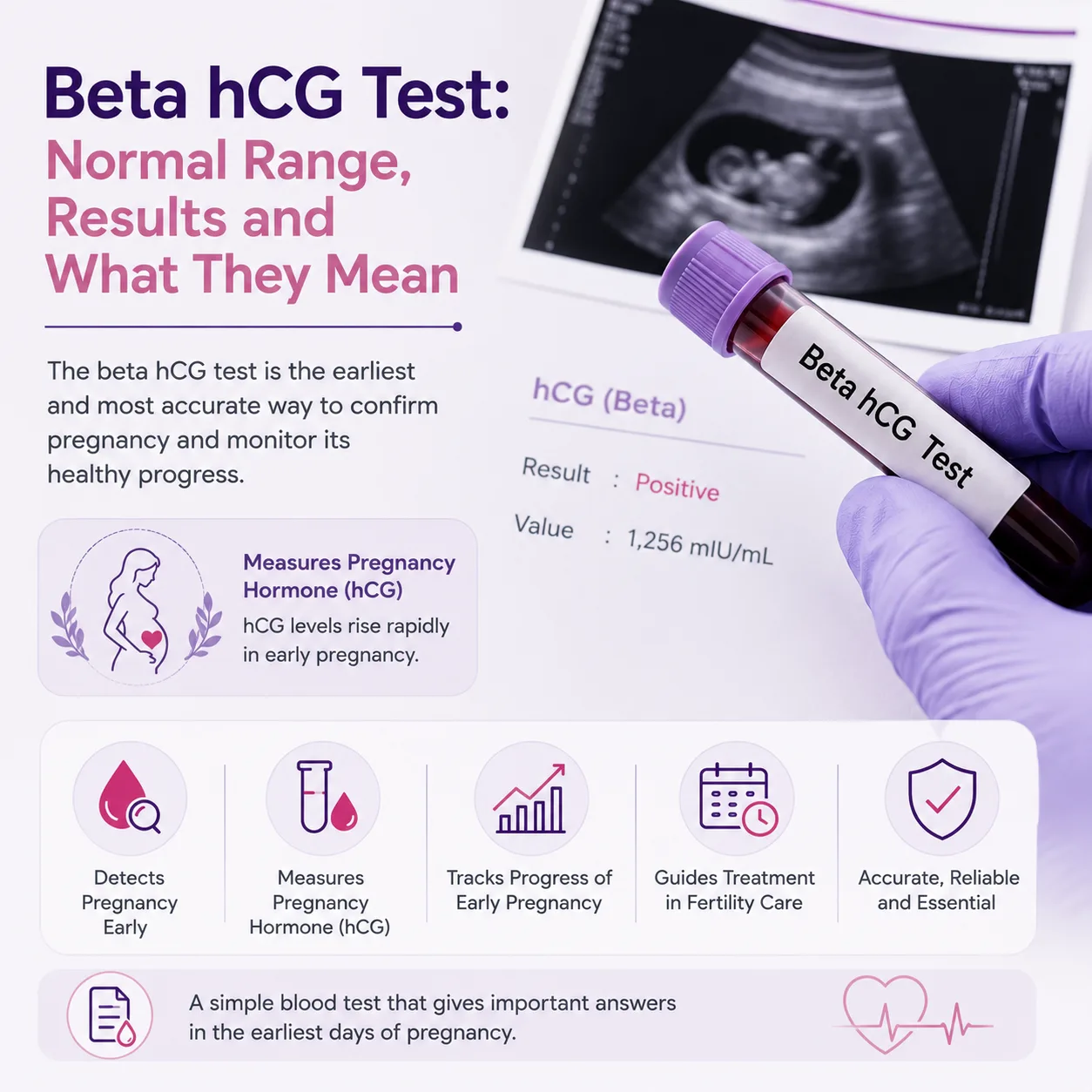
Beta hCG Test Explained: Normal Levels, Pregnancy Results and What They Mean
For most women, the beta hCG test is the first reliable confirmation of pregnancy. It measures the pregnancy hormone (human chorionic gonadotropin) in the blood and is far more sensitive than a home urine test. Understanding what the test measures, what the b