



Categories
Can Alcohol Affect Your Menstrual Cycle? Effects on Periods, Hormones and Fertility
Jul 28, 2026
How Alcohol Affects Menstrual Health
Alcohol interacts with the endocrine system, which controls the hormones responsible for the menstrual cycle. When consumed regularly, alcohol raises oestrogen and testosterone levels, disrupts progesterone, and can interfere with ovulation. Occasional light drinking has minor effects for most women, but heavy or frequent drinking can lead to noticeable changes in period patterns and increase the risk of cycle disorders over time.Does Alcohol Delay Period?
Yes, alcohol can delay a period, particularly if consumed in excess or over a prolonged period. The delay usually occurs because alcohol disrupts the delicate hormonal balance that regulates ovulation. Delayed ovulation leads to a later period. Occasional social drinking is unlikely to have a lasting effect, but binge drinking or regular heavy drinking can throw the cycle off for one or more months. Other lifestyle factors (stress, poor sleep, weight change) often combine with alcohol to worsen the disruption.Does Drinking on Your Period Make You Bleed More?
Alcohol is a vasodilator, which means it can widen blood vessels and slightly increase blood flow. For some women, this leads to noticeably heavier bleeding during their period. Alcohol can also worsen menstrual cramps by increasing dehydration and interfering with prostaglandin balance. Women who already have heavy periods may find that alcohol during menstruation makes symptoms noticeably worse.Effects of Alcohol on Reproductive Hormones
- Oestrogen: Alcohol raises circulating oestrogen levels, which, over time, increases the risk of certain hormonal disorders.
- Progesterone: Alcohol can disrupt progesterone levels, which affects the second half of the menstrual cycle and fertility.
- Testosterone: Slightly elevated in women who drink regularly. Higher testosterone can contribute to acne, hair changes, and ovulation issues.
- Prolactin: Alcohol can raise prolactin levels, which suppresses ovulation.
Alcohol and Fertility
The link between alcohol and fertility is well established. Regular alcohol consumption reduces the chances of conceiving each cycle by disrupting ovulation, affecting egg quality, and altering the uterine environment. For women undergoing fertility treatment, most specialists advise cutting alcohol out entirely during the treatment cycle and pregnancy. For men, alcohol also affects sperm count, motility, and quality, making it a shared consideration for couples trying to conceive.Signs Alcohol May Be Affecting Your Cycle
- Periods becoming irregular after a change in drinking habits
- Heavier or more painful periods
- PMS symptoms worsening
- Missed periods or unexpected spotting
- Difficulty conceiving after months of trying
Healthy Guidelines for Women
For women who choose to drink, moderation is key. General recommendations include:- Limit intake to no more than 1 drink per day on average
- Avoid binge drinking (four or more drinks in a single session)
- Skip alcohol entirely during ovulation if trying to conceive
- Avoid alcohol completely during pregnancy and while breastfeeding
- Stay well hydrated when drinking to reduce hormonal disruption
When to See a Doctor
If your periods have become irregular, painful, or unpredictable, and you suspect alcohol may be a factor, consult a gynecologist. Persistent cycle disruption can also indicate other conditions such as PCOS, thyroid dysfunction, or hormonal imbalances that may need evaluation. Blood tests, ultrasound, and a detailed history will help identify the actual cause.Conclusion
Alcohol can affect your menstrual cycle in ways that vary from mild to significant depending on how much and how often you drink. Occasional social drinking has minimal impact for most women, but regular heavy drinking can disrupt periods, worsen symptoms, and reduce fertility. If cycle changes are affecting your life or plans, BirthRight by Rainbow Hospitals offers women's health specialists who can evaluate your cycle and support your reproductive health with clear, practical guidance.FAQs
Can one night of drinking delay my period?
A single occasion of moderate drinking is unlikely to delay your period. Delays usually occur with regular, heavy, or repeated binge drinking.Is it safe to drink during my period?
Occasional moderate drinking is generally safe, but it can worsen cramps and increase bleeding for some women.Does alcohol affect PMS symptoms?
Yes. Alcohol can worsen PMS symptoms, including mood swings, headaches, bloating, and breast tenderness.Should I stop drinking if I am trying to conceive?
Fertility specialists recommend cutting alcohol out or reducing it significantly while trying to conceive and stopping entirely once pregnancy is confirmed.Can alcohol cause missed periods?
Heavy or chronic alcohol use can cause missed periods by disrupting ovulation. Occasional missed periods deserve medical evaluation.Medical Disclaimer
This content is for general informational purposes only and is not a substitute for professional medical advice, diagnosis, or treatment. Always consult a qualified healthcare professional regarding your specific health concerns.Related BlogView More
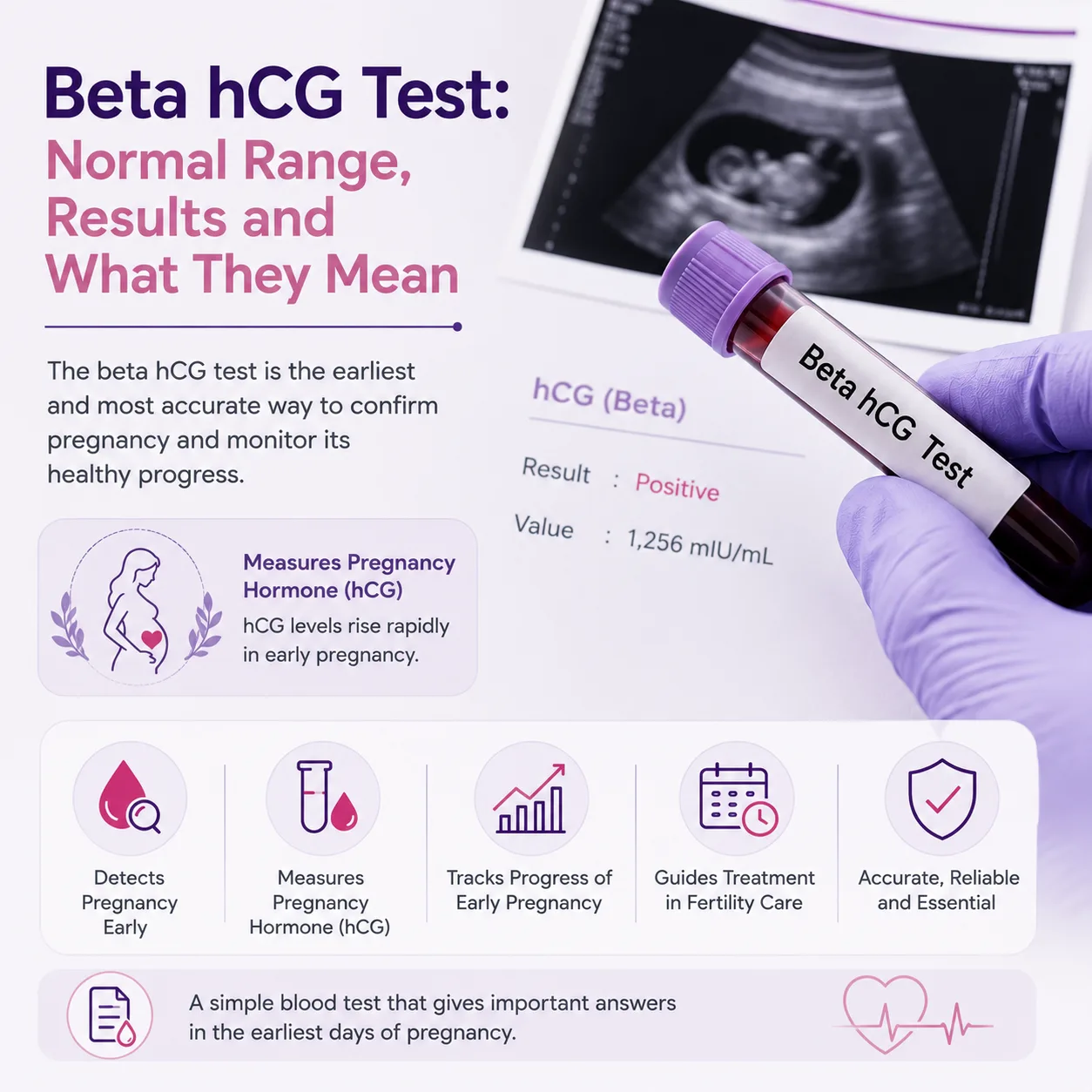
Beta hCG Test Explained: Normal Levels, Pregnancy Results and What They Mean
For most women, the beta hCG test is the first reliable confirmation of pregnancy. It measures the pregnancy hormone (human chorionic gonadotropin) in the blood and is far more sensitive than a home urine test. Understanding what the test measures, what the beta hC
The IVF Journey Explained: What Every Couple Should Know Before Starting Treatment- Dr. Shreeja Karan – Fertility Specialist – Birthright Fertility by Rainbow Hospitals.
Starting IVF treatment can feel overwhelming, especially when you're unsure about what happens at each stage. Questions like "How does IVF work?", "What happens before IVF?", "Is IVF painful?", and "How long does IVF take?" are among the most common concerns couples have before b
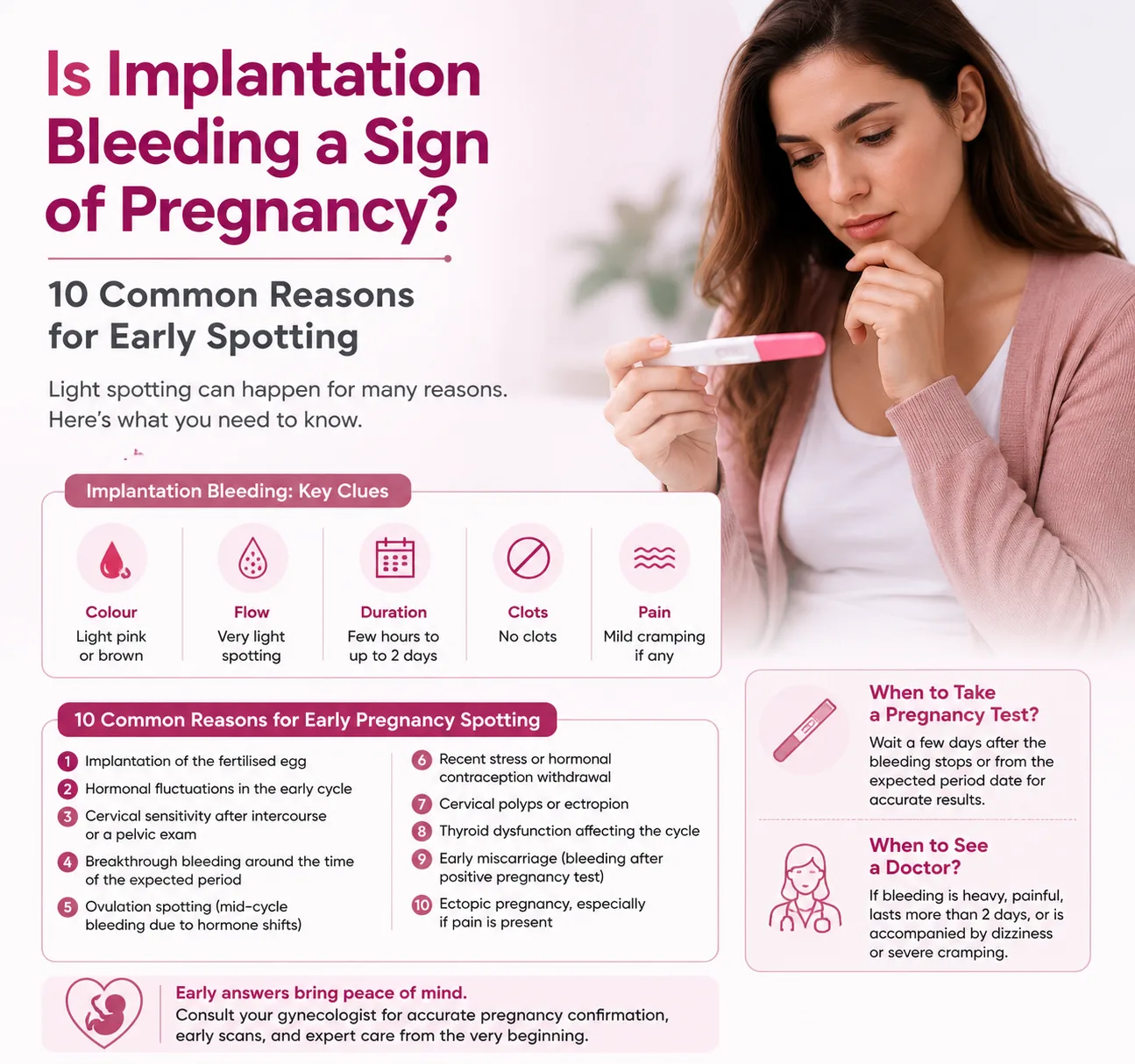
Is Implantation Bleeding a Sign of Pregnancy? 10 Common Reasons for Early Spotting
For women trying to conceive, any early bleeding raises the same question: is this my period, or could I be pregnant? It is a common phenomenon among women of reproductive age; however, it is important to know when does the Implantation bleeding occur. It is one of the earlies
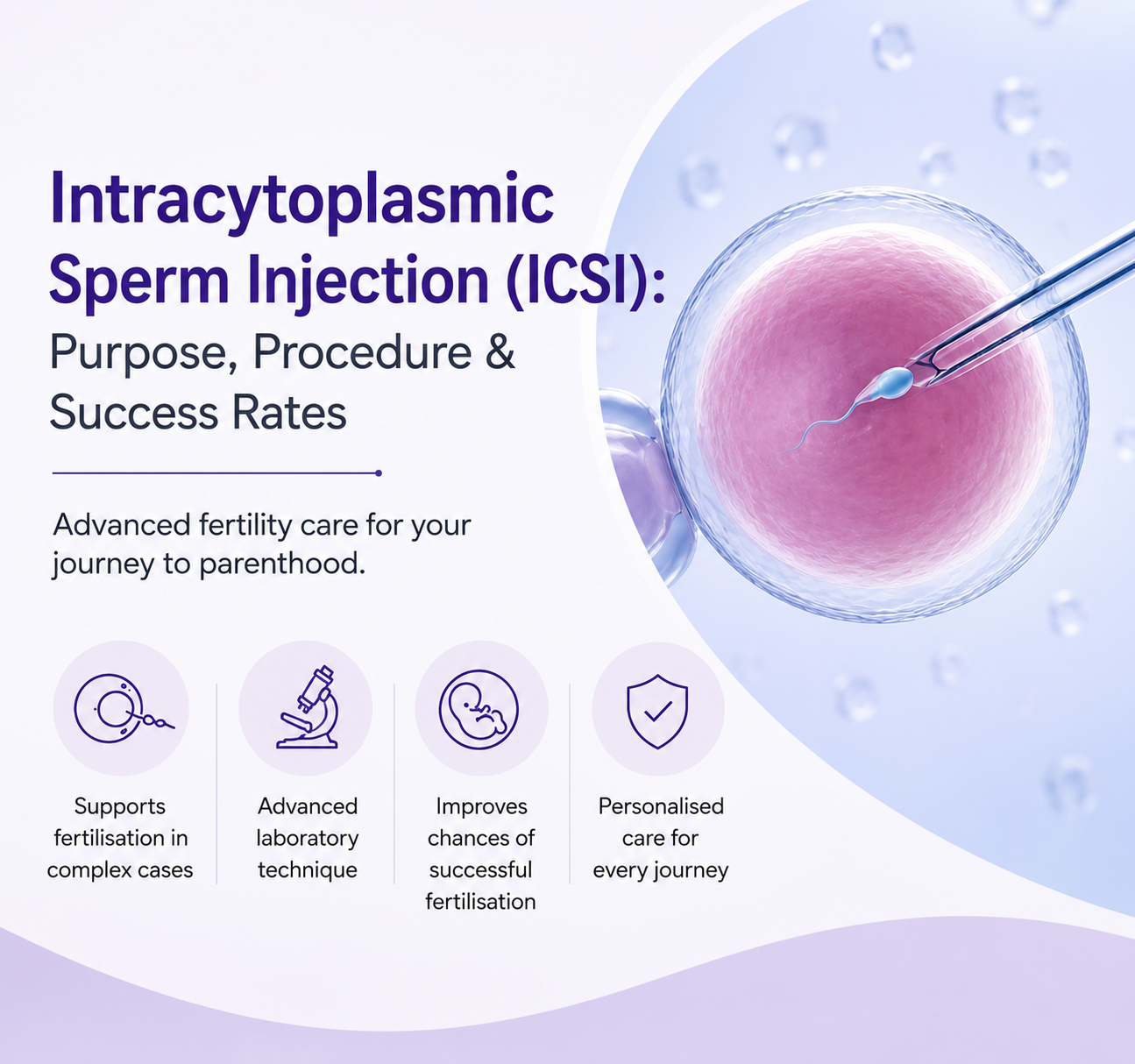
Intracytoplasmic Sperm Injection: Purpose, Procedure & Success Rates
When starting a family does not happen as quickly as expected, exploring fertility treatment options can feel overwhelming. One advanced technique that has helped many couples is intracytoplasmic sperm injection (ICSI). It is often used alongside IVF as this procedure can s