



Categories
The IVF Journey Explained: What Every Couple Should Know Before Starting Treatment- Dr. Shreeja Karan – Fertility Specialist – Birthright Fertility by Rainbow Hospitals.
Jul 27, 2026
What is IVF?
In Vitro Fertilization (IVF) is an Assisted Reproductive Technology (ART) where eggs and sperm are fertilized outside the body in a specialized embryology laboratory. The resulting embryo is then transferred into the uterus to achieve pregnancy. IVF is commonly recommended when:- Fallopian tubes are blocked
- Male factor infertility
- PCOS with failed treatments
- Endometriosis
- Low ovarian reserve
- Unexplained infertility
- Multiple failed IUI cycles
Preparing Yourself Before Starting IVF
The IVF journey begins much before the first injection. Before starting treatment, fertility specialists evaluate the overall health of both partners to maximize the chances of success. Important health conditions that need optimization include:- Thyroid disorders
- High prolactin levels
- Vitamin deficiencies
- Diabetes
- High blood pressure
- PCOS
- Poor sperm quality
- Low ovarian reserve
- Prenatal vitamins
- Folic acid
- Antioxidants
- Thyroid medications (if required)
- Lifestyle modifications
Lifestyle Changes Before IVF
Lifestyle plays a major role in IVF outcomes. Doctors generally recommend:- Maintain healthy body weight
- Quit smoking
- Avoid alcohol
- Stop recreational drugs
- Eat a balanced diet
- Exercise regularly
- Sleep well
- Reduce stress
Why BMI Matters Before IVF
One of the biggest factors affecting IVF success is Body Mass Index (BMI). Maintaining a healthy BMI helps:- Improve egg quality
- Reduce medication requirements
- Increase implantation rates
- Lower miscarriage risk
- Reduce pregnancy complications
- Lower risk of gestational diabetes
- Reduce chances of high blood pressure during pregnancy
Step 1 – Fertility Assessment Before IVF
Before treatment begins, your fertility specialist evaluates:For Women
- AMH Test
- AFC (Antral Follicle Count)
- Ultrasound Scan
- FSH
- LH
- Estrogen
- Progesterone
For Men
- Semen Analysis
- Sperm Count
- Motility
- Morphology
Step 2 – Ovarian Stimulation
IVF treatment usually begins on Day 2 of the menstrual cycle. Hormonal injections are given to stimulate multiple follicles instead of the single egg produced in a natural cycle. One important point many couples don't know: IVF injections are not the same for every woman. Treatment is individualized based on:- Age
- AMH
- AFC
- BMI
- Previous IVF response
Step 3 – Monitoring During IVF
During stimulation, your doctor closely monitors follicle growth through:- Ultrasound scans
- Blood tests
- Estrogen levels
Step 4 – Trigger Injection
When at least 3 follicles reach approximately 18–22 mm, a trigger injection is administered. This helps mature the eggs before retrieval. Egg retrieval is scheduled 35–36 hours later.Step 5 – Egg Retrieval (OPU)
Egg retrieval is a minor procedure performed under anesthesia. During the procedure:- A fine needle passes through the vaginal wall.
- Follicular fluid is aspirated.
- Eggs are collected.
- Eggs are immediately sent to the embryology laboratory.
Does Egg Retrieval Reduce Future Fertility?
This is one of the biggest myths around IVF. The answer is No. Every month, several follicles naturally begin developing, but only one usually matures while the others disappear naturally. During IVF, doctors simply retrieve the follicles that would otherwise have been lost that month. It does not reduce your lifetime egg reserve.Step 6 – Fertilization Inside the IVF Lab
Once eggs are collected, fertilization happens in the embryology laboratory. There are two methods: Conventional IVF Eggs and sperm are placed together, allowing natural fertilization. ICSI (Intracytoplasmic Sperm Injection) A single healthy sperm is directly injected into each mature egg. ICSI is commonly recommended when:- Low sperm count
- Poor sperm motility
- Poor morphology
- Previous fertilization failure
Step 7 – Embryo Development
The embryos continue developing inside highly specialized incubators. Embryologists assess growth regularly. Most fertility centres now prefer:Blastocyst (Day 5) Culture
Compared to Day 3 embryos, Day 5 embryos often have:- Better implantation potential
- Higher pregnancy rates
- Better embryo selection
Step 8 – Embryo Transfer
The final step is embryo transfer. There are two options:Fresh Embryo Transfer
Performed in the same IVF cycle. Usually recommended when:- Hormone levels are optimal
- Endometrial lining is favorable
- Risk of OHSS is low
Frozen Embryo Transfer (FET)
Nowadays, many fertility specialists prefer Frozen Embryo Transfer because:- Hormones normalize
- Better uterine environment
- Improved implantation
- Higher success in many patients
How Long Does the IVF Journey Take?
Typically:Month 1
- Ovarian stimulation
- Egg retrieval
- Fertilization
- Embryo creation
Month 2
Recovery phaseMonth 3
Frozen Embryo Transfer However, timelines may differ depending on individual treatment plans.Is IVF Successful?
IVF success depends on several factors:- Woman's age
- Egg quality
- Sperm quality
- Embryo quality
- Uterine health
- Lifestyle
- Underlying fertility condition
Key Takeaways
The IVF journey is a carefully planned, personalized process—not a one-size-fits-all treatment. Working closely with your fertility specialist, maintaining a healthy lifestyle, and understanding every stage of treatment can help improve both your confidence and overall experience. With modern advancements in reproductive medicine, IVF continues to help millions of couples achieve their dream of parenthood.Related BlogView More
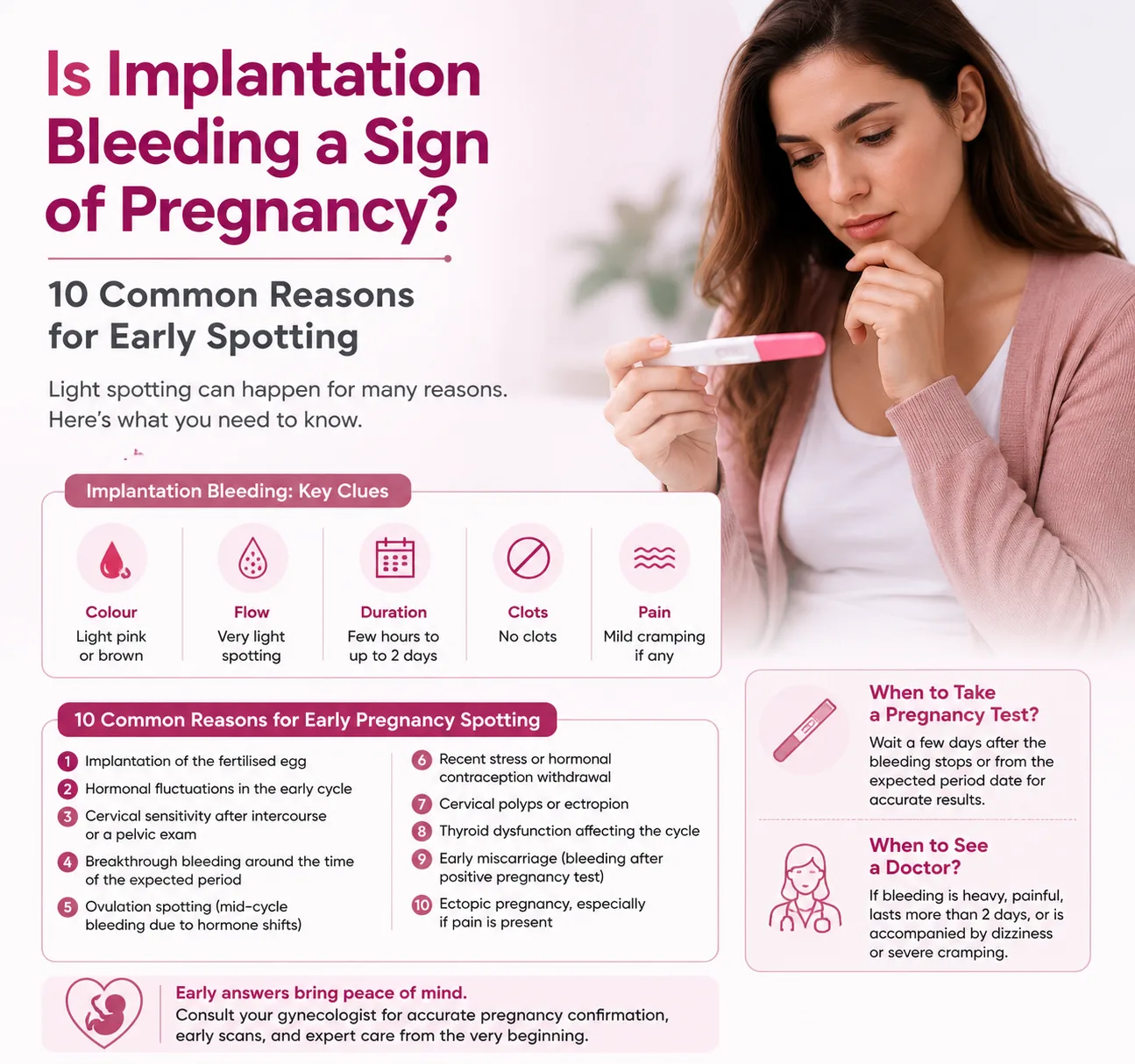
Is Implantation Bleeding a Sign of Pregnancy? 10 Common Reasons for Early Spotting
For women trying to conceive, any early bleeding raises the same question: is this my period, or could I be pregnant? It is a common phenomenon among women of reproductive age; however, it is important to know when does the Implantation bleeding occur. It is one of the earlies
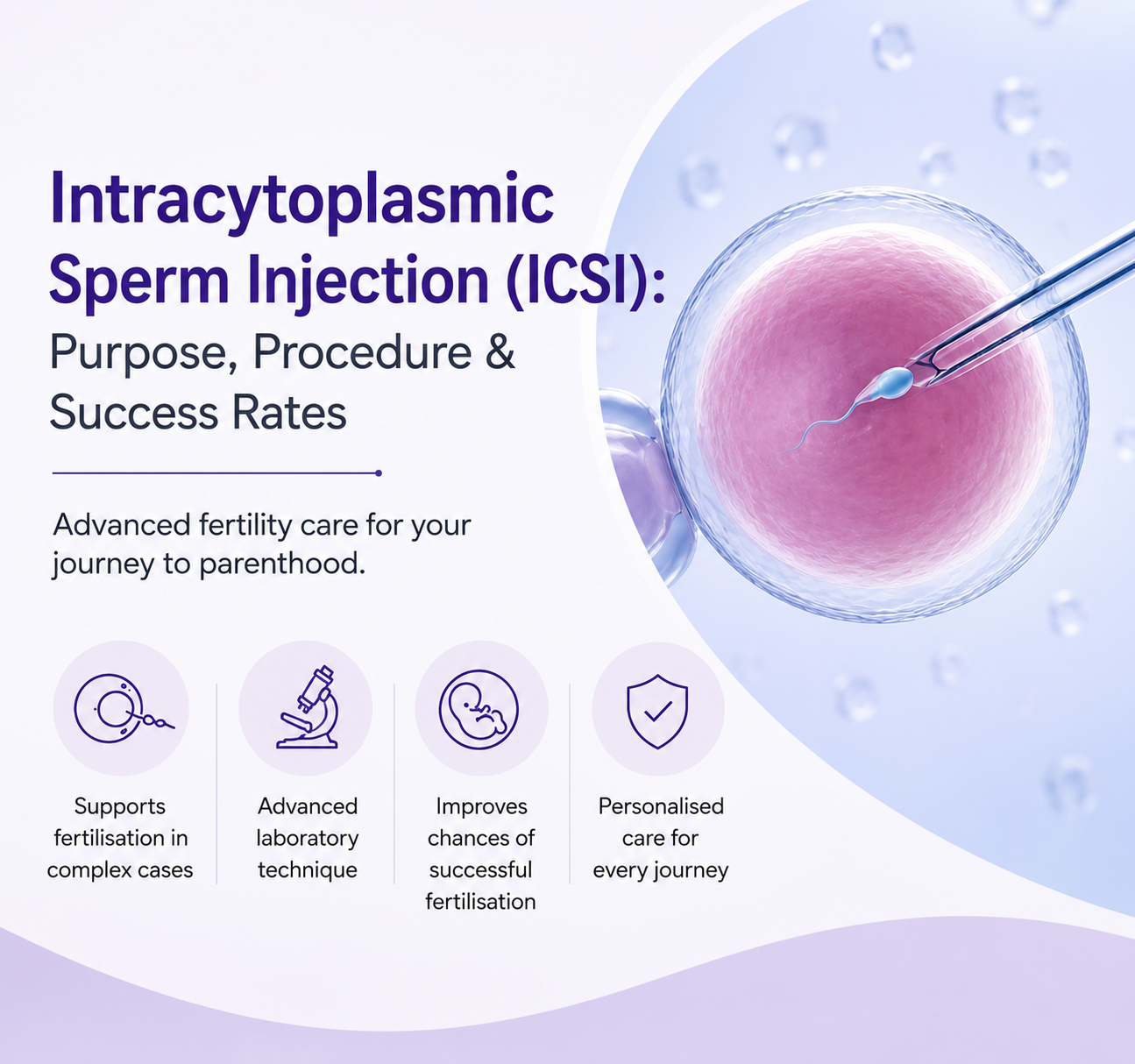
Intracytoplasmic Sperm Injection: Purpose, Procedure & Success Rates
When starting a family does not happen as quickly as expected, exploring fertility treatment options can feel overwhelming. One advanced technique that has helped many couples is intracytoplasmic sperm injection (ICSI). It is often used alongside IVF as this procedure can s
Vaginal Infections: Common Types, Symptoms & Treatment Options
Vaginal infections are a common health concern that many women experience at some stage of life. While they can be uncomfortable, most infections can be treated effectively when recognised early. Knowing the different types of infections, the symptoms
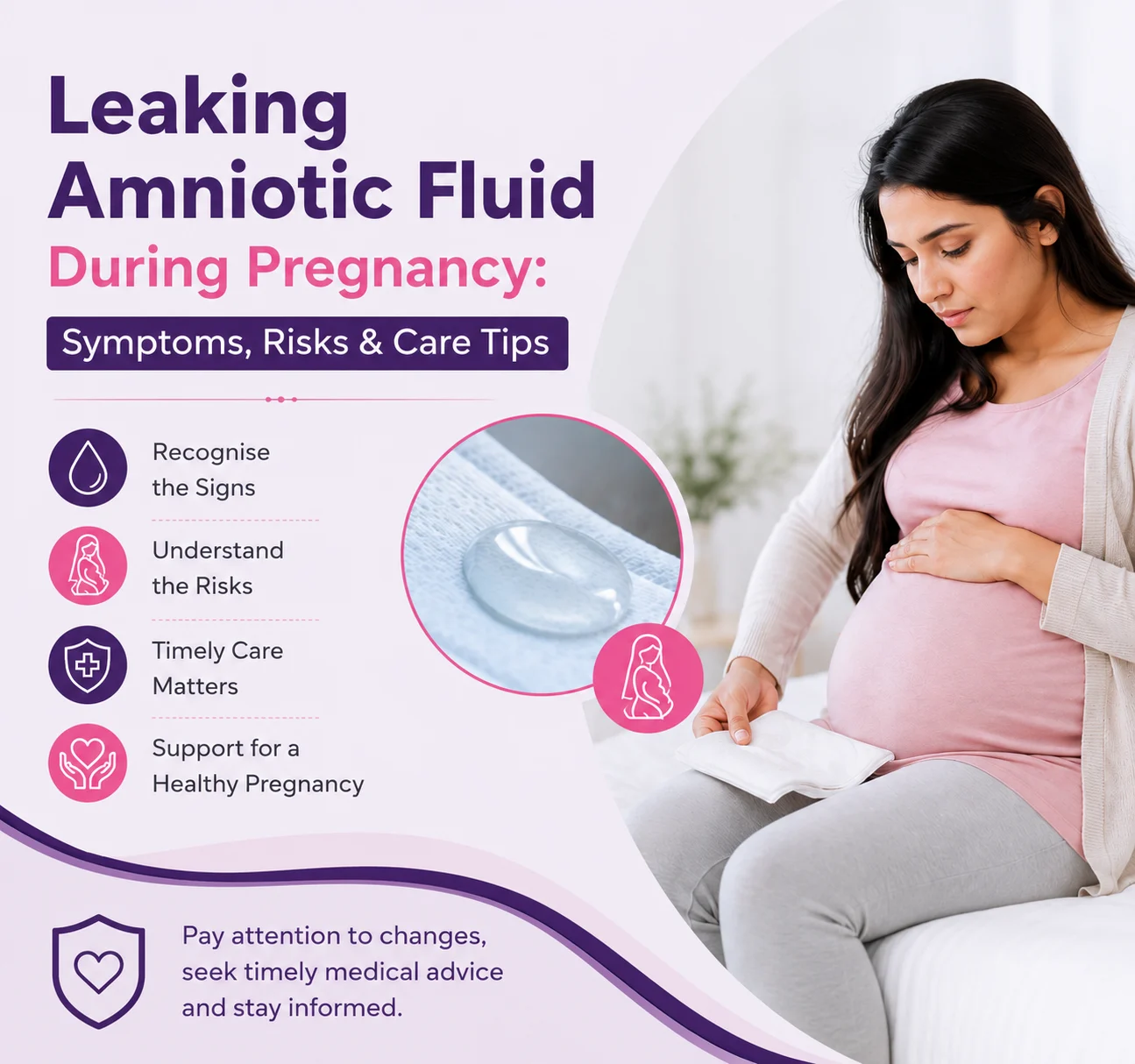
Leaking Amniotic Fluid During Pregnancy: Symptoms, Risks & Care Tips
Pregnancy comes with new experiences, and it's natural to pay close attention to any changes in your body along the way. One change some women notice is increased moisture or fluid leakage, which can raise questions about what is normal and when to seek advice. While