




Categories
IUI Success Symptoms Day-by-Day: Early Signs You May Be Pregnant
Jan 19, 2026
Here’s the truth most people don’t want to hear, but need to: the early days after IUI are full of symptoms that can mean everything—or nothing. Progesterone can mimic pregnancy. The trigger shot can confuse tests. Stress can change sleep, digestion, and mood.
Still, patterns matter. Timing matters. And there are signs that make sense when you look at them on an actual IUI timeline, not on a single anxious evening.
This guide gives you a realistic day-by-day view of iui success symptoms day by day, the most common early IUI pregnancy signs, what IUI implantation symptoms can look like, and when testing actually becomes meaningful. Shape
Before we start: three facts that save you from unnecessary panic
1) IUI doesn’t create pregnancy instantly
IUI places washed sperm closer to the egg. Fertilization (if it happens) still follows biology and timing.2) Progesterone can mimic pregnancy
If you’re on luteal support, symptoms like breast tenderness, bloating, fatigue, mood swings, and nausea can be medication—without being pregnancy.3) Trigger shots can cause false-positive tests
If you had an hCG trigger, urine pregnancy tests may show a positive for days because the trigger hormone is still in your system.Your body isn’t lying to you. It’s just running on hormones and hope at the same time. Shape
IUI timeline basics: what “day-by-day” actually means
Most clinics count your timeline like this:- Day 0: IUI day
- Day 1–14: two-week wait (TWW)
- Pregnancy test is usually timed around Day 14 (or as your clinic advises)
So if you’re searching for IUI implantation symptoms on Day 2, you’re asking your body for a story it hasn’t reached yet. Shape
IUI success symptoms day by day: what you might notice (and what it usually means)
Day 0 (IUI day)
What you may feel- Mild cramping or pelvic pressure
- Light spotting (sometimes)
- A general “awareness” in the pelvis
What it usually is
- Cervical irritation from the catheter
- Normal uterine response
Day 1–2
What you may feel- Mild cramps
- Bloating
- Mood shifts
- Fatigue
What it usually is
- Ovulation timing (if you’re ovulating around this window)
- Hormonal swings from trigger/progesterone
Day 3–4
What you may feel- Some people feel nothing (common)
- Some notice mild pelvic twinges
- Appetite changes, sleep changes
What it usually is
- Hormones and heightened attention
- The mind scanning the body for certainty
Day 5–6
Now you’re entering the window where implantation becomes possible for some pregnancies. Possible IUI implantation symptoms- Mild cramping (light, brief)
- Light spotting (not always)
- A sudden dip in energy for a day
- “Off” feeling without a clear symptom
Day 7–8
What you may feel- Breast tenderness
- Bloating, constipation
- Mild nausea
- Heightened smell sensitivity (less common this early)
- Mood swings
- Progesterone (very common)
- Early pregnancy hormones starting to rise (possible)
Day 9–10
This is when many people start testing. It’s also when most people get hurt by early testing. What you may feel- Clearer fatigue
- Slight increase in nausea
- Lower abdominal heaviness
- Breast changes
- If you used a trigger shot, false positives can still happen.
- If implantation happened later, tests can still be negative even if you’re pregnant.
Day 11–12
What you may feel- Symptoms may intensify slightly
- Or nothing may change at all
Day 13–14
This is when testing becomes emotionally and clinically meaningful for most IUI cycles. What you may feel- PMS-like symptoms (because progesterone is high whether pregnant or not)
- Emotional sensitivity
- Cramping
Early IUI pregnancy signs that carry more weight
If you’re looking for patterns that are more suggestive (not definitive), these tend to be the ones:- Symptoms that persist and gradually build, not just a one-day twinge
- A sense of fatigue that feels “new” and doesn’t lift with rest
- Nausea that appears and stays (not one isolated wave)
- A positive test that gets darker over time (in the absence of trigger confusion)
What is not a reliable sign of IUI success
These are the traps people fall into:- Spotting = implantation (not always)
- No symptoms = failure (not true)
- Cramping = pregnancy (often progesterone)
- Increased discharge = pregnancy (often progesterone)
- Early negative test = not pregnant (often just too early)
When to test after IUI (so you don’t torture yourself)
If you had a trigger shot, many clinics advise waiting until the scheduled blood test. If you’re testing at home, a more reliable window is often around the time your clinic recommends—commonly around Day 14, but protocols vary.The right test at the right time beats ten tests in panic. Shape
When to call your clinic
Contact your clinic if you have:- Severe pelvic pain
- Heavy bleeding
- Fever
- Dizziness or fainting
- Shortness of breath
- Worsening pain after ovulation induction cycles
Conclusion
The early IUI wait is emotionally loud and physically subtle. Most of what you feel in the first week—cramps, bloating, mood shifts—can be hormones doing their job, not a clear message about success or failure.A more reliable way to read the two-week wait is through timing: implantation usually comes later than people expect, symptoms are optional, and testing only becomes meaningful when the hormone levels have had time to rise.
At BirthRight by Rainbow Hospitals, we approach IUI support the way patients actually need it: a clear timeline, realistic symptom guidance, and steady follow-up so you’re not left decoding every sensation alone.
Frequently asked questions
What are the most common iui success symptoms day by day?
What are early IUI pregnancy signs that actually matter?
What are IUI implantation symptoms?
Can progesterone cause pregnancy-like symptoms after IUI?
When should I test after IUI?
Is it normal to have no symptoms after IUI?
Can I get a false positive after IUI?
What symptoms after IUI should I not ignore?
Related BlogView More
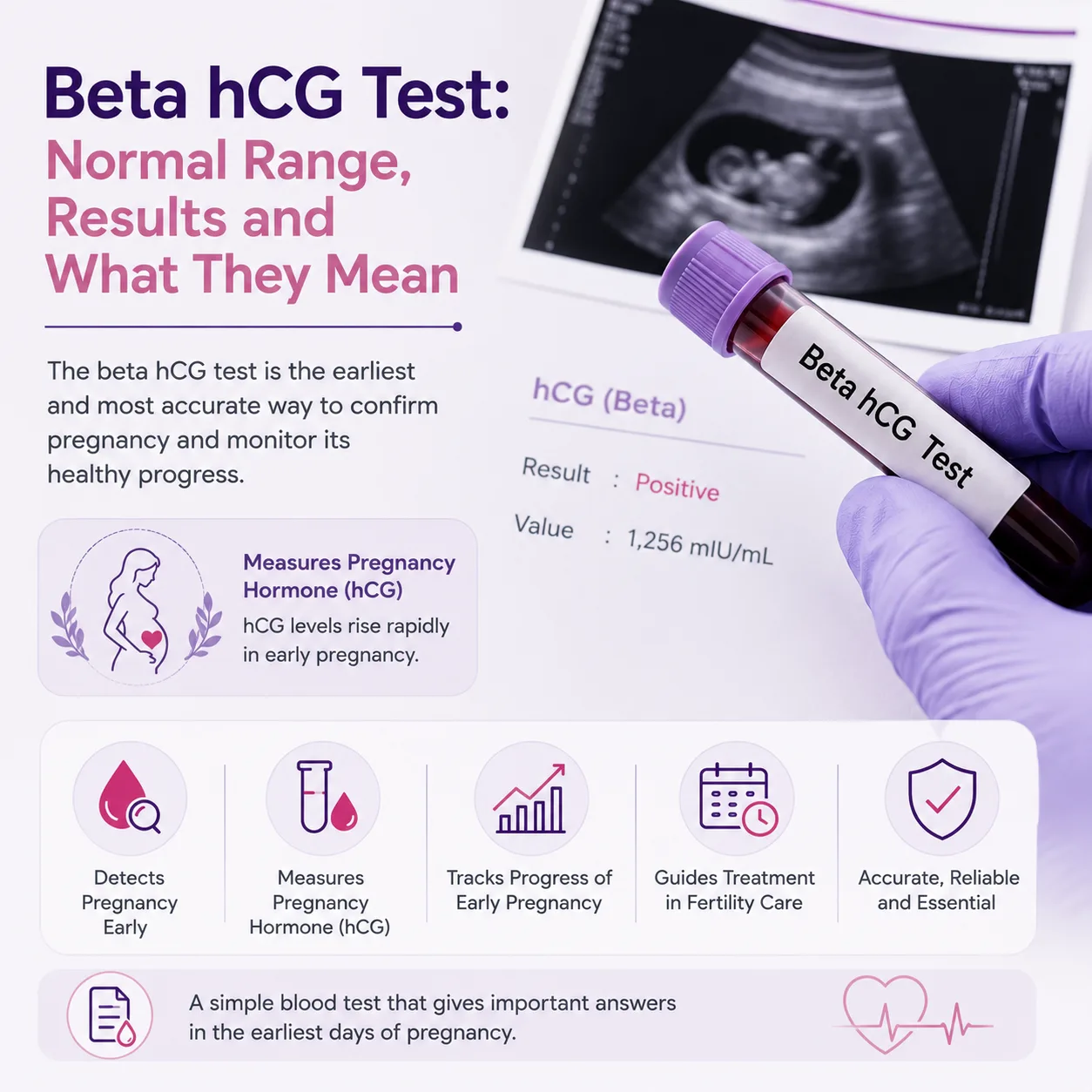
Beta hCG Test Explained: Normal Levels, Pregnancy Results and What They Mean
For most women, the beta hCG test is the first reliable confirmation of pregnancy. It measures the pregnancy hormone (human chorionic gonadotropin) in the blood and is far more sensitive than a home urine test. Understanding what the test measures, what the b
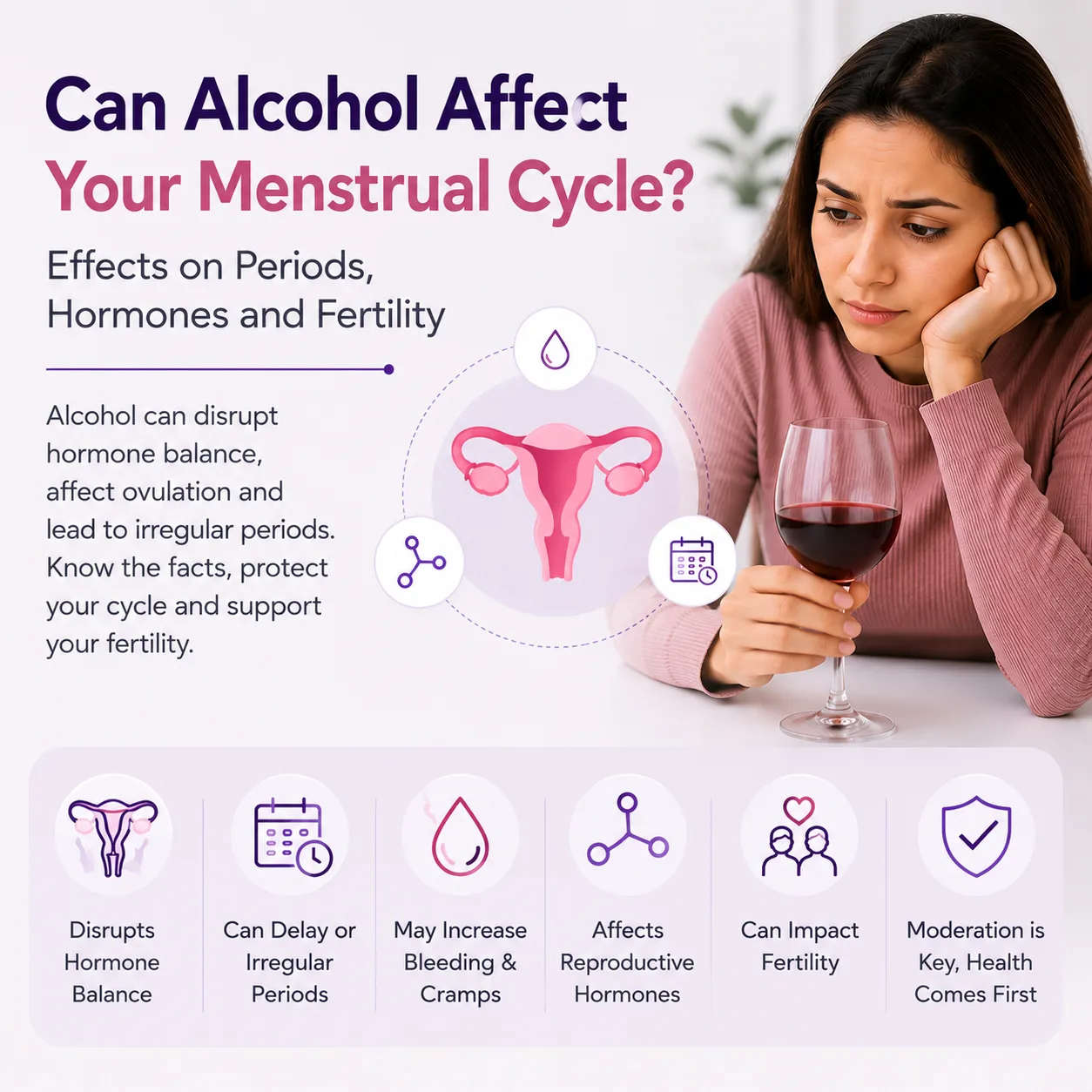
Can Alcohol Affect Your Menstrual Cycle? Effects on Periods, Hormones and Fertility
Alcohol consumption is harmful to health in any way, regardless of gender. It affects the whole body in different ways and to varying degrees. Many women wonder if alcohol can delay their period. The answer is yes. For women, alcohol has a negative impact on their
The IVF Journey Explained: What Every Couple Should Know Before Starting Treatment- Dr. Shreeja Karan – Fertility Specialist – Birthright Fertility by Rainbow Hospitals.
Starting IVF treatment can feel overwhelming, especially when you're unsure about what happens at each stage. Questions like "How does IVF work?", "What happens before IVF?", "Is IVF painful?", and "How long does IVF take?" are among the most common concerns couples have before b
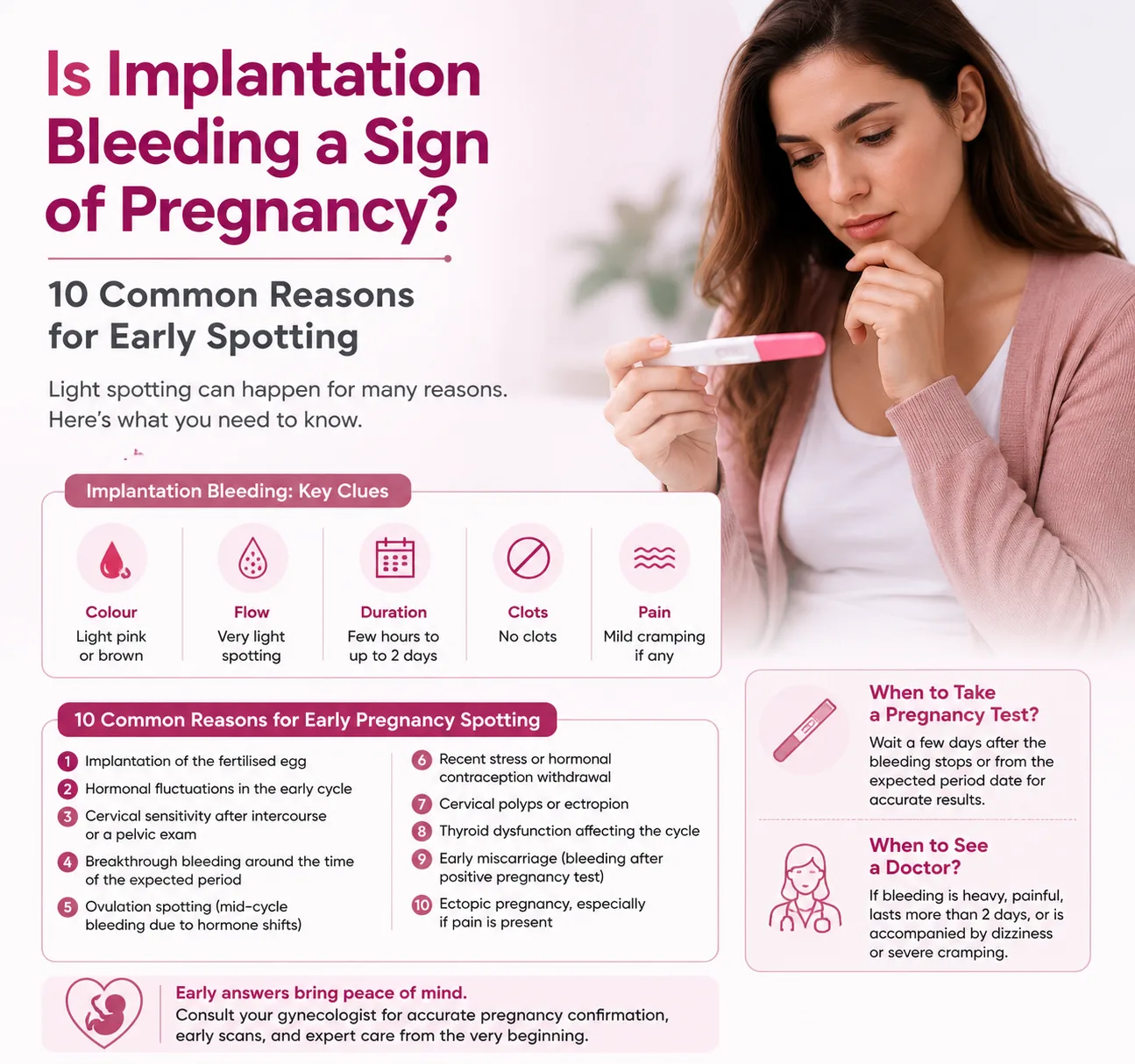
Is Implantation Bleeding a Sign of Pregnancy? 10 Common Reasons for Early Spotting
For women trying to conceive, any early bleeding raises the same question: is this my period, or could I be pregnant? It is a common phenomenon among women of reproductive age; however, it is important to know when does the Implantation bleeding occur. It is one of the earl