


Categories
Pregnancy Diet Chart: Best Diet Plans, What to Eat & Avoid For A Healthy Baby
Jul 07, 2025
Diet for Pregnant Women in the First Trimester
The first trimester (0–12 weeks) is a crucial phase in your baby’s development. This is when vital organs, the brain, and the spinal cord begin to form. Despite the challenges of morning sickness, small, frequent, nutrient-rich meals can be a game-changer. Here is what your diet for pregnant women in the first trimester should include:- Folic Acid-rich foods: Essential to prevent neural tube defects (birth defects of the brain and spinal cord). Do not forget to include spinach, broccoli, citrus fruits, lentils, and fortified cereals.
- Iron: Helps in building red blood cells to support increased blood volume. Opt for jaggery, dates, raisins, beets, and green leafy vegetables. Pair these with vitamin C (like amla or oranges) to enhance absorption.
- Protein: Crucial for cellular growth and development. Include dal, paneer, milk, curd, eggs (if non-vegetarian), and soaked nuts like almonds and walnuts.
- Complex Carbohydrates: Foods like brown rice, whole wheat roti, and millets like ragi and jowar provide sustained energy and keep you full longer.
- Hydration: Staying hydrated is a major game-changer. Sip on coconut water, buttermilk, and plain water throughout the day to support your body and help ease nausea.
Sample Vegetarian Diet Chart for Pregnancy
The meal plan below provides a well-balanced framework for daily nutrition.| Meal Timing | Vegetarian Food Options |
| Early Morning | A glass of warm water with lemon OR soaked fenugreek seeds |
| Breakfast | Idli with sambhar OR Vegetable poha OR Oats porridge + 1 fresh fruit (banana/apple) |
| Mid-Morning | A handful of soaked almonds and walnuts + fresh coconut water OR lassi |
| Lunch | Brown rice or chapati + dal + cooked sabzi (like lauki, carrot, or spinach) + 1 bowl of curd |
| Evening Snack | Sprouted moong salad OR vegetable soup OR fruit chaat |
| Dinner | Phulka + light sabzi + a glass of milk OR comforting khichdi with ghee |
| Bedtime | Warm turmeric milk OR a small banana (avoid banana if prone to high blood sugar) |
Important Note: This pregnancy diet chart is only a general guide. Personal nutritional needs vary widely based on your baseline health indicators, weight tracking, and specific clinical advice from your doctor.
What to Avoid During Pregnancy
While wholesome foods heal and nourish, certain items can pose risks to your health and fetal development. Here is what you should restrict or avoid entirely:- Unpasteurized Dairy: Restrict raw milk and unpasteurized soft cheeses like feta or brie, as they can carry harmful bacteria and are tough to digest.
- Raw or Undercooked Proteins: Avoid raw or undercooked eggs, meat, or seafood, which can cause severe food poisoning.
- Certain Fruits in Excess: Do not excessively consume papaya and pineapple, particularly in early pregnancy, as certain enzymes in these fruits may trigger uterine contractions.
- Unsanitary Street Food: Avoid unhygienic street foods, as contaminated preparation can trigger gastrointestinal infections and stomach issues.
- Excessive Caffeine & Aerated Drinks: Limit your intake of caffeine, sodas, and energy drinks, as high caffeine levels can negatively affect fetal development.
- Unverified Herbal Teas: Talk to your doctor about herbal teas and supplements before consuming them, as some herbal compounds are not pregnancy-safe.
Expert Nutritional Guidance
At BirthRight by Rainbow Hospitals, our team of experienced nutritionists and clinical dieticians, extensively trained in pregnancy nutrition and maternal health, is here to guide you. They understand that no two pregnancies are alike, and they are ready to cater to your specific needs and preferences.Our expert nutritionists don’t believe in one-size-fits-all plans. They work closely with expectant mothers to curate customized pregnancy diet charts that are practical and nourishing, ensuring optimum health for mother and baby throughout the pregnancy journey. Creating a customized plan in consultation with your doctor and nutritionist can make all the difference. We offer personalized nutritional guidance, trimester-wise diet planning, and expert obstetric care, not just during the pregnancy but post-natal too, ensuring you and your baby receive the best.
A healthy pregnancy is built on a foundation of mindful eating, regular antenatal check-ups, gentle exercise, and emotional well-being. If you ever feel overwhelmed or unsure about your pregnancy nutrition, remember that our specialists are just a call away. We are here to support you and ensure you have a healthy and enjoyable pregnancy journey.
Frequently Asked Questions (FAQs)
1. Can I follow intermittent fasting during pregnancy if I was doing it before conceiving?
It’s best to pause intermittent fasting during pregnancy. Your baby needs steady nourishment throughout the day, and going long hours without food may lead to low energy, acidity, or even nutrient deficiency. Small, frequent meals keep your blood sugar stable and support your baby’s growth. Always check with your doctor before continuing any pre-pregnancy diet habits.2. Is it safe to eat pickles and spicy food while pregnant?
In moderation, yes. If your digestion can handle it and your doctor hasn't advised otherwise, there’s no harm in enjoying traditional pickles or spicy dishes. Just watch the salt and oil content, especially if you’re dealing with high blood pressure, heartburn, or swelling. Homemade pickles in small amounts are usually safer than store-bought ones.3. Can I eat outside or order food during pregnancy?
Occasionally, yes, but with caution. Choose clean, reputable places, avoid raw salads or uncooked items, and steer clear of street food. During pregnancy, your immunity is slightly lower, and contaminated food can lead to infections that may affect you or your baby. Home-cooked meals with fresh ingredients are always the safest bet.4. Do pregnancy diet needs change if I'm carrying twins?
Yes, your calorie, protein, iron, and folic acid needs go up when you're carrying twins. You may also need more fluids and smaller, more frequent meals to manage fullness and reflux. A standard pregnancy diet chart might not be enough, so it’s important to work with a nutritionist who can build a twin-friendly plan tailored to your body and trimester.Disclaimer:
The information contained in this article is intended for educational and informational purposes only and should not be used as a substitute for professional medical advice, diagnosis, or treatment. Always seek the advice of your physician, obstetrician, or a qualified clinical dietician regarding any specific maternal nutrition queries or changes to your prenatal care regimen. Dr. BRUNDAVANI Nutritionist Rainbow Children’s Hospital & BirthRight, Banjara Hills.Related BlogView More
Fertility Treatment After 40: Realistic Options Beyond Conventional IVF
Pregnancy After 40: Understanding Your Fertility Options, Success Chances & Next Steps Many women today are choosing to start or grow their families in their late thirties or even forties. Whether due to career aspirations, personal circumstances, or finding the rig
Trying to Conceive? How IUI Can Help You Achieve Pregnancy
An Effective Alternative Before Considering IVF For many couples, getting pregnant happens naturally. However, for others, the journey to holding a baby can take much longer than expected, even after months of trying. If you or someone in your family is faci
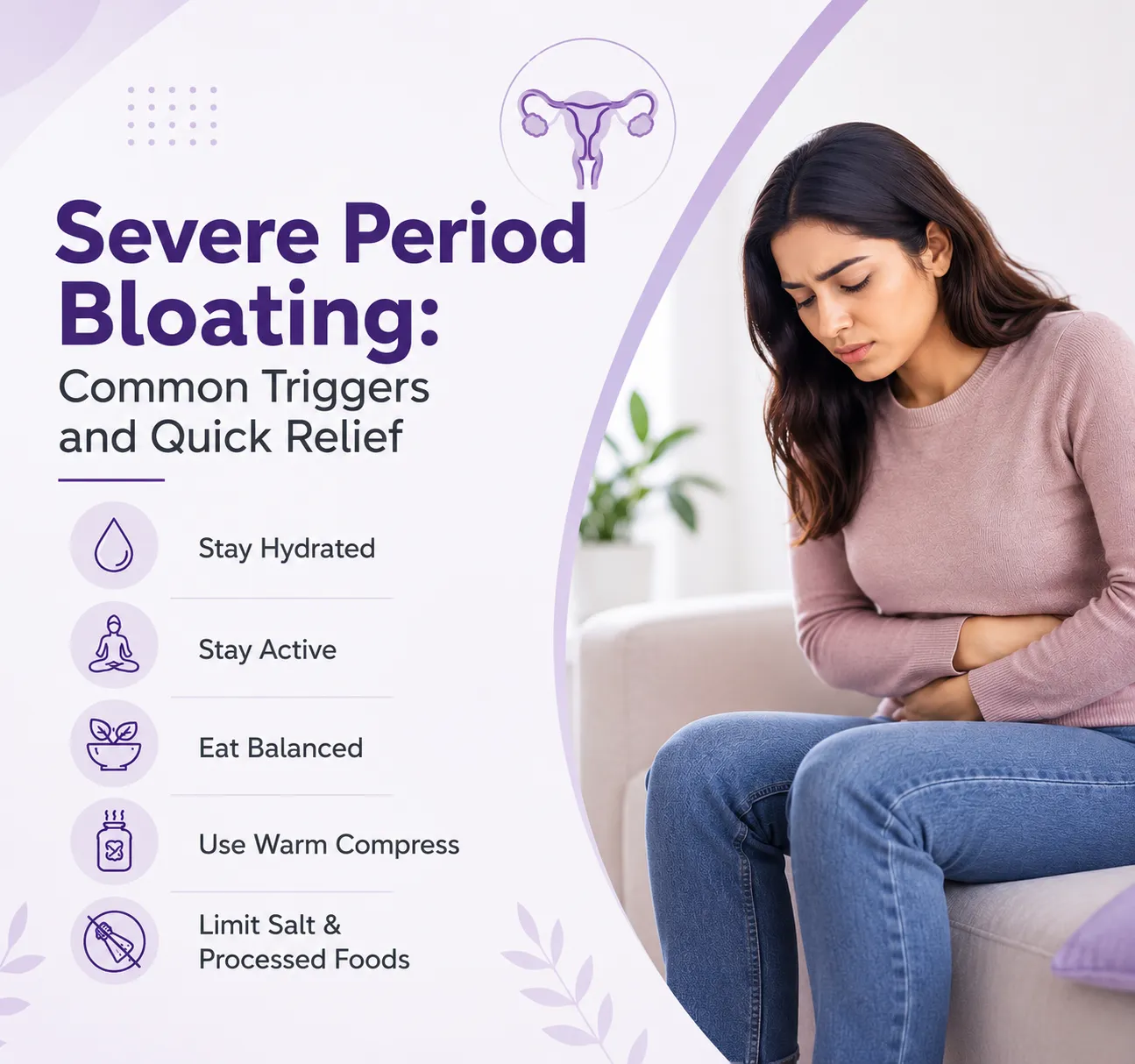
Severe Period Bloating: Common Triggers and Quick Relief
Many women notice changes in their bodies in the days leading up to their period, and bloating is one of the most common experiences. A feeling of fullness, tightness, or swelling in the abdomen can make everyday activities less comfortable. While this is a common part of the
Diabetes in Pregnancy: Symptoms, Tests, Risks & Management
Pregnancy is a time of new beginnings, cherished milestones, and dreams for the future. However, a diagnosis of diabetes in pregnancy is part of this journey, it can raise concerns about the health and well-being of both mother and baby. D