


Categories
When Can Babies Start Solid Foods? Signs of Readiness, First Foods and Feeding Tips
Aug 04, 2026
Knowing when to start a baby on solids, which foods to offer and how to introduce them safely can make the transition easier for both you and your baby. The wireframe requires the article to cover readiness signs, suitable first foods, a step-by-step feeding approach and foods to avoid.
Key Takeaways
- Most babies are ready for solid foods at around six months.
- Look for developmental signs, including steady head control and the ability to swallow food.
- Start with small amounts of soft, nutrient-rich food.
- Continue breastfeeding or formula feeding during the transition.
- Avoid honey, whole nuts, added salt and choking hazards.
- Speak to a child specialist if your baby was born prematurely, has feeding difficulties or has a high risk of food allergy.
Signs Your Baby Is Ready for Solid Foods
Age is only one part of the decision. Your baby should also show signs that they can manage food safely.Your baby may be ready when they can:
- Remain in a sitting position with support and hold their head steady
- Coordinate their eyes, hands and mouth to reach for food
- Open their mouth when food is offered
- Move food towards the back of the mouth and swallow it
- Show interest in what other people are eating
A child specialist can assess readiness if your baby was born prematurely, has delayed development, struggles to sit or control their head, or has difficulty swallowing.
First Food for Baby: Best Foods to Start With
There is no single compulsory first food for babies. Begin with soft foods that provide useful nutrients and are easy to swallow.Suitable options include:
- Mashed vegetables such as sweet potato, carrot, pumpkin or peas
- Soft fruits such as banana, pear, papaya or avocado
- Well-cooked and mashed rice, oats or other grains
- Mashed dal, beans or lentils
- Cooked egg in an age-appropriate texture
- Plain, unsweetened full-fat yoghurt
- Finely mashed chicken, fish or meat with all bones removed
Breast milk or infant formula should remain an important part of your baby’s diet. Solid food complements milk feeding rather than replacing it immediately.
How to Introduce Solid Foods: Step-by-Step Guide
Start at a time when your baby is alert, comfortable and not extremely hungry or tired.Step 1: Begin with a small quantity.
Offer one or two teaspoons of soft food once a day. Your baby may initially taste, spit out or refuse the food.Step 2: Use the right position.
Seat your baby upright with stable head support. Never feed a baby while they are lying down, crawling, walking or travelling in a moving vehicle.Step 3: Introduce one new food at a time.
Offering a single-ingredient food can help you notice possible reactions. Some guidance suggests allowing three to five days before adding another new food.Step 4: Increase quantity and texture gradually.
Move from smooth purées to mashed, lumpy and soft finger foods as your baby develops better chewing and swallowing skills.Step 5: Follow your baby’s cues.
Pause when your baby turns away, closes their mouth or loses interest. Encourage eating patiently, but do not force-feed. Responsive feeding helps babies recognise hunger and fullness. Always supervise meals. Prepare foods in a shape, size and texture that reduce choking risk.Foods to Avoid for Babies Under 12 Months
Some foods are unsafe or unsuitable during the first year.Avoid:
- Honey: It can cause infant botulism and should not be offered before 12 months.
- Cow’s milk as the main drink: Breast milk or infant formula should remain the primary milk drink until one year. Cow’s milk may be used in food preparation where appropriate.
- Whole nuts and hard foods: Nuts, popcorn, raw carrot pieces, whole grapes and similar foods can cause choking.
- Spoonfuls of nut butter: Thick, sticky portions may block the airway. Use only a safely thinned or appropriately prepared form.
- Unpasteurised milk or dairy products: These may contain harmful microorganisms.
- Foods high in salt or added sugar: Babies do not need sweetened drinks, sweets or heavily processed foods.
- Large or tough pieces of food: Remove fish bones, meat bones, seeds, hard pits and tough skins.
Conclusion
Starting solids should be a gradual process built around your baby’s readiness, not pressure to finish a bowl. Offer small portions, introduce varied nutrient-rich foods and allow your baby time to become familiar with new tastes and textures.Parents who are uncertain about feeding, allergies, growth or swallowing can consult a child specialist. A multidisciplinary team at the best pediatric hospital in India may include pediatricians, paediatric dietitians, allergy specialists, gastroenterologists and feeding or swallowing therapists, depending on the child’s needs.
Medical Disclaimer
This article is for general educational purposes and does not replace personalised medical or nutritional advice. Consult a qualified pediatrician before starting solids if your baby was born prematurely, has a medical condition, shows developmental or swallowing difficulties, or has eczema or a known food allergy.Frequently asked questions
Can I start solid foods at four months if my baby seems hungry all the time?
Should I give water to my baby when starting solid foods?
How do I know if my baby is having an allergic reaction to a new food?
Is it normal for my baby to refuse solid foods at first?
Do I need to stop breastfeeding when I start my baby on solid foods?
Related BlogView More
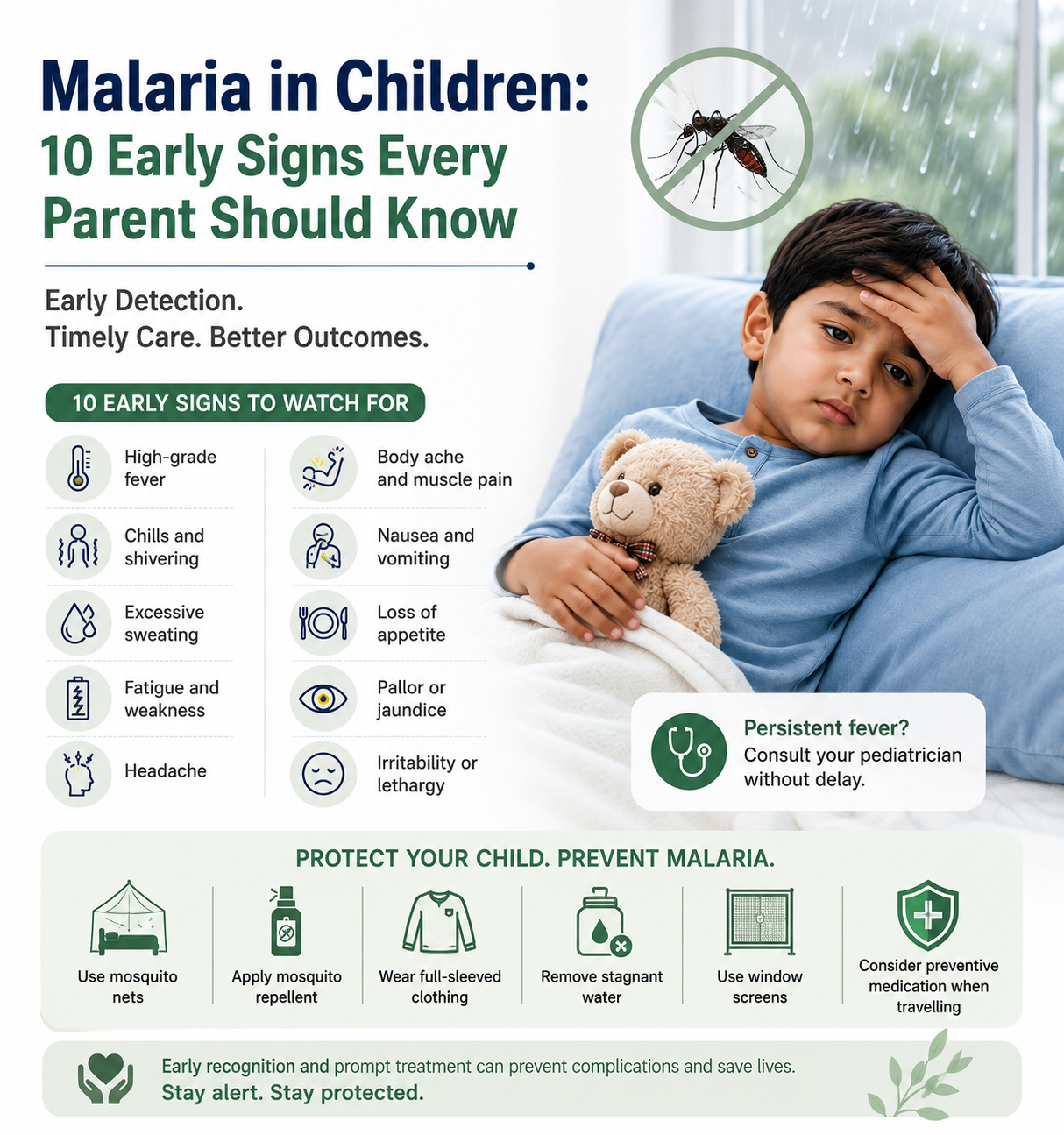
10 Early Signs of Malaria You Shouldn't Ignore for Your Kids
Malaria remains a significant health concern for children in India, particularly during and after the monsoon season. Because children have less developed immunity and their symptoms can escalate quickly, recognising malaria symptoms in kids early makes a real difference to ou
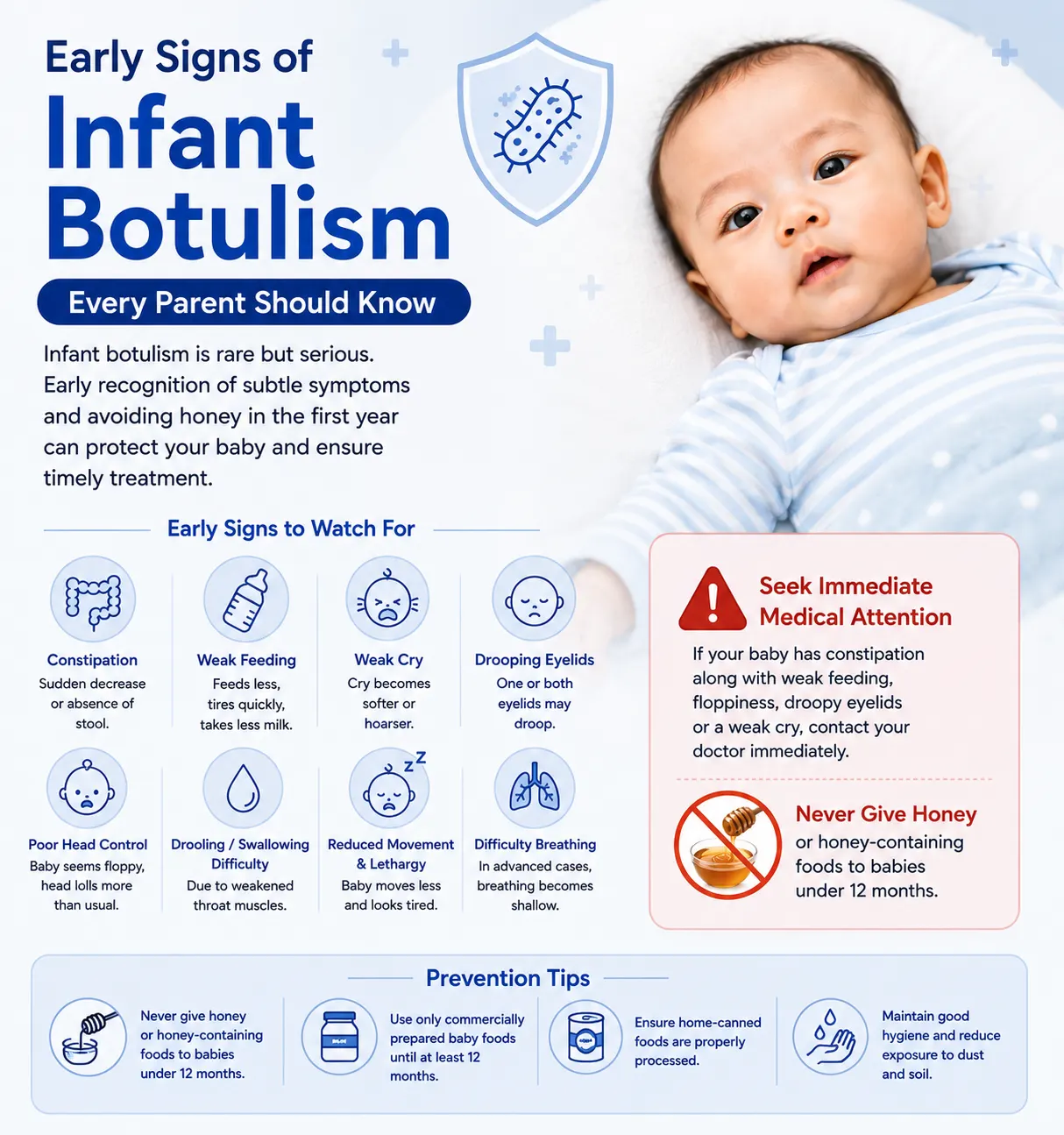
Early Signs of Infant Botulism Every Parent Should Know
Infant botulism is a rare but serious condition that every parent of a young baby should know about. Early infant botulism symptoms are often subtle and develop gradually, making them easy to miss until the illness becomes more advanced. Understanding what infant botulism is,
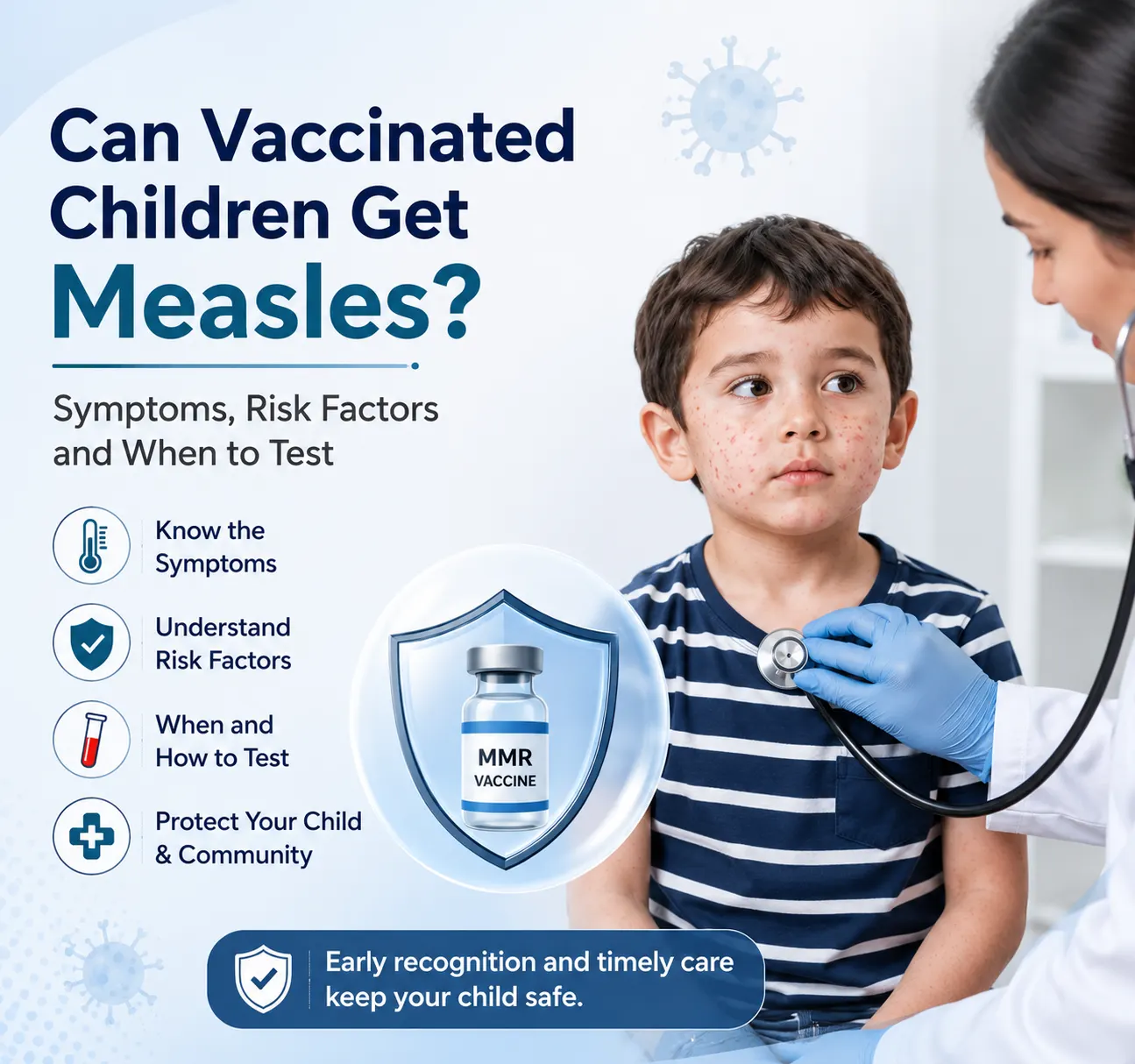
Can Vaccinated Children Get Measles? Symptoms, Risk Factors and When to Test
The MMR vaccine is one of the most effective vaccines available, protecting children from measles, mumps, and rubella. Yet a common question worries parents: can a child who has been vaccinated still catch measles? The answer is yes, but rarely, and understanding why helps par
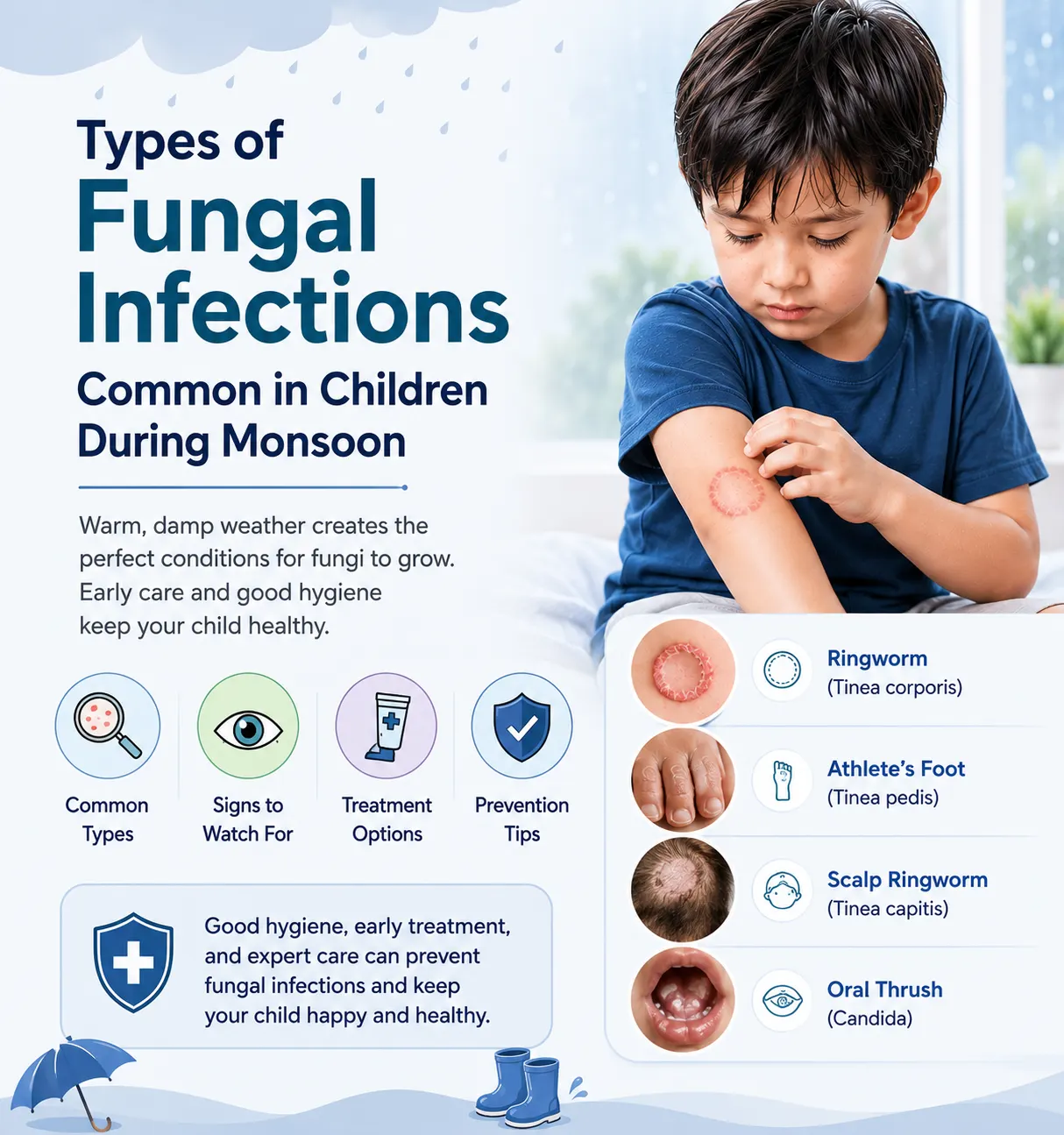
Types of Fungal Infections Common in Children During Monsoon
The monsoon brings welcome relief from the heat, but it also creates ideal conditions for fungal infections to thrive. Warm, damp weather combined with children's habit of playing outdoors and staying in wet clothes makes fungal infections in children a common concern ea