



Fragile X Syndrome (FXS)
Fragile X syndrome (FXS) is an inherited genetic condition caused by a change in the FMR1 gene on the X chromosome. It can affect a child’s learning, behaviour and development to different degrees, and early assessment and support help children make the most of their strengths.

Seamless support from diagnosis to post treatment care
Overview
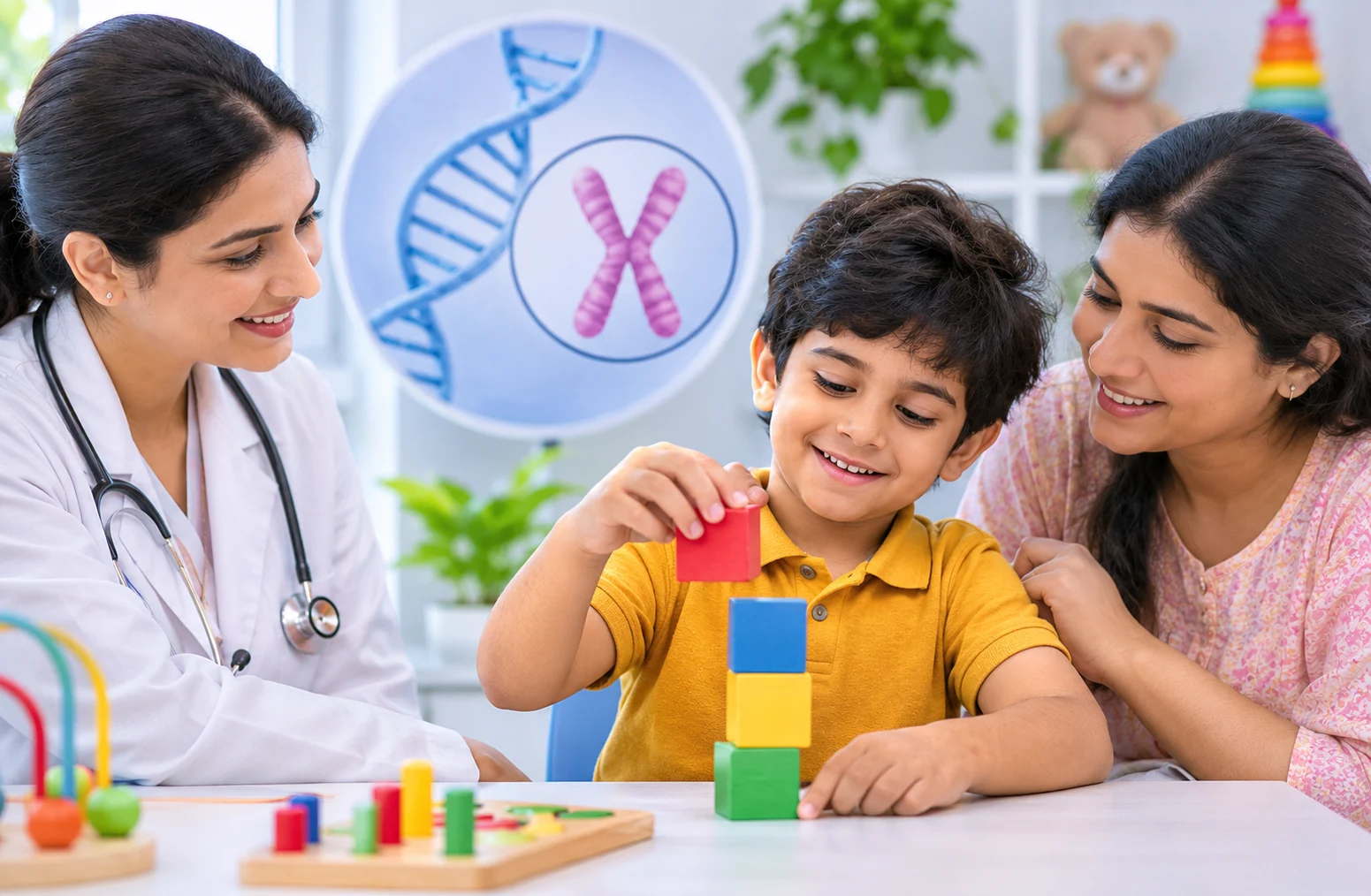
Fragile X syndrome can raise many questions about a child’s development, learning and the support they may need as they grow. It is a genetic condition that can affect development, behaviour and learning in different ways, and its effects can vary considerably from one child to another.
Understanding how Fragile X syndrome may present and how it is diagnosed can help families plan appropriate support at different stages. This page explains its symptoms, causes, diagnosis, and treatment, along with what a diagnosis may mean for other family members.
What Is Fragile X Syndrome (FXS)?
Fragile X syndrome (FXS) is a genetic condition that can affect how a child learns, behaves and develops. It happens because of a change in a gene called FMR1, which is located on the X chromosome.
FXS can affect children differently. Some may have mild learning or behavioural difficulties, while others may need more support with development and communication. Boys are usually affected more strongly than girls because boys have only one X chromosome.
Fragile X syndrome affects approximately 1 in 4,000 males and 1 in 8,000 females, according to the National Human Genome Research Institute (NIH). However, its effects vary widely, so understanding your child's individual needs is more useful than expecting the condition to look the same in every child.
How Fragile X Syndrome Affects the Body?
Understanding the gene involved makes the condition easier to follow. The FMR1 gene normally makes a protein that brain cells need to develop and communicate. This protein is especially important in early childhood, when the brain grows and forms connections quickly.
In Fragile X syndrome, the FMR1 gene is switched off and makes little or none of this protein. Without enough of it, the brain’s connections do not form as they should, which affects learning, language, behaviour and, in some children, features such as sensitivity to noise or touch. Because the same protein matters throughout the body, some children also have physical features, described later. Understanding this helps explain why support focuses on learning and development.
Causes of Fragile X Syndrome
Fragile X Syndrome cause comes down to a single change in the FMR1 gene on the X chromosome. In this gene, a short piece of DNA code is repeated, and in Fragile X syndrome it is repeated far too many times, which switches the gene off. This is a genetic change, and it is important to say clearly that it is nobody’s fault.
This change is inherited, passed down through families on the X chromosome, and it can grow from one generation to the next. A parent may carry a smaller change, called a premutation, without being affected themselves, and it can expand into the full condition when passed to a child. Nothing a mother or father did before or during pregnancy caused Fragile X syndrome. It is a matter of chance, not the result of anything you did.
Risk Factors of Fragile X Syndrome
Because Fragile X syndrome is inherited, the main risk factor is a family history, though it is often not known until the first child is diagnosed. Recognising the pattern helps families understand their own risk. The main risk factors are below.
- A family history of Fragile X syndrome or of unexplained intellectual disability or autism.
- A known carrier in the family. A parent or relative who carries the FMR1 premutation.
- A family history of early menopause or a tremor disorder. This can be linked to carrying the premutation, as explained below.
- A previous child with developmental delay that was never fully explained.
Fragile X-Associated Conditions in Carriers
Some people carry a premutation in the FMR1 gene without having Fragile X syndrome themselves. However, a premutation can sometimes be linked to other health conditions later in life.
- FXTAS: Some older male carriers may develop problems with tremors, balance and movement.
- FXPOI: Some female carriers may experience reduced ovarian function, which can affect fertility or lead to menopause earlier than expected.
Not every carrier develops these conditions. If a Fragile X premutation is found in the family, genetic counselling can help relatives understand what the result may mean for their own health and future family planning.
Symptoms of Fragile X Syndrome
The signs of Fragile X syndrome vary widely, and they often become clearer as a child grows. The symptoms fall into three groups: development, behaviour and physical features. They are set out below.
Learning and development
- Delayed milestones: sitting, walking or talking later than expected.
- Learning difficulties: ranging from mild to more significant, often milder in girls.
- Speech and language delay: a common early sign that prompts assessment.
Behaviour and social features
- Shyness, anxiety and difficulty with eye contact: particularly in social situations.
- Autism-like features: such as repetitive behaviours or a need for routine.
- Hyperactivity and difficulty concentrating: The child may appear unusually active or have difficulty maintaining attention.
- Sensory sensitivity: The child may be unusually sensitive to sounds, bright lights or touch.
Physical features
- Subtle physical features: such as a longer face, prominent ears or flexible joints, which are not always obvious.
- Features that become clearer with age: some physical signs are more noticeable after puberty.
Not every child has every feature, and many signs are subtle, especially in girls. If your child has delayed development or several of these signs, a doctor can recommend an appropriate assessment and genetic testing.
How Is Fragile X Syndrome Diagnosed?
Fragile X syndrome is diagnosed through a genetic blood test called the FMR1 test or Fragile X test. It checks the number of CGG repeats in the FMR1 gene to identify changes that may affect the production of FMRP, a protein needed for brain development.
What Do CGG Repeat Numbers Mean?
| CGG repeats | Classification | Meaning |
|---|---|---|
| 5–44 | Normal | No Fragile X-associated expansion |
| 45–54 | Intermediate | Usually does not cause the condition but may change when passed to the next generation |
| 55–200 | Premutation | May increase the risk of Fragile X-associated conditions and expansion in future generations |
| More than 200 | Full mutation | Usually causes Fragile X syndrome |
Who Should Get an FMR1 Test?
Doctors may recommend testing for:
- Children with unexplained developmental delays, learning difficulties or intellectual disability.
- Children with autism-like features, particularly alongside other developmental concerns.
- People with a family history of Fragile X syndrome or known FMR1 gene changes.
- Women with a family history of Fragile X-associated conditions who are planning a pregnancy.
Can Fragile X Syndrome Be Detected Before Birth?
Yes. Prenatal testing can identify FMR1 gene changes in a developing baby through:
- Chorionic villus sampling (CVS): Examines a small sample of placental tissue, usually between 10 and 13 weeks of pregnancy.
- Amniocentesis: Examines a sample of amniotic fluid, usually from 15 weeks of pregnancy onwards.
Both procedures carry a small risk of pregnancy complications, including miscarriage. Genetic counselling helps parents understand the benefits, limitations and risks before testing.
Early diagnosis helps families understand the condition, access appropriate developmental support and make informed decisions about future pregnancies.
Complications of Fragile X Syndrome
With good support, most challenges of Fragile X syndrome can be managed well, though it helps to know what to watch for. Some children have related conditions that benefit from specific care. The main ones are below.
- Learning and communication challenges: These often respond well to early therapy and tailored education.
- Anxiety and behavioural difficulties: Support and, where needed, treatment can help.
- Attention problems (ADHD): Common and manageable with the right help.
- Other health conditions: Some children have seizures, or ear, eye or heart issues that need monitoring.
These are possibilities, not certainties, and each is manageable with the right care. Regular follow-up helps catch and address issues early. The next section explains how Fragile X syndrome is supported and treated.
Treatment Options for Fragile X Syndrome
There is no cure for Fragile X syndrome because the genetic change is part of every affected cell. However, many supports help children thrive, and early support makes the biggest difference. The treatment approach combines several kinds of support, below.
- Speech and language therapy: Builds communication skills, often starting early.
- Occupational and physical therapy: To support coordination, daily skills, and sensory needs.
- Behavioural and educational support: Tailored teaching and behavioural strategies at home and school.
- Medication for specific symptoms: Such as help for attention, hyperactivity or anxiety, where a doctor advises it.
- Family support and genetic counselling: Guidance for parents and the wider family, including future family planning.
Care is tailored to each child and changes as they grow, and a coordinated team helps most. Starting support early, around the time of diagnosis, gives children the strongest foundation. Our team can help you put the right plan in place.
What is the Prognosis (Outlook) for Fragile X Syndrome?
The outlook for children with Fragile X syndrome is more hopeful than many parents first fear. Life expectancy is normal, and with early support and education, children make real progress and develop their strengths. Many learn to communicate well, take part in school and community life and grow into capable young people.
The degree of support needed varies from child to child, and girls are often affected more mildly than boys. Some adults live largely independently, while others need ongoing support, and both lives are valued. What helps most is early, consistent support and a family and school that understand the child. Fragile X syndrome shapes a child’s path, but it does not define their worth or their future.
What Questions Should You Ask Your Doctor?
Bringing questions to your appointment helps you understand your child’s diagnosis and plan. The prompts below are grouped by theme. Add any of your own.
Diagnosis and genetic testing questions
- How was the diagnosis made, and what does my child’s result mean?
- Should other family members be tested, and who?
- Are we carriers, and what does that mean for us?
Therapy and family planning questions
- Which therapies would help my child most, and how do we start?
- What support is available at school?
- What are our options if we are planning another pregnancy?
Don't hesitate to ask your pediatrician or a genetic counsellor to explain anything you don't understand. Clear answers help you support your child with confidence. Bringing your partner, or writing things down, can help.
Prevention and Early Support Tips for Fragile X Syndrome
Fragile X syndrome cannot be prevented because it is genetic, though early support and family testing make a real difference to outcomes. The steps below help you and your family.
- Seek assessment early if your child has delayed development or speech.
- Start therapies as soon as they are recommended, as early help works well.
- Consider genetic counselling for the family, including carrier testing.
- Discuss family planning options with a specialist if you are a carrier.
- Connect with support groups for practical help and shared experience.
These steps focus on early support and informed choices, which is where families gain the most. Genetic counselling in particular helps relatives understand their own risk. You do not have to navigate this alone.
Why Choose Rainbow Children’s Hospitals for Fragile X Syndrome Care?
Fragile X syndrome needs care that brings genetics, development and family support together, around the whole child. That is what Rainbow Children’s Hospitals provides. The points below show what that means for your family.
- Paediatric genetics expertise: Accurate diagnosis, genetic counselling and clear guidance for the family.
- Developmental and therapy services: Speech, occupational and behavioural support under one roof.
- Coordinated, long-term care: A team that supports your child as they grow and their needs change.
- Family-centred support: Because a diagnosis affects the whole family, not only the child.
Rainbow Children’s Hospitals brings three decades of expertise in children’s healthcare, with paediatric genetics and developmental medicine under one roof. If your child may have Fragile X syndrome, our specialists can guide you with skill and care. A consultation is a good place to begin.

Find a Doctor and Book Appointment Online
Meet our specialist doctors who bring together clinical expertise, compassion, and personalised care to support your health and well-being. Choose from 1,300+ specialists across our network and book an appointment with BirthRight and Rainbow Children Hospitals, offering 24*7 support to you and your family.

Dr. Dinesh Kumar Chirla
Director Intensive Care Services - Rainbow Children's Hospital
32 Years English,Hindi,Telugu Banjara Hills, Financial District

Dr. Prashant Bachina
Consultant - Gastroenterology
English,Hindi,Telugu Banjara Hills

Dr. Ramesh Konanki
Director of Neurosciences, Senior Pediatric Neurologist
English,Hindi,Telugu Secunderabad, Banjara Hills

Dr. Faisal B Nahdi
Pediatrician
English,Hindi Banjara Hills

Dr. Leenatha Jakkidi
Consultant - Pediatrician &Pediatric Endocrinologist
22 Years English,Hindi,Telugu Kondapur OP, Secunderabad, Banjara Hills, Financial District
Dr. Harish Jayaram
Consultant Pediatric Surgeon & Pediatric Urologist
English,Hindi,Kannada,Tamil,Telugu Banjara Hills

Dr. Satya Prasad Vvr
Consultant - Pediatric Nephrologist
English,Hindi,Telugu Banjara Hills, Health City

Dr. Srinivas Namineni
Consultant dentist
English,Hindi,Telugu Banjara Hills, Kondapur OP

Dr. P V L N Murthy
Pediatric ENT Surgeon
English,Hindi,Telugu Kondapur OP, Hydernagar, Banjara Hills

Dr. Venkata Lakshmi A
Consultant - Neonatologist & Pediatrician, Banjara Hills (Hyderabad)
English,Telugu Banjara Hills

Dr. Shaikh Farhan A Rashid
Consultant Pediatric Intensivist and Head of the Department of Pediatric Intensive Care.
English,Hindi Banjara Hills
Dr. Leena Priyambada
Senior Consultant – Pediatric Endocrinology
20 Years English,Hindi,Telugu Banjara Hills, Secunderabad, Health City, Himayatnagar

Dr. Mainak Deb
Consultant Pediatric surgeon, Pediatric Urologist and Pediatric Renal Transplant Surgeon
Bengali,English,Hindi,Kannada,Telugu Banjara Hills, Guwahati
Dr. Sandhya Vaddadi
Consultant Hematology & Oncology, BMT
8 Years English,Hindi,Kannada,Telugu Secunderabad, Banjara Hills, Currency Nagar, Health City

Dr. Nalinikanta Panigrahy
Neonatologist & Development Pediatrician
English,Hindi Banjara Hills

Dr. Vijayanand Jamalpuri
Consultant Neonatologist and Pediatrician
English,Hindi,Telugu Banjara Hills
Dr. Ujjwala Desai
Pediatrician
English,Telugu Banjara Hills

Dr. Nitasha Bagga
Consultant - Pediatrician and Neonatologist, Banjara Hills (Hyderabad)
English,Hindi,Telugu Banjara Hills

Dr. Anupama Y
Senior Consultant – Pediatric Intensivist and pediatrcian
11 Years English,Hindi,Telugu Banjara Hills
Dr. Kapil Bhagwatrao Sachane
Consultant Neonatologist and Pediatric Intensivist
English,Telugu Banjara Hills, Financial District

Dr. Abhishek Ravindra Jain
Consultant Pediatric Neurologist
English,Hindi,Telugu Banjara Hills, Himayatnagar
Dr. Prasanthi Aripirala
Consultant Pediatric Neurologist & Epileptologist
English,Hindi,Telugu Hydernagar, Banjara Hills

Dr. Venkat Ram Thyalapalli
Consultant - Pediatric Orthopedician & Ilizarov Specialist
17 Years English,Hindi,Telugu Hydernagar, Banjara Hills
Dr. Lavanya Kannaiyan
Consultant - Pediatric Surgeon and Pediatric Urologist
English,Hindi,Telugu Kondapur OP, Hydernagar, Banjara Hills

Dr. Mukta Subhash Waghmare
Consultant Pediatric Surgeon and Pediatric Urologists
14 Years English,Hindi,Telugu Banjara Hills, Financial District, Himayatnagar
Dr. Radha Rama Devi
Pediatrician - Genetics
English,Hindi,Telugu Banjara Hills

Dr. Syeda Nikhat Baquer
Dermotologist
English,Hindi,Telugu Banjara Hills

Dr. Sushma Reddy Katukuri
Consultant - Pediatric Ophthalmology
English,Telugu Banjara Hills, Financial District

Dr. Vidyasagar Chandankere
MBBS, MS Ortho Fellowship in Pediatric Orthopedics (Hong Kong)
English,Telugu Banjara Hills, Secunderabad

Dr. Nithya Narasimha Murthy
Consultant -Psychiatrist
English,Hindi,Telugu Kondapur OP, Banjara Hills, Child Development Centre - Banjarahills Rd No 10

Dr. Brundavani
Consultant - Nutritionist
English,Hindi,Telugu Kondapur OP, Hydernagar, Banjara Hills, Child Development Centre - Banjarahills Rd No 10

Dr. Manish Gupta
Consultant ENT
25 Years English,Telugu Banjara Hills, Financial District

Dr. Nabeel Alam Qadri
Consultant - Pediatric Surgery and Pediatric Urology
English,Telugu Banjara Hills
Dr. Annapoorna Tadavarthy
Consultant - Pediatrician
English,Hindi,Telugu Banjara Hills

Dr. Sandeep Reddy
Consultant - Pediatric Intensivist & General Pediatrician
English,Telugu Banjara Hills
Dr. Purna Chandra Badabagni
Consultant - Dermatologist & Cosmetic Surgeon
20 Years English,Hindi,Telugu Banjara Hills, Hydernagar
Dr. Jyoti Bothra
Senior Consultant - Pediatric Surgeon & Pediatric Urologist
English,Telugu Secunderabad, Himayatnagar, Banjara Hills

Dr. Mettu Srinivas Reddy
Group Director - Department of Liver Transplantation & HPB Surgery
23 Years English,Hindi,Tamil,Telugu Banjara Hills
Dr. Addu Kiranmayi
Chief Clinical Nutritionist and Lifestyle Medicine Consultant
15 Years English,Hindi,Telugu Himayatnagar, Banjara Hills
Dr. Sruthi Balla
Consultant - Pediatric Nephrologist
English Banjara Hills, Hydernagar, Secunderabad
Dr. M Naga Venkata Poushya Sai
Consultant Pediatric Gastroenterologist and Hepatologist
5+ Years English,Hindi,Telugu Banjara Hills, Hydernagar, Secunderabad, LB Nagar
Dr. E S Shravya Deepthi
Audiologist
8 Years English,Telugu Banjara Hills

Dr. Khurshid Shaik
Consultant - Physiotherapist
7+ Years English,Hindi,Telugu Child Development Centre - Banjarahills Rd No 10, Banjara Hills
Dr. Namrata Kamalakar Rao Kothapalli
Consultant dentist
English,Hindi,Marathi,Telugu Hydernagar, Kondapur OP, Banjara Hills
Dr. Sri Meghana
Consultant dentist
English,Hindi,Kannada,Tamil,Telugu Hydernagar, Kondapur OP, Banjara Hills

Dr. Suganya Reddy Mitta
Speech Therapist & Audiologist
11 Years English,Tamil,Telugu Financial District, Hydernagar, Kondapur OP, Banjara Hills
Dr. Ramya Bandi
Consultant - Pediatric Neurologist
English,Hindi,Kannada,Tamil,Telugu Banjara Hills

Dr. Battu Dinesh Chandra
Pediatric Orthopaedic Surgeon
5 Years English,Hindi,Telugu Banjara Hills, Himayatnagar, Financial District
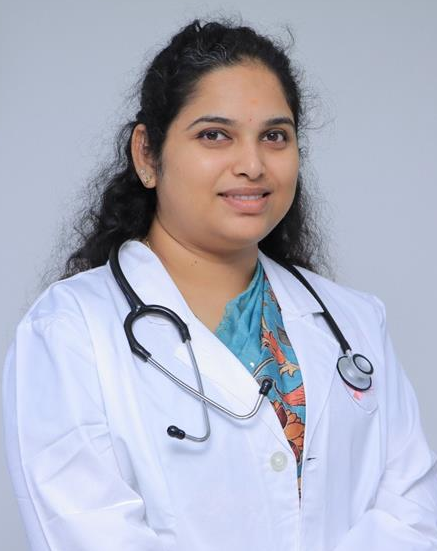
Dr. Allu Chandana
Consultant Pediatric ENT surgeon
7 Years English,Hindi,Tamil,Telugu Banjara Hills, Himayatnagar

Dr. Manchukonda Santhosh Kumar
Consultant ENT
12 Years English,Hindi,Telugu Kondapur OP, Financial District, Banjara Hills, Attapur Clinic
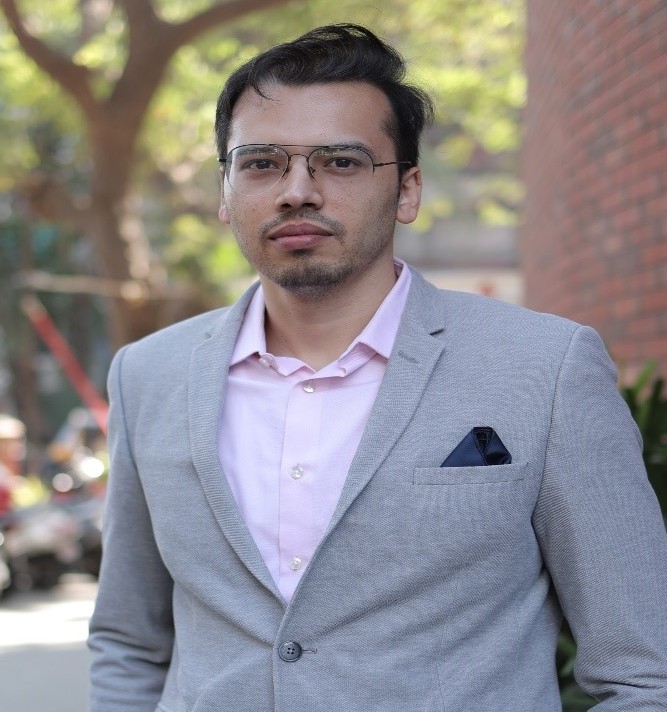
Dr. Nilesh Ranjan
Consultant Neonatologist and Pediatrician
11 Years English,Hindi,Tamil,Telugu Banjara Hills, Attapur Clinic
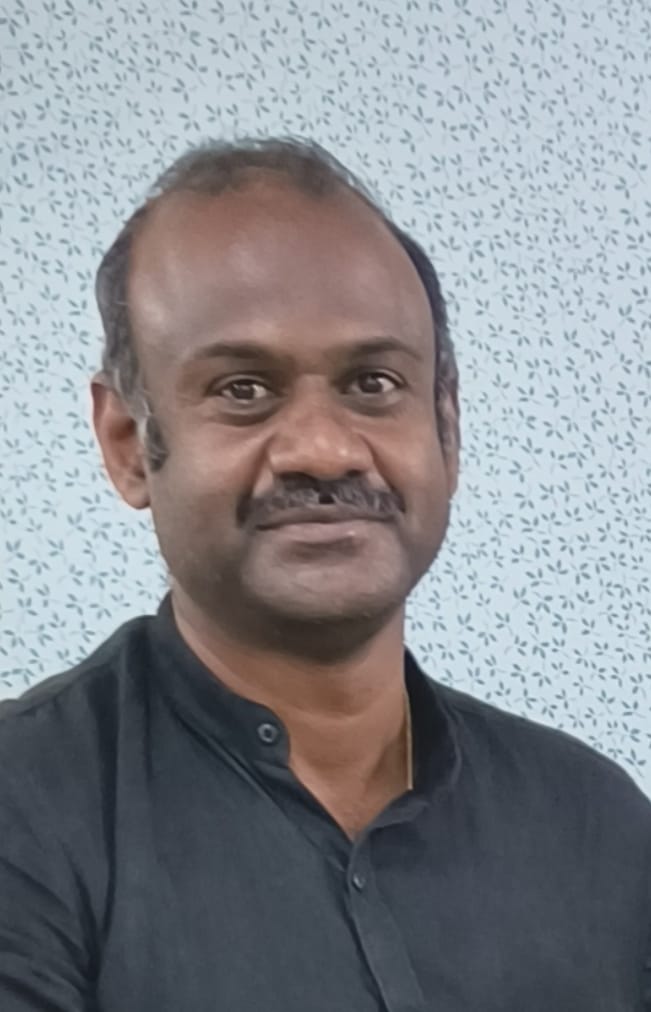
Dr. Giridhar Kumar Velagapudi
Consultant Oral & Maxillofacial surgeon
25 Years English,Telugu Banjara Hills
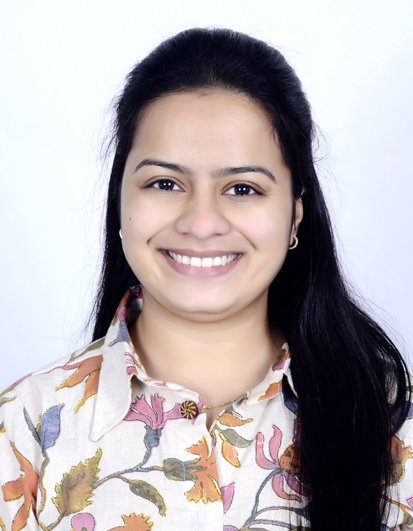
Dr. Vidhi Navandher
Speech–Language & Feeding - Swallowing Therapist
English,Hindi,Telugu Banjara Hills
Dr. Nalla Anuraag Reddy
Consultant - Pediatric Hematologist, Oncologist, Blood & Marrow Transplant Physician
8 Years English,Hindi,Kannada,Tamil,Telugu Banjara Hills, Hydernagar, Financial District

Dr. Chandrika S Bhat
Consultant - Pediatric Rheumatology
13+ Years English,Kannada,Tulu Marathahalli, Hebbal, Bannerghatta, Currency Nagar, Banjara Hills
Dr. Akhila Vemaraju
Physiotherapist
English,Telugu Secunderabad, Banjara Hills

Dr. Japa Avinash
Consultant - Pediatric Emergency Medicine & General Pediatrician
8 Years English,Hindi,Telugu Banjara Hills
Dr. Rohit Sadanand
Consultant – Genetics & Inherited Metabolic Disorders
English,Telugu Banjara Hills
Dr. Shruti Mishra
Developmental Pediatrician
13 Years Bengali,English,Hindi,Marathi,Telugu Child Development Centre - Banjarahills Rd No 10, Hydernagar, Banjara Hills
Dr. Garlapati Swetha
Consultant Development Pediatrician
7 Years English,Hindi,Telugu Child Development Centre - Banjarahills Rd No 10, Banjara Hills
Dr. Shruti kotapalli
Consultant Pediatric Pulmonologist & Sleep Specialist
15 Years English,Hindi,Kannada,Telugu Hydernagar, Banjara Hills, Secunderabad
Dr. Alisha Babbar
Consultant - Pediatric Gastroenterology and Hepatology
3 Years English,Hindi Banjara Hills, Financial District, Himayatnagar, Kondapur OP

Dr. Settivari Mamatha
Sr. Clinical Psychologist
13+ Years English,Hindi,Telugu Banjara Hills, Child Development Centre - Banjarahills Rd No 10
Dr. Sripartha Krishna Yerramilli
Consultant Pediatric Neurosurgeon
6 Years English,Hindi,Kannada,Punjabi,Tamil,Telugu Banjara Hills, Secunderabad, Hydernagar, LB Nagar
Dr. Sneha Kulkarni
Consultant - Child, Adolescent & Adult Psychiatrist
10 Years English,Hindi,Kannada,Telugu Secunderabad, Banjara Hills, Child Development Centre - Banjarahills Rd No 10
Dr. Vishakha Basavraj Karpe
Consultant - Neurosurgery
15 Years Bengali,English,Hindi,Kannada,Marathi,Telugu Hydernagar, Banjara Hills
Dr. P. V. Chaitanya Varma
Consultant Developmental Pediatrician
18 Years English,Hindi,Kannada,Telugu Child Development Centre - Banjarahills Rd No 10, Secunderabad, LB Nagar, Banjara Hills
Dr. Swetha Ravindran
Consultant Behavior Therapist
10 Years English,Tamil,Telugu Child Development Centre - Banjarahills Rd No 10, Banjara Hills, Hydernagar
Dr. Pillarisetti Naveen Saradhi
Consultant
20 Years English,Hindi,Telugu Hydernagar, Banjara Hills, Financial District

Dr. Sirisha Rani
Sr. Consultant
20 Years English,Hindi,Kannada,Tamil,Telugu Currency Nagar, Banjara Hills

Dr. Kokkula Praneeth
Consultant – Pediatric Neurosurgeon, Epilepsy & Craniofacial Neurosurgery
10+ Years English,Hindi,Telugu Currency Nagar, Banjara Hills, Secunderabad
Dr. Sri Phani Bhargavi Dhulipudi
Consultant - Pediatric Cardiology
12 Years English,Hindi,Telugu Banjara Hills, Rajahmundry, Heart Institute, Banjara Rd 10

Dr. Prerana Modani
Consultant - Medical Genetics
8 Years English,Hindi Banjara Hills
N. Zainab Abbas
Board Certified Level 2 Genetic Counselor
8 Years English Banjara HillsLeading Hospitals for Child Care
Rainbow Children's Hospital stands as a testament to the hospital's continual pursuit of excellence and innovation, providing specialized care for women and children

















Blogs
Discover our most recent health articles provided by our reliable experts.




What Are People Saying About Us
Embark on a journey of inspiration and hope with our patient success stories, complemented by informative videos from our dedicated doctors.

Media
 Rainbow Hospitals' Advanced Ambulances Save Neonates
 23 Years of Spreading Smiles | Rainbow Children's Hospital
 Children with Congenital Heart Disease
 Vaccine Tension
 Missed Vaccination Due to Pandemic? Time to Catch Up
 Autistic Children Need Better Care - Experts
 Bed Wetting in Children
 Autism Autism Spectrum Disorder (ASD) (mental retardation) is a Public Health Problem.
 Missing Vaccination? - Catch-Up Now
 Heart Diffects Since in Birth
 Parents of "Small Preterm Babies" Need not Lose Hope
 Home Healthcare the New Norm during Milder Covid Variant in T
 Parents Lose Appetite as Kids under Omicron Cloud Push Plate Away!
 Study Covid-hit Kids, Experts Urge Govt
 Season of "Sickness" Sees Rise in Number of Little Patients
 City Hopes See Rise in Kids Admission
 Milk vomiting below 6 months of the baby.. What is the solution?
 Cerebral palsy is the dangerious to childrens...
 Diat Therapy Reduces Epileptic Seizures in Children
 Early Diagnosis is key to Manage Hormone Disorders in Children
 What Killed Jain
 Cos Fathers Also Need to do their Bit to Help Nursing Mothers Breastfeed
 Are children snoring in their sleep?
 How to Improve Emotional Well-Being of your Children During the Pandemic
 A child heart is solid
Rainbow Hospitals' Advanced Ambulances Save Neonates
23 Years of Spreading Smiles | Rainbow Children's Hospital
Children with Congenital Heart Disease